Portuguese
 Spanish


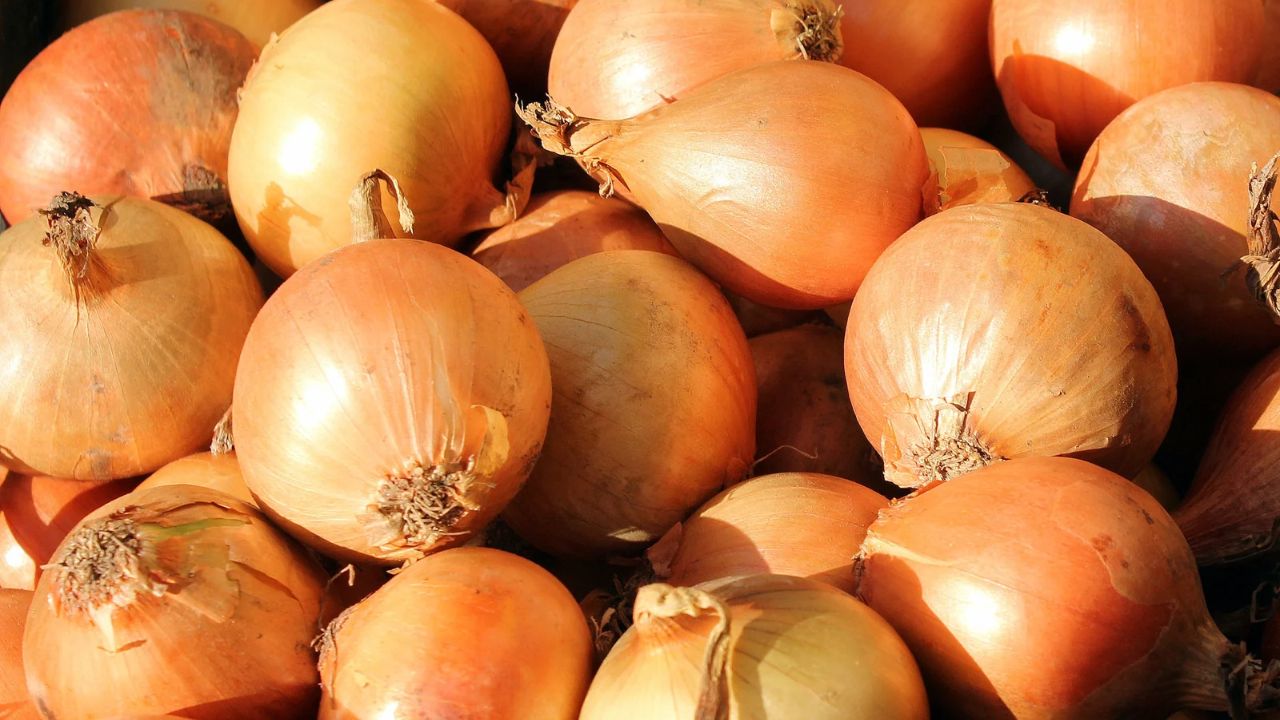
Onion prices are expected to remain high in the coming months as planted areas shrink, weather problems persist and Brazilian growers carry debt.
Relief from high onion prices still appears to be a long way off for Brazilian consumers. Even with the southern harvest season approaching, shrinking planted areas and adverse weather are raising concerns for Rafael Corsino, president of the National Onion Growers Association (Anace), who expects prices to remain high in the coming months.
The price increases are already reflected in Brazil’s Broad Consumer Price Index (IPCA), released by the Brazilian Institute of Geography and Statistics (IBGE). After rising 10.14% in September, onion prices climbed another 11.29% in October.
Onion prices soar, but growers struggle to pay their debts
Although consumers are paying more for the food, higher prices do not necessarily mean growers are recovering financially. Corsino said farmers endured 22 months of low prices, accumulating losses that left them with fewer resources for new investments in onion production.
-
Brazilian agribusiness to take technologies and business opportunities to China on international mission

-
Company Invests Over R$100 Million in New Tocantins Depot That Could Handle 5,000 Metric Tons of Grain a Day
-
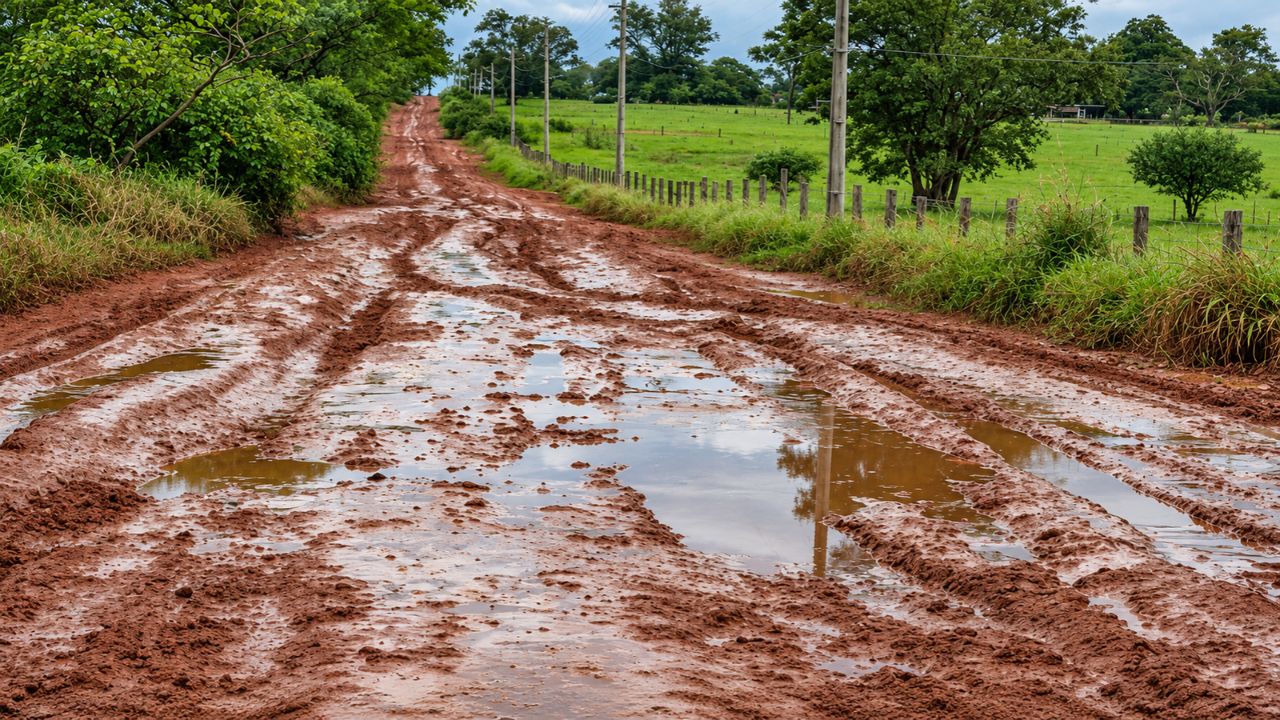
Poor rural roads hinder agricultural transport and school access in Paraná, where the priority network needs R$2.2 billion in annual investment
-
Predilecta Group bets on processing tomatoes to weather agricultural price volatility

High production costs and interest rates compounded growers’ financial troubles, prompting producers in the Northeast, the Cerrado region and the South to reduce their planted areas. The tighter onion supply began pushing up prices midyear, as production from Goiás and Minas Gerais reached the market.
Price surveys by Hortifrúti/Cepea, a center for applied economics research, show how prices changed in different locations:
- São Paulo: prices rose 29.2%, from R$120 to R$155;
- Triângulo Mineiro: average price of R$140 per sack;
- Brasília: wholesale prices for hybrid yellow onions, type 2, rose 55.8%, from R$86.67 to R$135;
- Cristalina, Goiás: a 20-kilogram sack of hybrid yellow onions was priced at R$161.25.
The Brasília and São Paulo figures track prices in the weeks ending Oct. 23 and Nov. 13, while figures for producing regions refer to the final week of that period.
Even at these levels, Corsino says, low production makes it difficult to recover from earlier losses. The concern affects family farmers and producers of all sizes, who face obstacles to repaying bank loans and rebuilding the resources needed for farming.
Weather threatens supply and worries producers heading into 2027
Some of the sector’s challenges are tied to crop performance in the Cerrado, where high temperatures hurt yields. With production below the potential of planted areas, the next crop in southern Brazil has become more important to the country’s supply.
Between November and April, the Brazilian market traditionally receives produce from the South. This year, however, rainfall disrupted Paraná’s agricultural calendar, preventing the harvest from starting in October as planned. Sales are expected to begin in December.
Weather conditions are also a concern for farmers in Rio Grande do Sul and Santa Catarina, who are facing periods of high humidity and cloudy skies. Since states in the South have already reduced the areas devoted to cultivation, questions remain about the quantity and quality of onions that will reach the market.
Outside Brazil, Argentina, a supplier that helps supplement domestic supply during shortages, is also facing climate-related difficulties.
Beyond uncertainty about current production, farmers’ financial situation threatens plans for the next season. In the view of Anace’s president, a lack of more affordable credit and debt-restructuring options could lead to further cuts in planted areas.
The concern is not limited to onions. Corsino also points to the possibility of a decline in garlic planting as producers struggle with debt.