





 Portuguese
  English
  Spanish
 4 min of reading


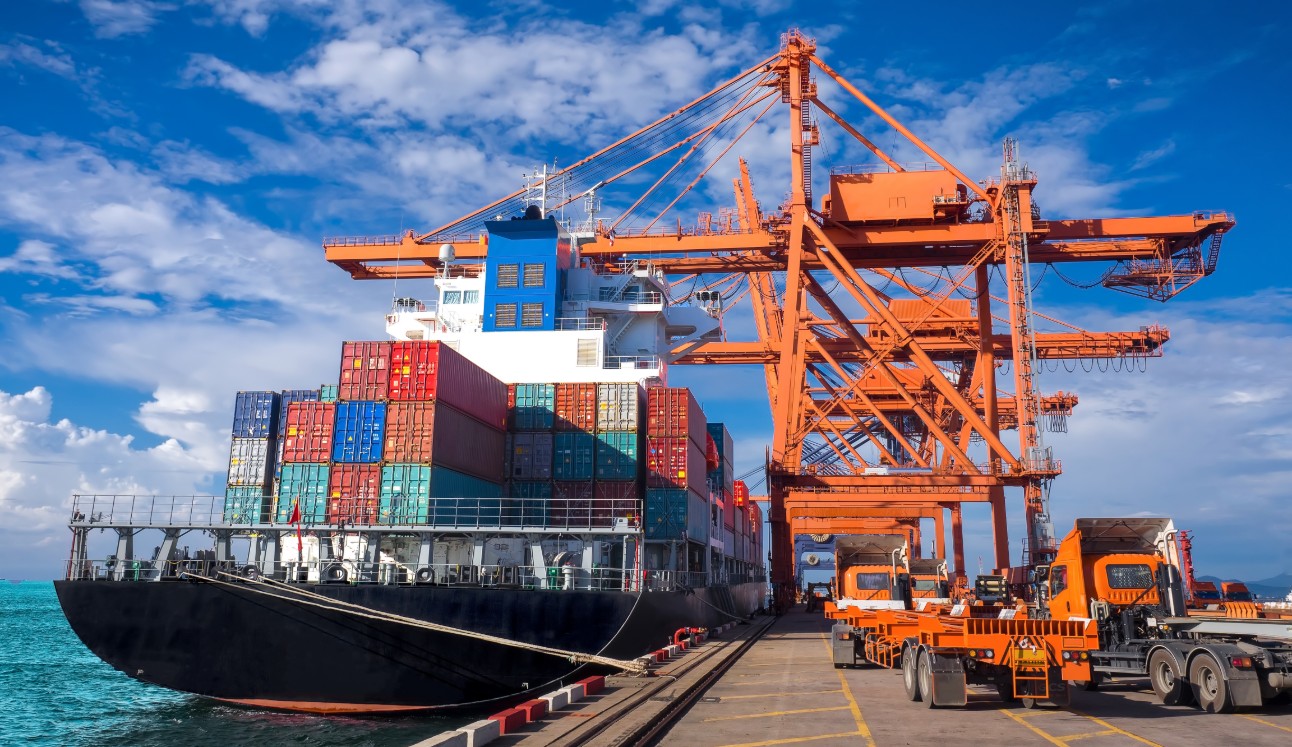
High Demand for Freight and Scarcity of Equipment Available in the Market Are Some of the Factors That Contribute to This Situation
Like all inventions, containers were created out of necessity and today remain extremely crucial for the import and export of cargo and for the development of the economy. This statement can be confirmed by the fact that about 90% of the movement of goods worldwide uses containers as a way to optimize transportation in maritime, air, and road modalities.
However, the current situation is more delicate than expected, as this shortage is not new in Brazil. Due to the differences between Brazilian imports and exports, there has always been a shortage of used twenty-foot containers for the food sector. Since March, however, this has worsened due to the longer retention times of cargo, especially in China and the U.S.
The restrictions on crew movements on vessels by various countries and the increase in consumption have caused a scarcity of this equipment available in the market, along with a strong financial impact on the global economy. Other obstacles
-
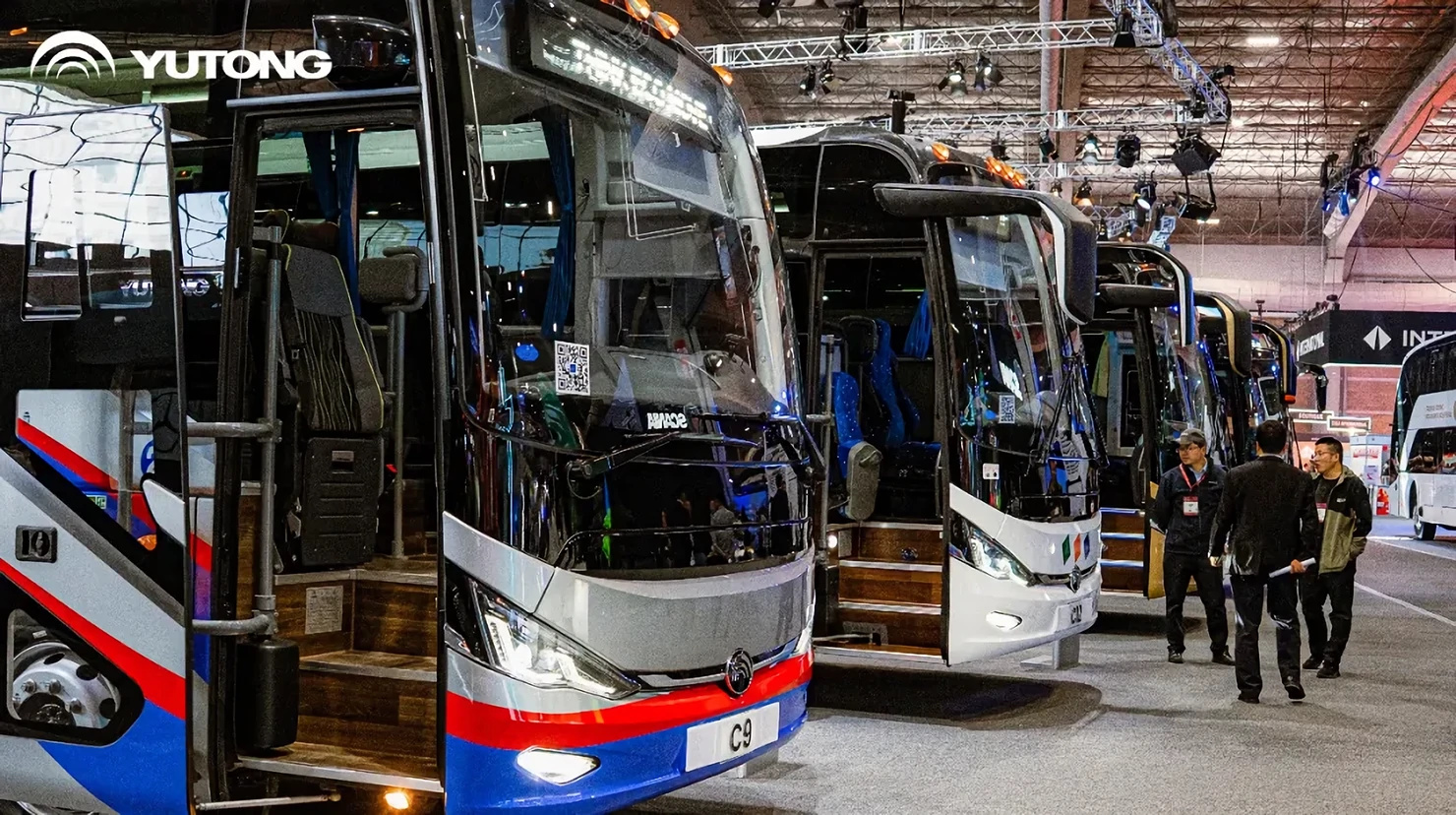
China advances into Mexico’s transportation with an electric bus that has a range of up to 530 km, bringing a complete line to the country in 2026 and transforming its partnership with Yutong into one of the most strategic in Latin American mobility.
-
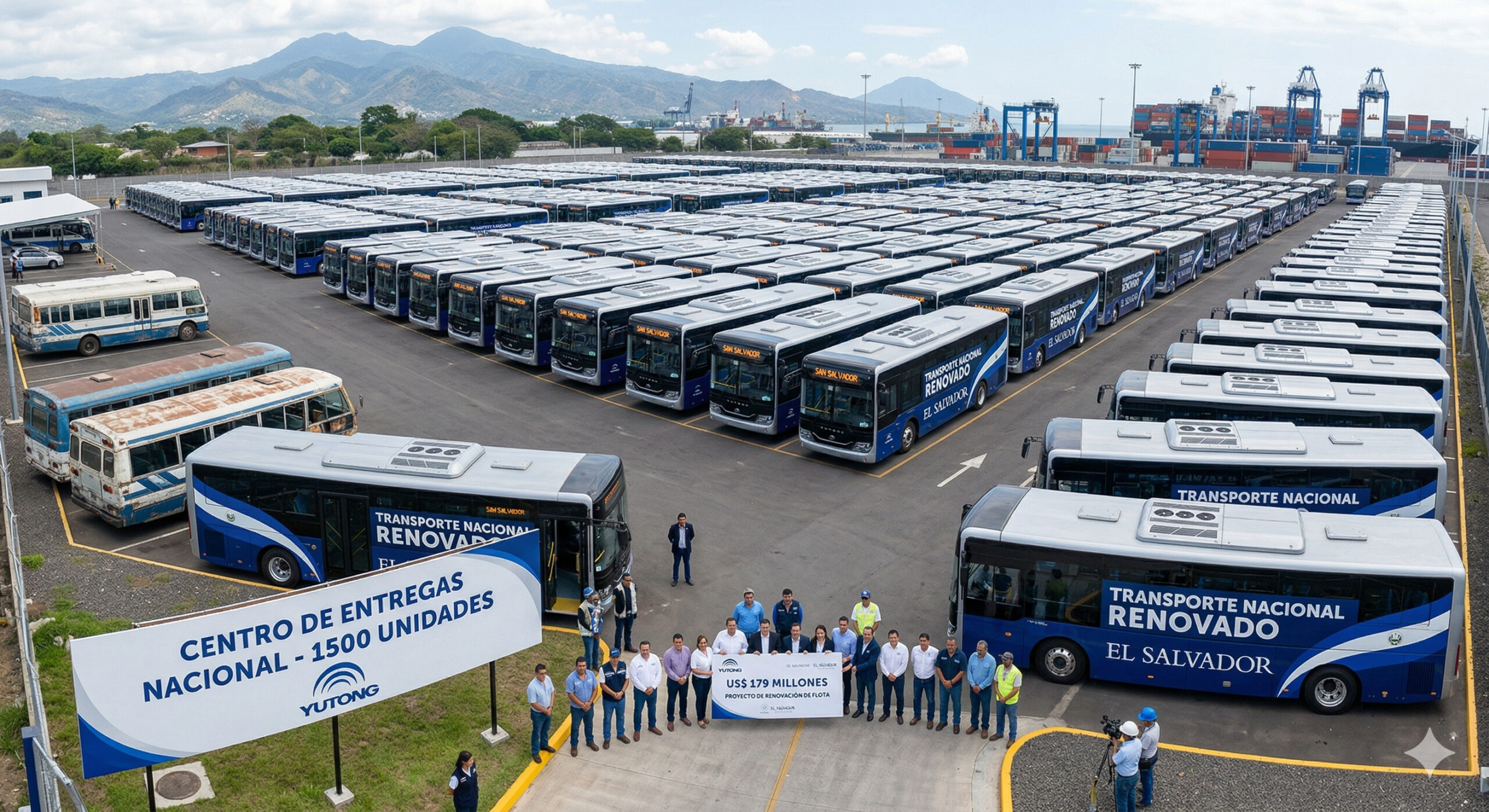
With 1,500 new buses financed by an international agreement, El Salvador is preparing the largest renewal in the history of its public transportation, a plan of $179 million with vehicles from the Chinese company Yutong that could replace practically the entire fleet of the country.
-
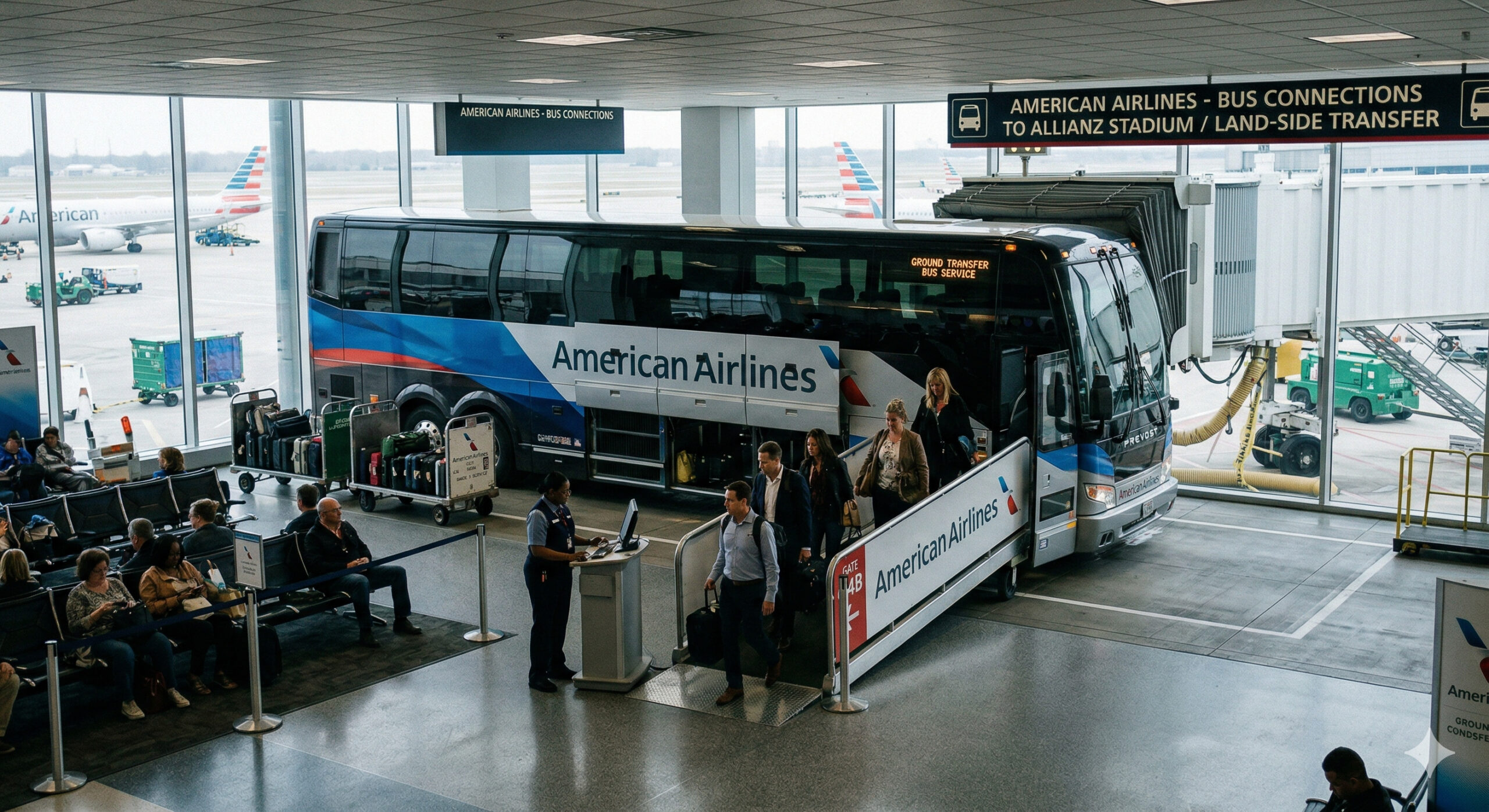
American Airlines starts selling trips as if they were flights, with check-in and baggage check at the airport, but on short routes, passengers board luxury buses connecting cities to major hubs in the U.S.
-
São Paulo surprises the world with a colossal railway network project that promises over 1,000 km of tracks, R$ 194 billion in investments, and 40 projects connecting the capital to the interior with fast and sustainable trains.
have exacerbated this scenario, such as the retention of goods in Chinese ports, like the example of the Ningbo-Zhoushan port terminal, south of Shanghai, which had its operations halted for a period due to a worker testing positive for covid-19.
Another problem affecting the container crisis includes the Delta variant, the mutation of the SARS-CoV-2 virus (which causes covid-19), which is being considered an outbreak in China and affecting the country’s production chain. As a result, buyers will likely face higher prices and fewer options this shopping season.
With this scenario in mind, freight transport and logistics companies are concerned about how they can adapt to this reality, as stated by Luiz Gustavo Nery, commercial director of Grupo Rodonery Transportes. “We need to be alert and prepare for any occasion and potential difficulties. It is necessary to focus on constant reinvention to keep up with the market and the crises that may arise. This reflects on the progress of new solutions for clients, such as expanding portfolios that can meet the alternatives caused by the lack of containers. This is a path that will help us navigate any situation without losing the quality that is imposed daily.”
There have been complications in the container market since the beginning of the pandemic, and the suspension of ship traffic in the Suez Canal in March this year further worsened the problems for shipping companies that were already facing disruptions and delays in supplying retail goods to consumers. This is currently felt even more strongly and is likely to continue for the coming months, according to experts.
Despite this, there are assumptions for a change. “I believe the future of this container market is very promising and will certainly see significant growth in the coming years. For this, it is extremely necessary for shipowners to catch up on delays by increasing the availability of equipment in the market and offering more competitive shipping rates, as they are currently surpassing unprecedented values and, according to experts, should only normalize in 2022. Only then can we overcome this global crisis,” concludes the commercial director.
We cannot forget the intense pace of Brazilian food exports that depend on containers to reach their destination. This already faces logistical limitations caused by the resumption of international trade in the post-pandemic, and to reverse this scenario, resources need to return to normal as soon as possible.
In Brazil, we do not find ship queues at ports, but the country is also struggling to find containers and ships for the transportation of
goods. Thus, this logistical blockage generates losses mainly in the commercialization of commodities, the main drivers of the Brazilian economy.
_______________________________
About Luiz Gustavo Nery:
Commercial Director of Grupo Rodonery Transportes, a company founded in 2010, Luiz Gustavo Nery holds a degree in International Trade from Universidade Positivo in Curitiba and a postgraduate degree in International Business from FAE Centro Universitário. In addition, he is the Coordinator of the COMJOVEM Institute for Market Development.








Seja o primeiro a reagir!