Portuguese
  Spanish


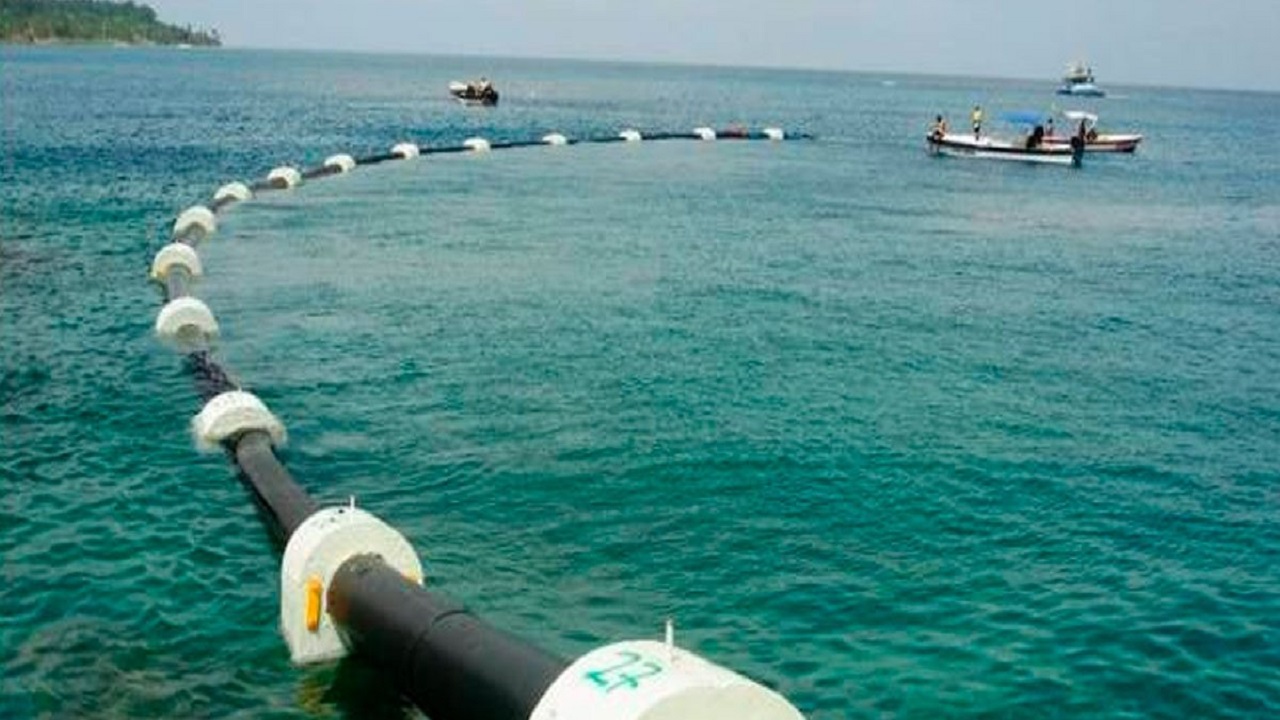

In Order to Expand 5G in Brazil, the Submarine Cable Created by EllaLink Started Operating This Tuesday (01) and Has a Length of 6,000 km to Reach Europe
The Ministry of Science, Technology and Innovations announced that the high-capacity submarine cable connecting Brazil to European countries started operating this Tuesday (01). To mark the beginning of this historic moment for the cable that will support the arrival of 5G in Brazil, a ceremony will take place in Portugal in the coming days.
These Topics May Also Interest You
Get to Know the Submarine Cable That Will Reach Europe Better
The submarine cable built by EllaLink, estimated to cost US$ 185 million, had the support of the National Education and Research Network (RNP). The infrastructure supporting 5G promises to connect Fortaleza to the European country, Portugal, specifically in Sines, but also passing through French Guiana, Canary Islands, Cape Verde, and Madeira Island.
One of the advantages of the submarine cable is that, unlike most transmissions, the information does not need to pass through the United States to reach Europe. In total, the cable that will support 5G will have a length of approximately 6,000 kilometers and will be nearly 5,000 meters deep.
-
A newly opened terminal in the middle of the Amazon has begun transporting soy and corn through Amapá, eyeing the queue of ships that is congesting the ports in the South.

-
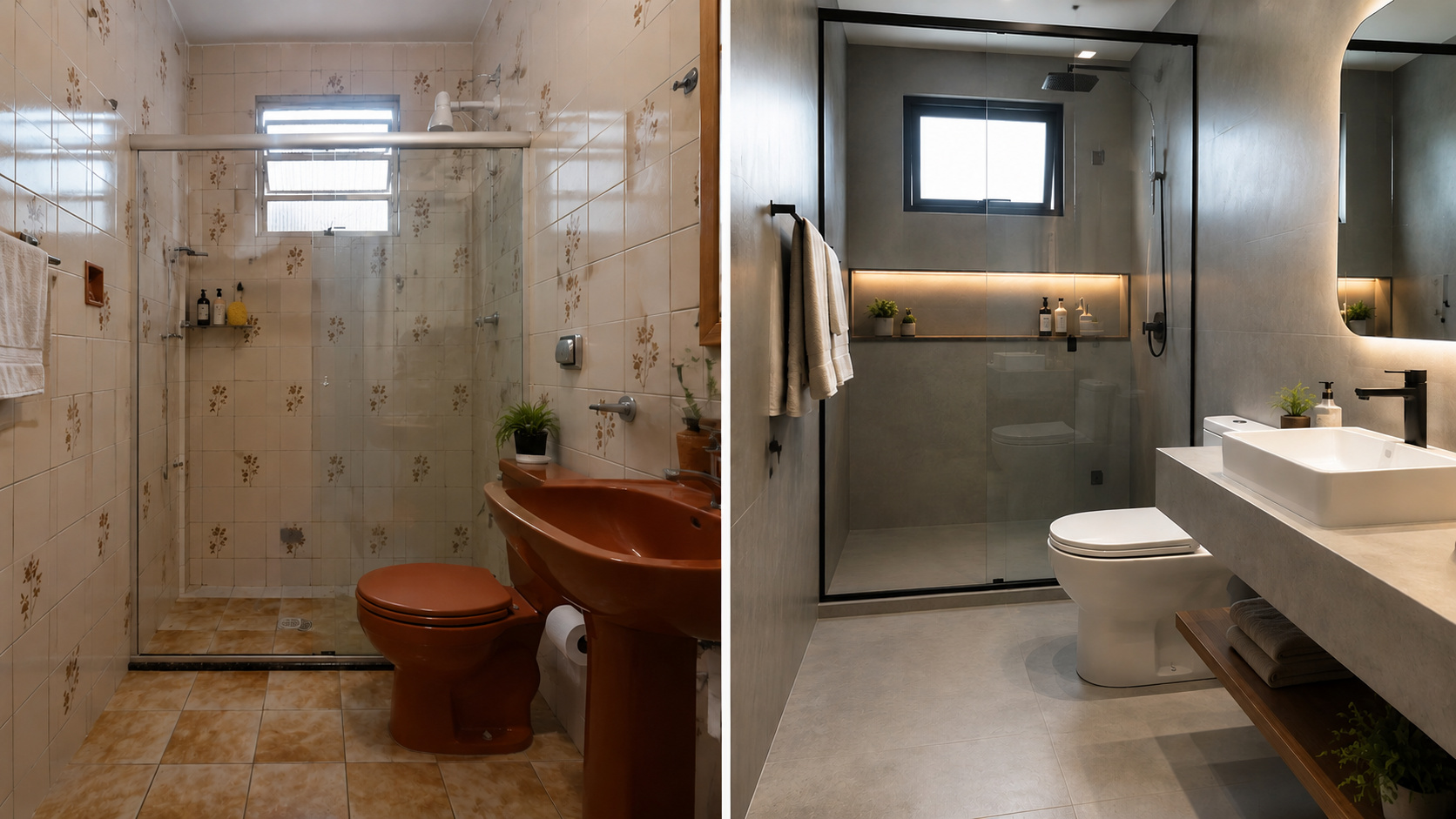
Goodbye to old tiles: renovation technique without construction transforms bathrooms in a few hours, eliminates debris, and reduces costs with coverings using special paints, high-resistance adhesives, and modern finishes that completely renew the space.

-
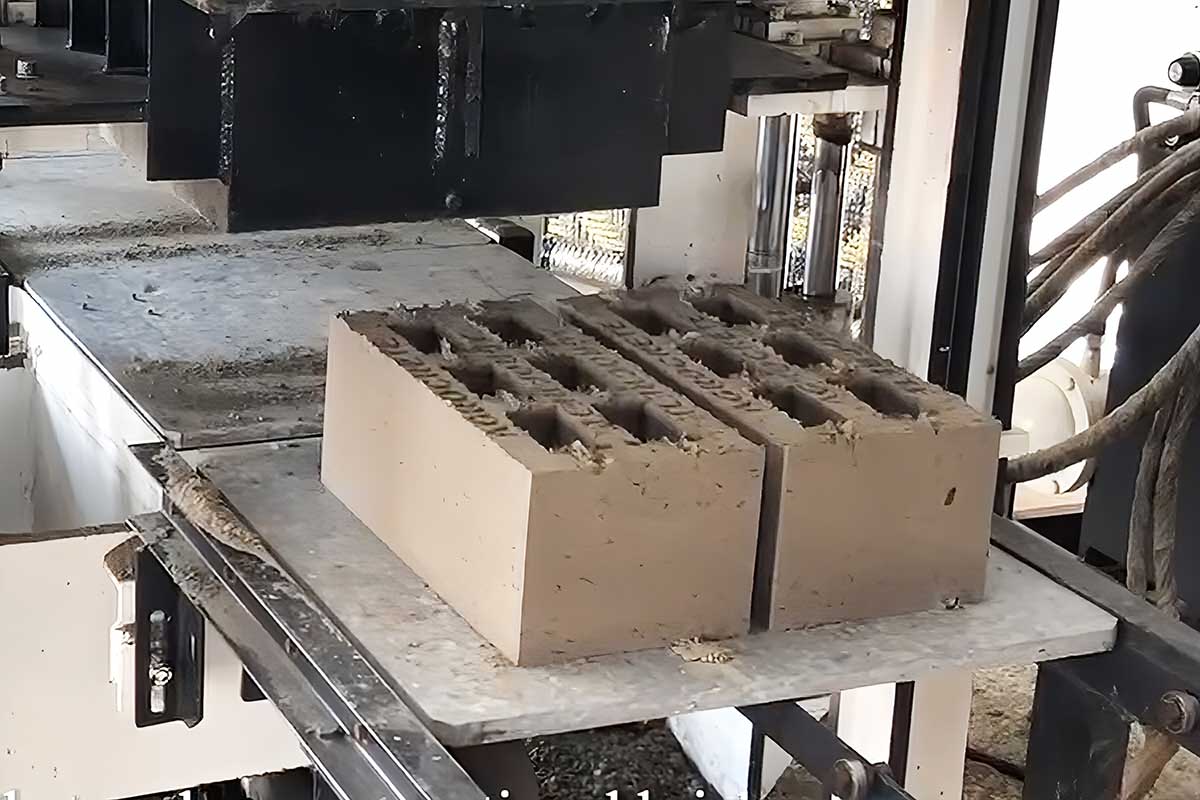
Goodbye to the traditional clay brick: Indian startup transforms burnt straw into a carbon-negative brick that costs half, insulates better, and even removes CO2 from the air.

-
A Japanese governor single-handedly stalled the construction of the world’s fastest train for nine years, and only now has he agreed to allow a tunnel excavated at a depth of 1,400 meters.


EllaLink Discusses the Submarine Cable
According to EllaLink, through a direct high-speed and low-latency connection, the system guarantees high-quality access to telecommunications applications and services. In addition to education and research, the infrastructure will also be used for cloud services and digital businesses.
According to EllaLink, the 5G support cable promises to reduce the current connection latency by 50%, as it is a fiber optic cable that allows traffic of 72 terabits per second. Thus, the latency will be 60 milliseconds (ms). In addition to the maritime route, terrestrial connections will link the cable to the states of São Paulo and Rio de Janeiro, and in Europe, it will reach Marseille, France, and Madrid, Spain.
The First Fiber Optic Submarine Cable in Brazil
In Brazil, long before thinking about 5G, the first submarine cable appeared in 1857, forming part of the first Brazilian telegraph line connecting Praia da Saúde (RJ) to Petrópolis. The cable was 15 km long in a line that had a total length of 50 km.
In 1874, the first fully submarine cable appeared in the country, inaugurated by D. Pedro II, connecting the states of Rio de Janeiro, Bahia, Pernambuco, and Pará, and by 1875, the first international submarine cable in the country was already being planned.