





 Portuguese
  English
  Spanish
  5 min of reading
  0 comments



Chery’s medium SUV evolves in China with a renewed design, more technological cabin, and competitive price, but brings an uncommon change in the trunk that contrasts with the increase in external dimensions and reveals a new strategy of the brand for the model.
The new generation of the Chery Tiggo 7 presented in China reveals important changes in the positioning of the medium SUV, focusing on updated design, a more technological cabin, and aggressive pricing.
Equipped with a 1.5 turbo engine with 156 hp and a 24.6-inch integrated screen, the model starts at prices equivalent to about R$ 52,000.
Meanwhile, in Brazil, the Tiggo 7 remains an intermediate option within CAOA Chery’s range, occupying a price range from R$ 142,990 to R$ 219,990.
-
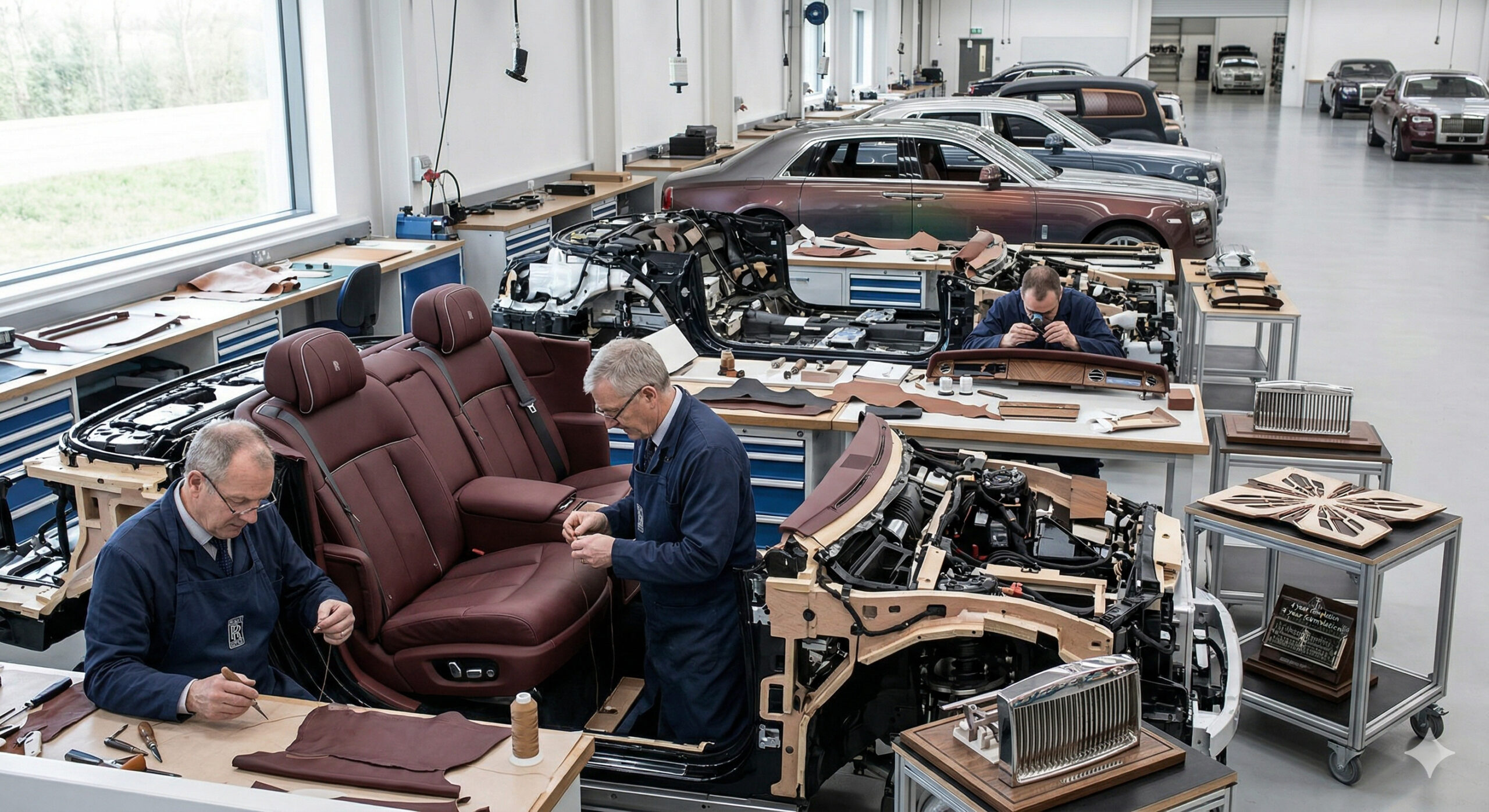
While much of the industry rushes to automate production, Rolls-Royce takes over 600 hours to hand-build each car in Goodwood and still accepts orders so complex that they can take up to four years to be completed.
-
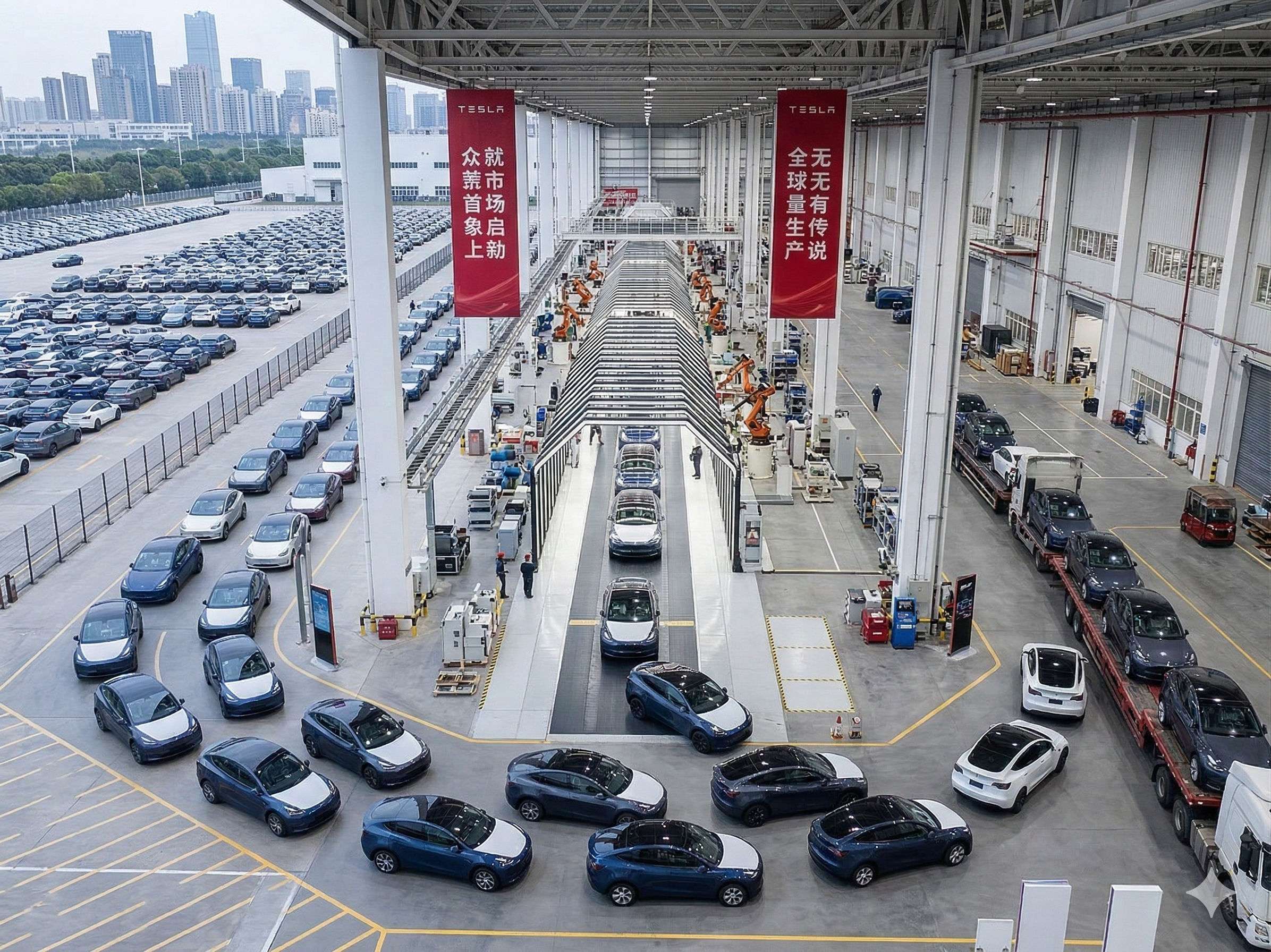
Smaller than the Model Y, lighter, with a single motor and designed to cost less than the current Model 3, Tesla’s new compact electric SUV is born in China and could seal the automaker’s return to the race for mass-market electric vehicles.
-
Kawasaki took the technology from its most brutal racing bikes, squeezed it into a 400cc 4-cylinder engine that revs to 15,000 RPM, and created the ZX-4R, a machine that shouldn’t exist in this displacement but is making experienced riders rethink everything they thought they knew about mid-range motorcycles.

-
The culture of cars that jump on the asphalt was born in the garages of Mexicans in the 1940s, was treated as a crime in the United States for decades, and has now become an official postage stamp of the American Postal Service in a twist that no one expected.

This significant price difference helps to contextualize the impact of the innovations seen in the Chinese market.
New design of the Tiggo 7 2027 changes visual identity
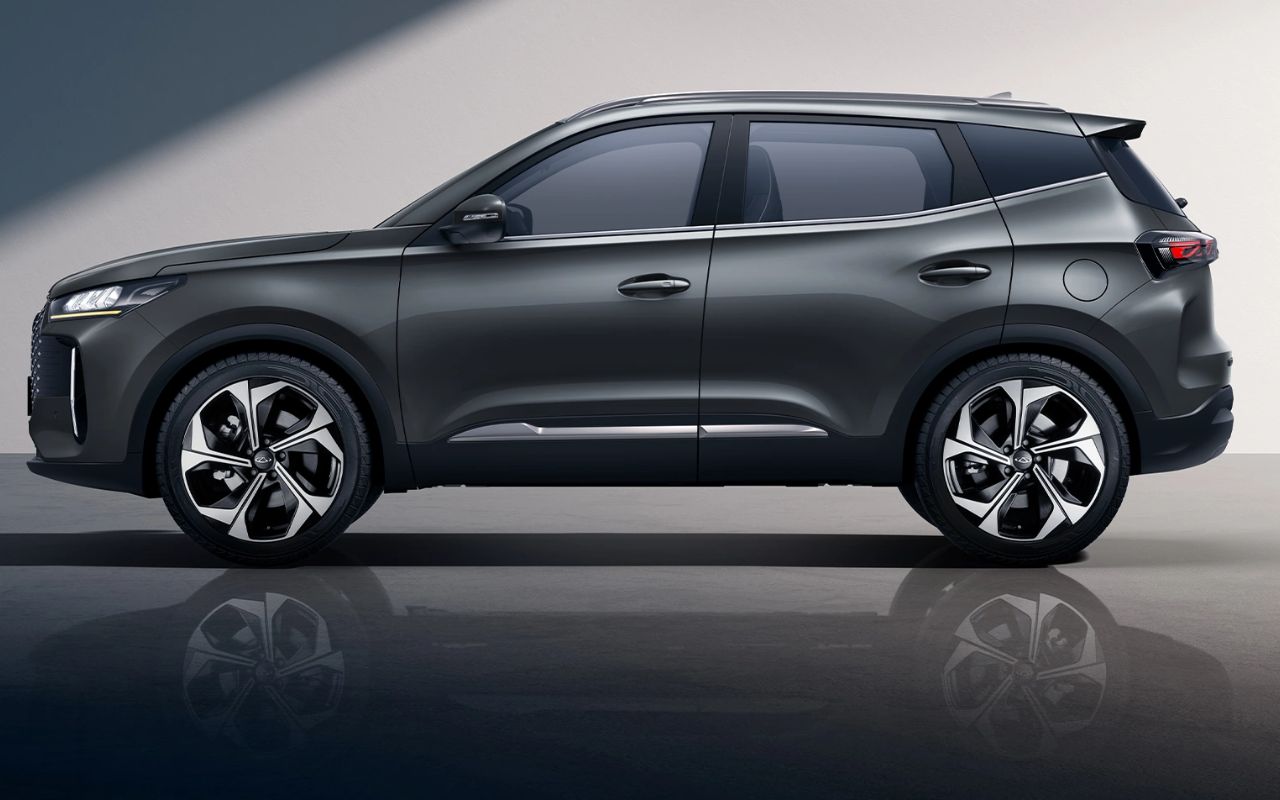
Instead of maintaining the “Diamond” visual language applied to the model sold in Brazil, the Chinese version adopts a new front with a redesigned grille, formed by darkened vertical elements.
This set creates a cleaner, more modern appearance aligned with the brand’s recent trends.

The daytime running lights gain a double “L” shape, integrated into the new grille, reinforcing the more aggressive visual identity.
On the other hand, the rear changes very little, maintaining the known design and creating a noticeable contrast between the two ends of the vehicle.
This design choice draws attention because it concentrates the renewal at the front, leaving the rest of the body more conservative.
As a result, the model presents a hybrid visual reading, combining a striking novelty at the front with aesthetic continuity at the rear.
Dimensions of the Tiggo 7 increase, but trunk decreases
Regarding the measurements, the SUV underwent adjustments that enhance its external presence.
The length reaches 4.53 meters and the width reaches 1.86 meters, maintaining a wheelbase of 2.67 meters, indicating that there was no change in the structural space of the cabin.
Despite this growth, the height was reduced to about 1.65 meters, altering the overall proportion of the vehicle.

This change contributes to a lower and sportier profile, although it represents a slight difference in the perception of vertical internal space.
One point that draws attention appears in the trunk.
Even with a larger body, the capacity has been reduced to 475 liters, below the 525 liters reported for the Tiggo 7 Pro Plug-in Hybrid currently sold in Brazil, indicating a clear design choice.
Interior with 24.6” multimedia and more technology
Inside, the main evolution is in the digital set that combines the instrument panel and multimedia into a single 24.6-inch screen.
This solution reinforces the modernization proposal and brings the model closer to the standard adopted in the brand’s more recent SUVs.
Additionally, the equipment package includes 360-degree camera, driving assistants, ventilated and heated front seats, heated steering wheel, and air purification system.
Wireless connectivity for smartphones also appears as a standard item.
This technological set is not entirely new in Brazil, as the brand has been introducing similar solutions in other models.
Still, the way the elements are integrated in the new generation highlights a leap in perceived sophistication.
1.5 turbo engine prioritizes efficiency and cost

Under the hood, the model uses a 1.5 turbo gasoline engine with 156 hp and 23.5 kgfm, always paired with a CVT automatic transmission.
The proposal here is not high performance, but rather efficiency and more accessible cost.
In comparison, the Brazilian line offers more powerful alternatives, including a 1.6 turbo gasoline engine with 187 hp and the plug-in hybrid version that reaches 317 hp combined.
This difference highlights distinct strategies for markets with different consumption profiles.
Thus, while Brazil receives more sophisticated and expensive versions, China focuses efforts on a model with a good level of equipment, but with simpler mechanics and a focus on sales volume.
Price of the Tiggo 7 in China draws attention
Another factor that draws attention is the price practiced in the Chinese market.
The updated Tiggo 7 costs between 69,900 and 81,900 yuan, which is approximately R$ 52,000 to R$ 61,000 in direct conversion, not considering taxes.
For comparison, the cheapest car in Brazil currently, the Renault Kwid, starts at R$ 80,690.
This contrast helps to gauge how factors such as tax burden, logistics, and brand positioning directly influence final prices.

Even considering these differences, the price of the medium SUV in China draws attention for being below compact models sold in Brazil, reinforcing the discrepancy between the two markets.
What changes for the Tiggo 7 in Brazil
Although there is no confirmation about the arrival of this visual in Brazil, the brand’s strategy indicates that the updates seen in China often anticipate global trends.
This includes both the design and the technological integration of the cabin.
The recent evolution of other CAOA Chery models in the country shows a consistent movement in this direction, highlighting larger screens, greater connectivity, and more refined finishes.
In this scenario, the Tiggo 7 tends to follow this same line.
Among all the points presented, the most unexpected detail is the reduction of the trunk, even with the increase in external dimensions.
This is an uncommon choice, highlighting different priorities in the development of this new phase of the SUV.








Seja o primeiro a reagir!