Portuguese
 Spanish


With R$236,000 in funding, the initiative offers 200 hours of classroom and hands-on training for women ages 15 to 29, prioritizing young women facing social vulnerability, Black and Indigenous women, and members of Quilombola communities
Women ages 15 to 29 facing social vulnerability will have the opportunity to take a solar energy course with 110 scholarships available. The Federal University of Piauí (UFPI) will offer the training, with a monthly stipend of R$300 for four months. Classes are expected to begin in March 2027.
Solar energy course will receive R$236,000 in funding
The Federal University of Piauí said the project received R$236,000 to fund the scholarships, cover training costs and purchase equipment needed for the activities.
The initiative aims to increase women’s presence in fields such as renewable energy, technology and engineering by providing professional skills to young people who face barriers to accessing training.
-
Brazilian company reduces electricity bills with solar farms, reaches 1 million customers, projects R$1.4 billion revenue, and invests in EV charging stations

-
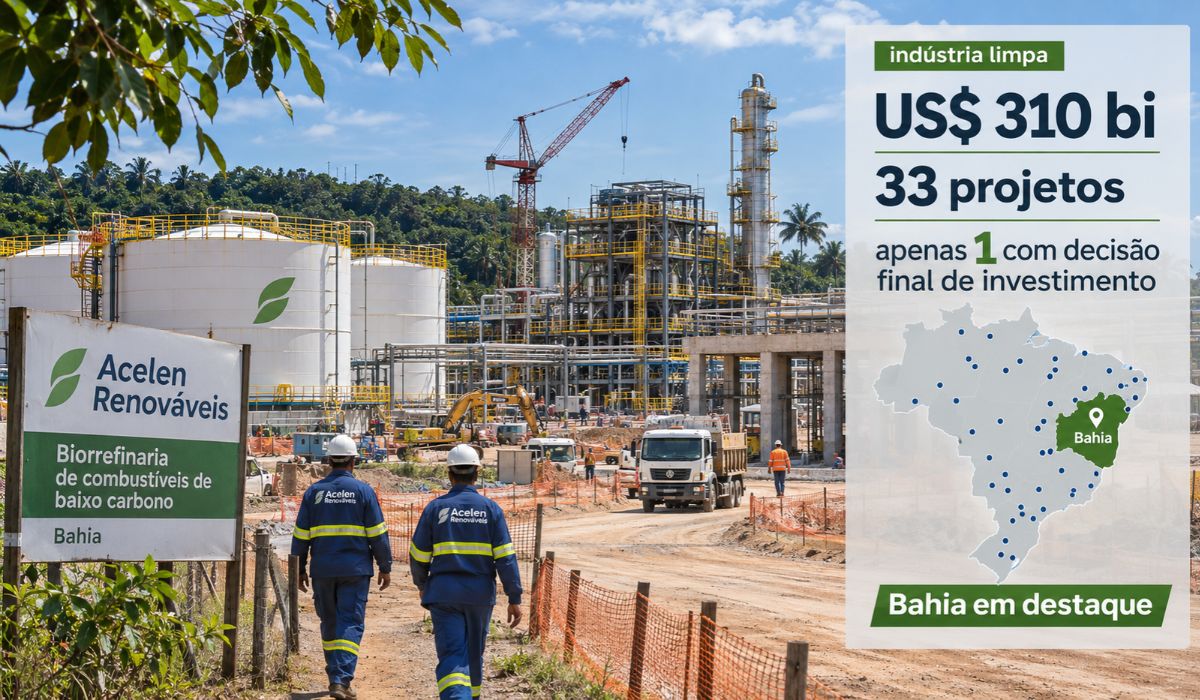
Brazil has $310 billion in 33 clean-industry projects, but only one reached a final investment decision in 12 months

-
Brazilian Army contracts 100% renewable energy from Cemig for 160 military units across nine states and the Federal District
-
China connects 600-MWh plant to grid, liquefying air at −194 °C to store solar and wind power and generate electricity for 10 hours



The selection process will prioritize women facing social vulnerability, including young Black and Indigenous women and members of Quilombola communities.
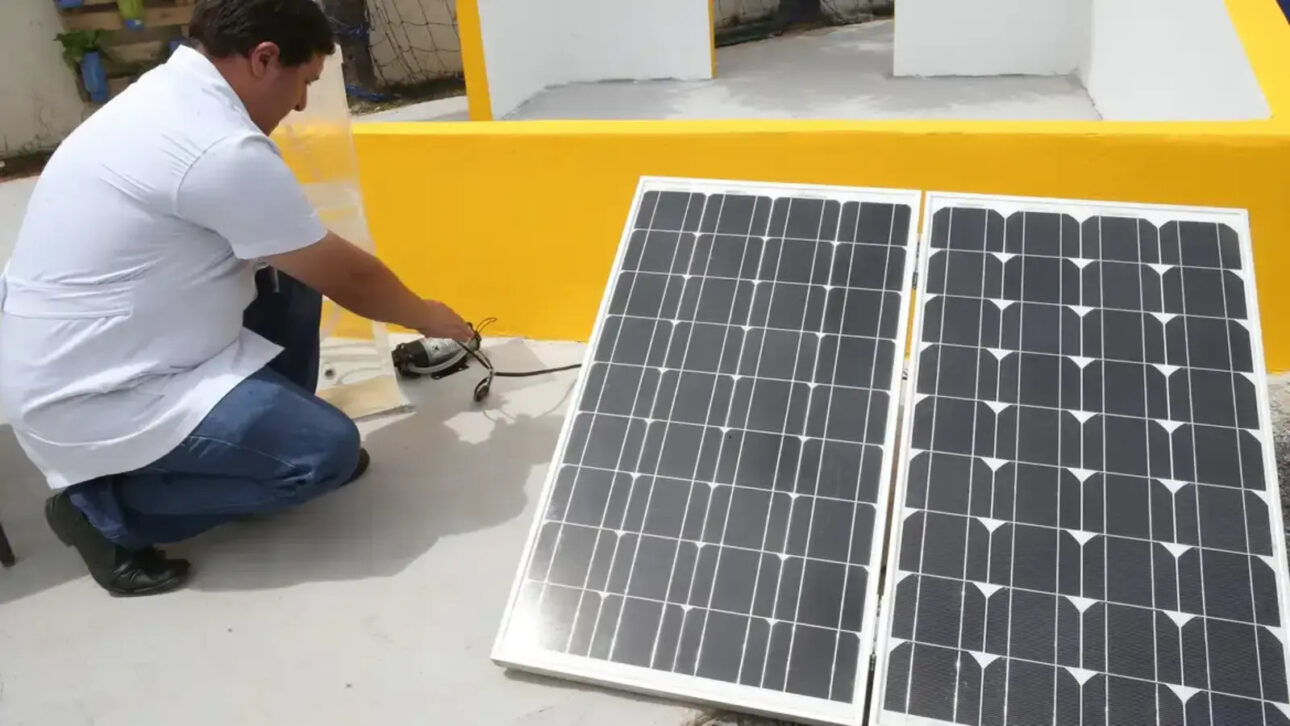
Training will include 200 hours of classroom and hands-on instruction
The course will provide 200 hours of training over four months. Participants will take part in classroom and hands-on activities related to solar energy.
Classes will be held at two UFPI-affiliated facilities: Teresina Technical College (CTT) and the Center for Technology (CT).
Alongside technical instruction, the program will include academic support and sociopolitical education, with a focus on helping students stay in the program and expand their career opportunities.
Wings for the Future program aims to expand opportunities for women
The project is part of the Wings for the Future Program, developed by Brazil’s Ministry of Women in partnership with the National Council for Scientific and Technological Development (CNPq).
The program aims to encourage women to pursue training in technology fields and provide vocational education options for young people facing social vulnerability.
Applications are not yet open. The participation and selection criteria are still being defined and will be announced later.
This article was prepared based on information published by G1.