Portuguese
 Spanish


Public call for proposals accepts submissions through January 14, 2027, and covers solar power, batteries and energy efficiency. Funding will be allocated to industries, condominiums, businesses and public services following a technical review.
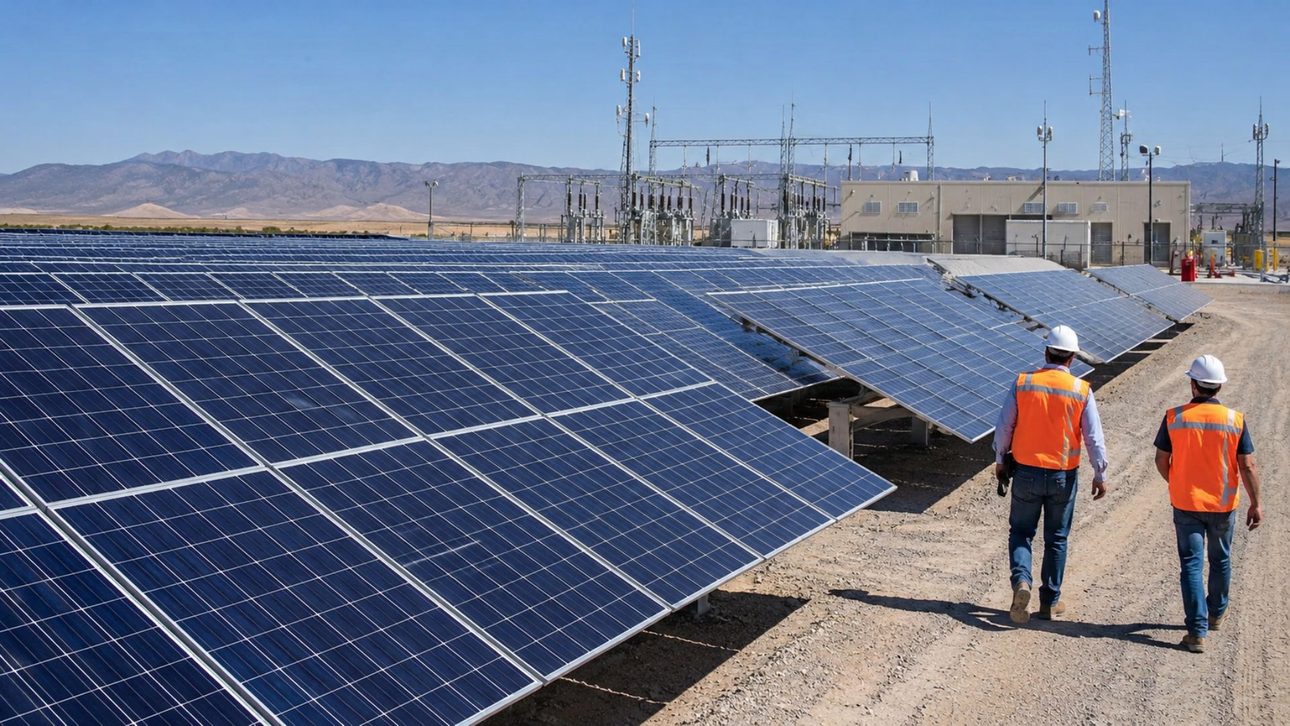
Neoenergia Coelba has opened a new opportunity for businesses, public institutions and condominiums in Bahia, a state in northeastern Brazil, seeking to modernize their electrical systems and cut energy costs. The utility has made R$60 million available to select energy-efficiency projects, including solar generation and battery storage initiatives.
The deadline to submit projects is January 14, 2027. But simply wanting to install solar panels or replace old equipment is not enough: applicants must demonstrate the technical and economic viability of the proposed upgrades.
Industry will receive the largest share of the available R$60 million
Although the call for proposals covers a range of activities, the largest share of funding has been set aside for industry and productive rural activities.
-
Brazil to Miss Out on Over 36 Billion kWh of Solar and Wind Energy by 2026 Despite Billions Invested in Renewables

-
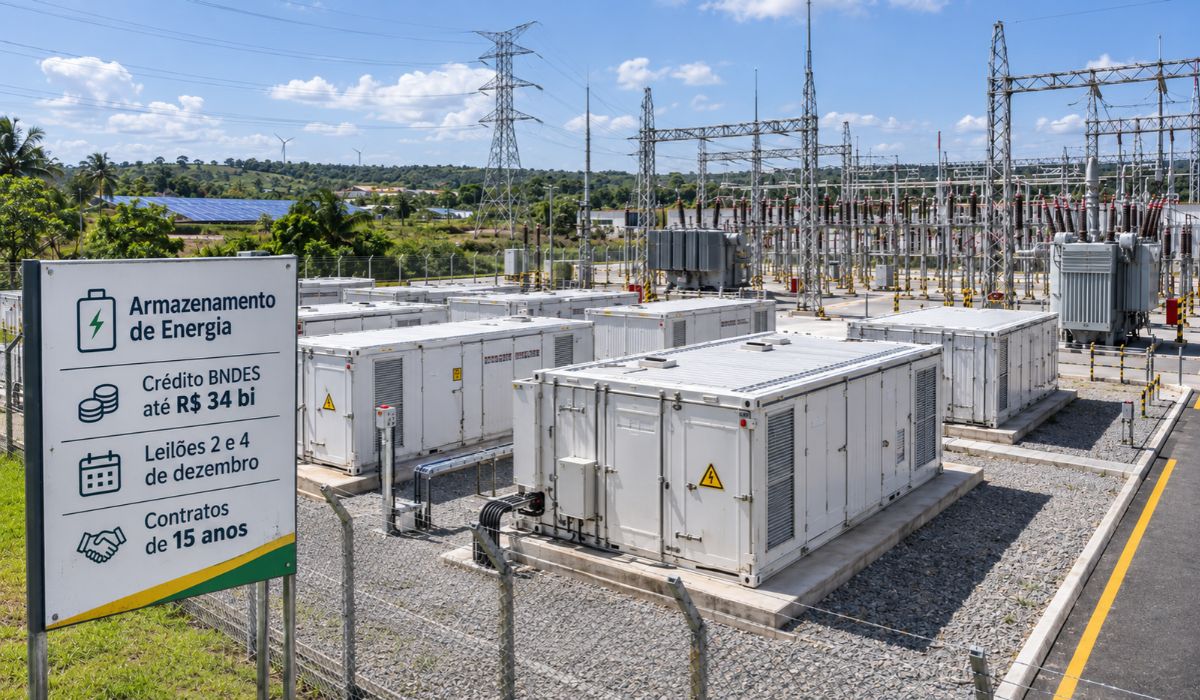
BNDES anticipates up to R$34 billion in financing for large-scale battery storage in Brazil, with first-ever auctions set for December
-
USP and York model silicon structure with reduced surface area and similar optical properties to black silicon used in solar research

-
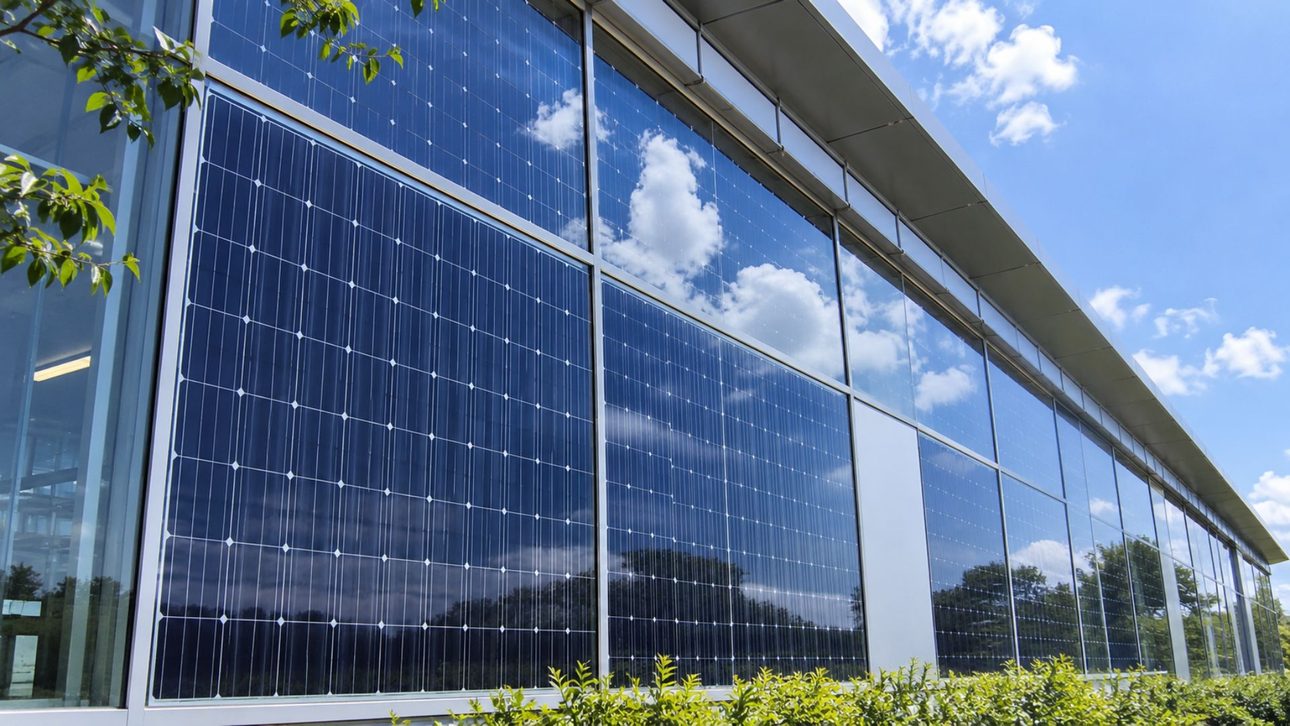
Solar window tested by Brazil’s Federal University of Paraíba generated over 90 watts under high irradiance, combining power generation with heat control on a building facade

R$25 million is allocated to this category, which can submit proposals to modernize equipment, improve electrical processes and adopt energy-efficiency solutions.
The call also sets aside R$8 million for the public sector, R$8 million for commerce and services, and another R$8 million for public services. Public lighting will receive R$6 million, while residential condominiums will have R$5 million available.

The allocation illustrates the scope of the initiative, which is not limited to installing solar power plants. Hospitals, businesses, administrative buildings and lighting systems may also offer opportunities to reduce energy consumption.
Productive rural activities have a specific condition: their projects compete for funding from the industrial category, but can receive funding only if money remains after approved industrial projects are selected.
The funding will not be distributed automatically. Each proposal must meet the requirements of the call and undergo an evaluation that considers, among other factors, the expected energy savings relative to the required investment.
Solar power and batteries could transform energy use at large facilities
One of the most promising possibilities in the selection is combining electricity generation with technologies that enable it to be used more intelligently.
Projects may include solar photovoltaic panels, electrical system upgrades, replacement of inefficient equipment, and battery storage systems, known as BESS.
Consider a hospital that uses a lot of electricity during the day and faces higher rates at certain times. In addition to producing some of its own power with solar panels, the institution can use batteries to shift electricity use away from the grid during peak-rate periods.
This combination is already in use in Bahia. In Salvador, Hospital Santo Antônio, run by Obras Sociais Irmã Dulce, previously received an 800-kilowatt-peak (kWp) solar power plant and an energy storage system through a partnership with Neoenergia Coelba.
The utility says the system, installed in 2024, allows the hospital to shift about 1,800 kWh per day of electricity use away from peak hours. The facility has also received other energy efficiency upgrades over the years.

The example shows the potential of these technologies at facilities with high electricity use, although it is an earlier project and is not part of the R$60 million in the new call for proposals.
To qualify for the current call for proposals, however, proposing to install a solar power plant on its own is not enough. Applicants must document that other economically viable energy efficiency measures have already been adopted or will be implemented alongside it.
The requirement is intended to prevent a facility from installing new generation equipment while continuing to waste electricity through lighting, air conditioning, or processes that could be modernized.
Who can apply, and how much can each project receive?
The selection is open to eligible customers served by Neoenergia Coelba in Bahia, including industrial facilities, commercial establishments, public agencies, service providers, and residential condominium associations.
The customer’s facilities must be connected to the utility’s grid and in good standing on their obligations. The call for proposals also sets restrictions for properties occupied under lease.
As a rule, each project must request between R$600,000 and R$3 million from the Energy Efficiency Program. For industrial proposals, the maximum rises to R$5.5 million.
These amounts are the funding available for each project, not a guaranteed award for applicants. Projects with financial matching contributions may have a higher total investment, provided they stay within the program’s limits.
Another important consideration is the financing terms. For-profit companies and residential condominium associations must sign energy performance contracts, which set out how funds are repaid based on the savings achieved.
Nonprofit institutions may qualify under different conditions, provided they document their eligibility and meet the requirements of the call for proposals.
Neoenergia also requires the studies to be prepared by a technically qualified project applicant. This means applicants will need to provide concrete information about their energy use, existing equipment and the expected benefits of the upgrades.
How to submit a project and take part in the selection process through January 2027
Applicants should visit the Public Calls for Projects page on Neoenergia’s official website, find the 2026 call and review the tender notice, its attachments and any updates.
Applications are submitted through the Public Call for Projects Portal, an online platform for receiving technical and commercial documents. Applicants must register the people responsible for the project and prepare the energy pre-assessment required in the first phase.
The document must include information about the electricity-consuming facility, its energy use over the previous 12 months, the planned improvements, estimated costs and expected energy savings.
Depending on the type of project, specific studies may also be required. Solar power systems, for example, require information about the installation site, shading and the condition of the structure that will support the panels.
Applicants are responsible for the cost of preparing the pre-assessment, which the utility will not reimburse. Submitting it also does not guarantee that the project will be approved or carried out.
Questions may be submitted through the portal through January 7, 2027. The pre-assessment must be submitted by 11:59 p.m. Brasília time on January 14, 2027.
The tender schedule sets March 1, 2027, as the deadline for announcing the preliminary results of the first phase. Selected projects will then undergo a second round of diagnostics and evaluation before any potential contract is awarded.