Portuguese
 Spanish


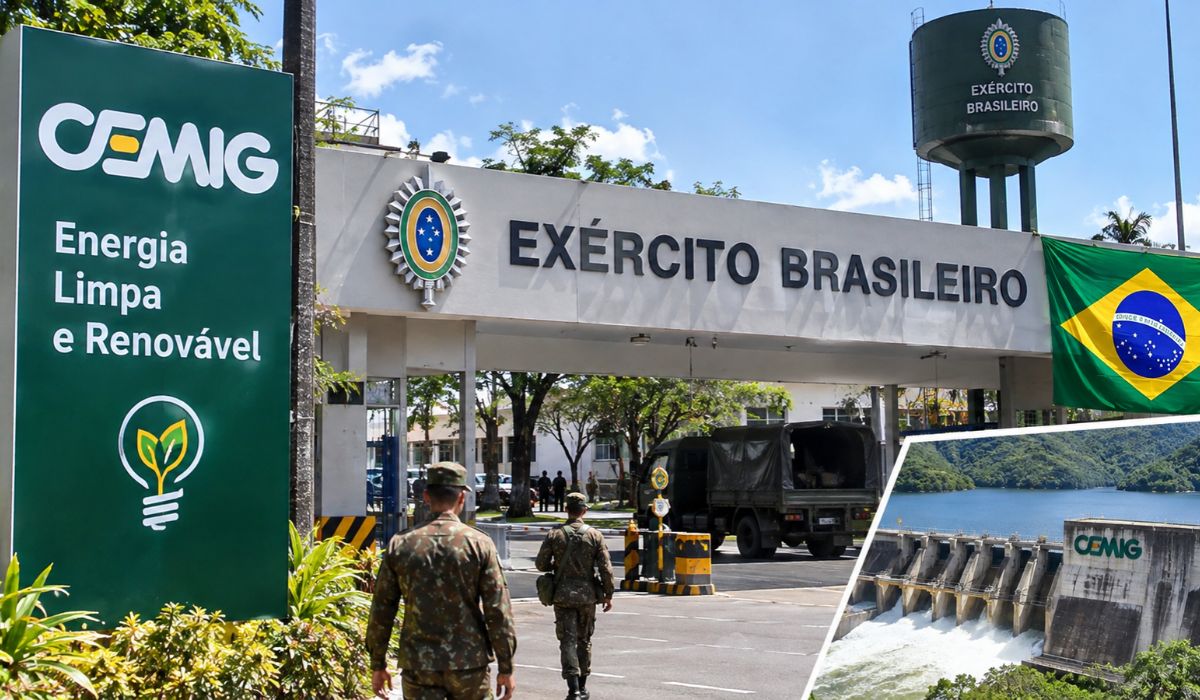

Contracts signed in Brazil’s free-market electricity market cover 160 Army consumer units across ten federative units. The agreement provides for certified renewable electricity and specialized management, without the need to build new power plants at military bases.
The Brazilian Army is expanding its participation in the renewable energy market in a noteworthy way: instead of installing its own power plants at each military base, the institution has contracted a Minas Gerais-based power retailer to supply clean-source electricity to military facilities across the country.
Cemig Free Energy won bidding processes to serve 160 Army consumer units, spread across nine states and the Federal District. The contracts cover 100% renewable, traceable energy, as well as services to manage the supply.
Cemig announced the deal on October 15, 2026. It covers military facilities in different regions of Brazil. The arrangement is possible because of Brazil’s free-market electricity system, which allows eligible consumers to choose their electricity supplier, even when it is based in another state.
-
China connects 600-MWh plant to grid, liquefying air at −194 °C to store solar and wind power and generate electricity for 10 hours

-
Neoenergia opens R$60 million funding call for solar power, batteries, and electrical modernization projects in Bahia
-
Brazil to Miss Out on Over 36 Billion kWh of Solar and Wind Energy by 2026 Despite Billions Invested in Renewables
-
BNDES anticipates up to R$34 billion in financing for large-scale battery storage in Brazil, with first-ever auctions set for December


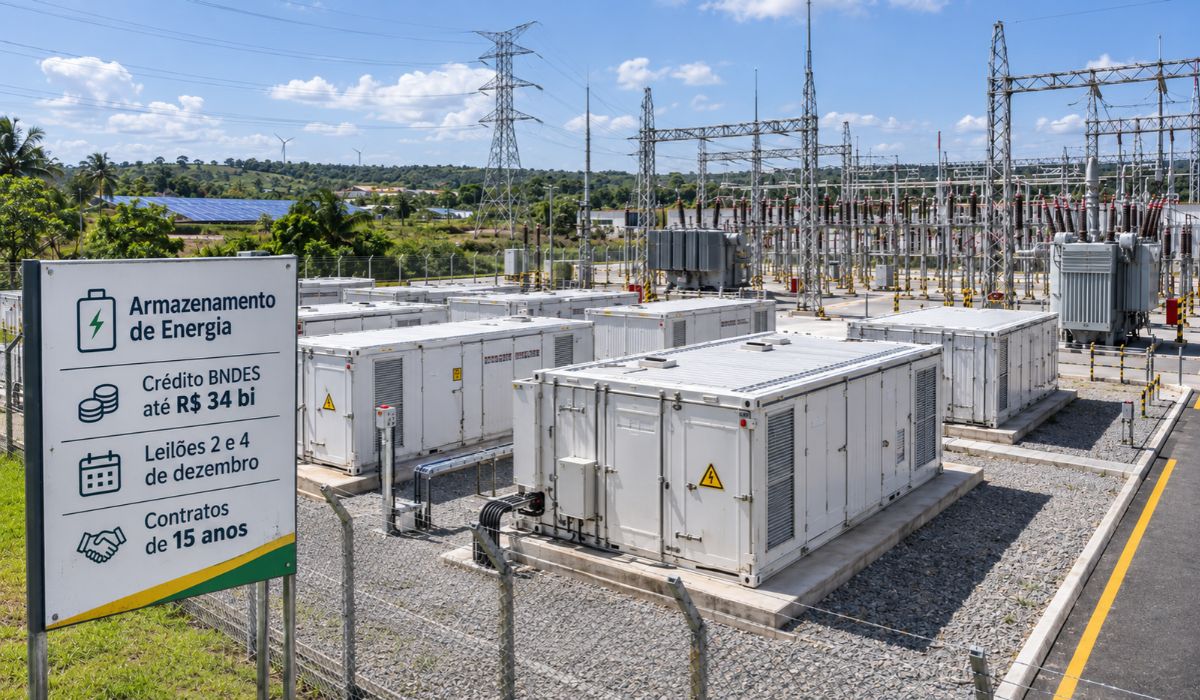
Contracts cover 160 military facilities across different regions of Brazil
The agreement’s geographic reach is one of its most notable features. The facilities covered are in Minas Gerais, Rio de Janeiro, Mato Grosso do Sul, Rio Grande do Sul, and Goiás.
The list also includes facilities in Pará, Pernambuco, Rondônia, Amazonas, and the Federal District. In all, the agreement spans ten federative units, with facilities in the North, Northeast, Central-West, Southeast, and South regions.
This distribution helps illustrate the challenge of managing energy contracts for an institution with facilities spread across such a vast territory.
Each facility may have its own consumption patterns, operating hours, and operational needs. Buying electricity therefore involves not only commercial negotiations but also monitoring supply conditions.
The contracts were secured through tenders conducted by the Brazilian Army under the rules of Brazil’s Free Contracting Environment (ACL).
Cemig has not disclosed the contracts’ total value, the volume of electricity purchased, or a consolidated estimate of savings for the military facilities.
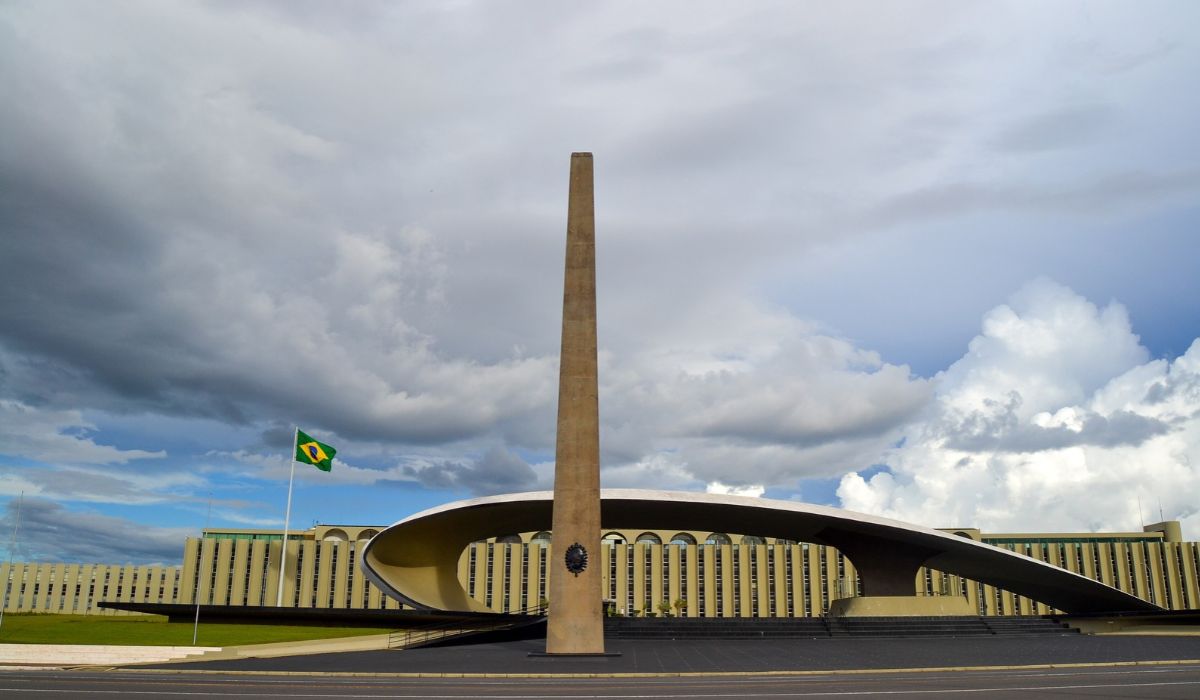
How can Cemig supply power to military bases thousands of miles away?
One detail often surprises people who are new to the free-market electricity market: hiring a company based in Minas Gerais does not mean receiving electricity through a dedicated grid built between the supplier and the consumer.
In practice, the power grid continues to operate as before. Military facilities remain connected to the existing distribution infrastructure in each location, while Cemig manages the commercial arrangements.
The arrangement separates two distinct activities. The local utility remains responsible for physically delivering the electricity and maintaining its grid, while the retail supplier negotiates the supply and monitors contractual obligations.
The Brazilian Electricity Trading Chamber (CCEE) is responsible for registering and accounting for transactions carried out in this market.
The model allows buyers to negotiate commercial terms, contract periods and the characteristics of the electricity they purchase, including electricity with renewable-origin attributes.
For an institution with consumer units in different regions, contracting through a retail supplier also makes it possible to centralize some energy management under a specialized organization.
That does not necessarily mean the final cost will be lower at every facility. Actual savings will depend on the terms of each contract, applicable charges and recorded consumption.
What does it mean to contract 100% renewable, traceable electricity?
Another important aspect of the agreement is the commercial guarantee of renewable origin. Cemig says the electricity contracted for the 160 consumer units will be 100% renewable and traceable.
But how can that origin be verified if electricity generated by different plants flows through the same transmission and distribution grids?
The answer lies in the certification and traceability mechanisms used by the power sector. They make it possible to document electricity generation from renewable sources such as hydropower plants, solar plants and wind farms.
These records do not mean that the electrons consumed at a military base came directly from a specific power plant. Brazil’s grid receives electricity from different sources, which is physically mixed in the system.
What can be traced are the attributes of the electricity traded, through commercial records and certificates linked to renewable generation.
Cemig itself offers instruments such as Cemig-REC and I-REC, which are used to verify renewable-origin attributes. The company, however, did not specify in its announcement which certification mechanism will be applied to each of the Army’s contracts.
This distinction is important because it helps clarify the role of energy procurement in the energy transition, without confusing it with the installation of solar panels, wind turbines or other equipment at military facilities.
Contract management and migration are part of the contracted services
In addition to selling electricity, the arrangement includes a range of specialized services to support the military facilities’ participation in the free-market electricity market.
Cemig will represent the consumers before the CCEE, support the migration process and oversee contract management.
Under the retail model, the supplier takes on sector obligations that, under other arrangements, would require consumers to participate more directly in the chamber’s activities.
For Sérgio Lopes, vice president of Energy Trading at Energia Livre Cemig, the contract demonstrates the company’s ability to serve large institutions by offering predictability, operational security and certified renewable electricity.
The inclusion of migration support also calls for a distinction: the contract was confirmed, but the announcement does not provide an individual timeline for completing the migration of the 160 facilities.
This means it cannot be said that all of them have completed the steps to transfer to the free-market electricity market or began receiving electricity under the new terms on exactly the same date.
The October announcement sets out the scope of the agreement and the services contracted. Cemig has not yet publicly disclosed additional information in the announcement about the total contract value, the units’ energy consumption, or the operation’s financial results.