Portuguese
  Spanish


Meet 5 Cars That Went Out of Production in Brazil in 2025, Among SUVs, Sedans, and Pickups. Understand the Reasons for Discontinuation.
The Brazilian automotive market witnessed the farewell of five iconic models in 2025, impacting both consumers and dealerships. Cars that went out of production: Jeep Compass Diesel, Renault Stepway, Fiat Toro Diesel, Toyota Yaris, Volkswagen Polo GTS, and Jaguar E-Pace and F-Pace were officially discontinued throughout the year. Cars that went out of production
The decision was driven by changes in manufacturers’ strategies, which prioritize electrification, modern SUVs, and cost reduction.
The discontinuation of these vehicles reflects a clear transition to a future with lower emissions and greater energy efficiency.
-
End of an era in Brazil: beloved sedan by Brazilians is discontinued despite having a 2.0 engine with 151 hp, CVT transmission, 466-liter trunk, and up to 650 km of range.

-
New Law Proposal in Brazil Could Heavily Penalize Drivers: Dangerous Overtaking May Become a Serious Offense with Fines Increased Tenfold and a 12-Month License Suspension; Update on 2026 Progress

-
Electric Revolution: Watts W125 Motorcycle Offers 160 km Range, 90 km/h Speed, and Affordable Price Starting at $3,000
-
General Motors Replaces Over a Thousand Workers with 50 Cobots at Electric Vehicle Plant, UAW Union Criticizes Move Amid Industry’s Automation Push



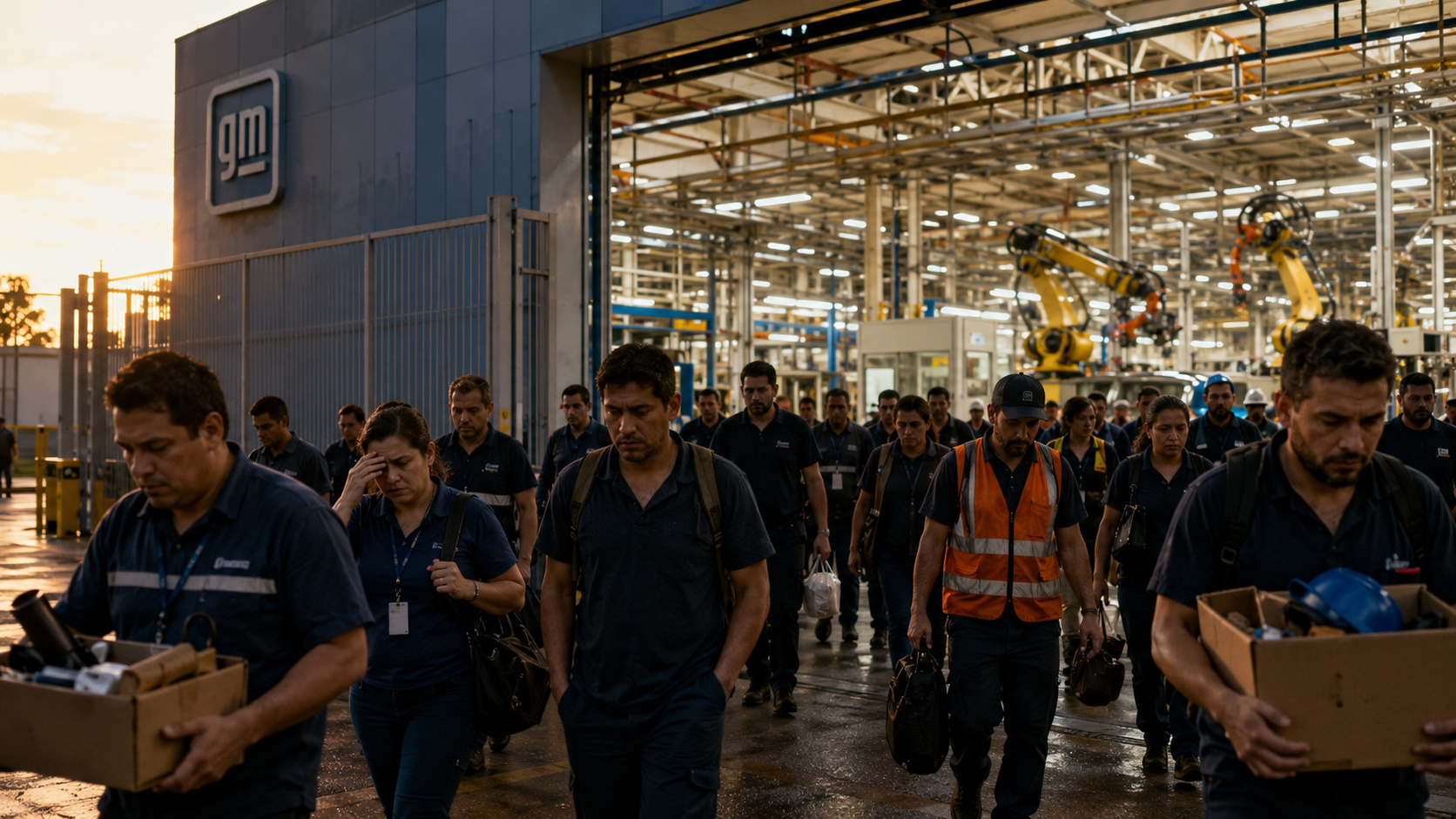
Why Did These Models Go Out of Production?
Manufacturers justified the withdrawal of these models mainly due to the growing demand for more sustainable options, electrification, and changes in consumer profiles.
The peak of compact SUVs and the decline of segments such as sedans and diesel versions led to a redesign of product ranges.
Additionally, the high maintenance costs of these vehicles, coupled with declining sales, reinforced the decision to cease production.
Jeep Compass Diesel — Farewell to the Old Reliable
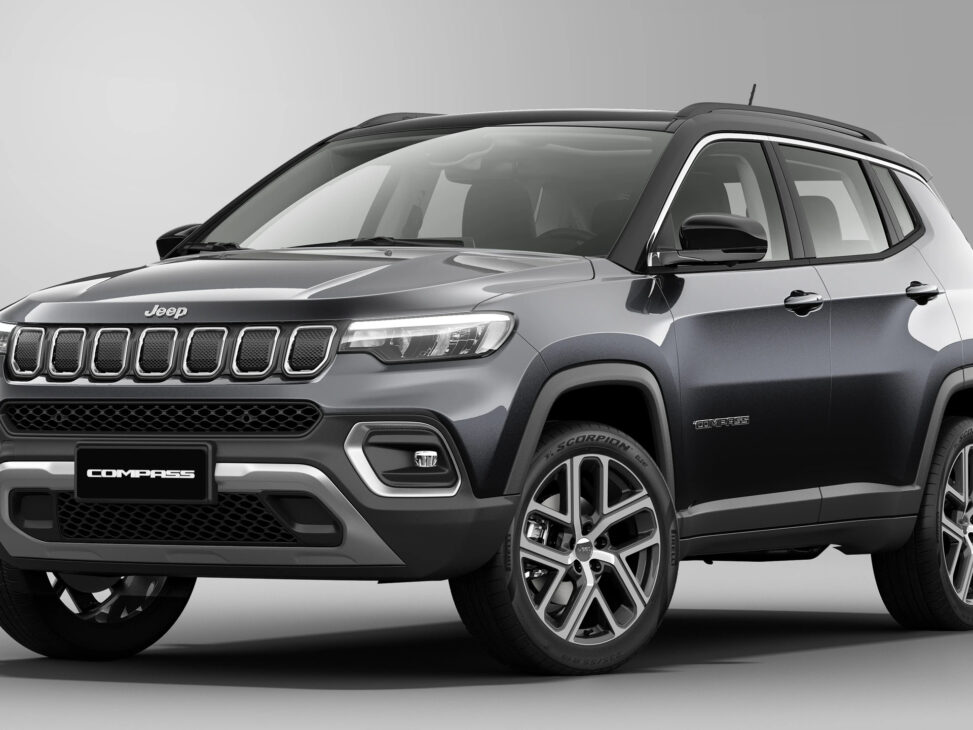
The Jeep Compass in its diesel version was very popular for its robustness. However, Stellantis decided to focus on hybrid and electric models, forgoing the established engine.
Sales ended in early 2025, with no immediate replacement version.
Renault Stepway Ends Production
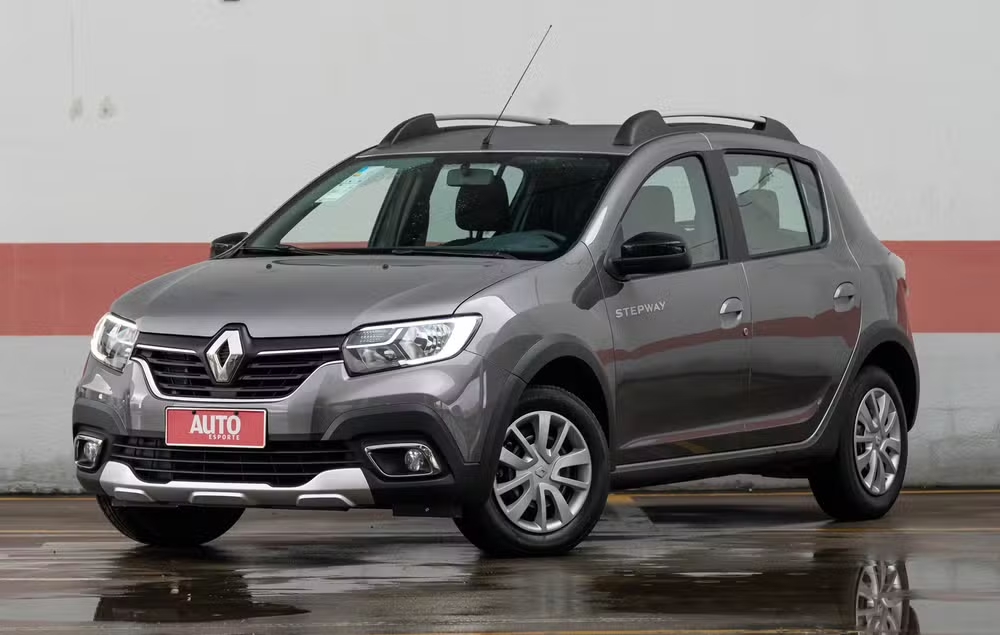
The Renault Stepway, known for its adventurous style and urban capability, has reached its end. With no defined successor, Renault plans to focus on a more modern entry-level SUV to fill its space in the market.
Toyota Yaris Says Goodbye to the National Catalog
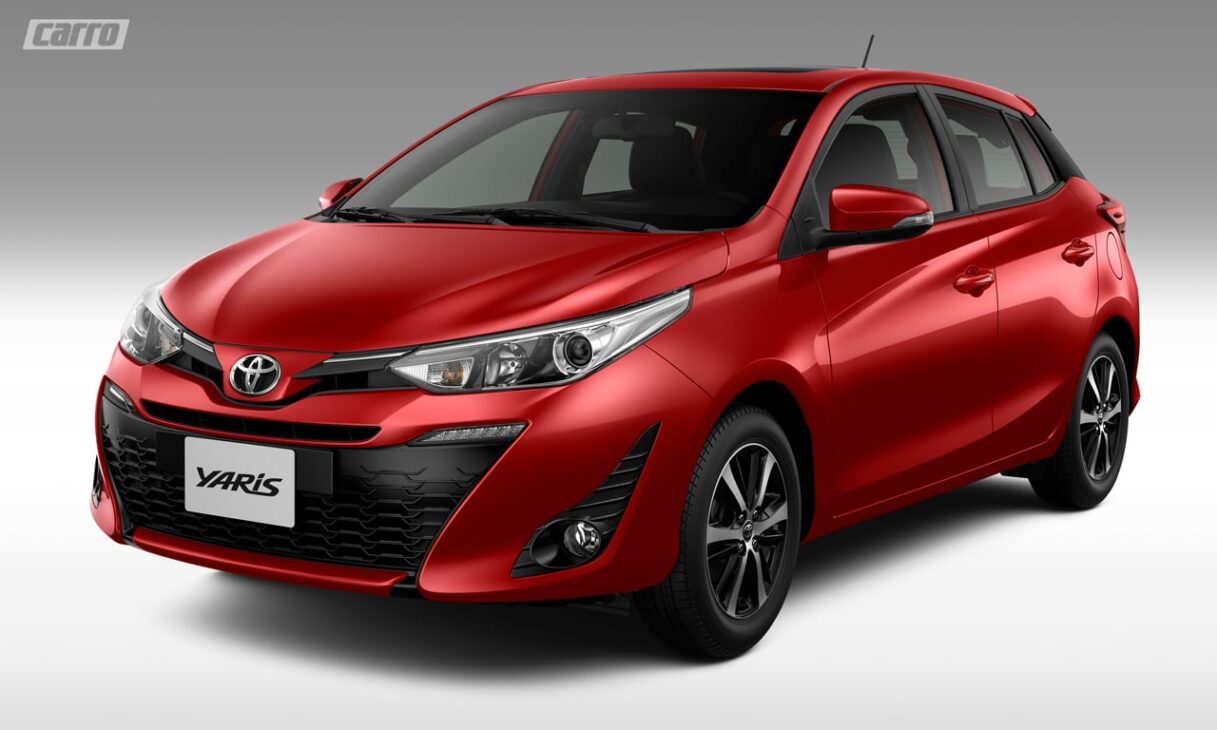
The compact Toyota Yaris did not meet the expected demand and ceased production in 2025.
The brand decided to continue focusing on compact SUVs, a clear preference of Brazilian consumers.
Volkswagen Polo GTS: Making Way for Nivus GTS
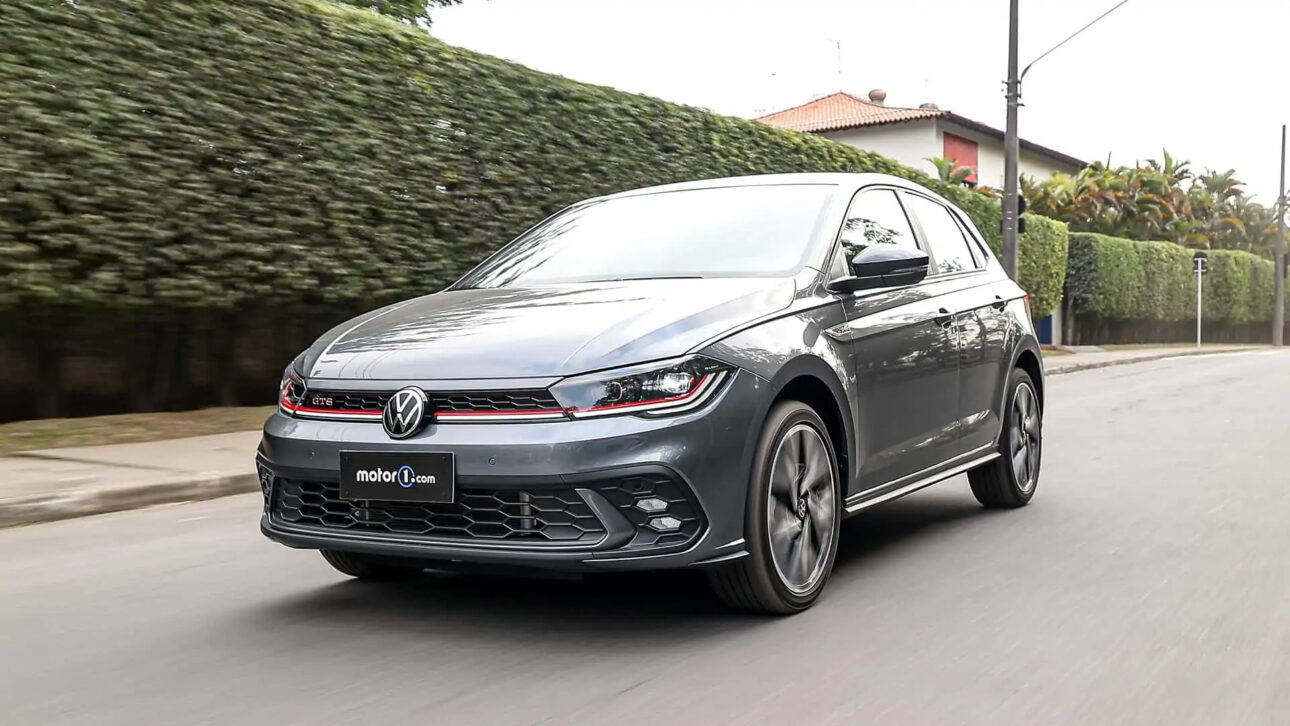
The sporty Polo GTS ended production in March 2025 and will be replaced by the Nivus GTS, a compact SUV with the same 1.4 TSI engine, reflecting the growing preference for SUVs in the national market.
Jaguar E-Pace Goes Out of Production with Global Rebranding of the Brand
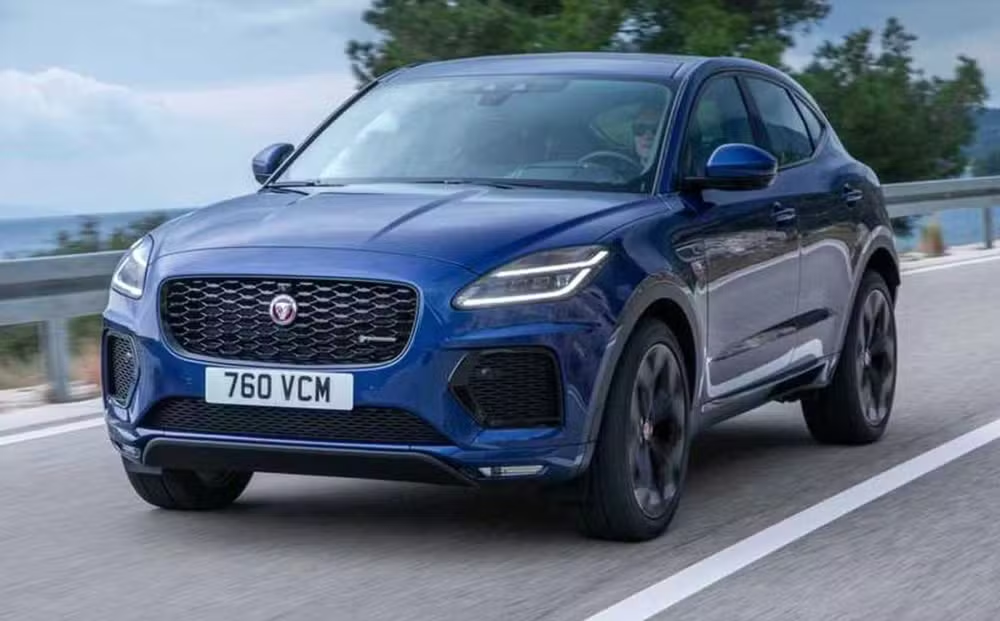
Among the cars that went out of production in Brazil in 2025, the Jaguar E-Pace drew attention for symbolizing the brand’s new phase.
This move is part of a daring rebranding of Jaguar, which now focuses on 100% electric cars to compete directly with prestigious names like Rolls-Royce and Bentley.
The E-Pace, the smallest SUV from the manufacturer, was equipped with a 2.0 turbo flex engine with 249 hp and a nine-speed automatic transmission, delivering good performance along with the brand’s characteristic luxury.
Jaguar F-Pace Leaves the Brazilian Market in Brand Restructuring
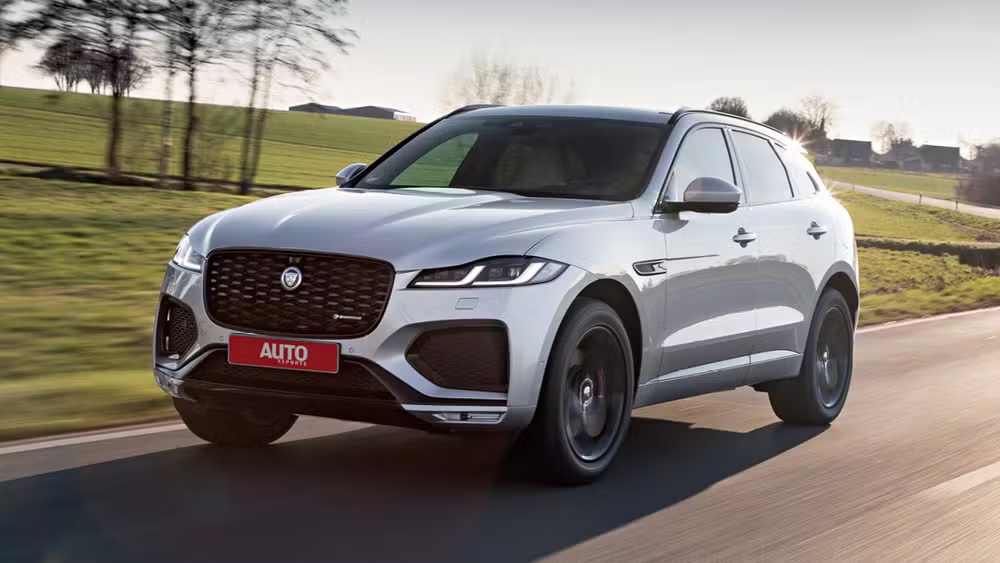
The Jaguar F-Pace is another among the cars that went out of production in Brazil in 2025, a direct result of the brand’s global restructuring. Although it still appears on the official website, its sale in the country is limited to a few remaining units in stock.
The model, a luxury mid-size SUV, stood out for its robust mechanical set: a 2.0 turbo gasoline engine paired with a plug-in hybrid system.
In total, it delivered 404 hp of power and impressive 65.3 kgfm of torque, combining sporty performance with energy efficiency.
What Does This Mean for Owners and Consumers?
For current owners of these models, the discontinuation may make it difficult to purchase parts or maintenance in the future.
However, it can also be an opportunity for resale at a good value before the market becomes restricted.
For those looking for a new car, this movement signals what is to come: hybrid SUVs, electric vehicles, and more advanced technologies will become the norm.
The end of cars that went out of production in Brazil in 2025 represents a milestone in the evolution of the automotive sector.
Admired models are making way for more modern, sustainable, and technologically advanced vehicles — reflecting the transformation the market is experiencing.