Portuguese
 Spanish


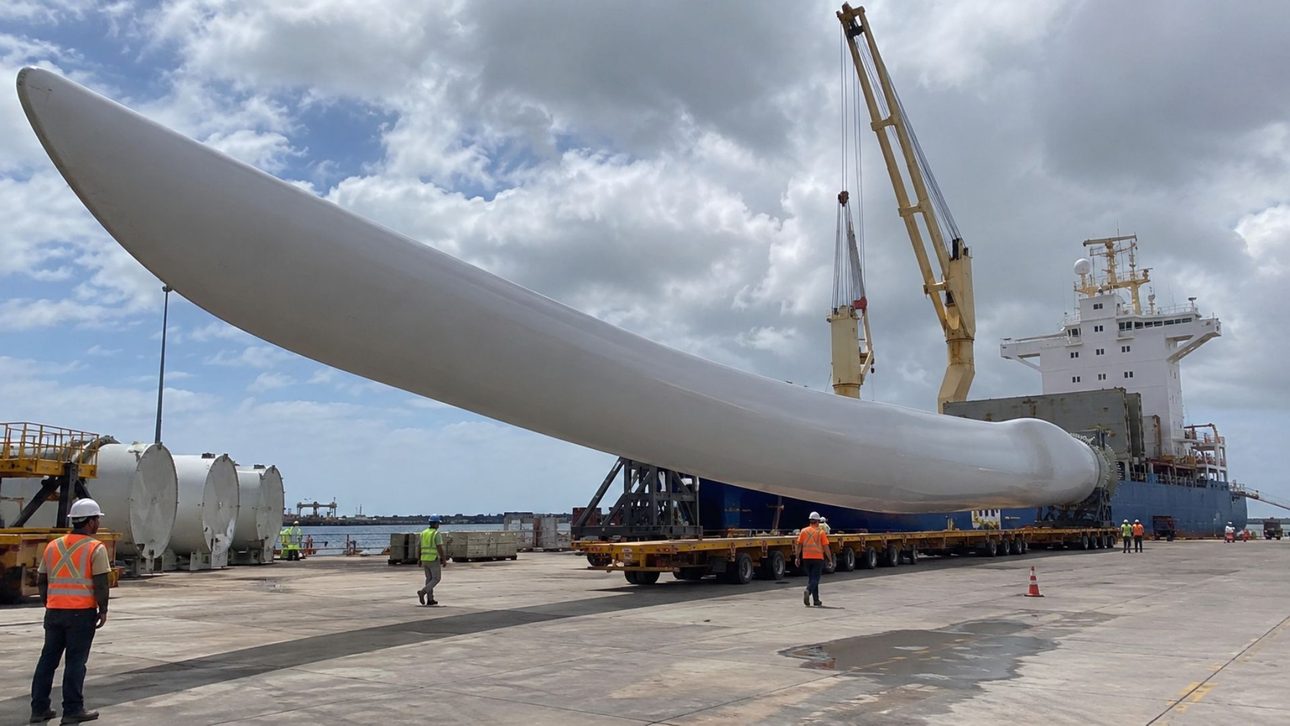

The operation handled about 370 components and nearly 5,000 metric tons; 15 of the 21 blades transported are destined for five Ibiapaba turbines, while the other six are headed to different projects. The arrival is part of a series of five large-scale operations.
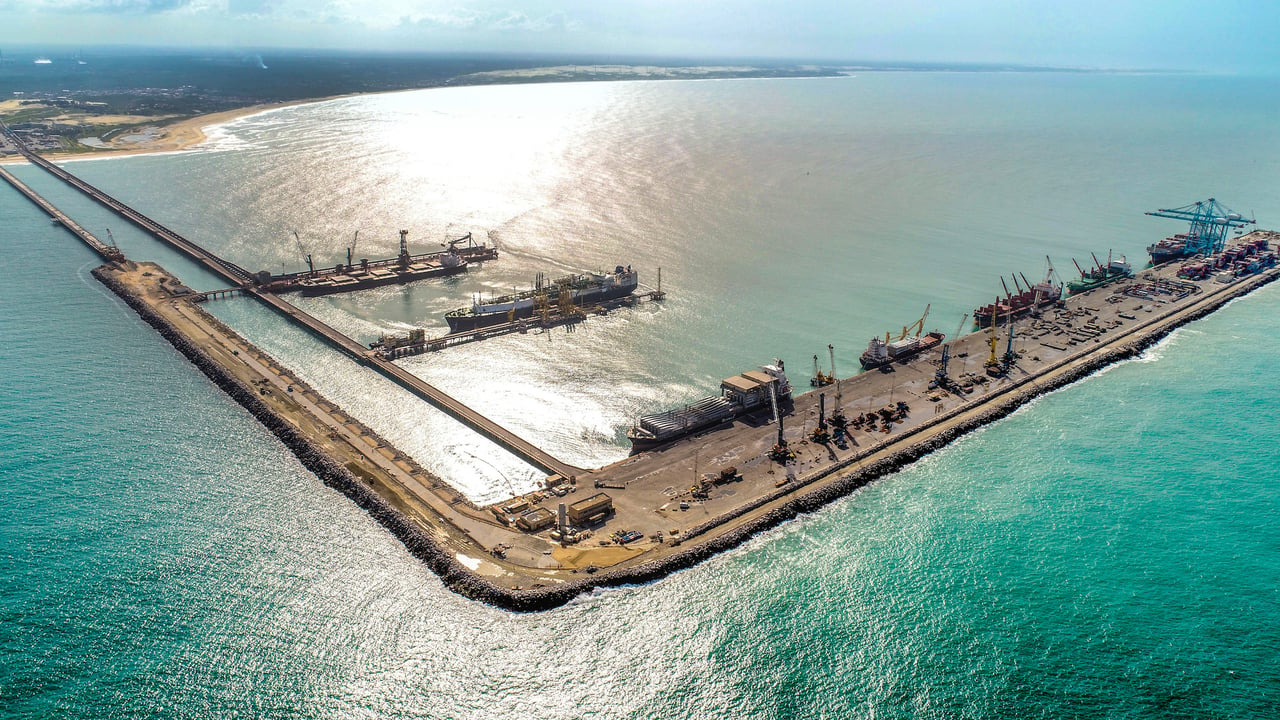
The Port of Pecém, in Ceará, received a shipment of wind power components destined for Casa dos Ventos’ Ibiapaba complex. The cargo includes components for five turbines and is part of a larger operation that also brought equipment for other projects in the state.
The Pecém Complex said Thursday (19) that the operation involved about 370 components and nearly 5,000 metric tons of equipment. The items include 15 blades measuring 89.5 meters for the five Ibiapaba turbines.
-
Clean energy expansion displaced 31,300 hectares of native Caatinga vegetation: solar and wind farms account for 79% of land converted nationwide, MapBiomas finds

-
Nearly 2.1 million Indian households have received at least one zero electricity bill after installing rooftop solar, as subsidy program targets 10 million homes

-
Ceará’s R$71.7 billion green hydrogen projects remain in limbo as India advances with a $3.6 billion ammonia factory slated for 2029
-
After eight years of growth, global solar installations may fall in 2026 as China reports nearly 55% fewer new installations in the first nine months



Cargo also serves other projects
The vessel carried six additional wind turbine blades for other projects. That brings the total number of blades in the shipment to 21, but only 15 are for the five turbines linked to the Ibiapaba complex, a distinction needed to avoid attributing the entire unloading operation to the same project.
The 15 blades for five turbines correspond to the blade sets for those five machines. That does not, however, mean the nearly 5,000 metric tons can be divided evenly among them, because the volume reported by the port covers hundreds of components and pieces of equipment in the full operation.
The same caution applies to the roughly 370 components handled. That figure refers to the shipment as a whole and should not be presented as though every item were destined for the Ibiapaba complex.
The 89.5-meter blades require specific planning from unloading through departure from the port. Their length affects the choice of handling equipment, the routes used for ground transport, and the safety procedures applied when moving industrial components of this size.
The terminal is only one stage in this logistics chain. After port handling, the components still need to be transported to the installation areas, where they will be used to assemble the wind turbines planned for the project.
Ibiapaba plans 75 turbines
The operation reported by the port is the first of five large-scale operations planned. The information does not detail the cargo for each of the subsequent stages or indicate that all cargo in those operations will be destined exclusively for Ibiapaba.
The project plans to install 75 wind turbines in total. The arrival of components for five machines accounts for only part of that total and does not mean the remaining units are already at the port, in transit, or assembled at the project site.
There is also no indication that the complex is generating electricity from this first shipment. Unloading the components comes before the additional transportation and assembly stages required before the wind turbines can begin operating.


In a wind turbine, the blades capture wind energy and turn the rotor. This motion is part of the process of converting wind energy into electricity, but power generation depends on the wind turbine as a whole and on the conditions required for it to operate.
Blade size alone does not determine the final capacity of each turbine or the wind farm. Capacity depends on the characteristics of the machines actually installed and on the permits required for the project.
Sources consulted for the project give different figures for its planned total capacity. Because this discrepancy remains unresolved, the figure should not be treated as a single, definitive capacity based solely on the arrival of this first shipment of components.
The physical detail provided for the project is a plan to install 75 wind turbines, while the shipment handled at Pecém consists of components for five of them. This distinction helps put the deliveries in perspective without conflating the initial arrival of equipment with completion of the installation.
Transport continues after port handling
Logistics between the port and the assembly areas will shape the installation sequence. Components nearly 90 meters long require compatible handling equipment, suitable road routes and safety procedures before they can reach the installation site.
Planning must account for a shipment comprising hundreds of pieces and nearly 5,000 metric tons of equipment. It must also take into account that some of the unloaded material is bound for other projects, requiring components to be sorted correctly according to their respective destinations.
The six additional blades are part of the total volume handled at Pecém, but are not included in the set of components for the five wind turbines bound for Ibiapaba. This distinction preserves the difference between the volume handled by the port and the portion actually associated with the Casa dos Ventos project.
The pace of future deliveries and assembly will depend on the project schedule and logistics between the port and the installation areas. The announcement records a sequence of five large-scale operations, without providing a detailed schedule for the four subsequent port handling operations.