





 Portuguese
 Spanish


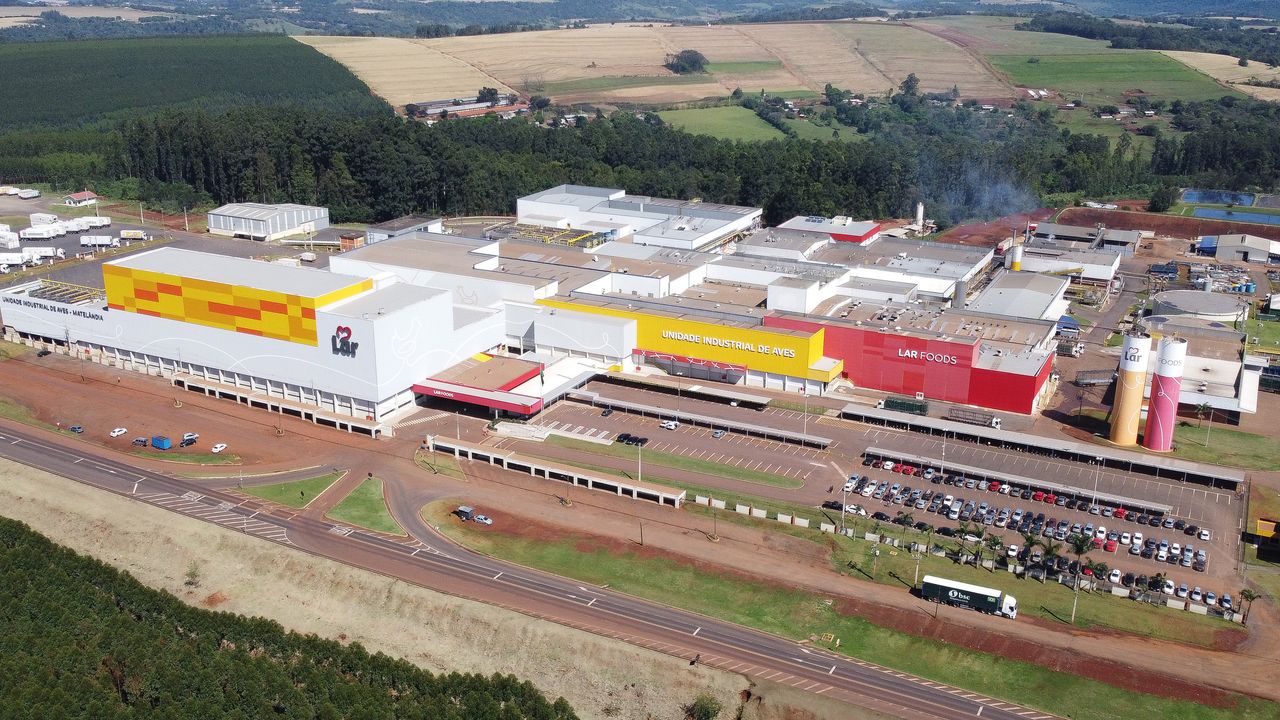

Lar Cooperative and its contract farmers plan more than R$1.3 billion for poultry, pigs and fish in Paraná. Laranjeiras do Sul is the site of a major piglet project, and Missal will get a R$100 million processing plant.
Lar Cooperativa Agroindustrial and its contract farmers plan to invest more than R$1.3 billion in expanding poultry, pig and fish operations in Paraná, a major agribusiness state in southern Brazil. The package of projects was presented to the state government on November 12 and spans municipalities in the state’s interior, with new production facilities, construction underway and hundreds of jobs expected.
The largest investments are tied to pig farming in Laranjeiras do Sul, where the cooperative plans a complex capable of producing more than 900,000 piglets a year. In fish farming, Missal is set to receive a plant costing R$100 million in its first phase, with planned capacity to process up to 90,000 fish a day after successive expansions.
Laranjeiras do Sul project for pig farming tops R$500 million
Lar’s largest announced investment is the construction of two weaned-piglet production units in Laranjeiras do Sul, in Paraná’s south-central region. The cooperative plans to invest more than R$500 million in the facilities, which are designed to house 31,600 breeding sows and produce more than 900,000 piglets a year.
-
Atlas considers R$40 billion data center project in Uberaba, requiring federal approval amid water usage debate

-
Copel allocates R$21.1 billion to transform Paraná’s electric grid by 2030, prioritizes R$14.1 billion for distribution and enhances two hydroelectric plants to boost energy output

-
Bistek leases former Carrefour building in Novo Hamburgo and two former Nacional stores in Porto Alegre, all properties owned by Josapar

-
Brazil Cost reaches R$3.5 trillion a year, or 27.5% of GDP, with infrastructure, hiring and interest costs the biggest burdens
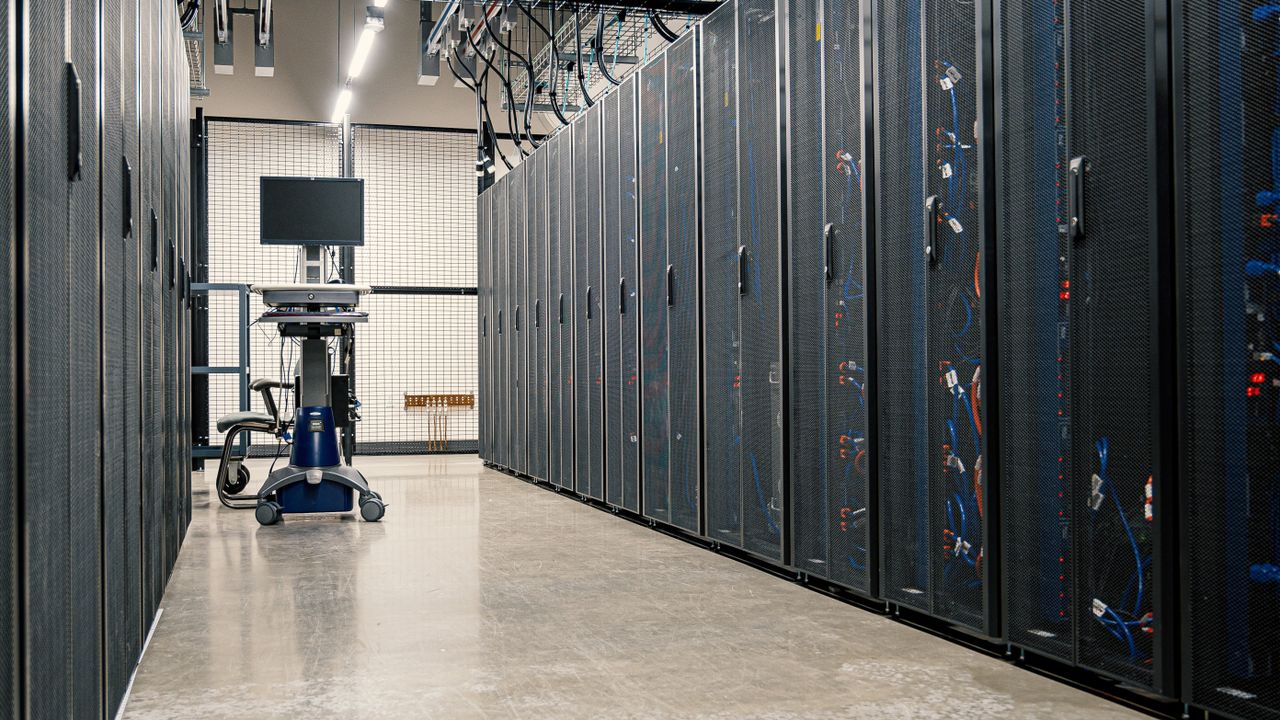


The project extends beyond the central facilities. Contract farmers plan to invest another R$350.4 million to build 21 nursery barns and 300 pig-finishing units. These facilities will receive the animals at later stages of production, linking the cooperative’s farms with rural properties that will handle part of the operation.
The complex will occupy 276 hectares. The Paraná state government said the land acquisition received R$31.5 million, including R$29.9 million from the state and R$1.5 million from the municipality. The figures show that the project involves funding from the cooperative and its contract farmers, as well as public participation in making the land available.
The facilities are still part of an expansion plan. The target of 900,000 piglets is for when the complex is fully operational, not a production level already reached by the new Laranjeiras do Sul facilities.
Rio Bom, Diamante D’Oeste and São José das Palmeiras account for R$350 million
Another group of investments announced by Lar involves three Paraná municipalities. São José das Palmeiras and Rio Bom will receive poultry facilities, while Diamante D’Oeste will get a new unit for producing piglets.
Together, these projects represent about R$350 million and are expected to generate more than 280 direct jobs, according to the presentation released by the state government. The total also includes the second phase of the São José das Palmeiras project, so those jobs should not be counted again as though that expansion were a separate project.
In smaller cities, the projects could also support services for construction sites, transportation, maintenance and local businesses. The scale of these opportunities will depend on the construction schedule and actual hiring.
São José das Palmeiras is building a R$155 million poultry-rearing facility
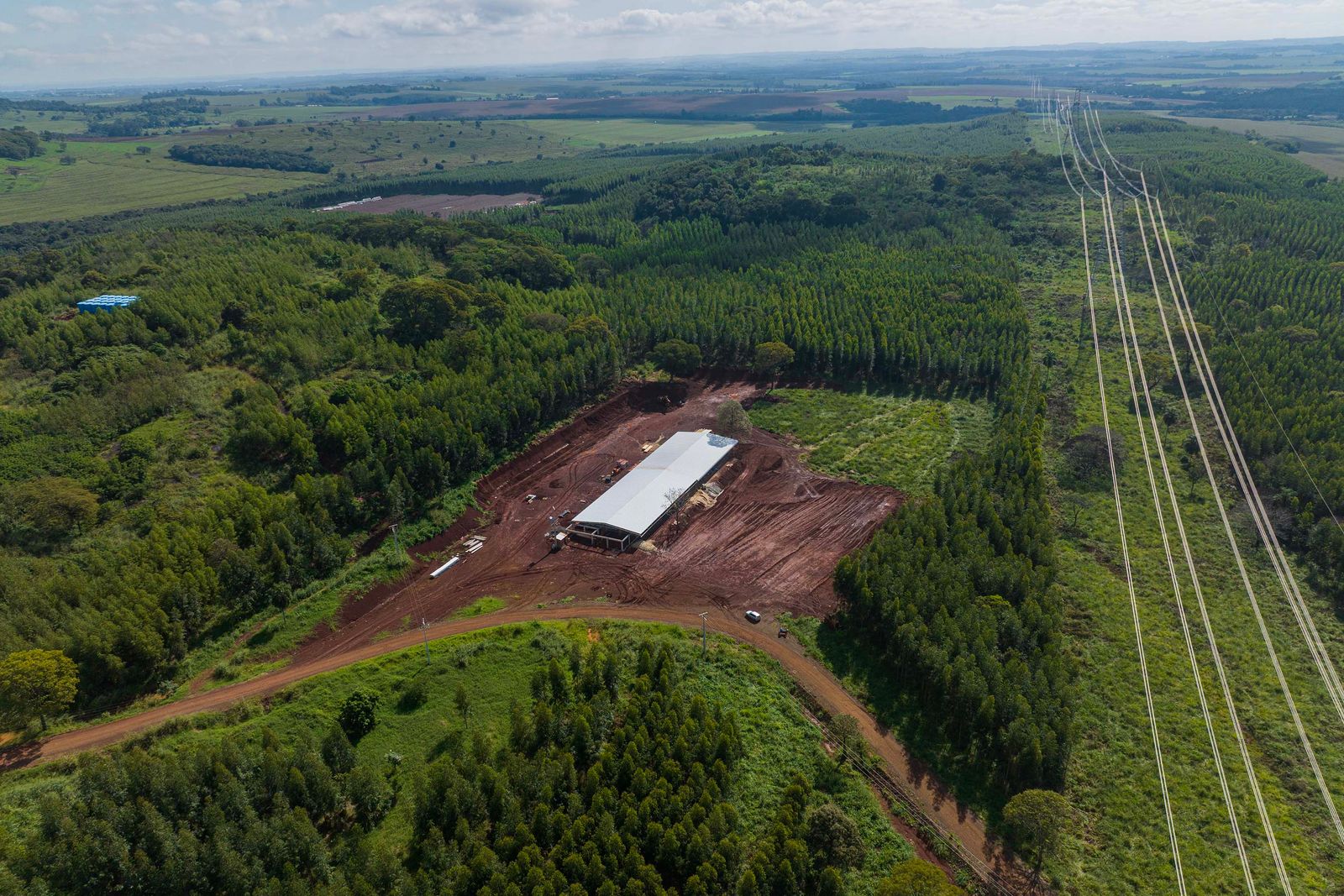
In São José das Palmeiras, in western Paraná, the expansion is divided into two phases. The first calls for R$85 million, is underway and includes three pullet-rearing centers, with completion scheduled for March 2027. The facilities will be able to rear 780,000 breeding birds a year and are expected to generate more than 100 direct jobs.
A second phase, already approved by the cooperative, calls for another R$70 million, two additional centers and capacity for 520,000 more breeding birds a year, with construction scheduled to begin in 2028. Once the entire project is complete, its planned capacity will reach 1.3 million reared birds a year.
The facility received a visit from the state government in May 2026, when some of its facilities had already begun operating. The project’s stage of completion helps distinguish this expansion, which is partially underway, from other projects in the package that are still in preparation.
Missal to get a fish-processing plant with R$ 100 million investment and 250 jobs by 2030
In the fish-farming sector, Lar plans to build a fish-processing plant in Missal, a municipality in western Paraná with ties to the cooperative’s origins. The announced initial investment is R$ 100 million, with operations expected to begin in October 2028.
A statement issued by Lar in September said the new plant is expected to have 10,800 square meters of built-up area. The schedule presented at the time called for site grading to begin in September 2026 and construction work to start in March 2027, with both milestones dependent on actual execution.
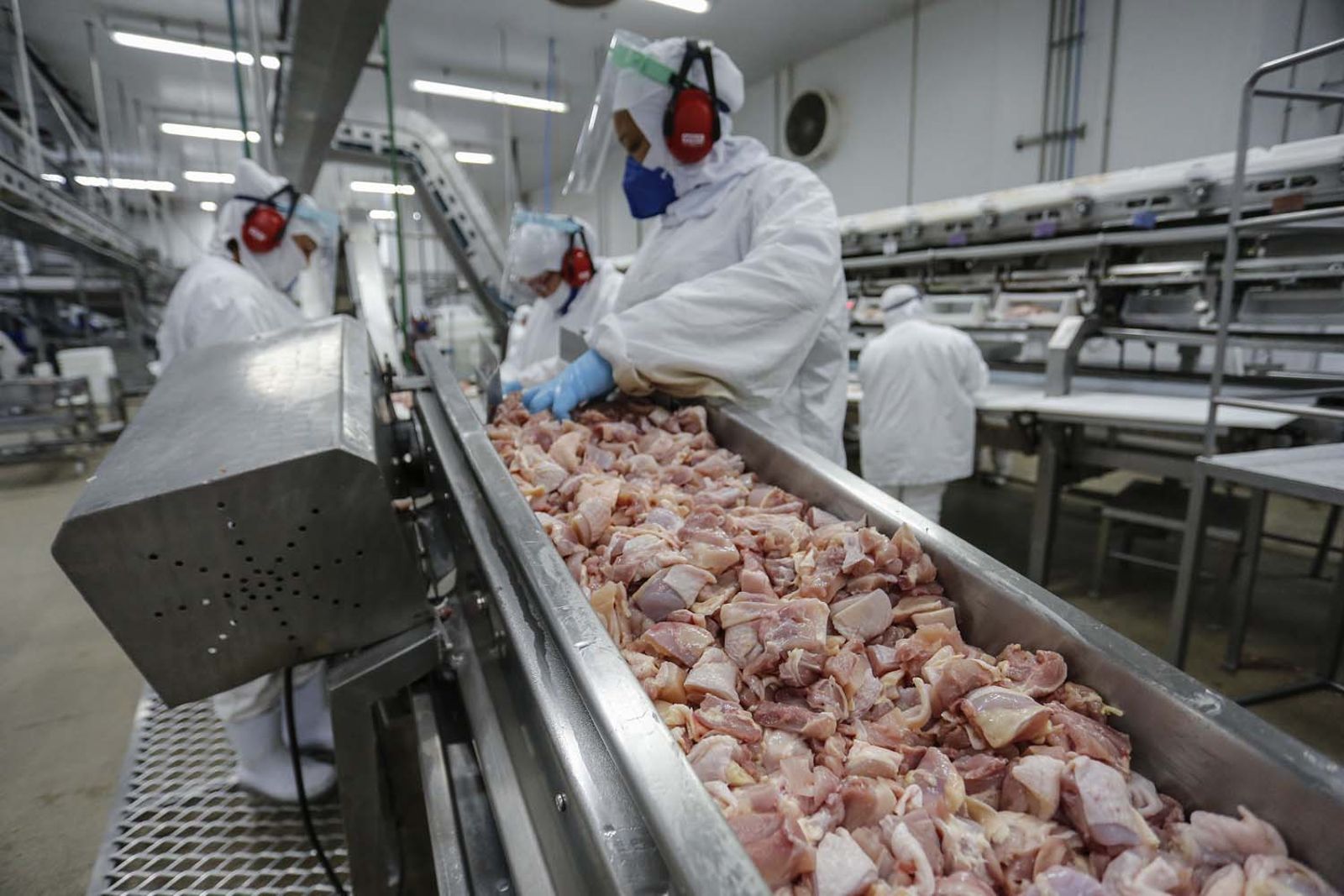
Processing capacity would start at about 35,000 fish per day and increase gradually to 90,000 per day in 2031. The job target is also phased: 120 direct jobs when the plant is scheduled to open in 2028 and 250 by 2030. The maximum capacity cited in the state announcement therefore will not be available on the first day of operations.
Lar’s leadership linked the choice of Missal to the fish-farming potential around Lake Itaipu, the presence of local farmers and the cooperative’s longstanding ties to the municipality.
Cooperative also expands fish production in São Miguel do Iguaçu
Missal is not the only part of the fish strategy. Lar already operates a fish-processing plant in São Miguel do Iguaçu and has announced an investment of R$ 18 million to optimize its second processing shift.
The company’s plans call for the existing plant to reach capacity of 40,000 fish per day by the end of 2027 and 50,000 by the end of 2028. The expansion would add 165 employees, 30 contract farmers and 44 hectares of additional water surface area.
These figures are specific targets for the São Miguel do Iguaçu operation and do not represent the capacity of the plant planned for Missal. The distinction matters because the two facilities have separate schedules and structures.
Rota do Progresso program steered projects to smaller municipalities
The choice of some municipalities is tied to Rota do Progresso, a state program targeting 80 cities with lower income indicators. The government says the initiative brings together R$ 2.5 billion in investments to encourage business and job creation across different regions.
Lar CEO Irineo da Costa Rodrigues said the program helped make projects the cooperative was already considering more attractive, particularly through financial and tax terms. The R$2.5 billion cited by the state government refers to the program as a whole, not to a transfer of that amount to Lar.
In towns where rural activities are concentrated, the arrival of industrial facilities can change demand for transportation, energy, workforce training and suppliers. Installing new equipment will also depend on infrastructure and on investment decisions by producers in the supply chain.
Lar generated R$23.2 billion in revenue and exports to 103 countries
Founded in 1964 and headquartered in Medianeira, Lar has 18,256 members and 27,636 employees, according to figures released by the state government in November. In 2025, it reported revenue of R$23.2 billion and earnings of R$983 million.
The cooperative operates 18 industrial facilities producing chicken, pork and fish proteins. Its products reach 103 countries, with exports shipped through 168 ports. The announced expansion is intended to strengthen an agribusiness supply chain that already serves markets in Brazil and abroad.
The impact of the R$1.3 billion, therefore, depends on the combined investments of different parties and on projects moving through stages that will not begin at the same time. Some facilities are under construction, others are in preparation, and projections extend into the early part of the next decade.
Jobs and new facilities will depend on progress at each construction site
The next concrete milestones are completion of the first phase of pullet rearing in São José das Palmeiras, scheduled for March 2027, and progress on the fish plant project in Missal, which is set to open in October 2028. Laranjeiras do Sul accounts for the largest investment in swine production, which still depends on the stages of implementation.
For the municipalities involved, results can be measured by the number of facilities completed, actual production and jobs actually created. Until then, the figure of more than R$1.3 billion represents the scale of Lar’s plan and that of its integrated producers, not the amount already invested.


