





 Portuguese
  English
  Spanish
  3 min of reading


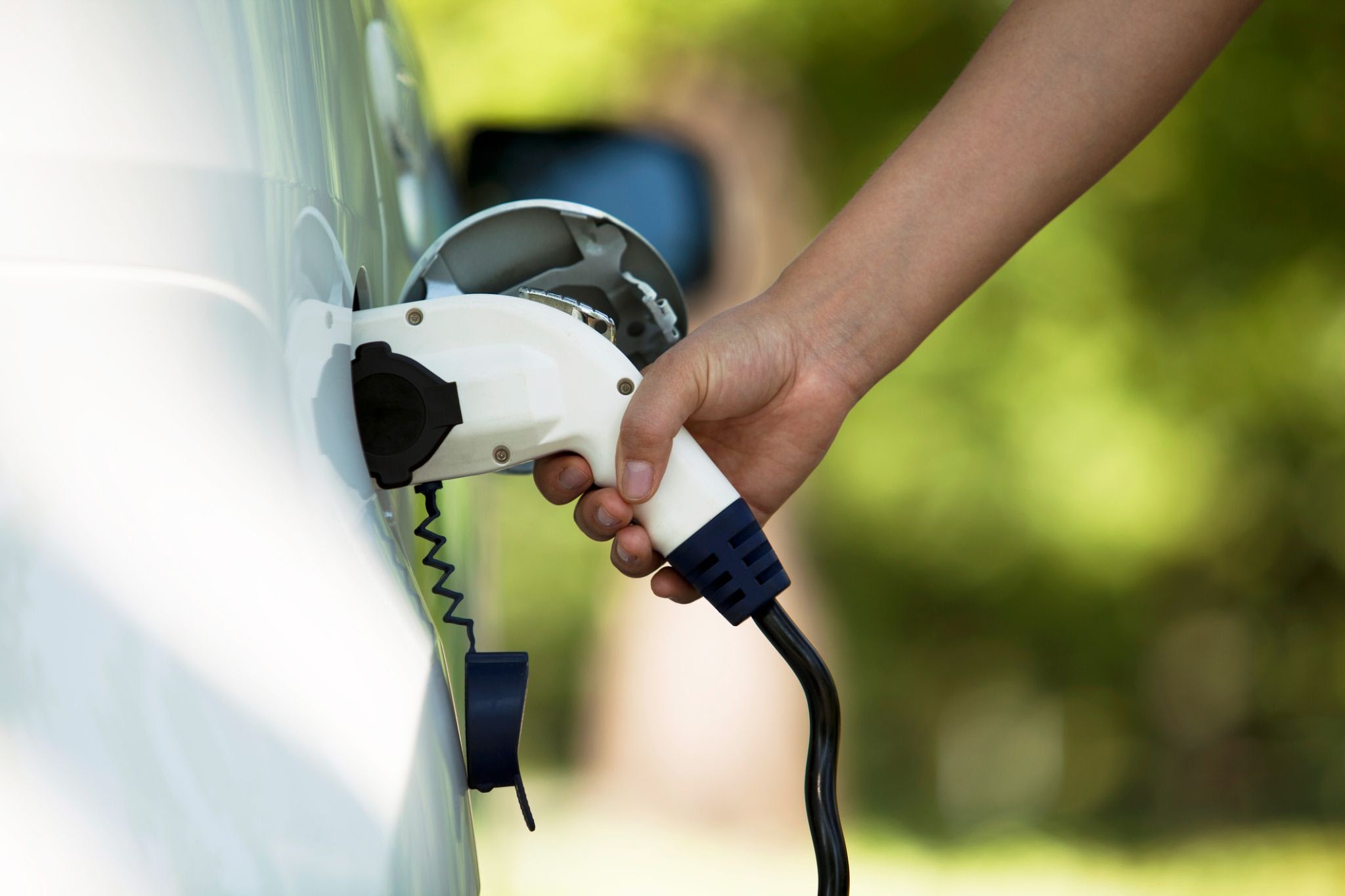
The Arrival of Electric Cars in Brazil: Non-Polluting Vehicles Are the Future of Global Transportation
Everything indicates that the future of the automotive industry is, without a doubt, the development of a car that pollutes less the environment but is economical, versatile, and, above all, affordable. However, it seems that this future is already near: most of these requirements have already been met by electric cars in Brazil, which brings us one step closer to the goal.
Read Also
Although the trend of electric cars is much more viable abroad, especially due to the environment’s structure to accommodate them, the incentives that Brazil has been developing to increase the fleet of electric vehicles in the country are growing. Inspired by other nations, the incentives aim to facilitate the purchase and maintenance of automobiles, and there are increasingly more places prepared for battery recharging. Interestingly, the encouragement of electric cars in Brazil comes at an opportune moment, both due to the growing debate about carbon footprint and the rising cost of fuel.
-
PRF drones are already fining drivers on federal highways across Brazil, and intelligent monitoring can identify infractions such as using the shoulder, using a cell phone while driving, and not wearing a seatbelt without the need for direct intervention, using authorized video monitoring and specialized technical operation.

-
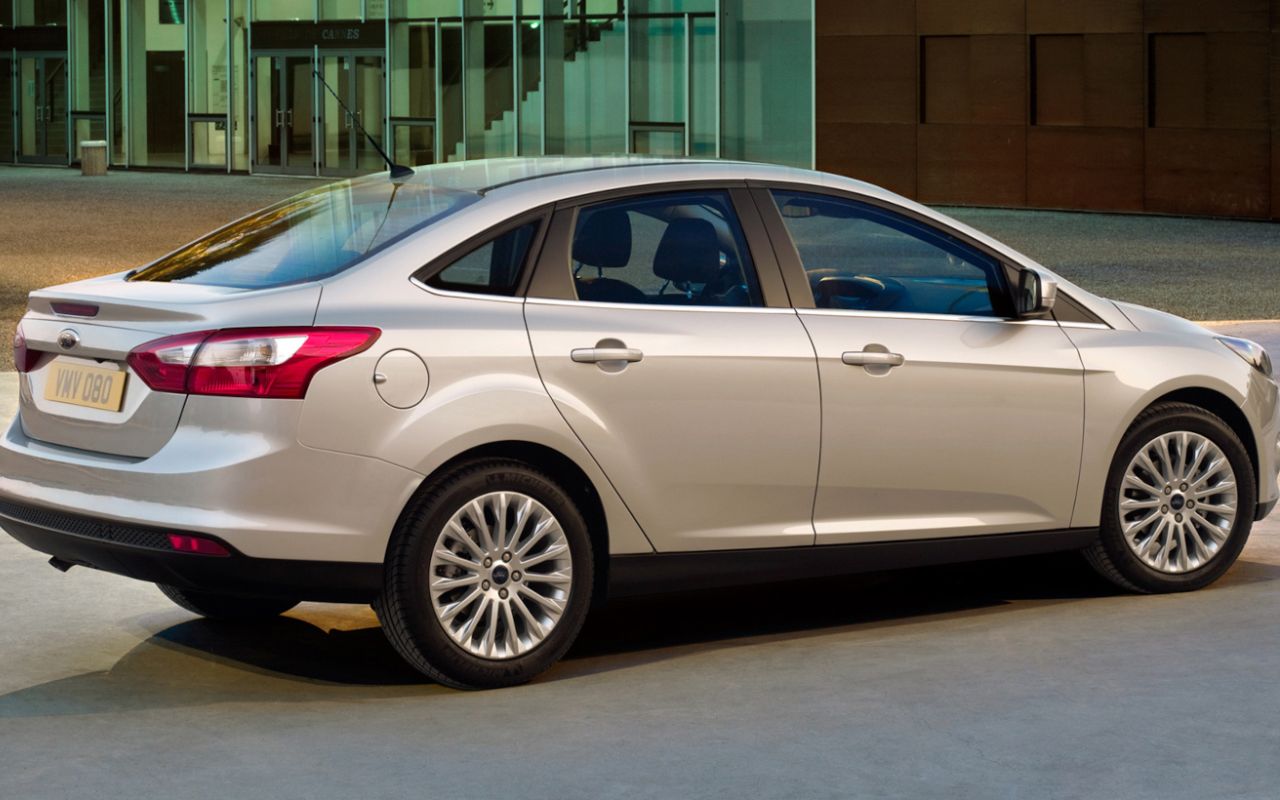
They catch the eye, but be careful! Some used cars can cause a lot of headaches.
-
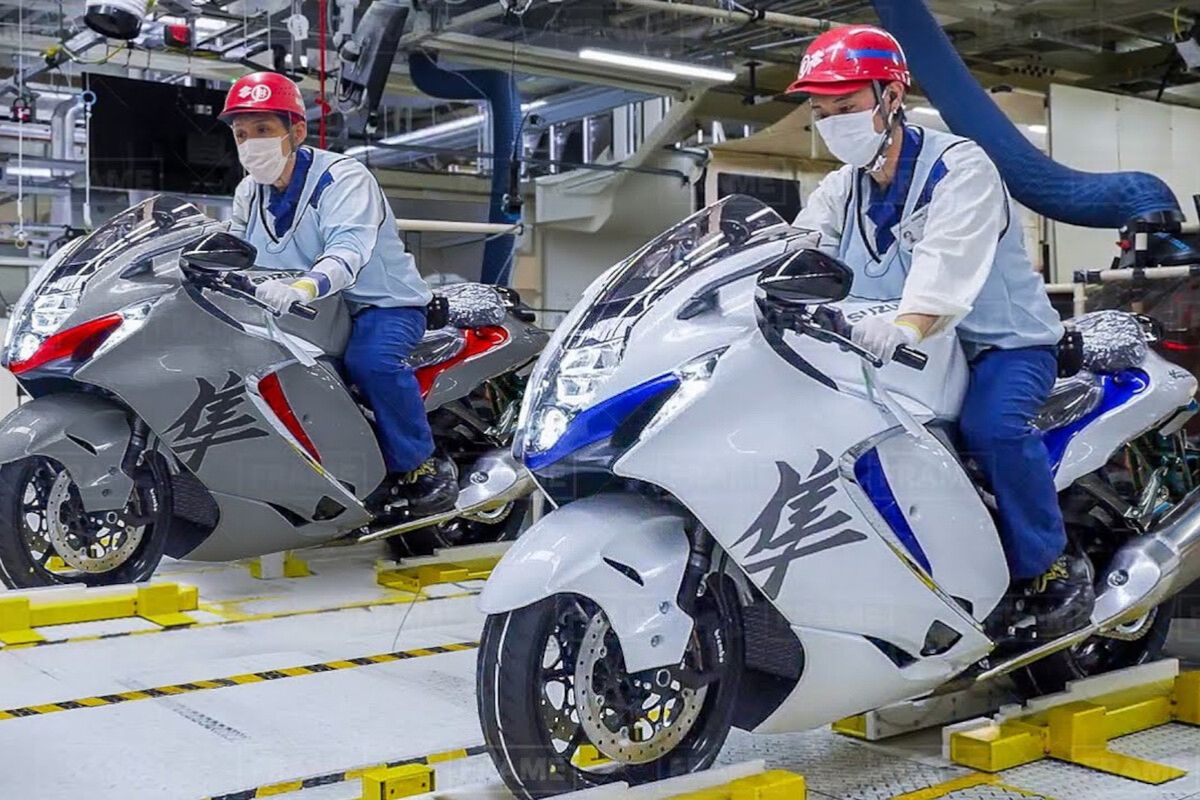
While China accelerates with automated factories, Japan assembles the Suzuki Hayabusa almost by hand, piece by piece, with zero tolerance and strict quality control, unit after unit.
-
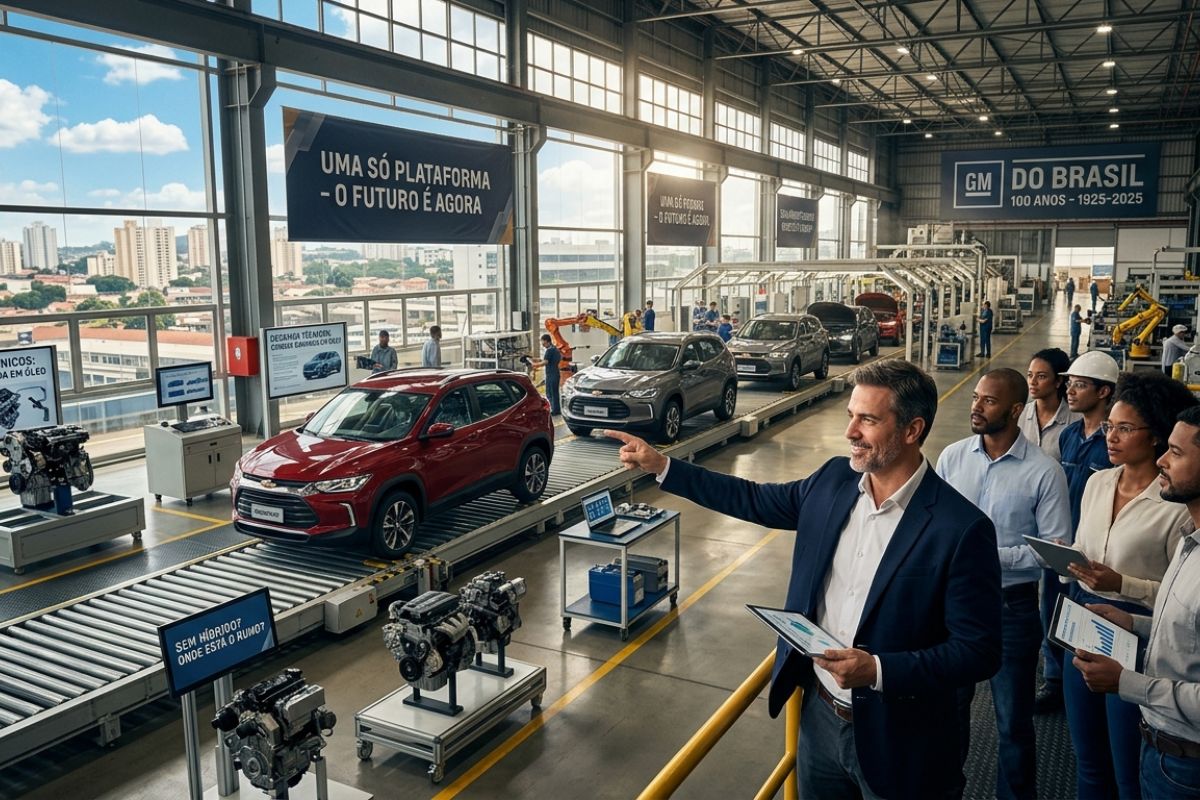
GM celebrates 100 years in Brazil, changes president, and faces a tough mission: relies on a single platform, struggles with oil-soaked belts, launches the Sonic SUV, but still lacks a hybrid and direction.
Electric Cars in Brazil: An Innovation for the Environment That Arrives Late in Brazil
While electric cars are a novelty here, abroad, the reality is much more focused on sustainable vehicles. Norway, for example, has been encouraging the use of electric cars since the 1990s and aims to have 100% of its fleet converted by 2025.
To promote the use of this alternative, the country has been applying tax benefits for drivers who own an electric car or motorcycle, such as exemption from toll fees, freedom to drive in exclusive bus lanes, free parking, and tax deductions when purchasing a new electric vehicle.
In this way, the Scandinavian country has become number one in the world in the use of green energy cars, with over 50% of new registrations in 2020.
How Will the Replacement of Combustion Cars by Electric Cars Happen in Brazil?
Here, the replacement of traditional vehicles by electric cars is a massive task. This happens both due to the country’s economic situation and the production and use of fuel – as seen with ethanol. However, through tax incentives, it is already possible to see green energy vehicles more frequently on Brazilian streets.
What is observed in the market is that, today, the share of electric and hybrid cars in sales does not exceed 2% for the light vehicle segment, such as pickups and SUVs. However, the estimate is that by 2030, they will represent between 12% and 22% of registrations, given their ecological and economic advantages.
To encourage the purchase of these vehicles here, the government has already released other measures, such as exemption from import tax, the lifting of restrictions in circulation zones, and total exemption from IPVA – all of which are strong attractions. However, the high selling price is still a barrier to be overcome – fortunately, advancements in industrial processes and the application of new technologies have helped to lower the cost of electric vehicles.
Regarding market penetration in Brazil, some regions are more advanced in the race to transform their vehicle fleet. The archipelago of Fernando de Noronha, for example, will be the first territory in the country to ban cars with combustion engines. By 2030, the Pernambuco government aims to prevent the circulation of vehicles powered by ethanol, gasoline, or diesel in the area – all to help preserve the environment and curb the damage caused by atmospheric pollution.
More locally, many Brazilian cities have also introduced used electric cars in dealerships and rental companies as a way to introduce them into people’s daily lives.
Credits: Flavia da Conversion









Seja o primeiro a reagir!