Portuguese
 Spanish



At a debate with Brazil’s securities regulator in Rio, industry representatives discussed a proposal to let farmers and cooperatives raise investment through digital platforms. For 2026, Cepea estimates a smaller share of the economy for agribusiness.
On Friday, Nov. 27, National Agriculture Society (SNA) President Antonio Alvarenga called for the organization to prioritize training medium- and large-scale producers to use financial market instruments. He made the remarks at a meeting at the organization’s headquarters in downtown Rio de Janeiro, attended by Brazil’s Securities and Exchange Commission (CVM) and the National Bank for Economic and Social Development (BNDES).
Alvarenga pointed to a gap between the sector’s economic weight and its presence in financing instruments offered to investors. The 2% to 2.5% range was cited by the SNA president and repeated in the CVM’s official statement, which did not specify the metric used to calculate it. The statement does not establish that agribusiness receives only that share of all credit available in the country.

The 25% figure is for 2025; the 2026 estimate is 22.8%
Figures from the Center for Advanced Studies in Applied Economics (Cepea) at the University of São Paulo’s Luiz de Queiroz College of Agriculture (Esalq/USP), in partnership with the Brazilian Confederation of Agriculture and Livestock (CNA), help put the statement in context. In 2025, agribusiness GDP reached R$3.20 trillion, equivalent to 25.13% of Brazil’s economy. That was 12.20% above the 2024 figure.
-

-

-

-
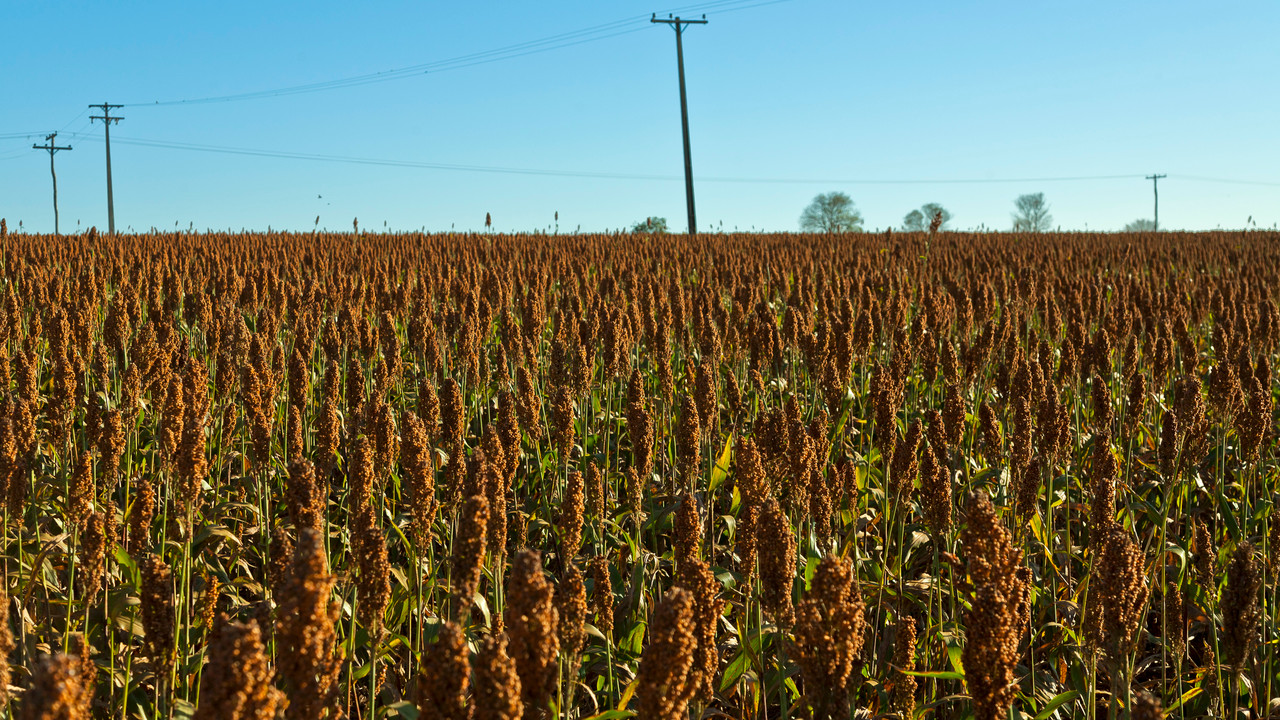
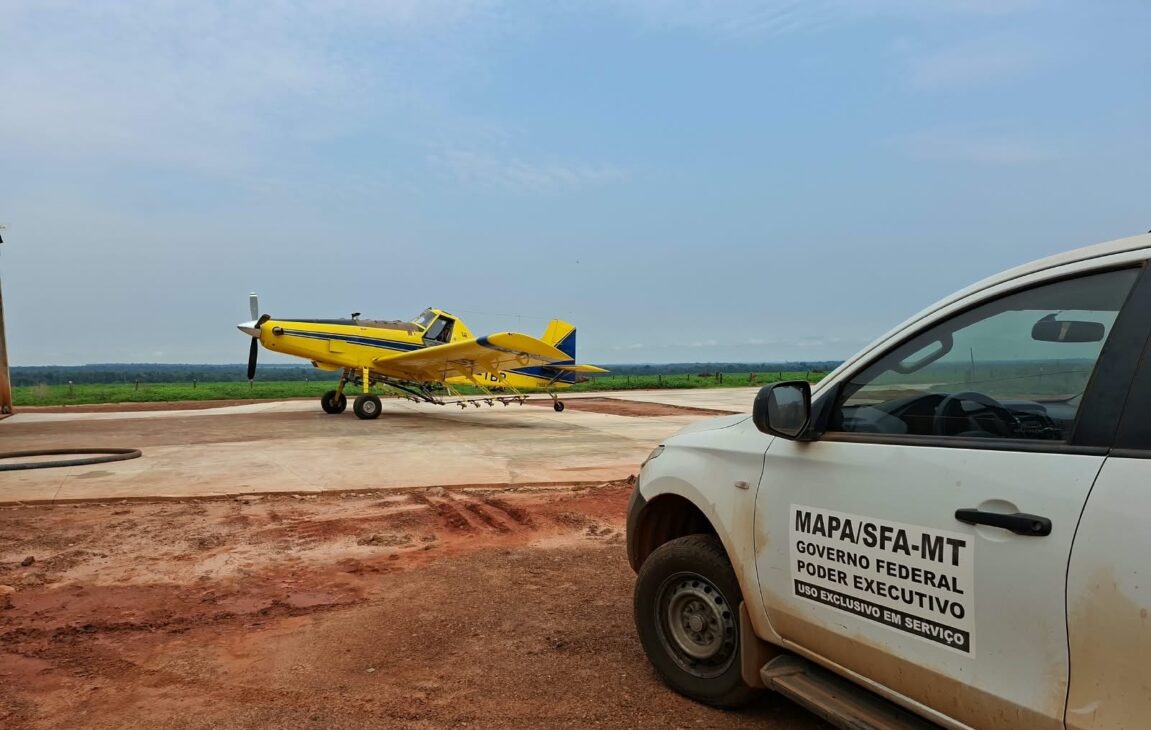
The calculation covers more than the work done on farms. It includes input production, farming and livestock, agribusiness industries, and services related to those activities. For that reason, the measure differs from the GDP figure for farming and livestock alone, as calculated by Brazil’s statistics agency, IBGE.
The outlook for 2026 has changed. Based on first-quarter performance, Cepea and CNA lowered their estimate of agribusiness’s share of national GDP to 22.8%, with a projected value of R$3.13 trillion. The survey released in August recorded a 2.01% decline in the first quarter and found that falling prices outweighed expected production gains across several activities.
Economic output and presence in capital markets measure different things. The first tracks the value generated across production chains; the second depends on which investments and traded securities are included. That difference in scale was the focus of the SNA’s discussion with regulators.
CVM considers allowing farmers and cooperatives to raise funds collectively
One proposal under discussion could change who is authorized to seek investors through crowdfunding platforms. In public consultation SDM 05/2025, the CVM, Brazil’s securities regulator, proposed including individual rural producers and agricultural cooperatives among those eligible to issue securities through investment crowdfunding.
Under this model, a regulated platform lists offerings so investors can contribute funds to ventures under the terms and risks disclosed for each transaction. Current rules do not generally cover individual rural producers and cooperatives in the way proposed.
Antonio Berwanger, the CVM’s superintendent of market development, said at the meeting that the expansion was designed with requirements to protect investors. The proposal is still subject to the regulatory process; Friday’s discussion did not immediately authorize new offerings by these participants.

CVM director Igor Muniz also mentioned FÁCIL, a framework established in 2025 to simplify access to capital markets for smaller companies. Designed for companies with annual gross revenue below R$500 million that meet regulatory requirements, this route differs from the crowdfunding proposal under discussion for producers and cooperatives.
Agribusiness receivables certificates have R$175 billion outstanding; Fiagro funds hold R$73 billion
Financing operations related to agribusiness are already in the market. The Ministry of Agriculture’s Agribusiness Finance Bulletin reported that outstanding Agribusiness Receivables Certificates (CRA) reached R$175 billion in September 2026. In the same month, Agribusiness Investment Funds (Fiagro) had R$73 billion in net assets across 301 funds.
A CRA is a security backed by credit rights arising from agribusiness transactions. Fiagro funds, in turn, pool investors’ money to invest in assets related to agro-industrial supply chains. The figures reported by the ministry represent outstanding securities and fund assets, not an amount made available to producers during September.
Rogério Soares Dantas dos Santos, who works in the CVM’s Securitization and Agribusiness division, devoted part of the program to these two instruments. The meeting also featured Otto Lobo, chair of the agency, and Guilherme Medina of BNDES. For the proposal of direct interest to rural producers and cooperatives, the next step remains setting the rules for access to crowdfunding.