Portuguese
 Spanish


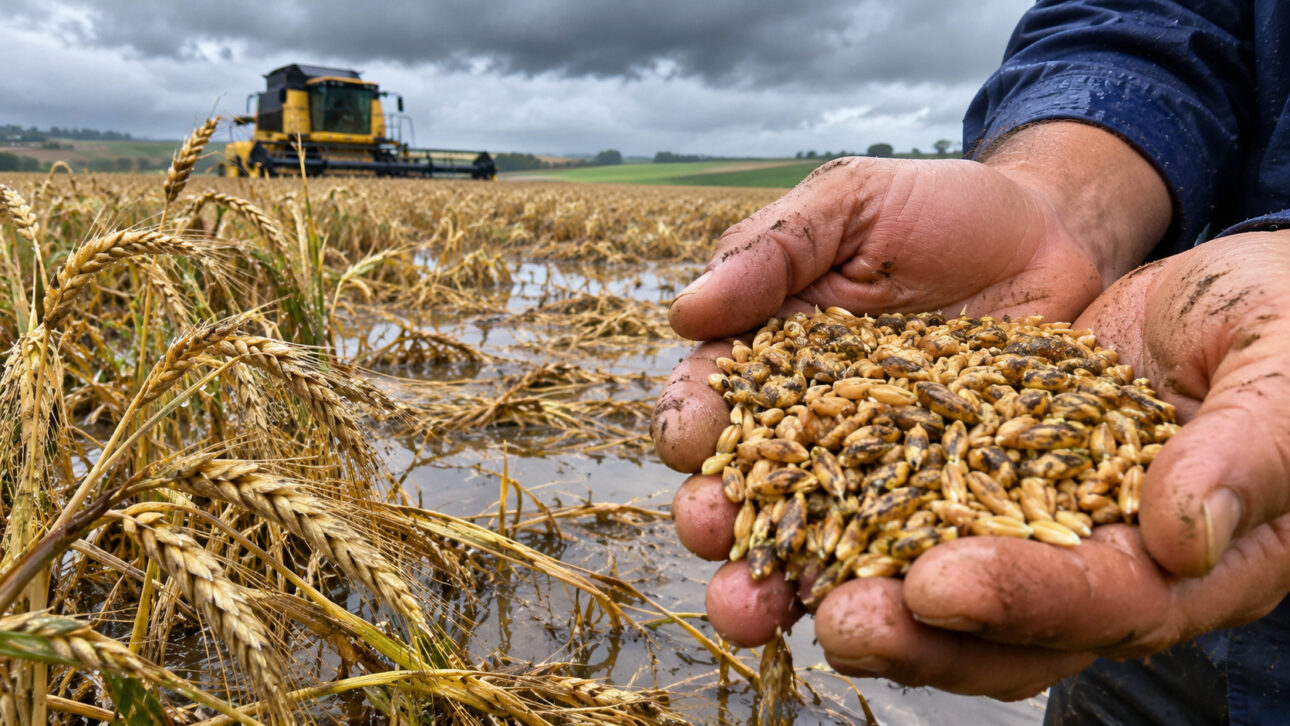

Excessive rain and reduced planting cut Paraná’s wheat output, hurt grain quality and increase mills’ demand for outside suppliers.
Harvesting has ended in Paraná’s wheat fields, but farmers brought in far less grain than they did the year before. According to the state’s Department of Rural Economics (Deral), in a report released on November 26, 2026, production fell 39%, to just 1.77 million metric tons, the lowest level in two decades. The drop resulted from a combination of excessive rain, a smaller planted area and lower yields. In addition to reducing available supplies, moisture damaged the quality of some of the grain, forcing the industry to seek wheat from other regions and raising concerns about Brazil’s imports in 2027.
Paraná records its smallest wheat crop since 2006 after a 39% drop
Paraná ended its 2026 wheat harvest with about 1.77 million metric tons, down from 2.88 million metric tons in 2025. The difference exceeds 1.1 million metric tons in just one growing season.
This was the state’s smallest crop since 2006, when Paraná harvested about 1.1 million metric tons. The latest figures released by Deral confirmed losses greater than previously forecast.
-
Poultry farmers can buy 3.8% more soybean meal by selling chickens, but rising corn prices squeeze Brazilian farms

-
United States prepares new tariff that could top 200% on Brazilian sugar, threatening exports from the country’s mills
-
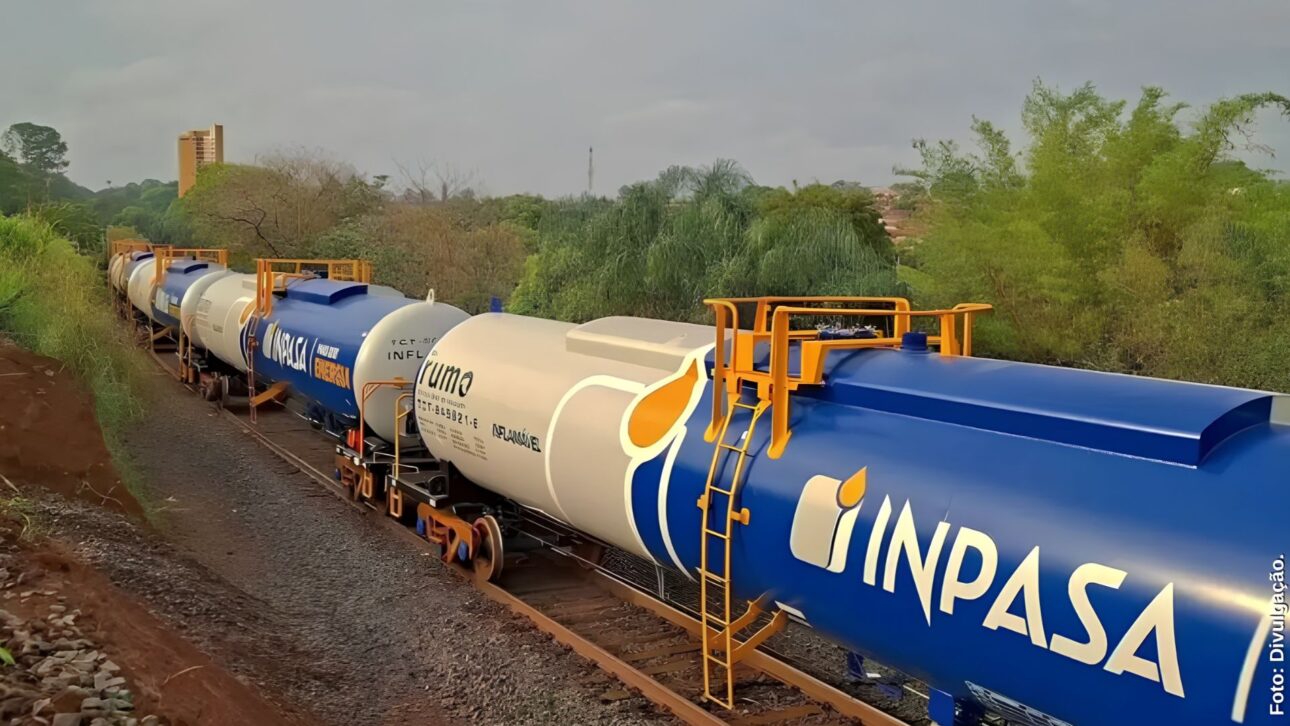
Rumo and Inpasa deploy 380 railcars to transport 30,000 metric tons of corn ethanol product to Port of Santos
-
Brazil prepares for a 366 million-ton grain harvest and expands cropland to 85 million hectares for the 2026/27 season

In October, the estimate still projected a harvest of nearly 1.9 million metric tons. However, conditions in the fields forced technicians to lower the forecast again.
The figures were released after fieldwork wrapped up, with harvesting continuing into early November.
Excessive rain harms crops during growth and harvest
Excess moisture was one of the main problems facing Paraná’s farmers. Frequent rain made fieldwork more difficult and hindered the development of some crops.
At certain stages, wheat needs suitable temperature, sunlight and moisture. A string of rainy days can encourage disease and reduce plant yields.
When rain continues during harvest, machinery can also have trouble entering farms. Waterlogged soil delays fieldwork and increases the risk of deterioration in mature grain.
Agronomist Carlos Hugo Godinho of Deral linked the season’s main problems to the rain. Losses affected both the amount produced and the grain’s market quality.
Planted area shrinks 12% after fertilizer costs rise
The decline in production was not caused by weather alone. Farmers also reduced the area planted with wheat before the harvest began.
According to Deral, the planted area fell by about 12% from 2025. The decision was shaped by high production costs and an unfavorable weather outlook.
Fertilizers rank among the biggest expenses for farms. When prices for these inputs rise, farmers have to assess whether expected revenue will justify the required investment.
The possibility of above-normal rainfall, along with risks associated with El Niño, also influenced planning. Some producers chose to reduce their exposure to wheat during the winter.
Grains affected by moisture may lose quality for flour production
The damage caused by the rains was not limited to the amount harvested. Some of the wheat also showed characteristics unsuitable for certain industrial uses.
Mills need grain with specific qualities to produce flour for bread, pasta and other foods. Excess moisture can compromise those characteristics.
In some cases, the grain loses quality for baking and becomes less valuable commercially. Depending on its condition, it may be used for other purposes, including animal feed.
Deral said it began a more detailed assessment of lot quality after the harvest ended. Therefore, there is not yet a definitive percentage for all the wheat considered unsuitable.
Paraná mills need to source wheat from outside the state
The combination of lower output and quality losses is reducing the availability of raw material for Paraná’s flour industry.
Agronomist Hugo Winckler Godinho of Deral said the situation has increased the need to buy wheat produced in other regions. Purchases may involve Brazilian or foreign suppliers.

Mills need to maintain a steady supply to serve bakeries, pasta makers and other food manufacturers. The availability of suitable wheat directly affects these operations.
When locally produced wheat does not meet industrial needs, companies have to consider additional purchasing and transportation costs. The distance to suppliers also becomes a factor in negotiations.
Brazil may import about 10 million metric tons of wheat in 2027
The Paraná crop shortfall comes as Brazil’s wheat output is declining. Rio Grande do Sul, another major domestic supplier, also faced weather-related difficulties.
With less supply available domestically, industry participants have begun planning for the possibility of imports approaching 10 million metric tons in 2027, according to information reported by Reuters.
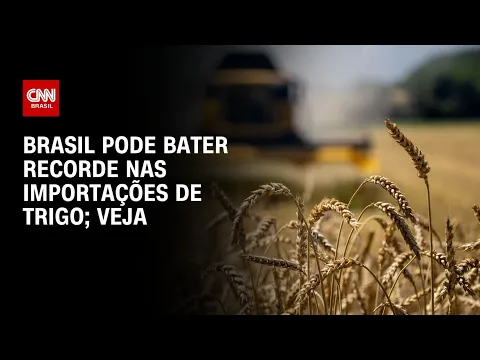
That volume is a market estimate, not an officially contracted quantity. Actual purchases will depend on inventories, domestic consumption and commercial terms.
Brazil has historically relied on imports to supplement its wheat supply. Argentina is among its main suppliers, thanks to its geographic proximity and trade ties between the two countries.
Lower domestic wheat output raises concerns about industrial supply
Brazil’s National Supply Company also lowered its forecast for the country’s wheat output in 2026. In its November report, the estimate stood at about 5.3 million metric tons.
That figure marks a significant decline from the previous season. In addition to Paraná, weather problems and changes in planted area affected other growing regions.
A smaller domestic harvest does not necessarily mean flour will be in short supply at supermarkets. Supply also depends on imports, inventories and industrial processing capacity.
However, greater reliance on foreign suppliers exposes Brazilian buyers to exchange-rate swings, international prices and maritime or land transportation costs.
Paraná’s winter crop loses 34% of total output
Wheat was not the only crop hit during Paraná’s winter. Grain production across the season also fell sharply.
According to Deral, Paraná’s Department of Rural Economy, winter crop output fell from 3.93 million to 2.59 million metric tons, a decline of about 34% from the previous season.
Barley also faced difficulties. Its harvest totaled about 430,000 metric tons, down from 500,000 metric tons in the previous cycle.
Despite the decline, Paraná remained Brazil’s largest barley producer. The grain is used mainly by the beverage industry, especially to make malt. The losses underscore the difficulties facing winter crops, as excess moisture from heavy rains hurt the performance of several crops.
Paraná still records the second-largest total grain harvest in its history
Despite the wheat crop losses, Paraná ended the 2025/26 crop cycle with 46.93 million metric tons of grain, according to the state’s report.
That was the second-largest harvest in Paraná’s historical record, about 1% below the previous cycle’s record of 47.27 million metric tons.
Summer crops provided most of the output. The first crop totaled 26.34 million metric tons, up 7% from 2024/25.
Soybeans accounted for 21.83 million metric tons, while first-crop corn totaled 4.16 million. The second crop added about 18 million metric tons to the state’s total.
Rainfall also worries soybean growers as the 2026/27 crop gets underway
As growers wrapped up the wheat harvest, machinery moved ahead with planting the new soybean crop.
Deral, Paraná’s Department of Rural Economy, estimated the state’s soybean output at 22.56 million metric tons for 2026/27, a volume that could surpass the previous record of 22.3 million.
However, the forecast was cut by 0.8% from the October estimate. Excess rainfall again figured among the factors behind the revision.
Some areas planted early received little sunlight during initial development. The department is also monitoring potential problems related to root growth in excessively wet soils.
By late November, soybean planting had reached about 96% of the projected area, although some regions were still facing difficulties.