Portuguese
 Spanish



Iran imports about 80% of the ingredients used in animal feed, while Peru buys more than 2 million metric tons of wheat a year. The approvals expand the list of Brazilian products accepted in markets that already trade with the country.
Four decisions by foreign health authorities were announced by Brazil’s Ministry of Agriculture and Livestock (Mapa) and the Foreign Ministry on November 26. The conclusion of the negotiations allows Brazilian exporters to offer products that had not previously been approved for these markets. The announcement sets out the access conditions but does not cite signed contracts or dates for the first shipments.
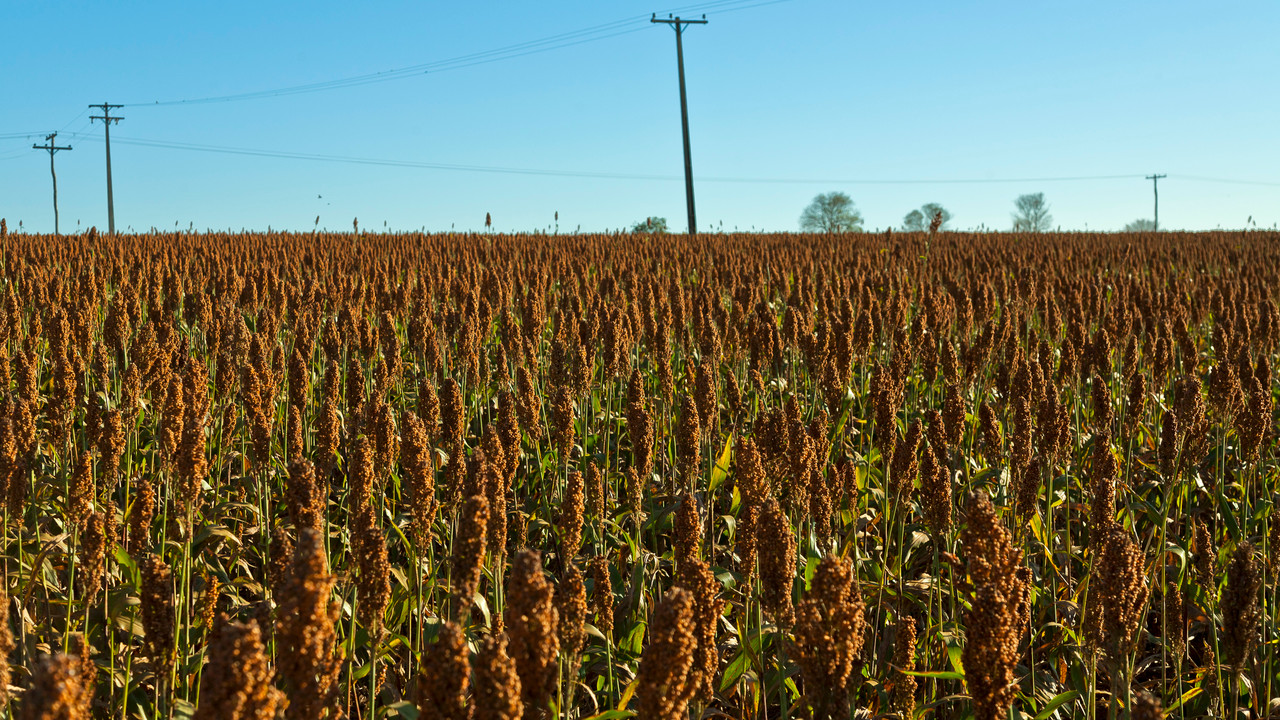
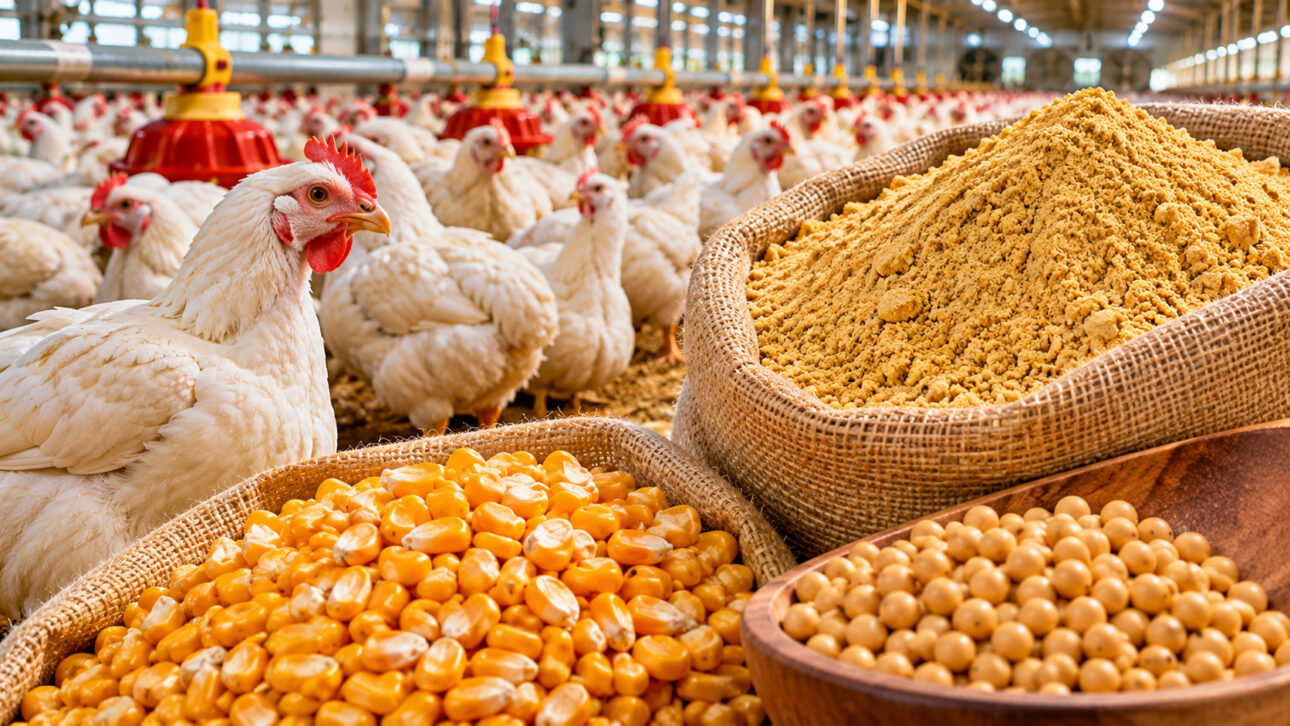
Iran is the largest trading partner in this group, having imported more than US$2.9 billion in Brazilian agricultural products in 2025. It was the leading destination for Brazilian corn that year. Approval of grain sorghum gives Iranian feed manufacturers access to another Brazilian cereal, in a sector supplied largely with imported ingredients.
Iran’s market opening covers a cereal that has gained ground in Brazilian exports
In October 2026, Brazil exported 1.2 million metric tons of sorghum and earned US$337.7 million from the crop. The figures are included in the foreign trade report released by Mapa on November 18. Compared with October 2025, the cereal was among the products that contributed most to the growth in agribusiness export revenue.
-

-

-
-
The same report says China was one of the markets recently opened to Brazilian sorghum. Iran’s approval adds another potential destination in a year of expanding sorghum shipments. The ministries say the grain’s nutritional characteristics allow it to be used as an alternative to corn and barley in animal feed formulations.
The October figures cover Brazilian sorghum sales to all of the country’s international buyers. The announcement on Iran, published a week later, does not cite a specific order for the cereal. The scale of existing trade with Iran helps explain why the new product was included in bilateral negotiations.
Peru opens its market to wheat as it already imports Brazilian food products
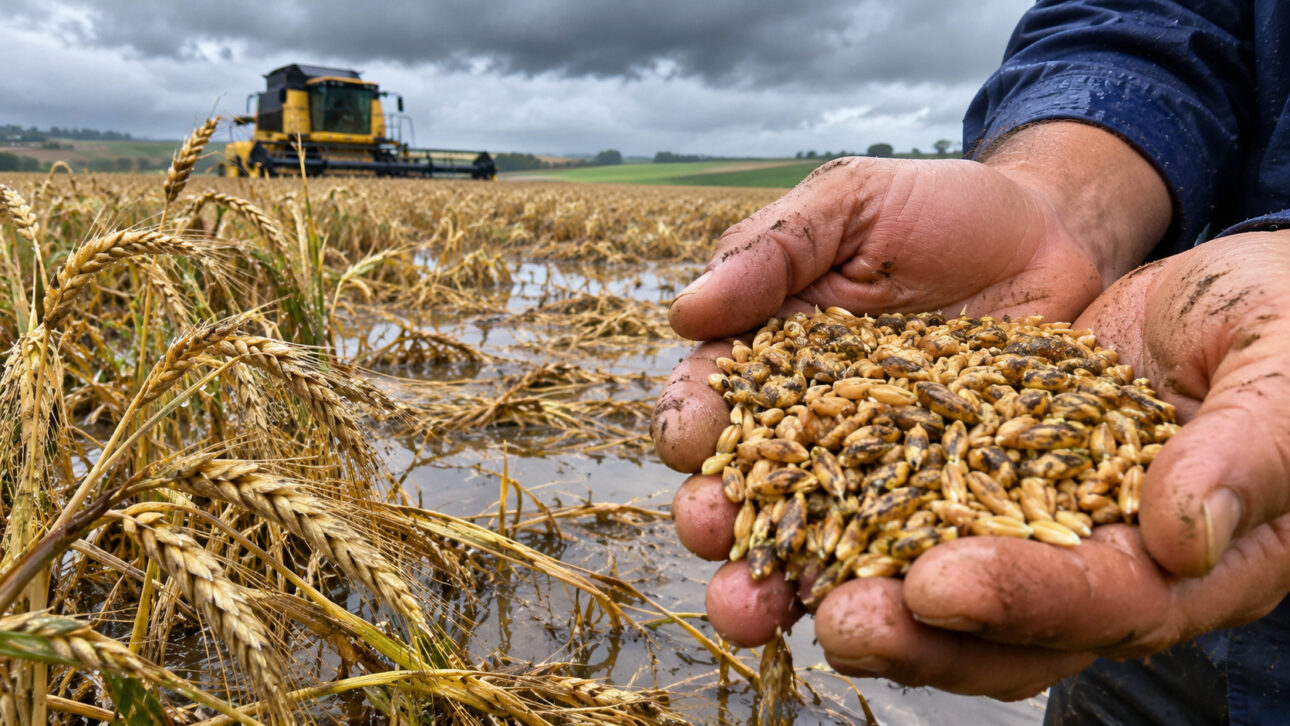
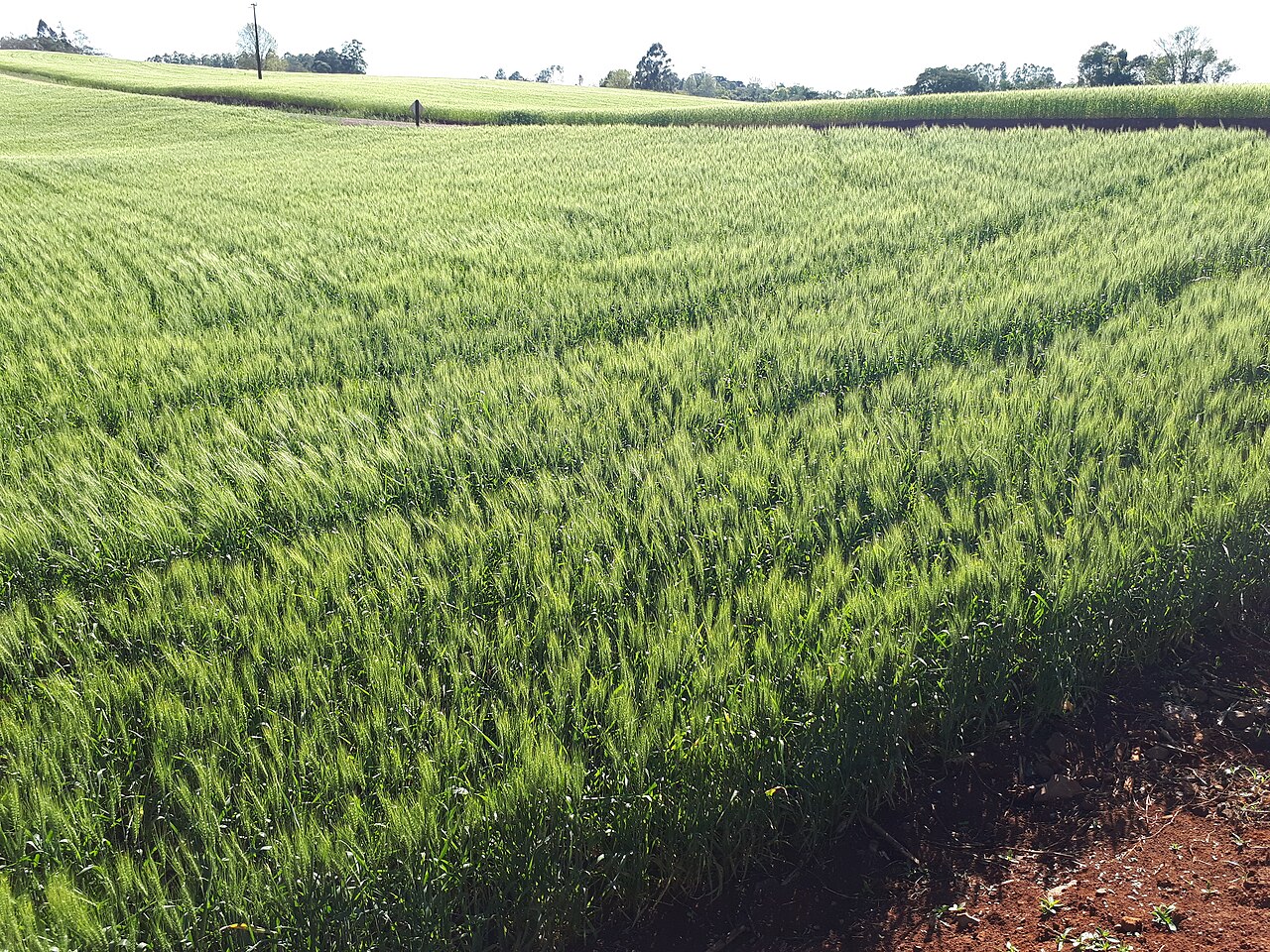
Peru, meanwhile, has begun allowing imports of Brazilian wheat grain. The cereal primarily supplies the Andean country’s baking industry and pasta manufacturers, according to the joint statement from the ministries. The Peruvian wheat imports cited by the government come from suppliers worldwide, not just Brazil.
Agricultural trade between the two countries was already substantial before this new market approval. In 2025, Peru’s purchases of Brazilian products exceeded US$729 million. Major product groups sold to the country included forest products, animal proteins, cereals, flours and preparations. The newly approved wheat could become part of that trade if companies carry out commercial deals.
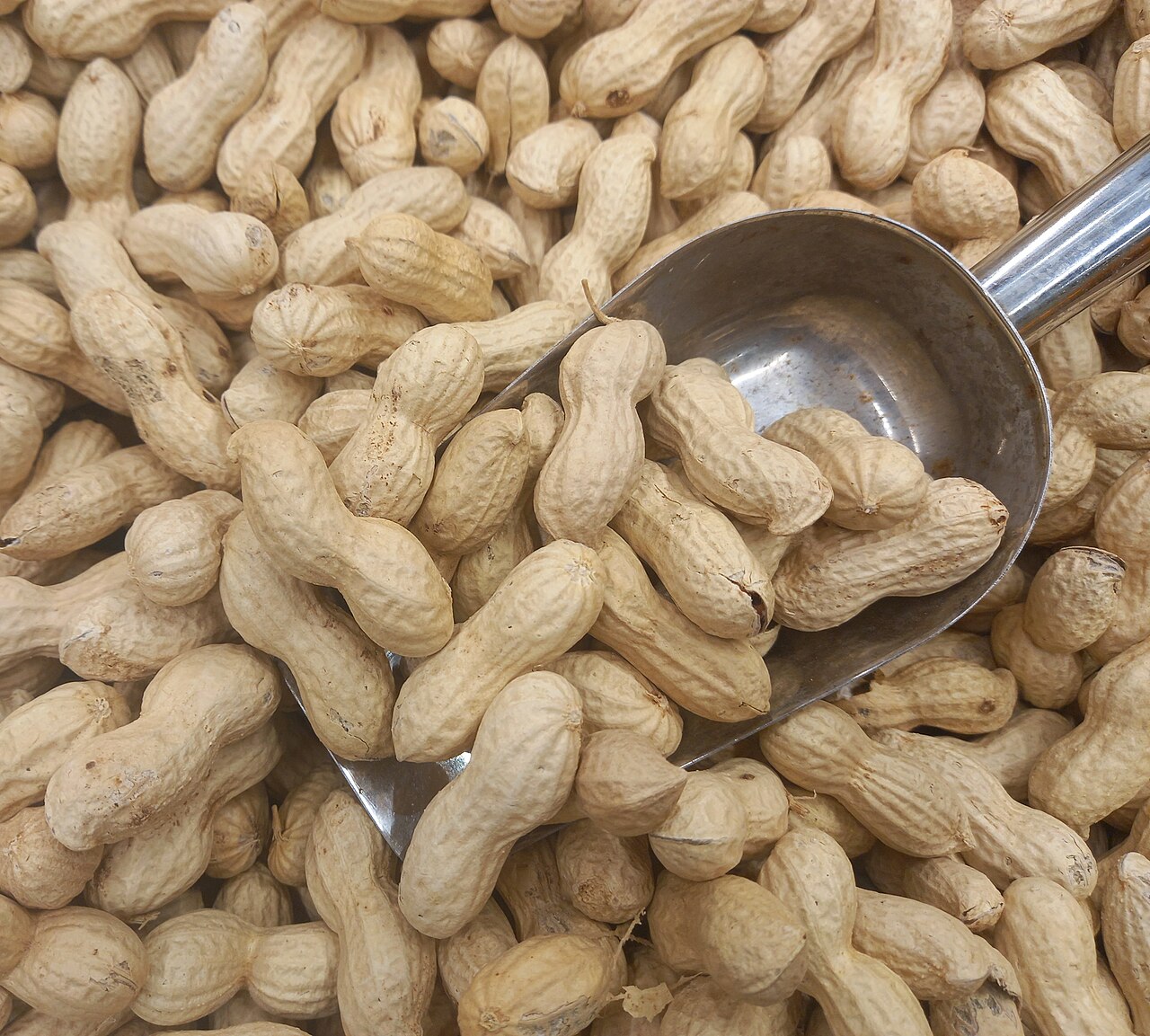
Nicaragua clears in-shell peanuts six months after first authorization
For peanut growers and exporters, Nicaragua’s decision expands an existing authorization. In May 2026, the country had approved imports of Brazilian shelled peanuts. The latest decision adds in-shell peanuts, another commercial form of the same crop.
The Central American country bought more than US$73 million in Brazilian agricultural products last year, mainly corn and animal products. That figure covers total Brazilian agribusiness sales to Nicaragua, not contracts for peanuts signed after this year’s market openings.
Caribbean country begins accepting beef, pork, and offal
In Saint Kitts and Nevis, the authorizations cover beef, pork, and offal. The Caribbean country imported more than US$4 million in Brazilian agricultural products in 2025, led by animal proteins, forestry products, and animal feed. Of the four destinations announced, it had the lowest reported level of imports from Brazil, according to the ministries.
The government’s tally now stands at 733 market openings in 102 destinations since the beginning of 2023. That does not mean 733 different countries: the figure includes new combinations of products and markets. Nicaragua, for example, received two specific approvals for Brazilian peanuts in 2026, one for shelled peanuts and the other for in-shell peanuts.