





 Portuguese
 Spanish


Ambev plans to more than triple the area planted with barley in Rio Grande do Sul by 2030, offering credit, technical assistance and new varieties to attract farmers and supply its malt plants
Barley production in Brazil is at the center of an Ambev plan to expand supplies to its plants. The brewer plans to increase the area planted through its program in Rio Grande do Sul from 15,000 to 50,000 hectares by 2030, attracting farmers who leave their land without commercial production during the winter.
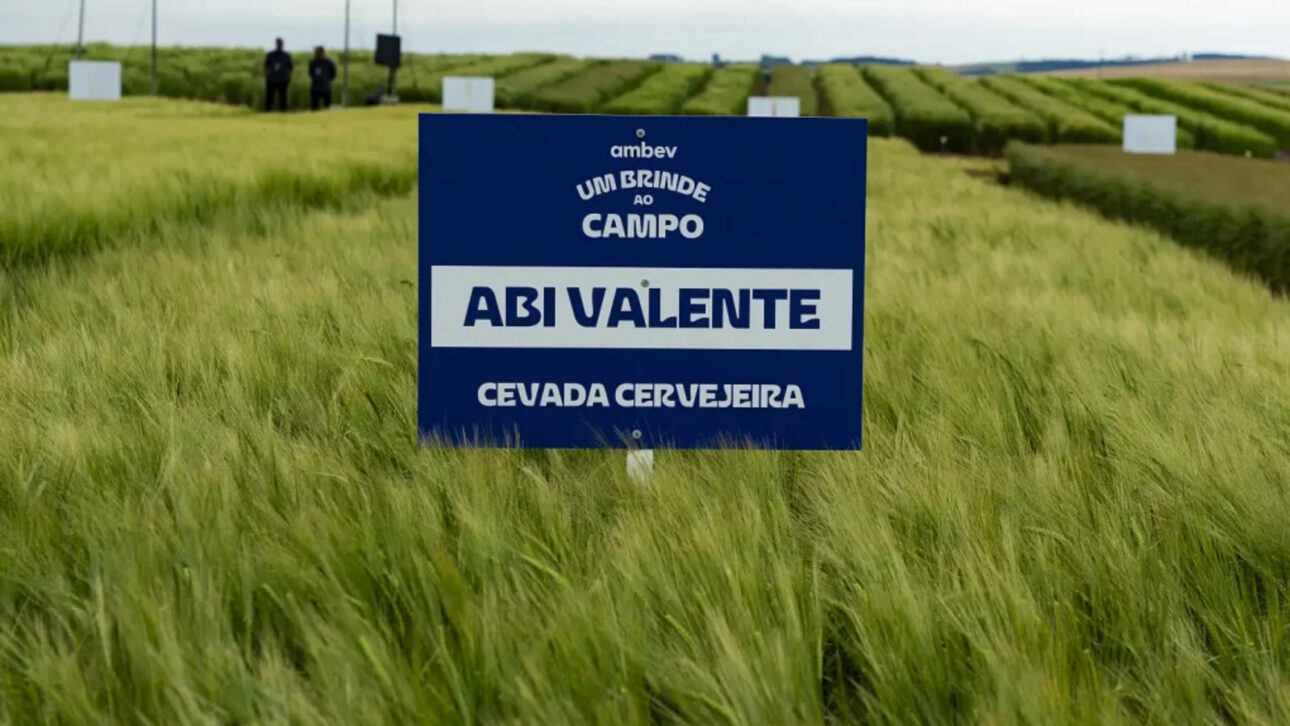
The strategy is aimed mainly at farmers who grow soybeans or corn in the summer but do not use their land for commercial production during the colder months. The company wants to turn that period into an opportunity to grow barley.
A report by Exame said the challenge is persuading farmers to take on the risks of a second crop, especially given the weather fluctuations that affect grain yields and quality.
-
End of the 6×1 Schedule: Agribusiness Must Adopt a 5×2 Workweek Without Sector-Specific Rules, Reducing to 42 Hours in December 2026 and 40 Hours in 2027

-
Lack of rain delays soybean planting in Mato Grosso, forces farmers to replant fields and threatens second-crop corn
-
Federal Government delivers 327 agricultural machines to 255 municipalities in Rio Grande do Sul; tractors, excavators and motor graders to restore rural roads
-
Brazil set to lead global beef production decline in 2027 with a 3% reduction, approximately 300,000 metric tons less



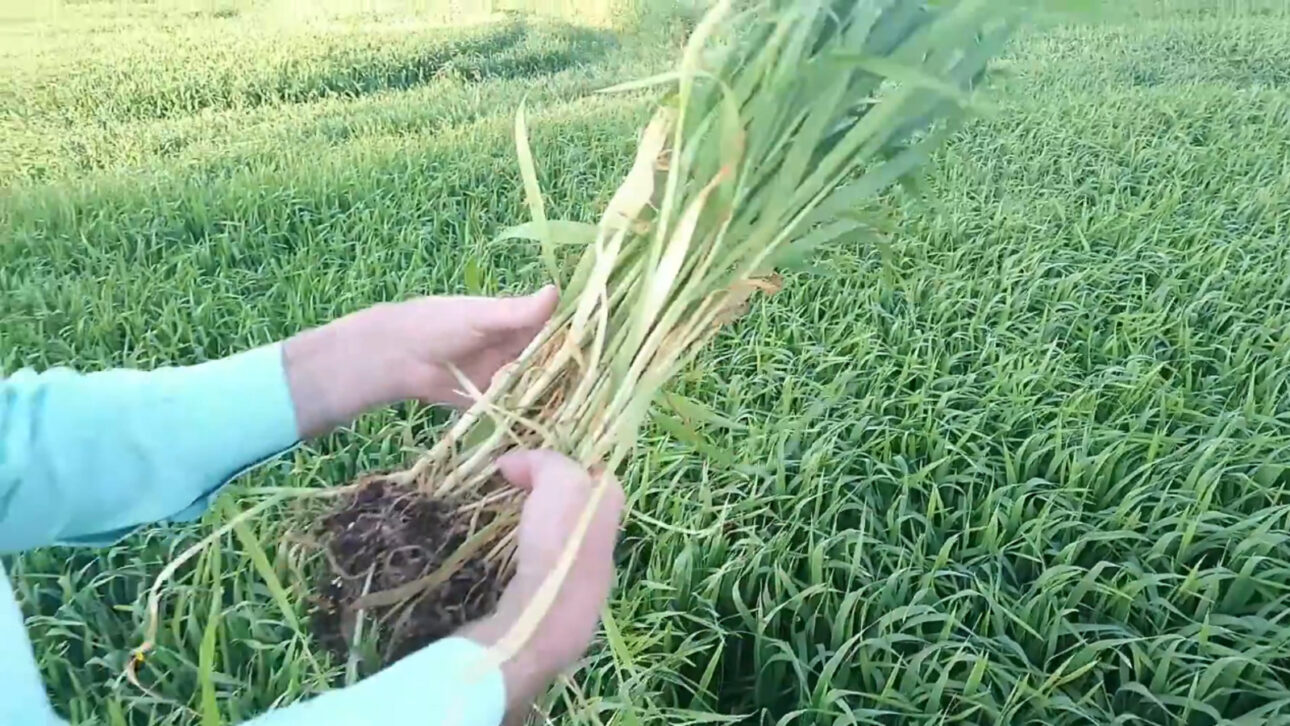
Ambev’s malt plants need 350,000 metric tons of barley a year
The need for raw materials helps explain the investment. Ambev’s malt plants in Passo Fundo and Porto Alegre, in Rio Grande do Sul, produce about 300,000 metric tons of malt annually.
To maintain this volume, the two facilities need about 350,000 metric tons of barley.
However, the company’s agricultural program in the state supplies between 60,000 and 100,000 metric tons per crop. Even at its peak, production covers less than 30% of the plants’ needs.
The shortfall is made up through other sources. Ambev buys barley from Argentina and also purchases malt from Brazilian and foreign suppliers.
Brazil produces 525,000 metric tons of barley, according to the National Supply Company (Conab). Argentina’s production reaches 5.6 million metric tons, according to data from the U.S. Department of Agriculture (USDA).
Brazil’s barley production is set to expand by 35,000 hectares by 2030
Ambev’s plan calls for gradual expansion. After reaching 20,000 hectares in 2025, the program’s area planted fell to 15,000 hectares in 2026, a crop year marked by El Niño.
A recovery is planned for 2027, when the company aims to reach 25,000 hectares. The target rises to 35,000 hectares in 2028, 40,000 in 2029 and 50,000 in 2030.
More than 220 farmers currently participate in the program, across the Northern region, Planalto and Vacaria in Rio Grande do Sul.
Financing, seeds and guaranteed purchases are part of the strategy
To attract new suppliers, Ambev offers agronomic support, financial assistance and, depending on the farmer, access to seeds, inputs and credit.
Another measure involves buying barley that falls short of the quality needed for brewing because of weather-related problems. In these cases, the grain can be used for animal feed.
The company says some agreements also set prices in advance at levels that cover at least production costs.
New variety has grains 15% larger and could bring harvest forward
The company is also investing in the development of varieties adapted to the agricultural conditions of each region.
Launched in 2025, the Valente variety has grains about 15% larger, according to Ambev. Its growing cycle can also allow for an earlier harvest in some locations.
Two other lines are expected in 2027 and 2028, focusing on productivity and regional adaptation.
Beyond Rio Grande do Sul, the company plans to spread similar practices in Paraná, where it buys malt from Cooperativa Agrária.
Ambev also conducted tests in the irrigated Cerrado, but agronomic challenges limited expansion. For now, the South remains the main region for growing the program.
Information from Exame.


