Portuguese
 Spanish




New survey details subsidies for power plants, air emissions and environmental challenges in Brazil’s energy transition
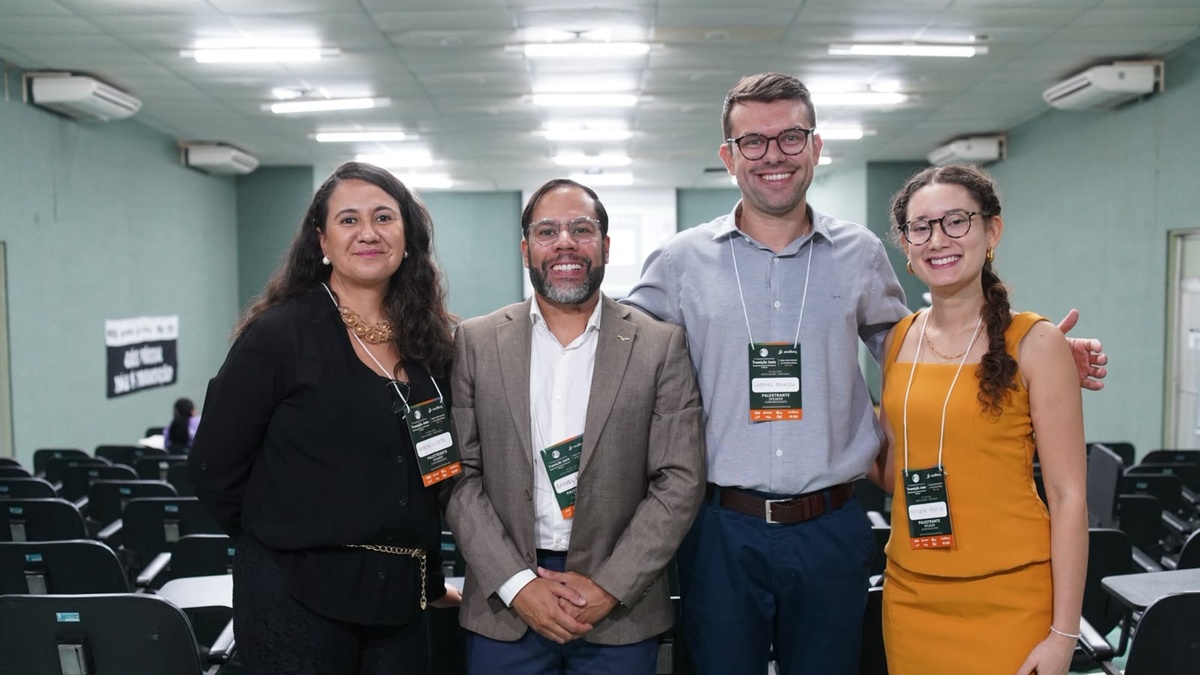
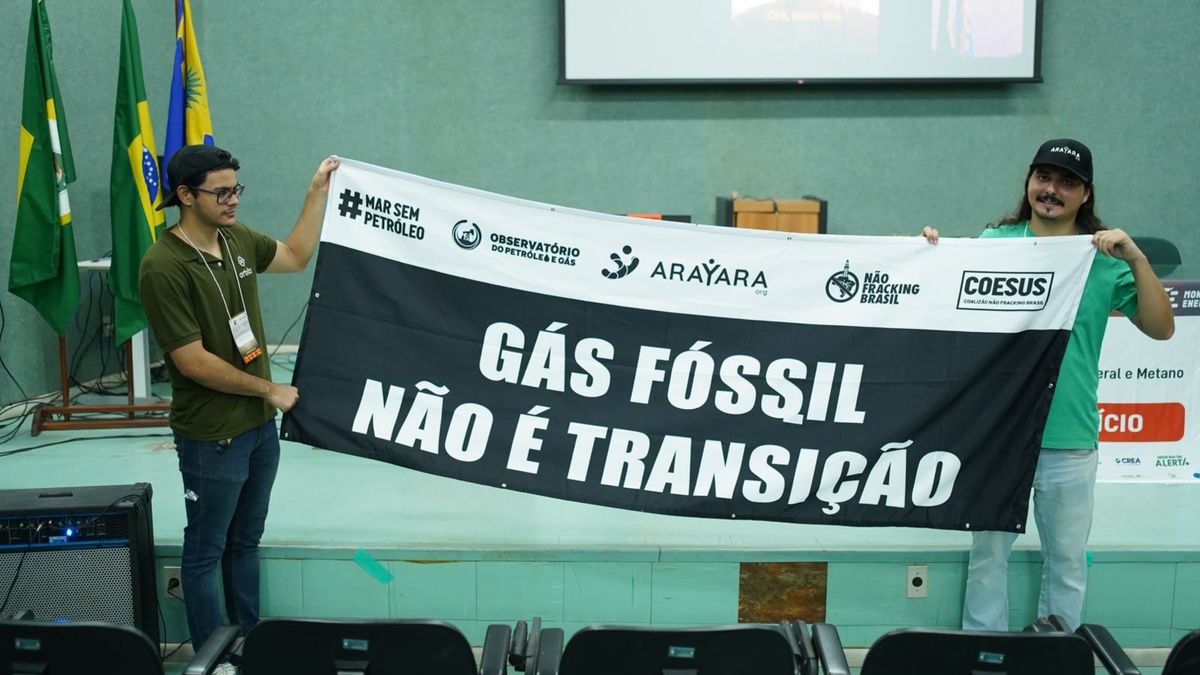
The ARAYARA International Institute released an update to its Coal Monitor on Thursday, November 26, 2026. The platform was presented on the second day of the 2nd International Just Transition Congress at the Federal University of Ceará (UFC) in Fortaleza, in northeastern Brazil.
The survey identified six sacrifice zones among 15 territories linked to Brazil’s coal industry. The institute’s classification considers how close coal-related activities are to traditional communities, rural settlements and protected areas. The designation points to potential environmental and social pressures on communities and ecosystems near coal operations.
Coal Monitor reveals the geographic footprint of Brazil’s coal industry
The platform update analyzed areas within an eight-kilometer radius of coal-fired power plants and mining areas with operations in the extraction phase. Within that range, the institute identified more than 1.5 million address locations, including more than 3,600 schools and more than 3,700 health care facilities.
-
Epson bets on toner-free printers with PrecisionCore Heat-Free technology that can cut energy use by up to 86%, reduce plastic waste and minimize business disruptions

-
After COP31, ARAYARA Institute launches first-ever expedition across five municipalities in Rio Grande do Sul’s coal region and premieres Chilean documentary on the impacts of coal and fossil fuels
-
Over 80,000 Refrigerators Trapped After Bankruptcy as 26 Local Governments Suspend Collections in England and Wales
-
Las Vegas recycles nearly all its indoor water. The water on its lawns is much harder to recover




The survey also counted more than 846,000 hectares of agricultural and livestock land near coal-related activities. Joana Nascimento, an ARAYARA geospatial and environmental specialist, said the energy transition needs to take into account the populations living with these impacts.
Coal activity overlaps areas with major groundwater reserves
The analysis of geographic data identified 19 aquifer systems beneath areas with coal activity. In the area of the Guarani Aquifer System alone, the survey found 45 mining-related cases.
The platform tracks 535 active mining-related cases at various stages, from mineral exploration to extraction. A color-coded system indicates whether these activities are near or overlap with traditional communities and environmentally protected areas.
Coal-fired power plants account for a small share of national electricity generation
In October 2026, coal accounted for 1.6% of the electricity generated on Brazil’s National Interconnected System (SIN), the country’s interconnected power grid, according to figures presented at the congress. The tool tracks monthly electricity output and estimated emissions from coal-fired power plants.
The system can simulate emissions reductions if these facilities are shut down. Joana said decommissioning all the power plants included in the calculation would avoid emissions equivalent to those of more than 10 million cars over one year.
Low-output power plants continue to receive public funding
The monitor’s update details tax breaks, public financing and subsidies paid through electricity bills. Highlights include so-called “zombie plants”, which produced less than 10% of their generation capacity over the past 12 months.
Joana said some of these facilities continue to receive public funding or payments for being available to operate. The platform allows users to track this information alongside electricity generation and air emissions indicators.
Open-pit coal mine prompts environmental study in Rio Grande do Sul
The municipality of Arroio dos Ratos, in the Lower Jacuí Coal Region, received special attention in the study. The city has an open-pit coal mine near its urban area, where flooding has occurred in recent years.
The study brings together satellite images from 2010 to 2022, hydrographic maps and environmental licensing records. Although changes to the terrain can alter water runoff, establishing a causal link between mining and flooding requires additional evidence.
International congress broadens debate on the future of fossil fuels
Researchers from the Federal University of Ceará (UFC) and the Aeronautics Institute of Technology (ITA) discussed energy security, bioenergy and alternatives to reduce dependence on fossil fuels. The meeting also addressed the health impacts of thermoelectric plants on communities.
The congress ends this Friday (27), with the publication of a letter addressed to President Luiz Inácio Lula da Silva and future state governors.