Portuguese
 Spanish



Aneel authorizes Spic, Atiaia and Fortlev wind, solar and hydropower plants in Rio Grande do Norte, Goiás and Espírito Santo, and sets deadline for electricity-sector charges
Projects by Spic, Atiaia Renováveis and Fortlev advanced after Brazil’s National Electric Energy Agency (Aneel), the country’s electricity regulator, authorized them to operate generating units at their renewable energy facilities. The approvals cover sites in Touros, Rio Grande do Norte (RN); Jataí, Goiás (GO); and Serra, Espírito Santo (ES), and span three different sources of electricity generation.
The agency’s decisions also set amounts related to funding charges in Brazil’s electricity sector.
Renewable energy advances with approvals for wind, solar and hydropower projects
The Paraíso Farol and Pedra de Amolar complexes, which Spic unveiled in December 2024, will sell their output into Brazil’s free-market power sector. Commercial operations are expected to begin in 2026. The projects represent an investment of R$755 million and will comprise 17 wind turbines.
-
Casa dos Ventos signs deal to supply 22 average MW of Piauí wind power to Jacobina Mineração’s gold mining operation in Bahia

-
With 319 wind farms operating, Rio Grande do Norte could lose the economic viability of its wind industry within five to 10 years, former Petrobras president warns
-
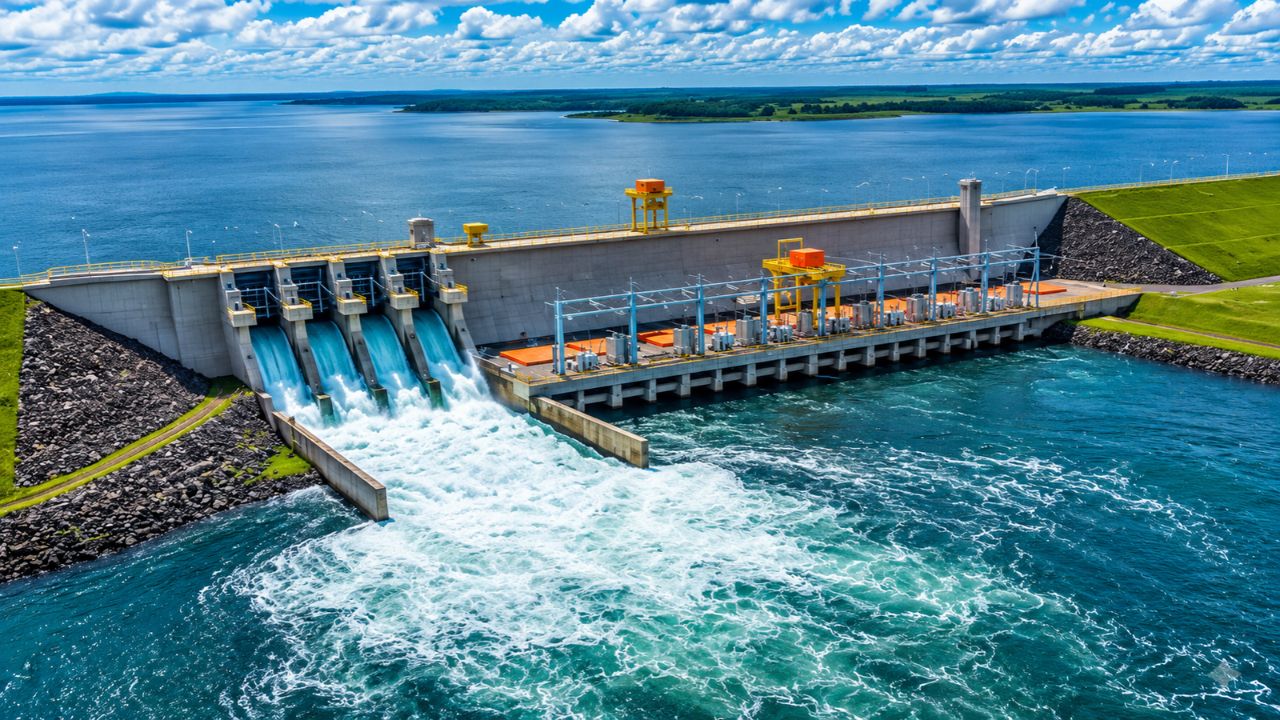
807.5-MW Três Irmãos hydropower plant, with room for three more generating units and a billion-real dispute in its history, has concession transferred to Axia Energia
-
Gás Verde receives ANP approval to certify 160,000 cubic meters per day of biomethane production
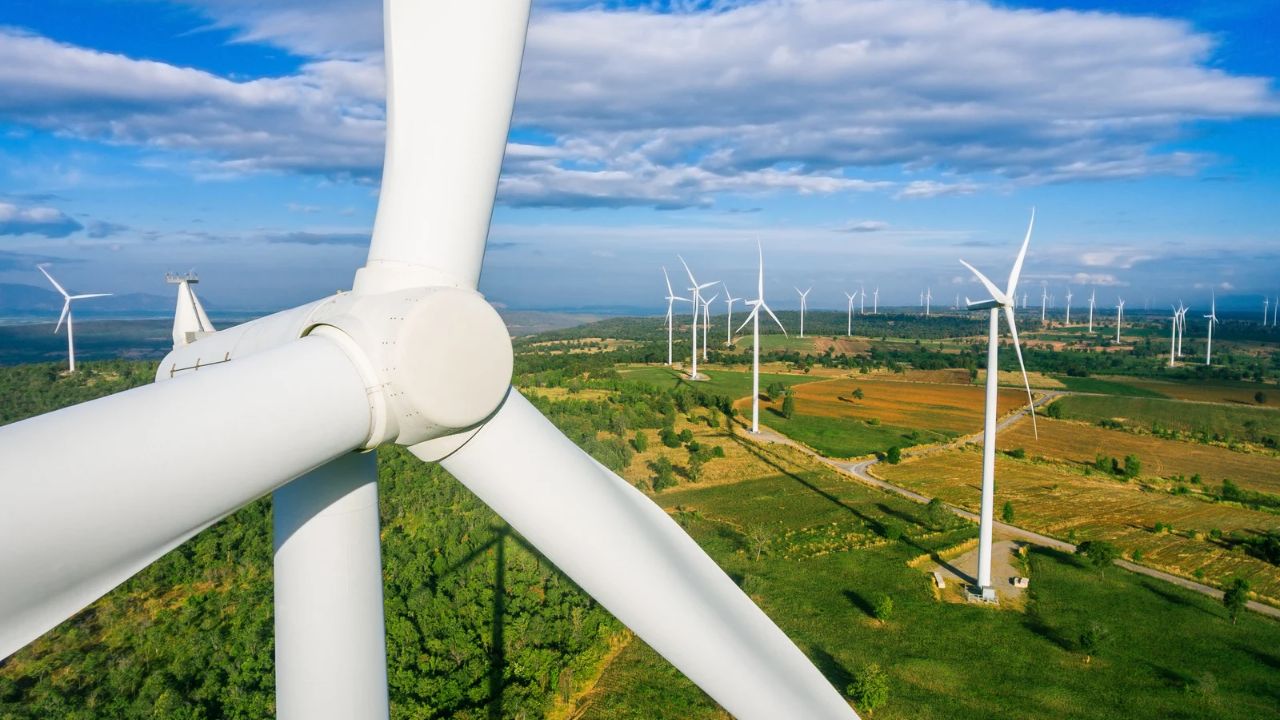
Part of the project portfolio is in Touros, Rio Grande do Norte, where Aneel authorized seven generating units across two wind farms.
The facilities covered by the agency’s decisions in the three states are:
- PCH Taboca (GO): Unit 1, with a capacity of 14.9 MW;
- Paraíso Farol III (RN): five units, totaling 31 MW;
- Fortlev Sede I (ES): two solar photovoltaic units, with a combined capacity of 0.22 MW;
- Paraíso Farol II (RN): Units 1 and 2, with a combined capacity of 12.4 MW.
The wind farms in Rio Grande do Norte will connect to Brazil’s Basic Grid through the João Câmara II substation at 230 kV.
Across the Paraíso Farol and Pedra de Amolar complexes, Spic expects to reach 105.4 MW of installed capacity, enough to generate electricity equivalent to the annual consumption of 280,000 households.
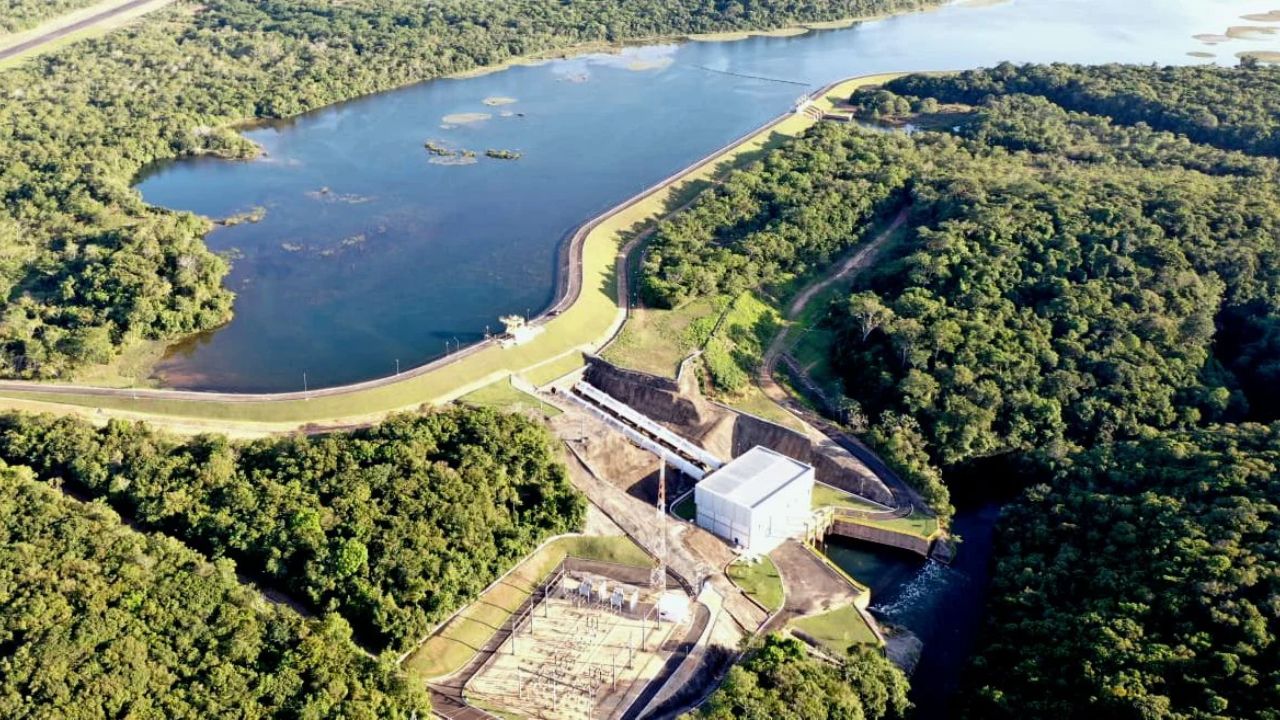
In Goiás, Aneel’s approval marks a step forward for Atiaia Renováveis, which selected the Taboca small hydropower plant to enter the state. The plant, located in Jataí, is expected to require an investment of about R$350 million.
Hydropower plant set to begin deliveries in 2027 as Aneel establishes new electricity-sector charges
Electricity sales from the Taboca small hydropower plant are already backed by a contract with distributors in Brazil’s Regulated Contracting Environment (ACR), after the project won the A-5 auction held in 2022.
The plant is expected to begin supplying power in January 2027 and will have an installed capacity of 29.8 MW. It will connect to Brazil’s Basic Grid using the 230 kV busbar at the Barra dos Coqueiros substation.
In addition to its decisions on renewable energy generation, Aneel set December 10, 2026, as the deadline to pay into two electricity-sector funds.
One is the Incentive Program for Alternative Sources of Electric Energy (Proinfa), whose funding requirement for January 2027 was set at R$25.12 million.
The quotas for the Energy Development Account (CDE), covering September 2026, totaled R$122.40 million.
Cemig has the largest individual payment obligation, at R$20.7 million, followed by Axia Nordeste, which is responsible for R$17 million.
In total, the CDE charge set by the agency applies to 24 transmission concessionaires. The charge covers service to free-market consumers and/or self-generators whose consumption facilities are connected to the Basic Grid of Brazil’s National Interconnected System (SIN).