Portuguese
 Spanish


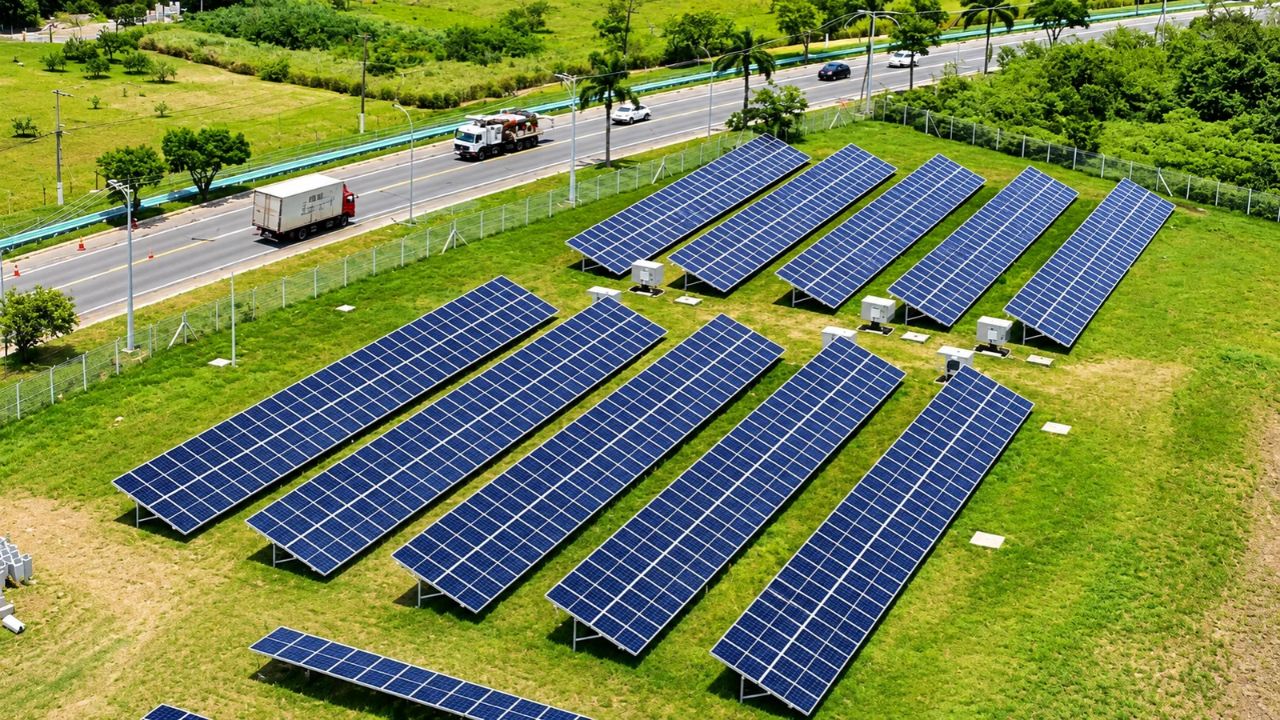

Federal Fluminense University solar power plant opens in Iguaba Grande, Rio de Janeiro, with R$10 million investment, output for 400 homes, and a focus on research and environmental education.
Expected to produce enough electricity each year to match the average consumption of about 400 homes, a new photovoltaic power plant was inaugurated Thursday (19) in Iguaba Grande, in the Lakes Region of Rio de Janeiro state. Developed by the Fluminense Federal University (UFF), the project received R$10 million in investment to combine renewable energy production with the study of technologies used in the solar industry.
The plant is expected to generate between 1.4 million and 1.5 million kilowatt-hours (kWh) of electricity per year. Funding came from the Rio de Janeiro State Research Support Foundation (Faperj), as part of an initiative involving the State Department of Science, Technology and Innovation and supported by the city government.
UFF solar power plant will enable research into different solar generation technologies
Electricity production will provide a basis for work by UFF researchers, who will be able to assess how photovoltaic systems perform while the equipment is operating. The initiative is part of UFV Iguaba, an open-innovation project focused on the solar energy industry.
-
Aneel authorizes renewable energy generation in three Brazilian states, highlighting R$755 million wind projects and R$350 million hydropower plant

-
Casa dos Ventos signs deal to supply 22 average MW of Piauí wind power to Jacobina Mineração’s gold mining operation in Bahia
-
With 319 wind farms operating, Rio Grande do Norte could lose the economic viability of its wind industry within five to 10 years, former Petrobras president warns
-
807.5-MW Três Irmãos hydropower plant, with room for three more generating units and a billion-real dispute in its history, has concession transferred to Axia Energia

By conducting experiments under real operating conditions, researchers will be able to investigate areas including:
- Costs related to equipment operation and maintenance;
- Equipment failures during electricity generation;
- Differences in efficiency among photovoltaic technologies;
- Performance of the systems installed at the plant.
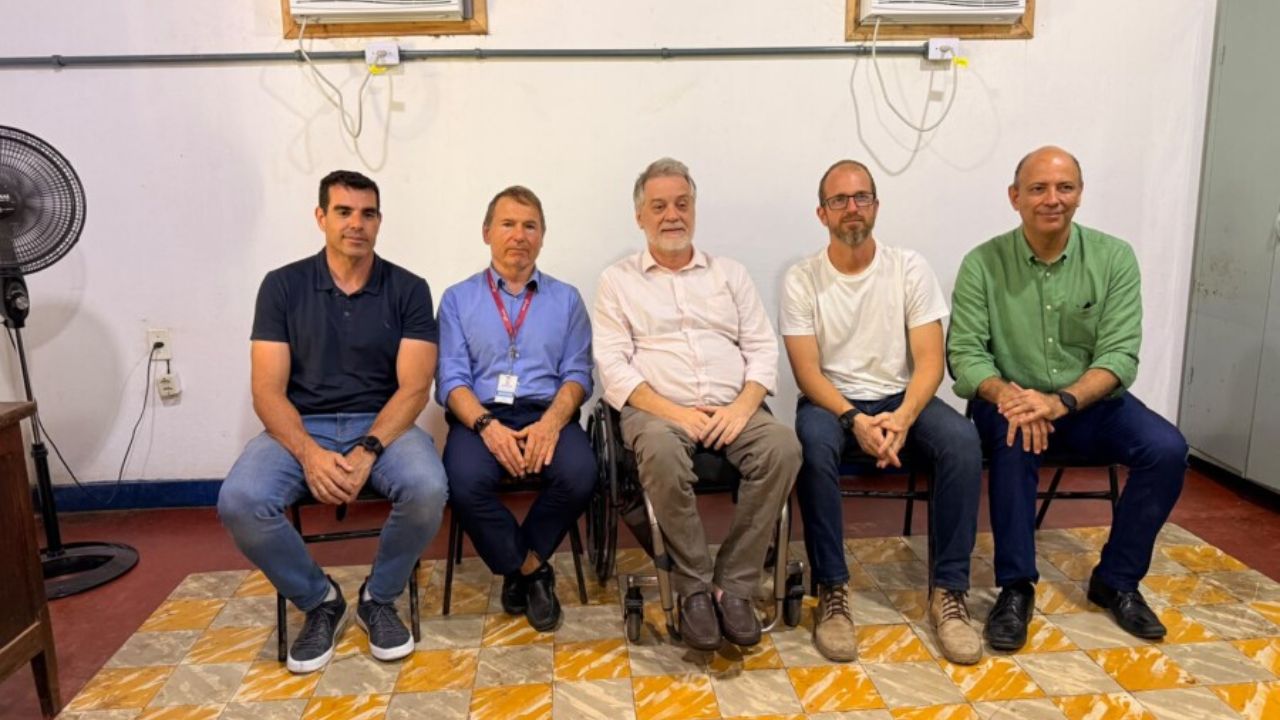
The project is led by Daniel Henrique Nogueira Dias, a professor in UFF’s Department of Electrical Engineering, and involves researchers with a range of specialties, including telecommunications, civil engineering, and electrical engineering.
Antonio Claudio Lucas da Nóbrega, Rio de Janeiro’s secretary of science, technology and innovation, said the knowledge generated in Iguaba Grande could help assess technologies with potential applications in other parts of the state.
Professional training is also among the project’s goals. UFF acting rector Fábio Passos said the new laboratory creates opportunities to develop technological solutions for society while expanding the university’s work in teaching, research, and community outreach.
Solar power could benefit families and bring students closer to scientific research
Beyond academic work, the project includes initiatives to bring residents of the region closer to activities carried out by the university. One possibility is using the electricity produced to benefit families facing socioeconomic hardship through mechanisms included in the initiative.
Environmental education will also be part of the laboratory, which may host students from public schools in the Região dos Lagos. The visits will give students a firsthand look at how solar generation works, complementing the science outreach activities planned by UFF, Fluminense Federal University.
The site brings together two of the university’s areas of focus: research into renewable technologies and biodiversity conservation. Affiliated with the School of Veterinary Medicine, the Iguaba Grande Experimental Center (Neig-UFF), where the plant was installed, covers approximately 1.7 million square meters within the Serra de Sapiatiba Environmental Protection Area (APA).
The region is home to a variety of species, some of them threatened with extinction, and the university already uses the site for academic projects related to natural resource conservation. Mayor Fabinho Costa said the laboratory’s arrival represents an opportunity to expand learning and research opportunities in the municipality.