Portuguese
 Spanish


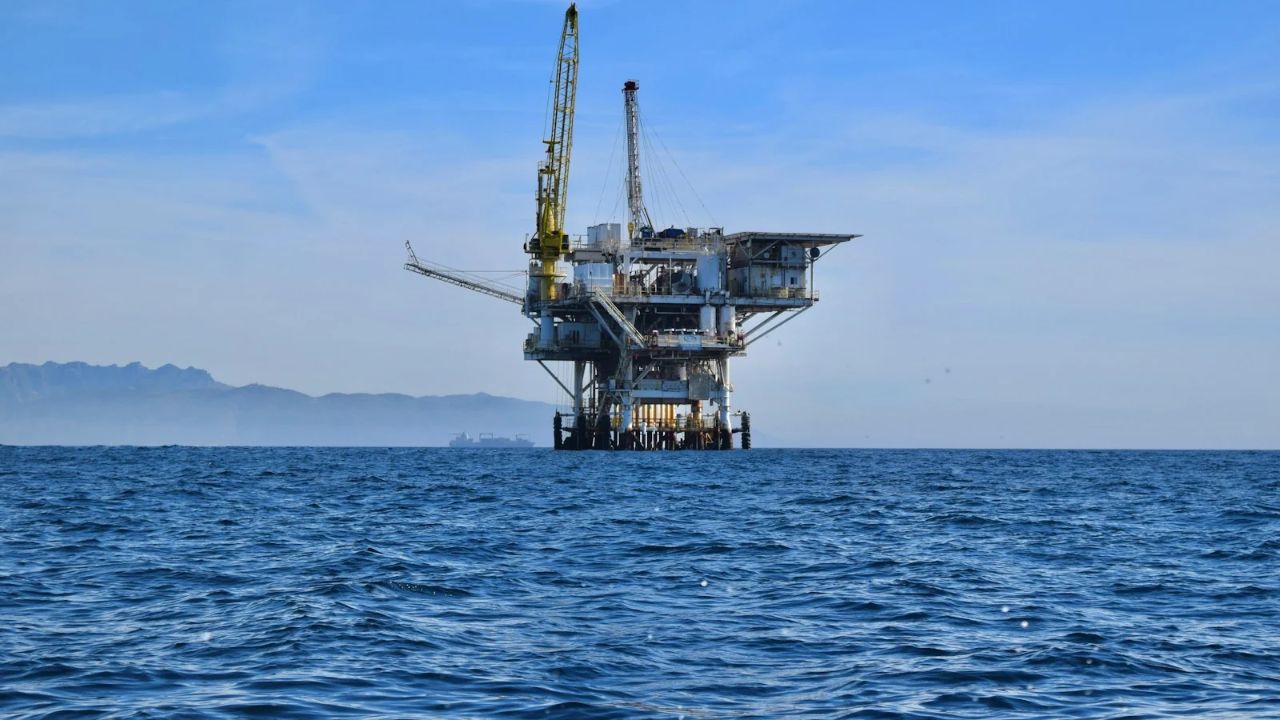

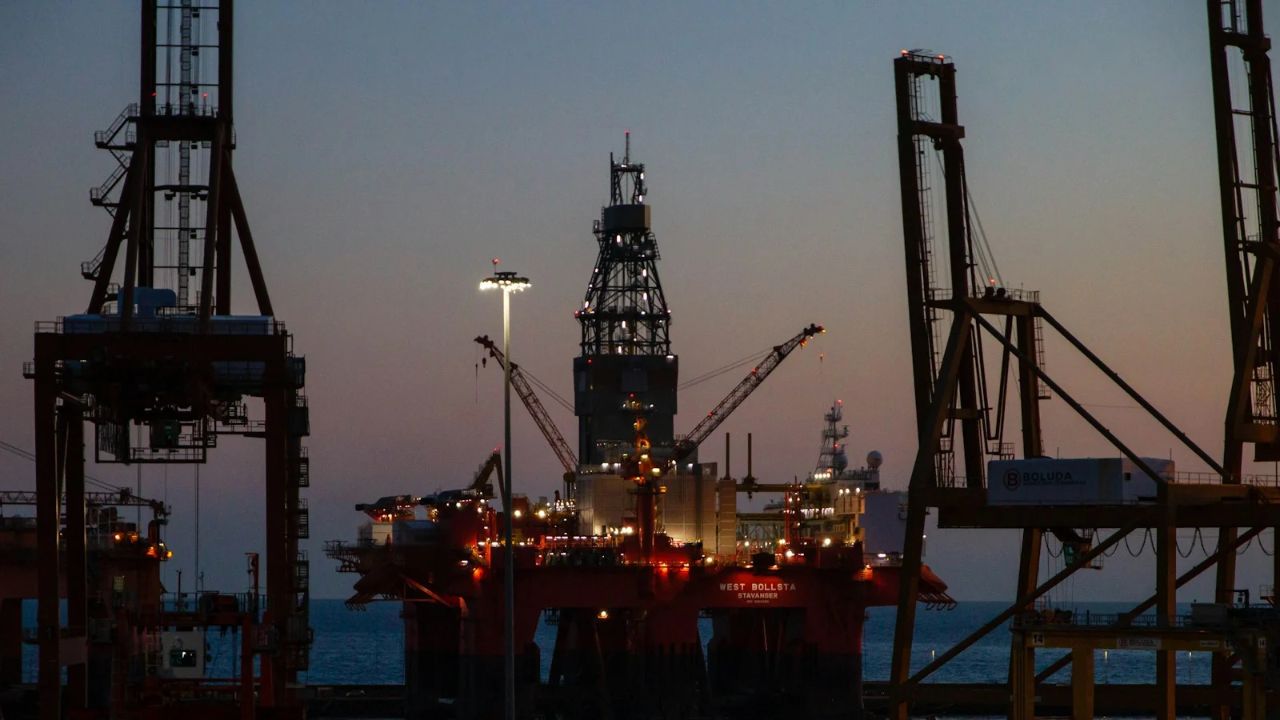
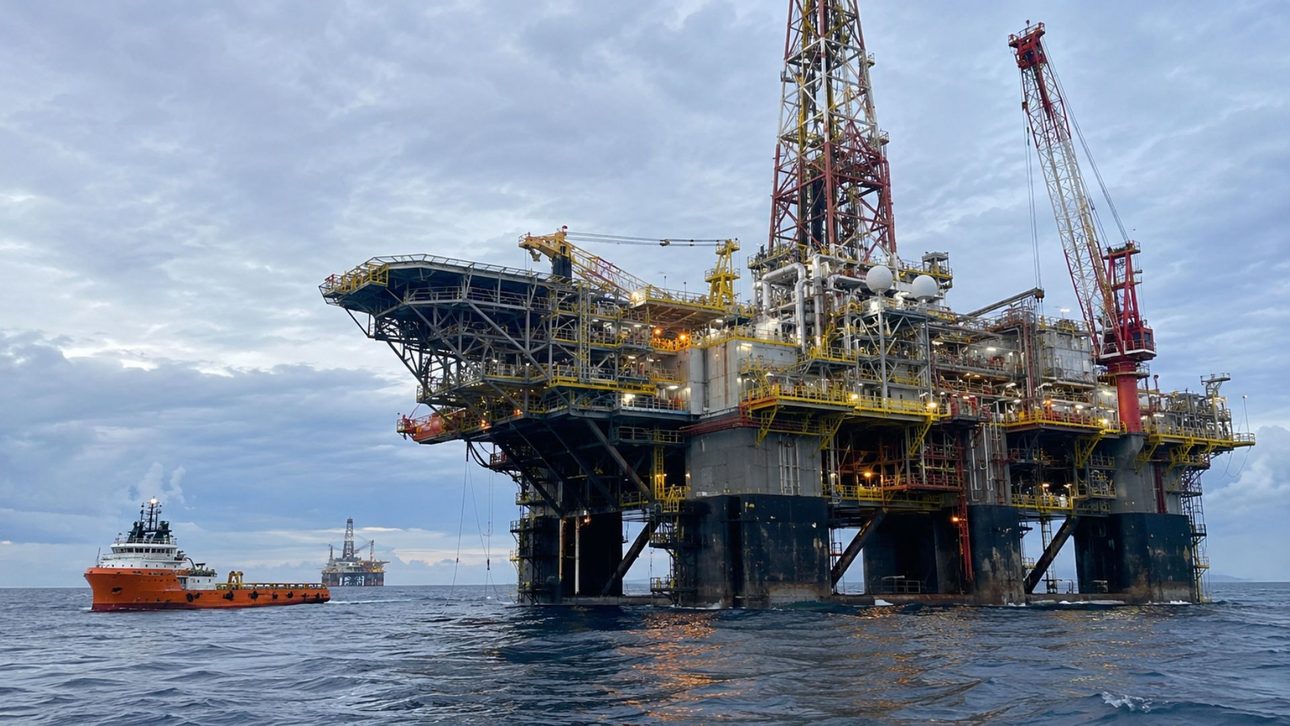
Malaysia’s Petronas and Suriname’s national oil company Staatsolie approved KrakaWi, Suriname’s first offshore gas project. The LNG floating production unit is expected to produce 1.5 million metric tons of LNG per year starting in 2030.
Suriname, Brazil’s neighbor in northern South America, will produce natural gas offshore for the first time. Malaysia’s Petronas and Suriname’s national oil company Staatsolie made the final investment decision to develop the Sloanea field in Block 52, in a project worth about $1.6 billion.
Petronas announced the decision on November 26, 2026, in Paramaribo, during Suriname’s independence celebrations, according to Trend News Agency. Offshore Technology reported the project’s cost and capacity. Named KrakaWi, the project will use an LNG floating production unit to turn gas into liquefied natural gas (LNG) offshore, the first of its kind in the region.
What an LNG production vessel does
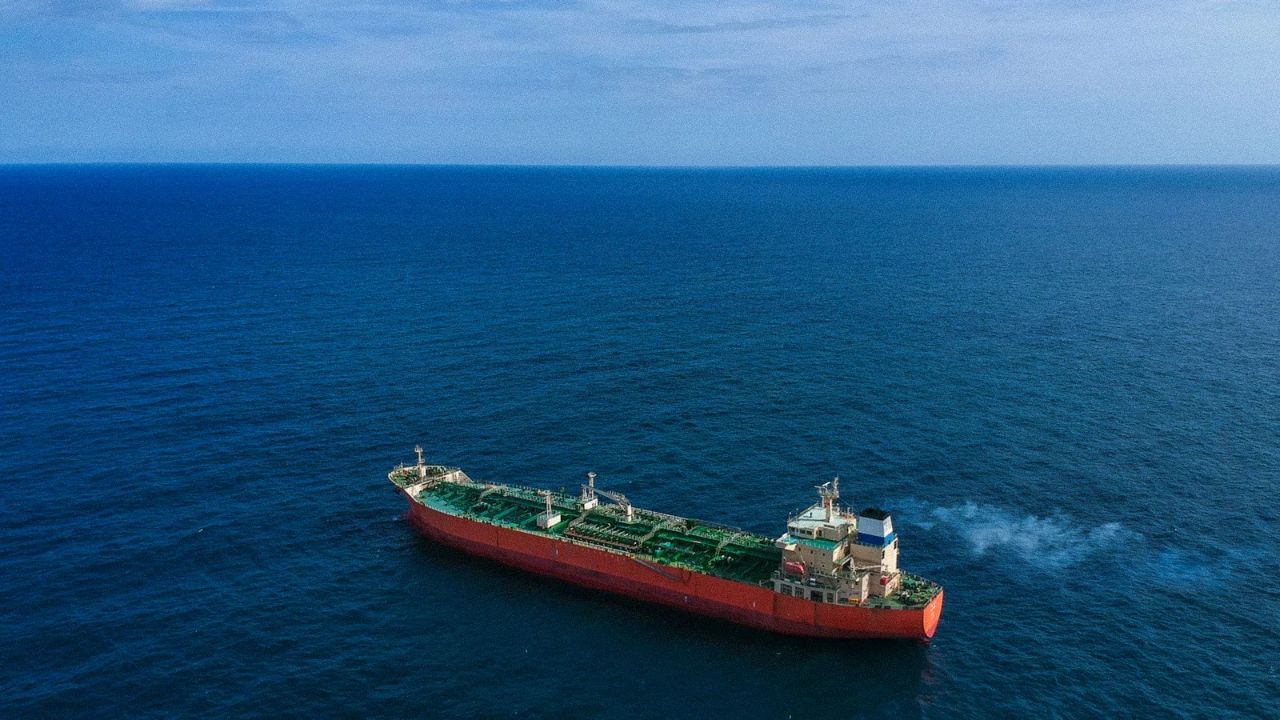
At the heart of the project is an LNG floating production unit, short for floating liquefied natural gas. It is a type of production vessel that receives gas from wells, cools it to about 160 degrees below zero and turns it into a liquid. The LNG can then be loaded directly onto LNG carriers and sold to other countries.
-
Brazil becomes the world’s largest offshore oil producer thanks to presalt output, but reinjects nearly half its gas and sells little of it

-
Australia approves reserve of up to 20% of exported gas, changing rules for LNG giants

-
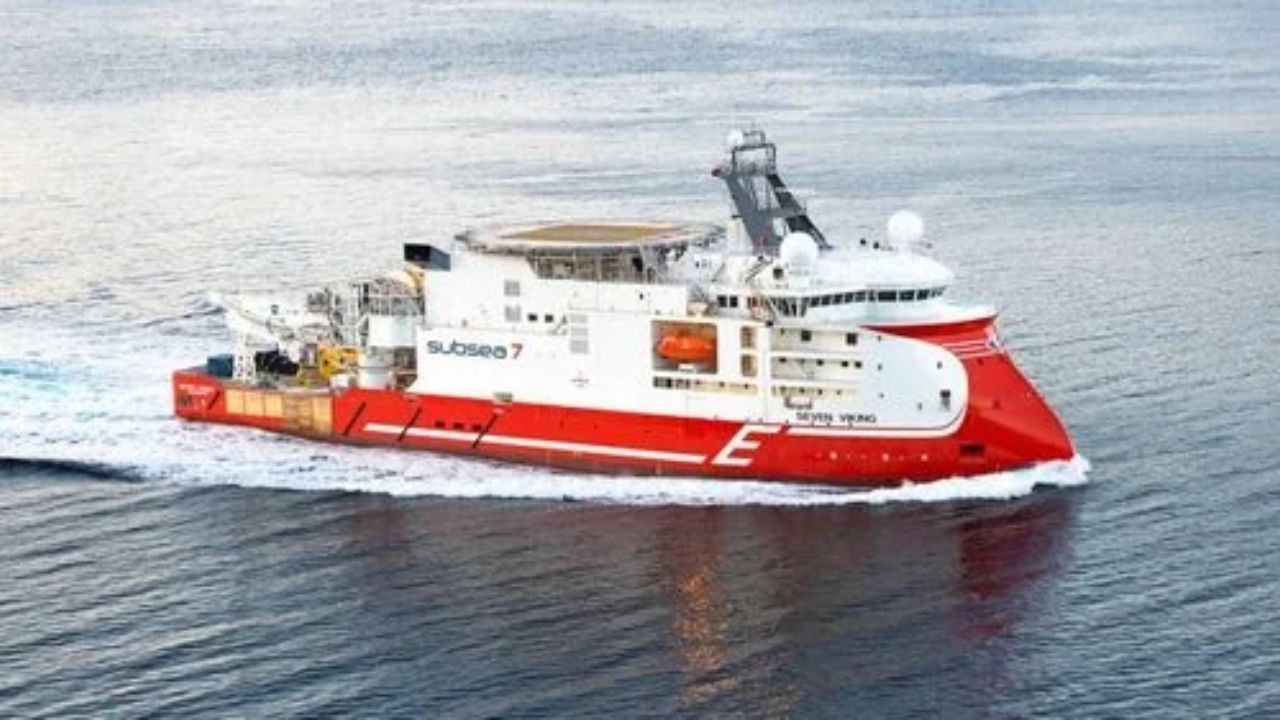
Subsea7’s 13-year-old Seven Viking secures another year of Equinor work in the North Sea under a contract worth up to $150 million through 2028
-
Oil prices rise again after attack hits 400,000-barrel-a-day refinery as OPEC decision nears
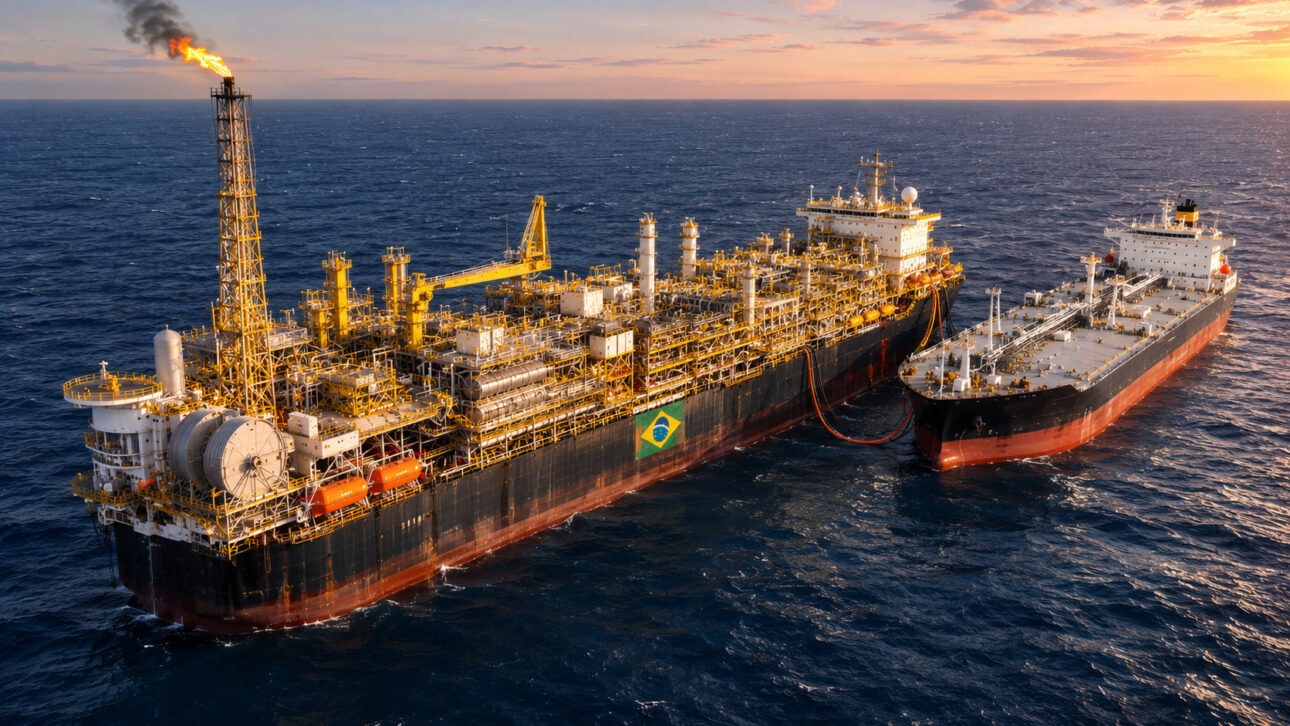
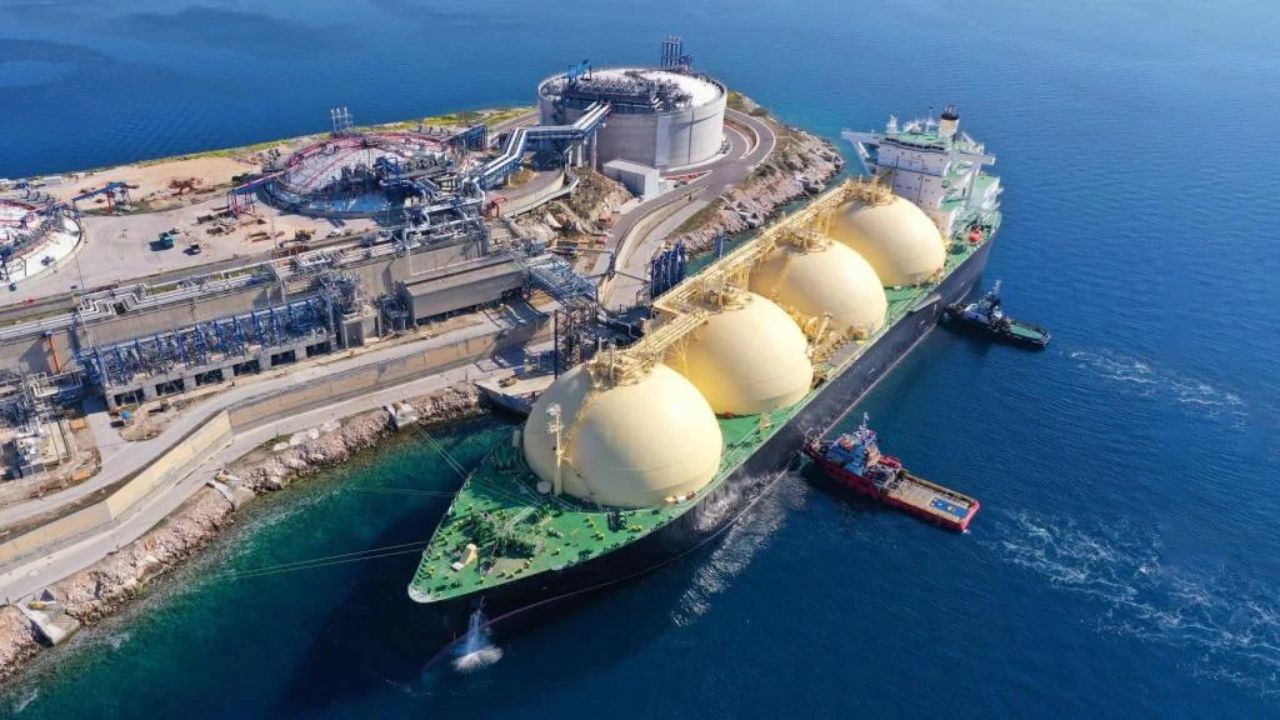

The advantage is that it eliminates the need for an onshore liquefaction plant, which would require a long pipeline and a much larger construction project. For a country the size of Suriname, this lowers the cost and shortens the time needed to bring gas to market.
The LNG floating production unit will be about 120 km offshore, in water about 450 meters deep. Chinese company Wison New Energies, hired in April 2025, carried out the feasibility study.
The project in numbers
| Item | KrakaWi (Sloanea field) |
|---|---|
| Investment | about $1.6 billion |
| Production wells | 4 |
| LNG floating production unit capacity | about 1.5 million metric tons of LNG per year |
| Distance from shore | about 120 km |
| Water depth | about 450 meters |
| Production start | mid-2030 |
| Partners | Petronas (80%, operator) and Paradise Oil/Staatsolie (20%) |
Staatsolie’s share of the spending is expected to be about $320 million, according to Splash247. That figure is consistent with the national oil company’s 20% stake in the block, based on this publication’s calculation.
From the 2020 discovery to the 2026 decision
The production-sharing contract for Block 52 was signed in 2013. The Sloanea-1 discovery came in December 2020, and the Sloanea-2 appraisal well was drilled in 2024 to confirm the size of the reservoir. The field was declared commercial in November 2025.
Along the way, ExxonMobil, a former partner in the block, decided to leave the area at the end of 2024. Petronas remained the operator, and Staatsolie took a 20% stake through its subsidiary, Paradise Oil Company.
The name KrakaWi comes from Sranan Tongo, a language spoken in Suriname. “Kraka” conveys the idea of supporting and strengthening, while “Wi” means “we” or “together”.
Why gas matters to Suriname
Staatsolie Director General Annand Jagesar said gas production could remain at a relatively stable level for 25 years, unlike oil production. He also said that, in some reservoirs, oil production would only be possible if the gas is processed.
Jagesar said the project prepares the country for future projects that would bring gas onshore, potentially expanding the supply of cleaner electricity. Suriname President Jennifer Geerlings-Simons said the project affects the entire country and is a shared responsibility.
KrakaWi joins GranMorgu, an oil project by TotalEnergies and APA in Block 58 that is expected to begin operations in 2028. Carla Teles has previously reported at CPG that SBM Offshore signed a contract to operate Suriname’s first FPSO.
Petronas’s LNG bet
For Petronas, the project opens up a new source of LNG in South America and diversifies the company’s global portfolio. Company President Tengku Muhammad Taufik said gas would remain essential to global energy security.
The company already has experience with this type of unit. PFLNG Satu, Petronas’s first LNG floating production unit, operates in Malaysia with a capacity of 1.2 million metric tons per year, less than the capacity planned for Suriname.
Petronas has also expanded its presence in the country. In June 2025, it signed a contract for Block 66 in deep waters. In November 2025, it became the operator of Block 9 and joined Block 10 alongside Paradise Oil, Chevron and QatarEnergy.
What this means for Brazil
Suriname lies along the same geological trend as Brazil’s Equatorial Margin, which stretches from Amapá to Rio Grande do Norte. Brazil’s oil regulator, the ANP, says the geology of the Brazilian region is similar to that of Guyana and Suriname, where major discoveries have already been made.
Progress in neighboring countries is adding pressure to pursue exploration on the Brazilian side, where drilling is still in its early stages. CPG has reported on how Suriname is becoming a new oil hub in Latin America.
Next steps
With the decision made, the project is moving into the execution phase. The next milestone is awarding contracts to build the LNG floating production unit and subsea equipment, an announcement that has not yet been made.
Petronas has pledged to work with the government and Staatsolie to increase local participation through workforce training and opportunities for Surinamese suppliers. Industry watchers will be looking for the announcement of the shipyard selected to build the LNG floating production unit, which will indicate whether the 2030 timeline is realistic.