Portuguese
 Spanish


Funding will expand the Rota do Zebu between Betim and Uberaba, with pedestrian bridges, new lanes and a rest area for truckers.
The BR-262, one of the main highways in Minas Gerais, will get 44.3 kilometers of divided highway and another 168.9 kilometers of additional lanes to improve traffic flow for trucks and other vehicles. The project received R$2.74 billion in financial support from the Brazilian Development Bank (BNDES) and includes work along the corridor between Betim, in the Belo Horizonte metropolitan area, and Uberaba, in the Triângulo Mineiro region.
In a statement first published by BNDES on October 19, 2026, the bank said the funds had been approved for concessionaire Way-262 to carry out expansion, rehabilitation and safety work through 2032. The financing returned to the news on November 19, but that date does not mark a new approval. The package also includes pedestrian bridges, route realignments, runaway truck ramps and a rest area for truckers.
BNDES approves R$2.74 billion to upgrade freight corridor in Minas Gerais
Way-262 operates the so-called Rota do Zebu, a stretch of the BR-262 connecting Betim and Uberaba and crossing industrial, commercial and agricultural areas. The concession covers approximately 439 kilometers, used daily by freight carriers, farmers and motorists.
-
Brazil set for 733-kilometer Minas Gerais–Rio de Janeiro railway auction, with CSN, MRS, and other groups eager to restore tracks and revive freight services

-
Brazilian railways complete 600 projects backed by R$12 billion and plan 1,300 more worth R$30 billion by 2032

-
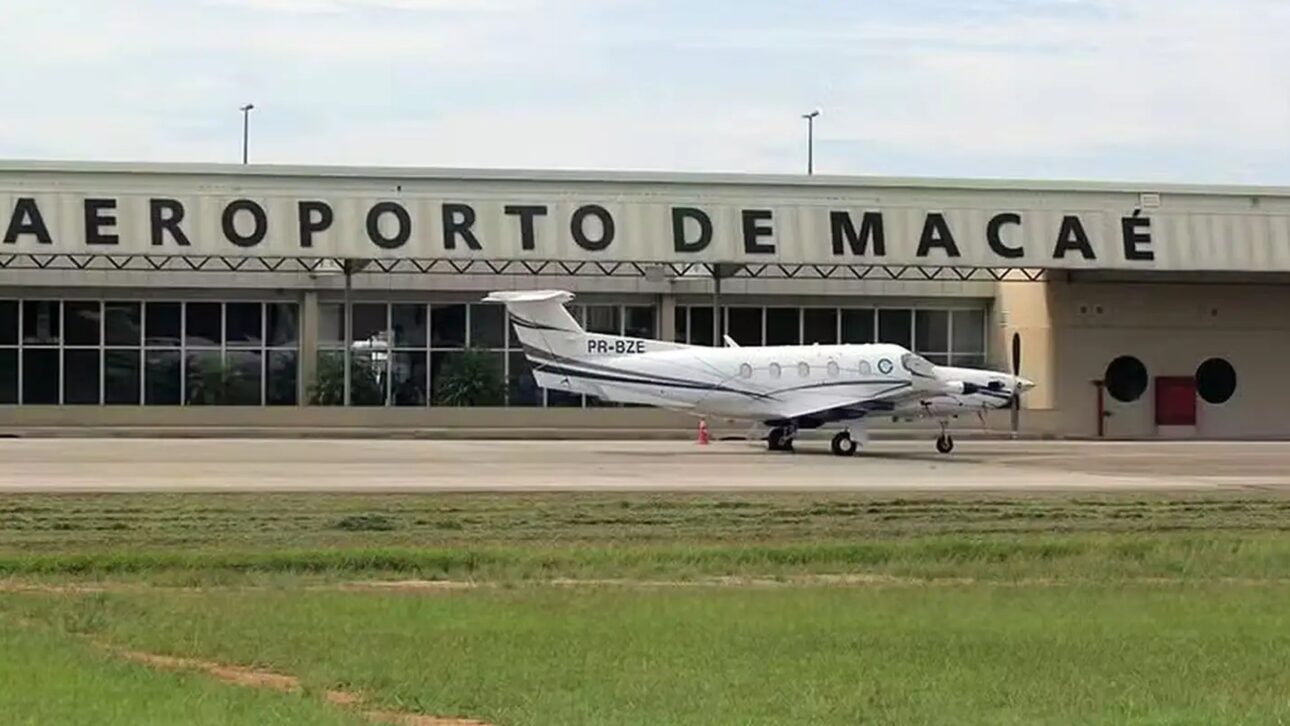
Macaé to resume direct flights to Guarulhos for Campos Basin oil workers on Feb. 17, 2027, with Latam operating three weekly services from its new 1,410-meter runway
-
Brazil could save R$40 billion annually by expanding rail freight and reducing highway truck dependence



The BNDES financing will fund some of the improvements required under the concession contract. The work includes increasing highway capacity, rehabilitating the pavement and installing equipment designed to improve user safety.
Financing package combines R$2.51 billion in bonds and R$229 million in credit
Most of the funding comes from a R$2.511 billion infrastructure debenture offering, a type of debt security used to finance long-term projects. BNDES helped structure and coordinate the transaction.
Another R$229 million was approved through the BNDES Finem credit line, which finances business investments. Of the debenture proceeds, R$450 million falls under the rules of Law No. 14,801/2024.
BNDES said this was its first infrastructure debenture transaction for a highway. The model aims to secure funding for projects that require large outlays over several years.
Widening 44.3 kilometers will separate traffic flows
One of the main planned projects is the widening of 44.3 kilometers of the BR-262. These sections will gain a second roadway, separating traffic moving in opposite directions.

The measure could make passing safer and reduce conflicts among trucks, buses and cars. Widening will take place at the locations specified in the concession plan.
In addition to the new lanes, the project includes pavement rehabilitation and signage upgrades. The goal is to improve safety and increase traffic capacity on the sections receiving investment.
Nearly 169 kilometers of additional lanes will give trucks more room
The project also calls for building 168.9 kilometers of additional lanes at various points along the highway. These lanes increase the space available for traffic without necessarily widening the entire section.
They are especially useful on sections where loaded trucks travel at lower speeds. An additional lane allows other vehicles to pass under safer conditions.
The improvements will be distributed based on the characteristics of each section and the requirements set out in the contract. Brazil’s National Land Transportation Agency (ANTT) will oversee the work.
Eleven alignment corrections and 40 access points and intersections are expected to improve safety
Way-262 will also have to make 11 alignment corrections to improve road features at locations identified in the project. The work may involve changes to the geometry of the roadway and adjustments needed for traffic flow.
Another group of improvements includes 40 interchanges and intersections, both new and redesigned. These are points where vehicles enter, exit or cross different routes, requiring traffic to be properly organized.
The plan also includes 3.6 kilometers of frontage roads. These roads help organize local traffic and reduce some conflicts with vehicles traveling longer distances along the highway.
Seventeen pedestrian overpasses and one runaway truck ramp are included in the package
The financing also covers the construction or modernization of 17 pedestrian overpasses. The structures are expected to improve crossing conditions near urban areas, where residents need to cross the highway.
Another improvement is a runaway truck ramp, which would provide an alternative for heavy vehicles experiencing brake problems. The project also includes 17 noise barriers and three wildlife crossings.
These improvements are part of the safety program required under the concession. Construction must follow the technical designs and schedule monitored by Brazil’s National Land Transport Agency (ANTT).
Truckers to get a rest area on the Rota do Zebu
The contract calls for the construction of a rest area for truckers (PPD, its Portuguese acronym). The facility is to provide a place for professional drivers to take necessary breaks during long-distance trips.
Rest is especially important on corridors used by trucks carrying freight between industrial centers and producing regions. The movement of these vehicles requires careful scheduling of driving shifts and suitable places to stop along the way.
The highway is also set to receive two new toll plazas under the concession terms. These facilities are separate from rest areas and are part of the toll collection system established in the contract.
Construction could generate 1,286 direct and indirect jobs
An estimate released by Brazil’s Development Bank (BNDES) projects 1,286 direct and indirect jobs during the work funded by the financing package. The forecast is tied to the activities needed to widen and rehabilitate the highway.
The work will require earthmoving, paving, drainage and concrete construction. It will also require road-building equipment, traffic-signaling materials and installation services.
30-year concession includes R$8.5 billion for investment and operations
Way-262 officially took over management of the highway on March 20, 2025, after signing the contract with ANTT. The concession runs for 30 years and covers rehabilitation, maintenance, operations and infrastructure expansion.
The original plan calls for approximately R$8.5 billion over the life of the contract. Of that amount, R$4.4 billion is earmarked for construction and infrastructure investments, while R$4.1 billion is allocated to operations and user services.
BR-262 links industrial and agricultural hubs in Minas Gerais
The stretch between Betim and Uberaba serves regions that are important to Minas Gerais’ economy. In the Belo Horizonte metropolitan area, the highway connects to industrial zones and freight distribution centers.
In the Triângulo Mineiro region, the route serves municipalities with strong agricultural and livestock sectors. Uberaba also has industrial companies and connections to other highways used to transport freight.
Improvements to BR-262 could benefit trucking companies that regularly travel the corridor. However, any actual reduction in travel times will depend on completion of the work and future traffic conditions.