Portuguese
 Spanish


Master Agroindustrial’s new facility covers more than 2,500 square meters in Videira, launches the MasterPro division and uses technology to turn bones, fats, viscera and other meatpacking byproducts into higher-value materials.
Master Agroindustrial has opened a R$40 million plant in Santa Catarina capable of processing up to 120 metric tons of raw materials a day, turning byproducts from pork production into ingredients for animal nutrition and the biofuels market.
The facility officially began industrial operations with its inauguration on November 6, 2026, at the Cetrevi Industrial Complex in Videira, in west-central Santa Catarina.
With more than 2,500 square meters of built area, the facility is called the Meal and Oil Plant (FFO) and marks the launch of MasterPro, the company’s new business division.
-
BASF opens R$20 million innovation center in São Paulo, targets a 650,000-ton polyurethane market, and transforms Brazilian industrial complex into technology hub for South America

-
DAF invests R$950 million in Paraná to double truck production capacity by 2029
-
Votorantim Cimentos invests R$330 million in Brazil’s Mato Grosso state, expanding cement output by 60%

-
Neodent Opens R$2 Billion Factory in Curitiba, Expanding Complex to 80,000 m² and Aiming for 15 Million Implants Per Year with Potential 2,000 Jobs by 2031

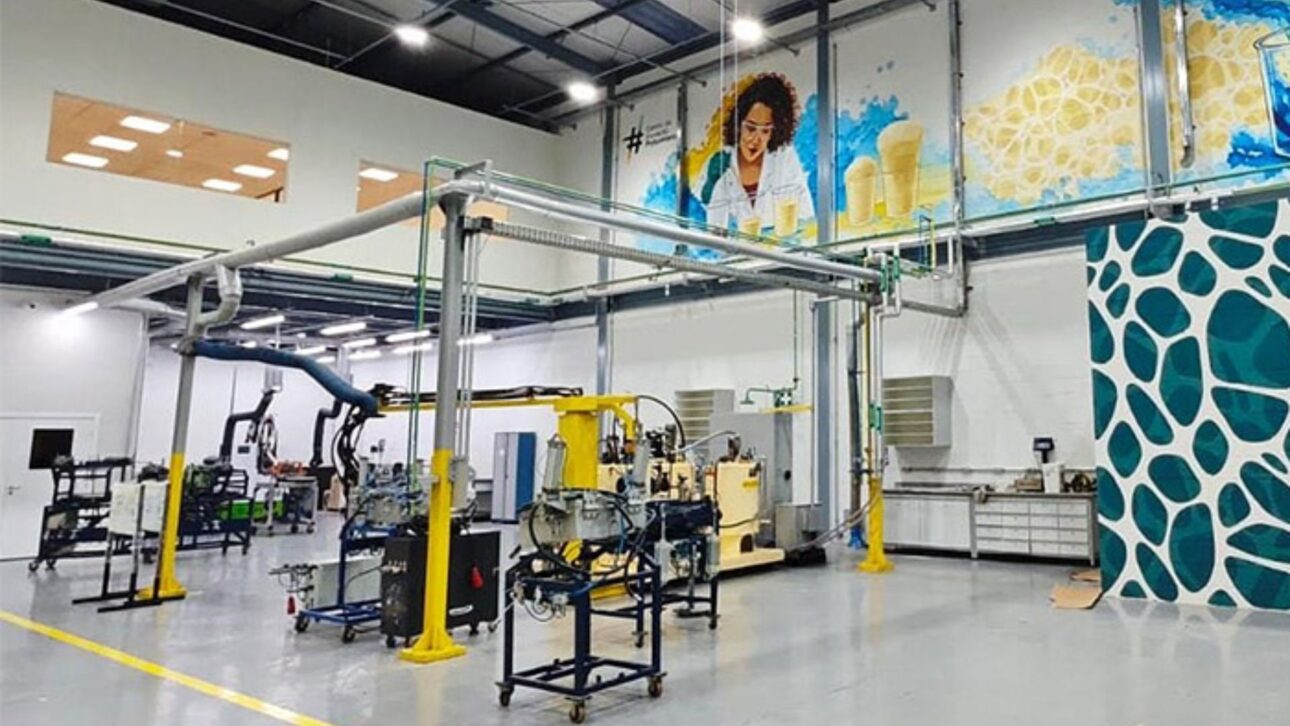


The project is part of the company’s strategic growth plan through 2030 and is supported by the Funding Authority for Studies and Projects (Finep), which is linked to Brazil’s Ministry of Science, Technology and Innovation.
The industrial venture focuses on a raw material that moves through Brazilian meatpacking plants every day: animal parts that are not used for direct human consumption but can be put to economic use in other production chains.
R$40 million plant turns bones, viscera and fats into four industrial products
The new facility’s main distinguishing feature is a process known as rendering, which is used to turn animal byproducts into protein meals, processed fats and other industrial inputs.
In the meatpacking supply chain, meat processing generates materials that differ from those intended for consumers.
These include bones, viscera, hides, fats and other waste from industrial operations.
Instead of sending these materials directly for other forms of disposal, Master will process them in a facility dedicated to recovering their economic value.
According to an official announcement published by Master Agroindustrial on November 11, 2026, the new facility was designed to produce four products:
- Meat meal: a protein ingredient used in formulations approved for animal feed.
- Pork crackling meal: a product made by processing animal tissues, with applications in the animal nutrition industry.
- Bone meal: a mineral ingredient that can provide phosphorus and calcium in formulations.
- Bio-oil: an animal-derived product with potential industrial applications, including in the biofuels supply chain.
The announced daily capacity of 120 metric tons refers to the maximum volume of raw materials the facility can process, not the final quantity of meals and oils it produces.
This distinction matters because industrial yields depend on the characteristics of the materials received, their moisture content and the composition of each batch.
Research aims to replace some of the raw materials used to make animal feed
The new plant also includes research activities focused on developing ingredients for animal nutrition.
Among the projects presented by the company is a bone meal with a high concentration of phosphorus and calcium, developed to offer good digestibility.
Another research line involves a high-protein, low-mineral meat meal.
The goal is to allow these ingredients to partially replace raw materials traditionally used in animal feed production, including dicalcium phosphate and certain plant-based protein sources.
Dicalcium phosphate is used as a mineral source in animal nutrition formulas. The potential for partial substitution depends on nutritional composition, the species being fed and each product’s technical requirements.
For industry, the change could provide greater flexibility in ingredient selection and opportunities to reduce costs.
The strategy also brings together two important stages in the animal protein supply chain: meat processing and the manufacture of ingredients for animal feed.
The result is an industrial utilization model that seeks to extract value from different components of the same raw material.
Bio-oil produced in Santa Catarina opens a path to the biofuels supply chain
One product expanding MasterPro’s commercial opportunities is bio-oil derived from the processing of animal-based raw materials.
Processed animal fats can be part of industrial supply chains for renewable fuels, depending on the material’s characteristics and applicable technical requirements.
The new plant was designed to supply this type of product, creating a sales alternative for materials from the meatpacking industry.
The link between meatpacking plants and biofuels is gaining importance because renewable fuels can be produced from different sources of oils and fats, depending on the technology pathway used.
Master identifies the biofuels sector as one of the potential markets served by the new facility.
The opening marks the company’s entry into the production of raw materials that can supply this segment. Further processing into fuel requires specialized processing at suitable facilities.
This use of materials is also tied to the concept of a circular economy, in which materials generated by an industrial activity return to the market as inputs for new production processes.
MasterPro joins Santa Catarina’s industrial expansion plan through 2030
The opening of the plant in Videira is part of the P30 strategic plan, developed by Master Agroindustrial to guide its growth through 2030.
The new MasterPro division expands the company’s operations beyond pork processing and sales to include products for other industries.
The investment of approximately R$40 million also underscores the importance of the Cetrevi Industrial Complex as a center for processing animal-based raw materials.
The facility will bring together meatpacking operations and a specialized byproduct-processing operation, allowing for greater integration across different industrial stages.
Finep, Brazil’s innovation funding agency, supported the project, including the development of ingredients and solutions aimed at making better use of raw materials.
The arrival of the new facility was highlighted by Grupo AMANHÃ in a report published on November 12, which also linked the project to the company’s expansion of its industrial and technological capacity.
The next step will be to consolidate MasterPro’s commercial operations, develop the new ingredients planned in its research projects and expand the industrial applications of its products.
With the plant now open, Master has a facility capable of processing up to 120 metric tons a day of raw materials generated throughout the meatpacking chain into products for different markets.
The change increases the economic value extracted from pork production and brings Santa Catarina’s industry into a business that connects food, animal nutrition and raw materials for renewable energy.