Portuguese
 Spanish


International project identifies 238 artisanal mining tailings sites in Brazil and prepares studies to recover discarded gold and combat mercury contamination.
Gold that escaped artisanal mining equipment and ended up mixed with mud could be recovered in Brazil. Brazil’s National Mining Agency (ANM) says an international project launched on November 18, 2026, in Brasília, aims to map waste left by artisanal mining, determine how much gold remains in these materials, and study technologies that could reduce the risk of mercury contamination. A preliminary survey has already identified 238 sites, mainly in the states of Pará and Mato Grosso. The initiative involves the Intergovernmental Forum on Mining, Minerals, Metals and Sustainable Development (IGF), the World Bank, and Brazilian institutions.
Survey identifies 238 artisanal mining tailings sites in Brazil
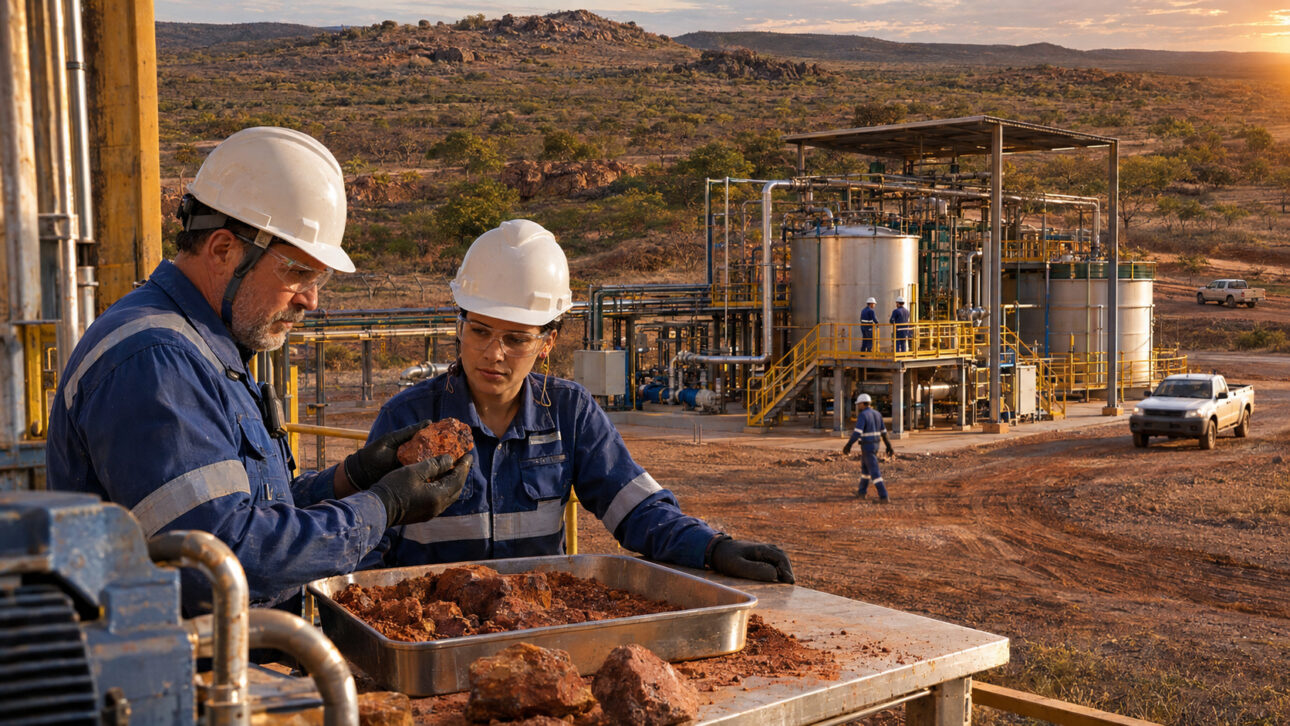
The first step will be to locate the materials left behind after gold extraction. At many artisanal mining sites, large amounts of sand, mud, and rock fragments remain on the ground after processing.
-
Australian miner negotiates R$3.5 billion project in Minas Gerais, evaluates rare-earth refinery for electric-motor industry

-
Lithium miner increases recovery by 23% with unchanged ore volume in Minas Gerais, recovers tailings and prepares 2027 industrial expansion

-
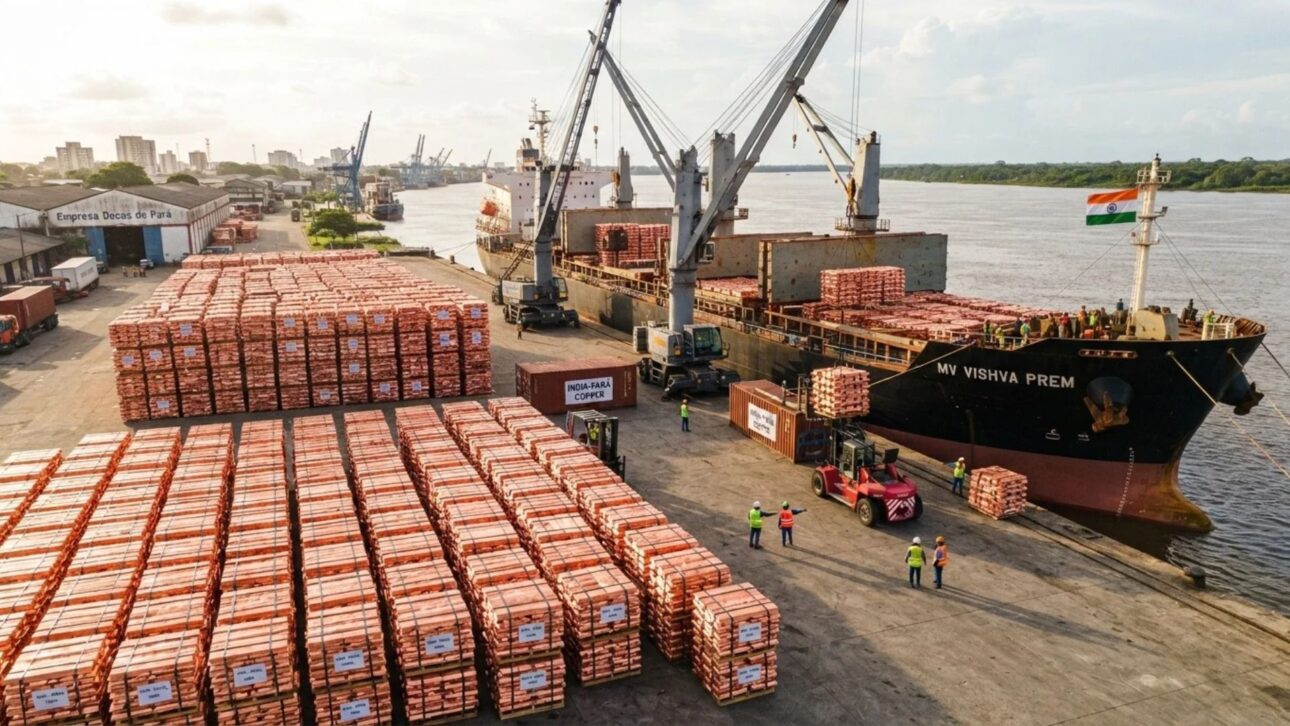
India boosts copper purchases from Pará by 850%, driving US$1.037 billion in sales in 10 months and overtaking traditional markets as the state’s second-largest buyer
-
Brazil prepares 12 new mining projects valued at US$5.9 billion for 2027, with construction spanning iron ore to rare earths and intensifying competition for strategic minerals
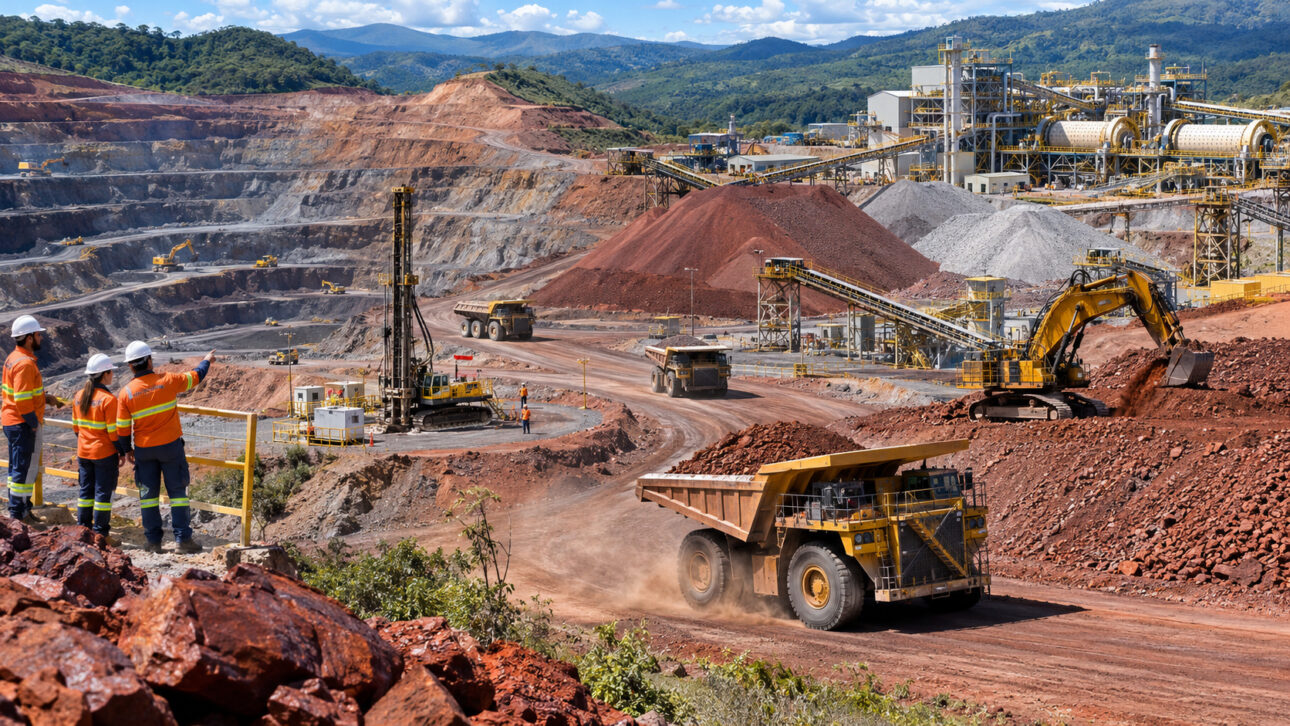


These materials are known as artisanal mining tailings. Although discarded, they may still contain gold particles that older equipment was unable to recover.
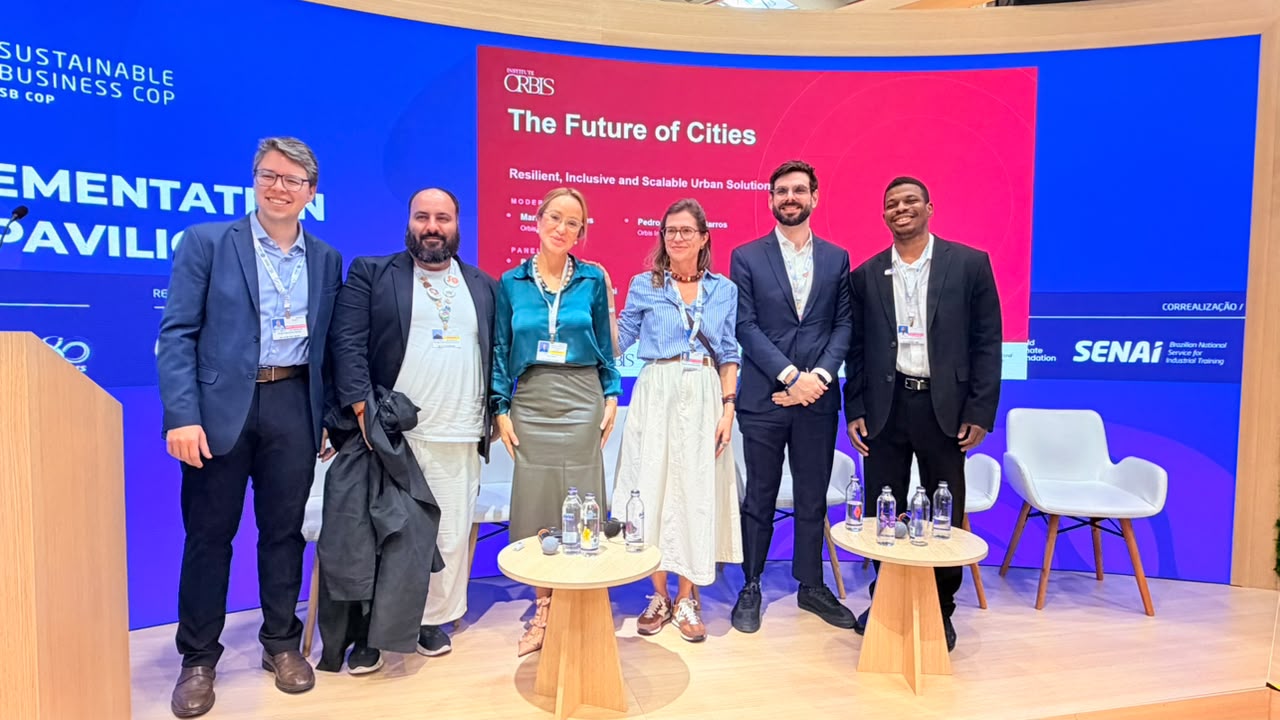
At the project launch, Jonathan Hamisi, an IGF senior policy adviser, said the initial survey had found 238 sites with artisanal mining tailings, concentrated mainly in Pará and Mato Grosso.
The figure does not yet represent a complete inventory. More sites may be identified as work progresses.
The project aims to compile information on site locations, tailings composition, gold content, and potential contaminants.
Older techniques can leave up to 70% of gold in discarded material
A figure presented by the ANM helps explain the economic interest in these deposits. Luis Mauro, the agency’s manager for combating unauthorized mining, said rudimentary techniques used in some artisanal mining operations can leave 60% to 70% of the gold in discarded material.
This happens because some equipment cannot separate all the gold particles in the ore.
During processing, some of the gold remains mixed with sand and other materials. It is eventually deposited with the tailings.
These percentages do not automatically apply to every artisanal mining site. The amount of gold lost depends on the ore’s characteristics and the methods used. To determine how much gold actually remains in the tailings, researchers will need to collect samples and conduct laboratory analyses.
World Bank and IGF join project to recover gold in Brazil
Brazil was selected for a pilot project led by the IGF in partnership with the World Bank.
The initiative is called Management and Reprocessing of Artisanal and Small-Scale Gold Mining Tailings.
The project grew out of studies released by the IGF in 2024 that pointed to a lack of organized information about waste produced by artisanal mining.
Without knowing the volume and composition of the deposits, it is difficult to estimate cleanup costs or select suitable equipment.
In Brazil, the work brings together representatives of the federal government, artisanal miners’ cooperatives, universities and research institutions. The ANM, Brazil’s mining regulator, is an institutional partner. At this stage, the initiative is focused on organizing the studies and identifying areas that could undergo detailed analysis.
Researchers will investigate how much gold and mercury the tailings contain
After the mapping, researchers are expected to study the composition of the materials found. Samples will undergo chemical analyses and mineral separation tests. The goal will be to determine how much gold remains in the deposits and which substances are mixed in with the waste.
One of the main contaminants under investigation is mercury, which is used in some artisanal mining operations to help separate gold.

The results will help determine which deposits are suitable for mineral recovery.
One site may contain enough gold to warrant further study. Another may have a low concentration of the metal or pose significant environmental risks.
Mercury used in artisanal mining can contaminate rivers and fish
Mercury can bind to gold, making it easier to separate the gold from other materials. The problem arises when the substance is released into the environment or remains mixed in with artisanal mining tailings.
The metal can reach rivers and sediment. Under certain conditions, it is converted into compounds that accumulate in aquatic organisms.
A study by Fundação Oswaldo Cruz, cited by Brazil’s Federal Prosecution Service, found mercury levels above the study’s threshold in 21.3% of the fish tested. The samples came from 17 municipalities in six Amazonian states.
New technologies will be assessed to recover gold safely
One challenge for the project will be to find methods that can treat the tailings without causing further environmental damage. The ANM says mercury will need to be removed or controlled before the gold is recovered.
No single technology has yet been selected for all the deposits identified. Researchers are expected to test alternatives and determine how each process performs with different types of material.
This involves measuring equipment efficiency, costs and contamination risks.
A technology that works well with sandy tailings may produce different results with materials containing a lot of clay. Researchers will also need to determine how to properly dispose of the mercury removed during treatment.
Mercury-free techniques are already showing promise in Brazilian research
Other initiatives in Brazil are seeking to replace mercury in gold extraction itself. In May 2026, Brazil’s Federal Prosecution Service recommended creating a national program to support the technological transition of artisanal mining.
The alternatives include equipment that uses water, gravity, centrifuges and vibrating tables to separate gold.

These methods take advantage of differences in the materials’ weight, without adding mercury. Data presented by Brazil’s Federal Prosecution Service (MPF) indicate that certain gravity-separation techniques can achieve gold recovery rates of 80% to 90%.
Traditional methods that use mercury, by contrast, have estimated yields of 20% to 40%, depending on processing conditions.
Tapajós and Mato Grosso are among the areas of interest
The Tapajós region in Pará state was cited by Brazil’s National Mining Agency (ANM) as an example of an area with a high concentration of artisanal mining tailings.
For decades, gold extraction left deposits of processed material at various locations across the region. Mato Grosso also stands out in the preliminary survey.
However, the selection of sites for detailed studies still depends on technical assessments.
Luis Mauro explained that a technology that works well in Tapajós will not necessarily produce the same results in Mato Grosso.
Researchers will therefore need to analyze the materials before recommending equipment or recovery processes. Access to the deposits will also affect the costs of future operations.
Tailings recovery could create new opportunities in mining
Reusing tailings offers an alternative to opening new areas for mineral exploration. Instead of extracting more material from the ground, processing uses waste that has already gone through mining operations.
If the studies confirm economic viability, some deposits could supply gold for new recovery operations.
This could generate business for equipment companies, laboratories, transportation services and specialized workers.
Licensed cooperatives could also take part in discussions about using these materials.
Brazil seeks to reduce mercury use after international agreement
The project is also tied to Brazil’s commitments under the Minamata Convention on Mercury. The international agreement sets out measures to control the circulation of the substance and reduce its environmental and health impacts.
The convention entered into force internationally in August 2017 and took effect in Brazil in November of that year.
The activities being monitored include artisanal and small-scale gold mining. In 2026, Brazil’s Ministry of Mines and Energy made progress on drafting the National Action Plan for the sector.
The plan is intended to guide measures to reduce and, where feasible, eliminate the use of mercury. Mapping the artisanal mining tailings could provide information about deposits that need contamination studies.
Next step is to select deposits for recovery tests
The project launched in Brasília still needs to determine which areas will undergo detailed analysis. During the presentation, Dione Macedo, regional coordinator of the Global Coalition for Action on Artisanal and Small-Scale Gold Mining, said funding had been earmarked for studies to characterize the tailings.
The next step involves organizing the participating institutions, selecting sites and preparing to collect samples.
Researchers can then test equipment and assess recovery costs. No timeline has yet been announced for commercial gold production resulting from the initiative.
For now, 238 identified sites provide a starting point for investigating material left behind by artisanal mining.