
India boosts copper purchases from Pará by 850%, drives more than US$1 billion in sales and reshapes the state’s export rankings in 2026.
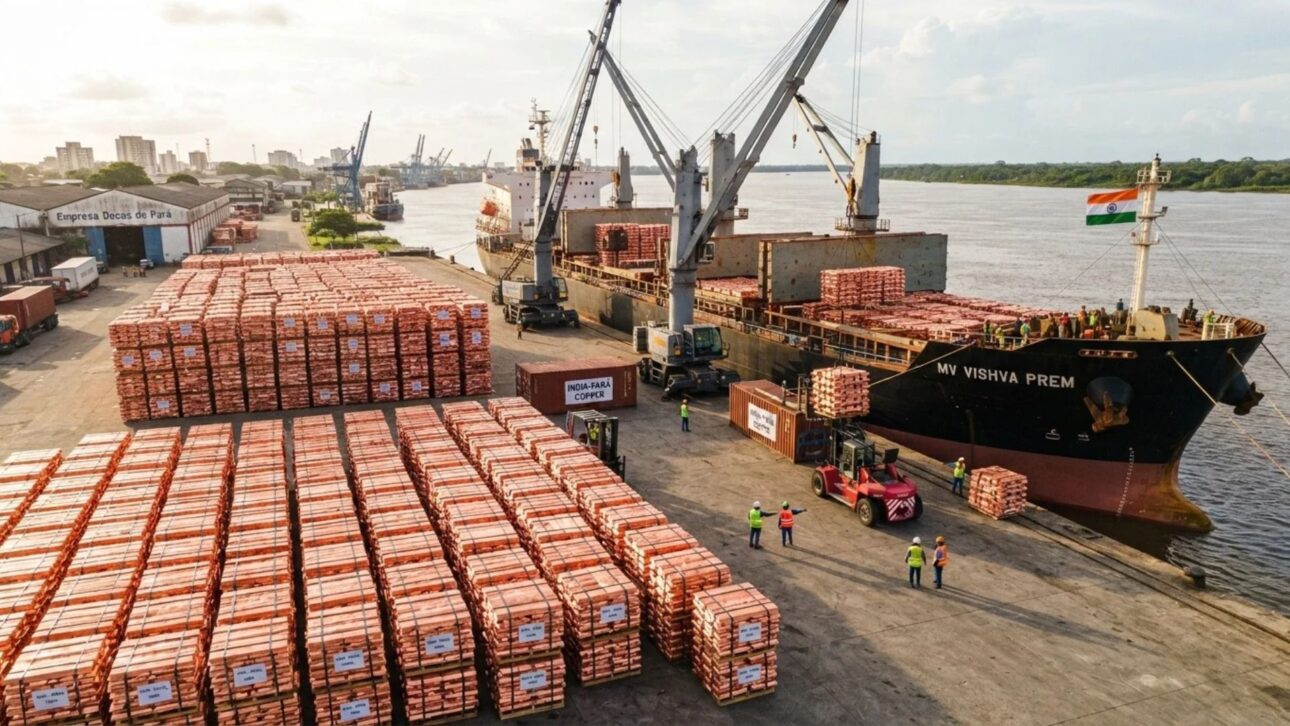
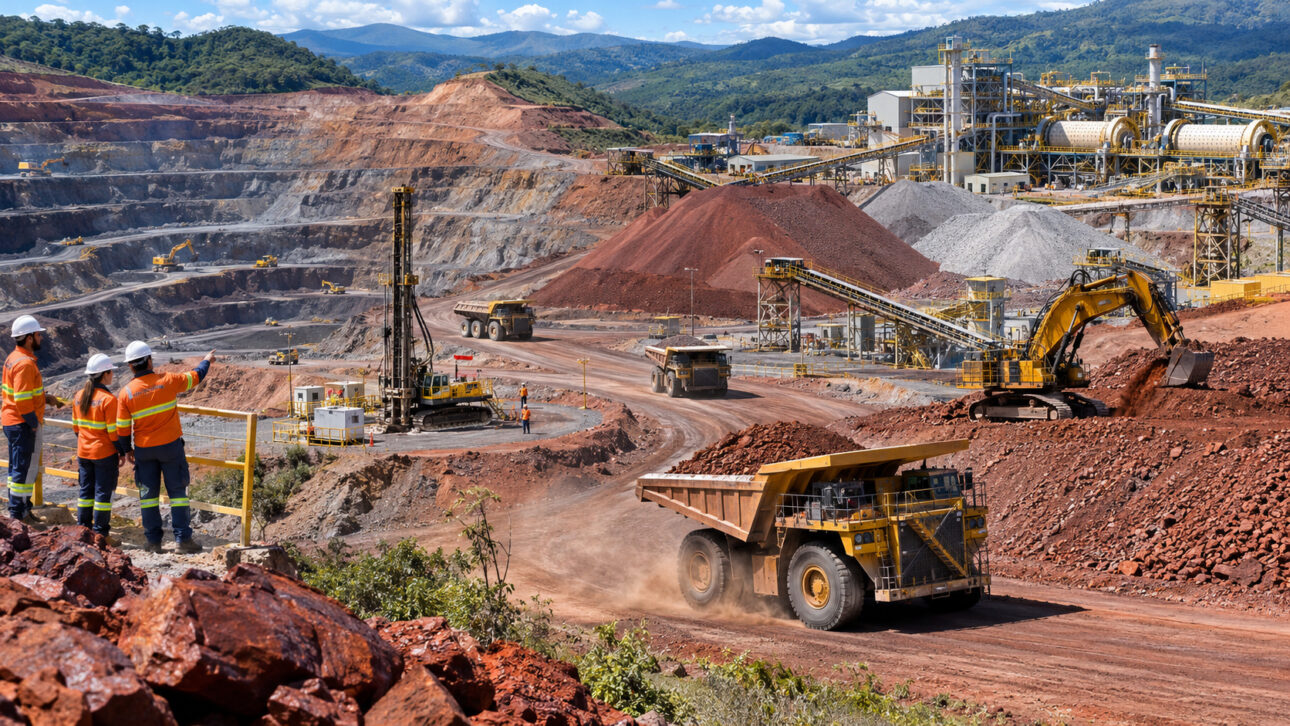
Copper ore mined in Pará is finding a new large-scale destination: India. Between January and October 2026, shipments to the Asian country surged from 32,700 to 218,100 metric tons, while export revenues rose 850.18%. Sales reached US$1.037 billion, lifting India from 12th to second place among the largest buyers of products from Pará, behind only China. The increase comes as India’s industry expands its use of the metal in power grids, transportation and industrial equipment.
The newspaper O Liberal reported in a survey published on November 22, 2026, using data from Comex Stat, the official system of Brazil’s Ministry of Development, Industry, Trade and Services (MDIC, by its Portuguese initials), that sales of copper ore and concentrates to India rose from US$109.17 million in 2025 to US$1.037 billion in 2026, comparing the same 10-month periods. The news outlet Cidades e Minerais also highlighted the figures on November 25. The growth reflects a shift in Pará’s foreign trade: the state remains dependent on Chinese purchases but has begun selling larger volumes of copper to other Asian markets.
Indian copper purchases surge 850% in just 10 months
From January to October 2025, Pará exported US$109.17 million worth of copper ore and concentrates to India. In the same period of 2026, revenue reached US$1.037 billion.
-
Brazil prepares 12 new mining projects valued at US$5.9 billion for 2027, with construction spanning iron ore to rare earths and intensifying competition for strategic minerals

-
Billion-Dollar Mining Project in Piauí Aims to Produce 27,000 Metric Tons of Nickel and 900 Metric Tons of Cobalt Annually to Supply Industry
-
Canadian miner negotiates $135 million purchase of Pará gold mine, targets annual production of 110,000 ounces
-
Ceará’s R$2.5 billion uranium and phosphate project advances after Funai decision but still awaits environmental approval from Ibama
The difference amounts to approximately US$928 million in additional sales. The percentage increase was 850.18%, based on the value of exported goods.
The increase was not driven solely by higher copper prices. Shipment volumes also rose, pointing to a substantial expansion in the physical quantities purchased by the Indian market.
The data cover copper ore and concentrates, not exclusively refined metallic copper ready for use in factories.
India climbs from 12th to second among Pará’s buyers
The increase in copper sales helped India climb the ranks in Pará’s foreign trade. The country, which ranked 12th in 2025, became the second-largest destination for the state’s exports in 2026.
Taking all products sold by Pará into account, exports to India reached approximately US$1.41 billion in the first 10 months of the year.
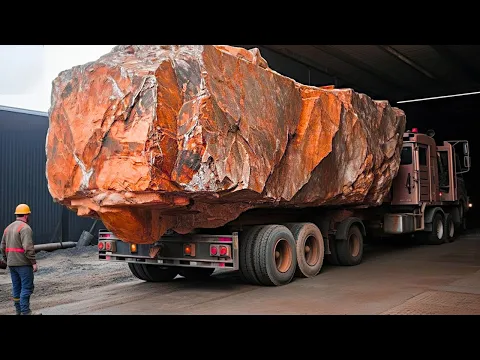

That total represents a 249.77% increase from the same period in 2025. Copper accounted for approximately 74% of revenue from the Indian market.
The two figures differ in scope: US$1.037 billion covers copper ore and concentrates, while US$1.41 billion includes all products the state exported to India.
Volume of ore shipped grows nearly sevenfold
The figures also show a change in the amount of copper ore sent abroad. In the first ten months of 2025, shipments to India totaled 32,700 metric tons.
In 2026, the volume reached 218,100 metric tons, a 566.79% increase. The difference represents approximately 185,400 additional metric tons.
The increase in export value was even greater than the rise in volume. This difference indicates an increase in the average declared value per metric ton.
Indian industry’s demand for copper reaches 2.1 million metric tons
The expansion of purchases from Pará comes as India increases its copper consumption. Data from the International Copper Association India show demand of 2.1 million metric tons in the fiscal year ended in March 2026.
The volume represents a 12.1% increase over the previous fiscal year. The largest expansion was in the infrastructure sector, where consumption rose 29%.
The transportation sector also increased its use of the metal, with growth of 14%. The figures reflect the need for materials for new facilities, machinery and distribution networks.
Copper is used mainly because it conducts electricity efficiently. This property makes the metal essential in cables, motors, transformers and various industrial systems.
Power grids and vehicles drive demand for the metal
Building power grids requires large quantities of cables and electrical equipment. Copper is used in systems that carry electricity from power plants to homes and factories.
The metal is also used to manufacture electric motors, chargers, solar panels and transportation equipment. In India, technologies associated with emissions reductions, including solar power and electric vehicles, consumed approximately 144,000 metric tons of copper in the fiscal year ended in March 2026.
These sectors help explain the growth in demand for the product. However, trade records alone do not make it possible to identify the end use of each shipment exported from Pará.
Pará accounts for 73.5% of Brazil’s copper production
Exports are growing in a state that already accounts for a large share of Brazil’s copper mining. The Pará State Mineral Industries Union (Simineral) says Pará accounted for 73.5% of national copper production in 2025.
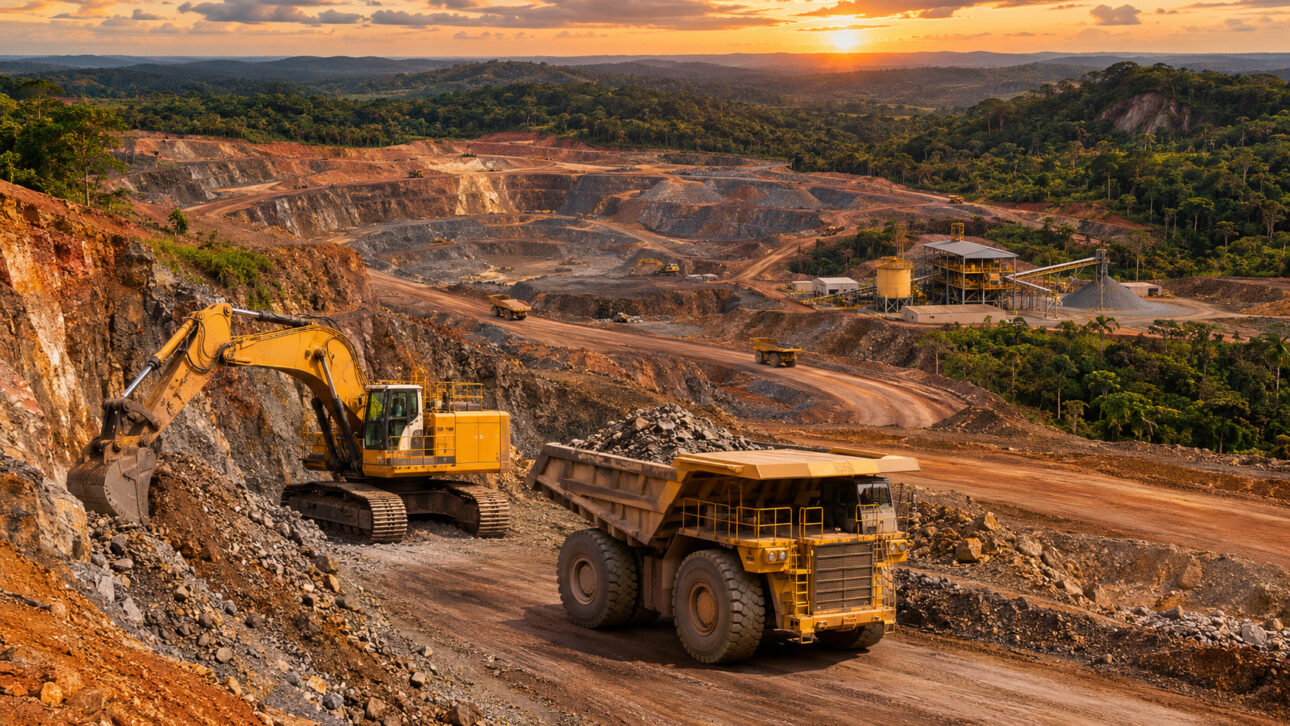
Mining activity is concentrated mainly in the Carajás region, where mines and industrial facilities extract and process metal ores.
Initial processing separates some materials with no commercial value and produces concentrates with a higher copper content.
These products can be sent to industrial facilities for further processing until they yield the metal used by industry.
Mining in Pará generated US$8.67 billion in the first half
Sales to India are part of broader growth in the state’s mineral exports. From January through June 2026, Pará exported US$8.67 billion worth of mineral products, a 23.5% increase from the same period in 2025.
Copper was one of the main drivers of the increase. Two product groups linked to the metal accounted for 84.8% of the growth in mineral exports during the first half of the year, according to Simineral.
The activity also boosted government revenue. The Financial Compensation for the Exploitation of Mineral Resources (CFEM), Brazil’s mining royalty, totaled R$1.49 billion. Over the same period, the state’s mineral extraction industry recorded a net gain of about 960 formal jobs.
China remains the top buyer but loses share of exports
While India increased its purchases, China reduced the value of its imports from Pará. From January to October 2026, total exports to the Chinese market reached US$8.24 billion, down 9.96% from the same period in 2025.
China’s share of the state’s exports fell from 50.71% in 2024 to 37.89% in 2026, comparing the first 10 months of each year. China remains Pará’s largest buyer, well ahead of India.
The biggest change was in iron ore. Sales of the product to China fell from about US$6.8 billion to US$6.3 billion, a decline of 7.16%.
China’s property crisis weighs on iron ore purchases
Iron ore is used mainly to make steel, a material essential for buildings, bridges and industrial equipment. The slowdown in China’s property market has weighed on steel demand and affected international iron ore purchases.
Emerson Rocha, Simineral’s executive president, said the decline in imports is linked to slower construction activity and changes in China’s steel industry.
Iron ore still accounts for about 77% of the value of Pará’s exports to China. Despite the downturn, China remains a key buyer for the state’s mines and logistics systems.
Taiwan also increases purchases of copper from Pará
India is not the only Asian market that has increased its purchases. Taiwan has also grown in importance among the destinations for Pará’s mineral products.
From January to October 2026, total exports from Pará to Taiwan reached about US$340 million, more than double the amount recorded in the same period of 2025.
Copper ore and concentrates accounted for about 99% of that total. In October, sales to Taiwan rose from about US$1 million in 2025 to US$21 million in 2026.
The increase comes as Taiwan’s market includes a strong presence of manufacturers of electronic components and semiconductors, which are used in computers, vehicles and communications equipment.
Trade with India opens new outlook for mining in 2027
The International Business Center of the Federation of Industries of the State of Pará (Fiepa/CIN) is tracking the growth of Asian buyers and the shift in China’s share.
Cassandra Lobato, the center’s manager, said the growth of new markets is positive but does not yet establish that the shift will be permanent. The organization expects trade partners to become more diversified in 2027, including opportunities for processed minerals and industrial products.
For now, the results show that Pará sharply increased copper sales to India and Taiwan while recording lower revenue from iron ore exports to China.
In the first 10 months of 2026, India bought US$1.037 billion in copper ore and concentrates from Pará, making the metal the leading product in trade between the two markets.