Portuguese


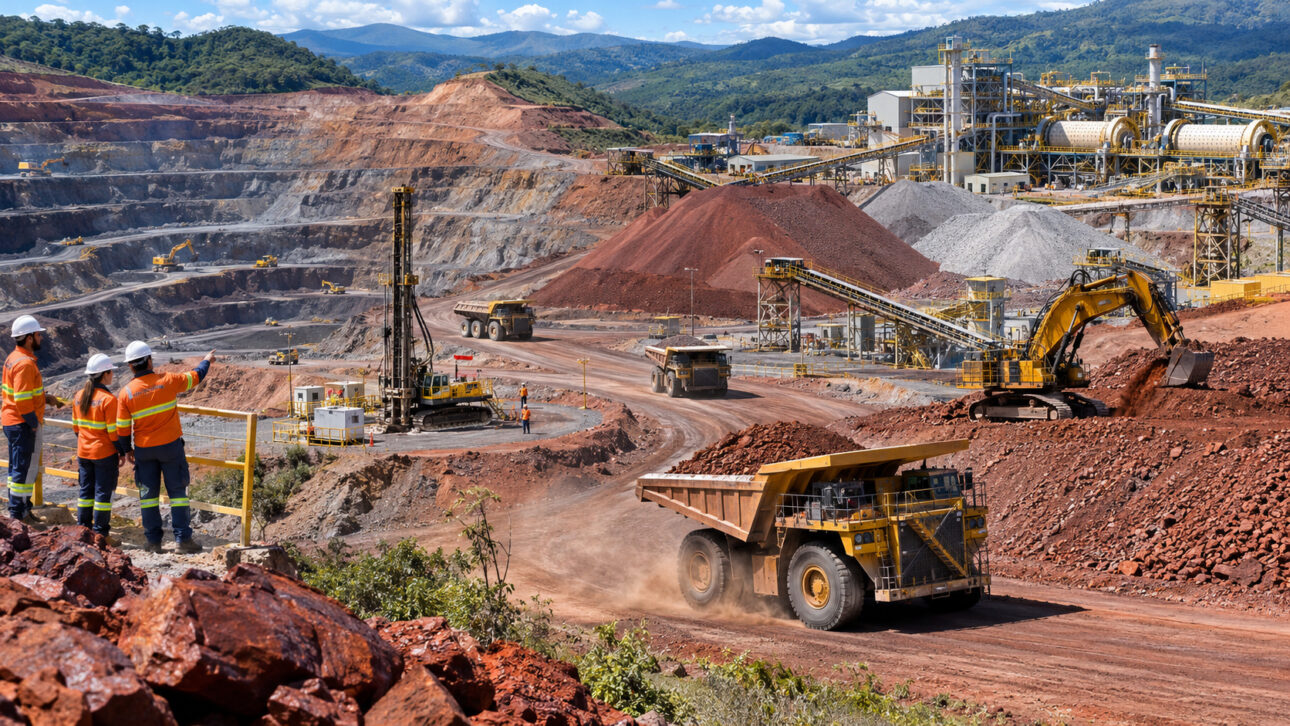

Brazil has 12 mineral projects with construction scheduled for 2027, totaling US$5.9 billion and involving iron ore and critical minerals.
Brazil could launch construction at 12 new mining sites in 2027, representing an estimated project pipeline of US$5.9 billion. The projects involve six types of minerals and include everything from traditional iron ore to rare earths, which are used to manufacture electric motors and electronic equipment. To bring these projects into operation, mining companies will need to build industrial facilities, hire suppliers and develop transportation infrastructure.
According to Shanghai Metals Market, in a report published on November 25, 2026, the survey was based on the BNamericas database, which specializes in investments and industrial projects in Latin America. The US$5.9 billion represents the estimated value of projects scheduled to begin construction in 2027. It does not mean that all the projects have been approved or that the money has already been invested.
Brazil has 12 mineral projects with construction scheduled for 2027
The BNamericas survey identifies a pipeline of 12 projects that could enter the construction phase during 2027. They span six types of minerals and a range of activities in the extractive industry.
-
Billion-Dollar Mining Project in Piauí Aims to Produce 27,000 Metric Tons of Nickel and 900 Metric Tons of Cobalt Annually to Supply Industry

-
Canadian miner negotiates $135 million purchase of Pará gold mine, targets annual production of 110,000 ounces
-
Ceará’s R$2.5 billion uranium and phosphate project advances after Funai decision but still awaits environmental approval from Ibama
-
BYD discusses investments in Brazil’s Minas Gerais state, focusing on lithium processing and battery manufacturing
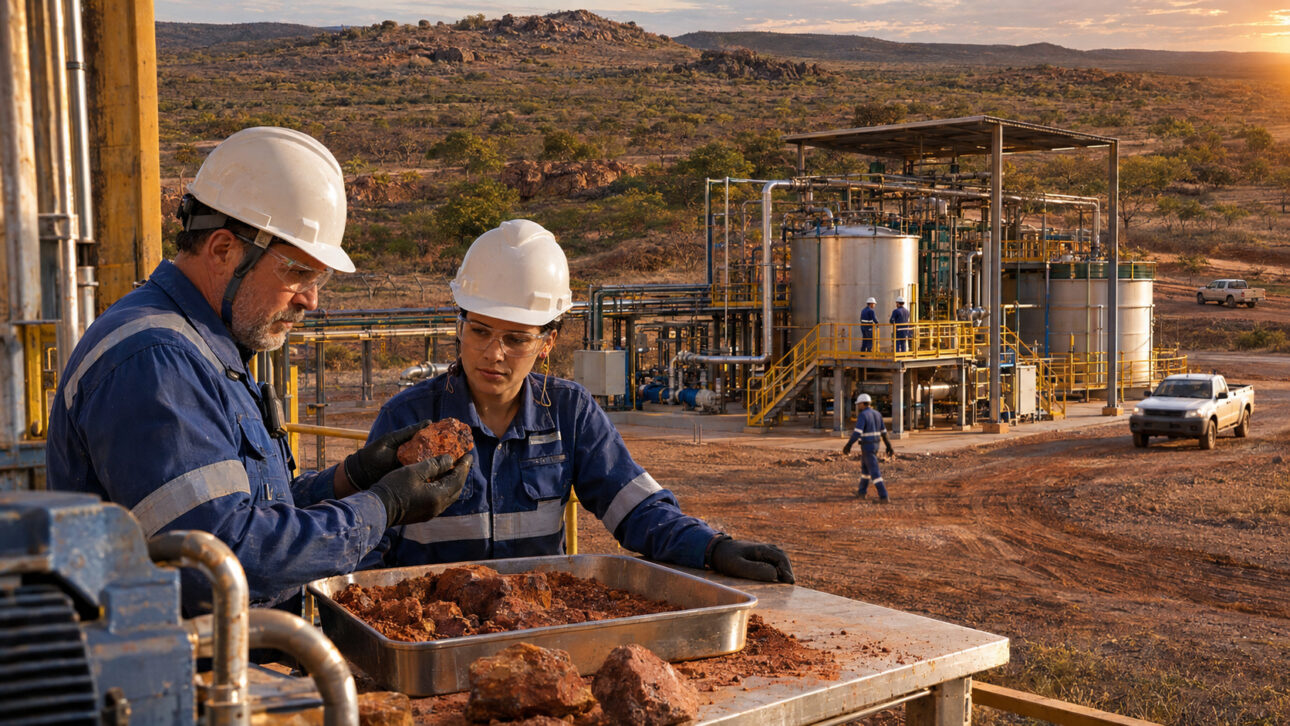
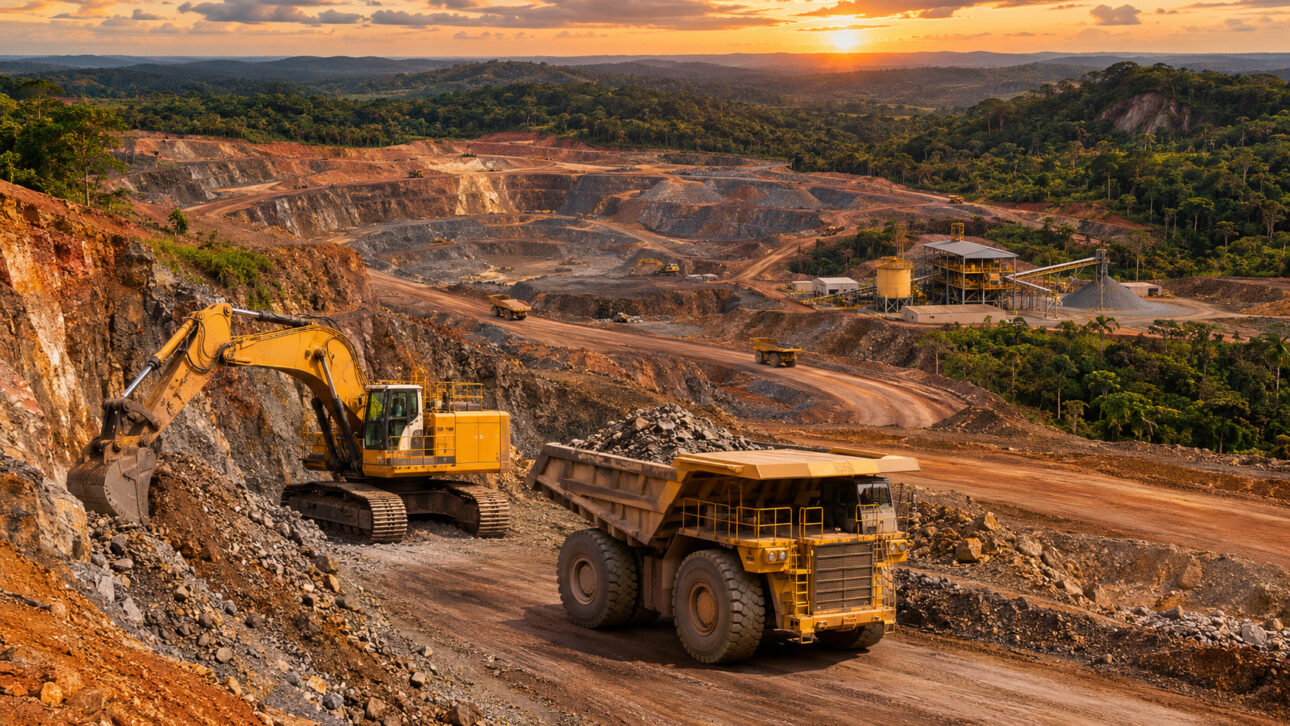
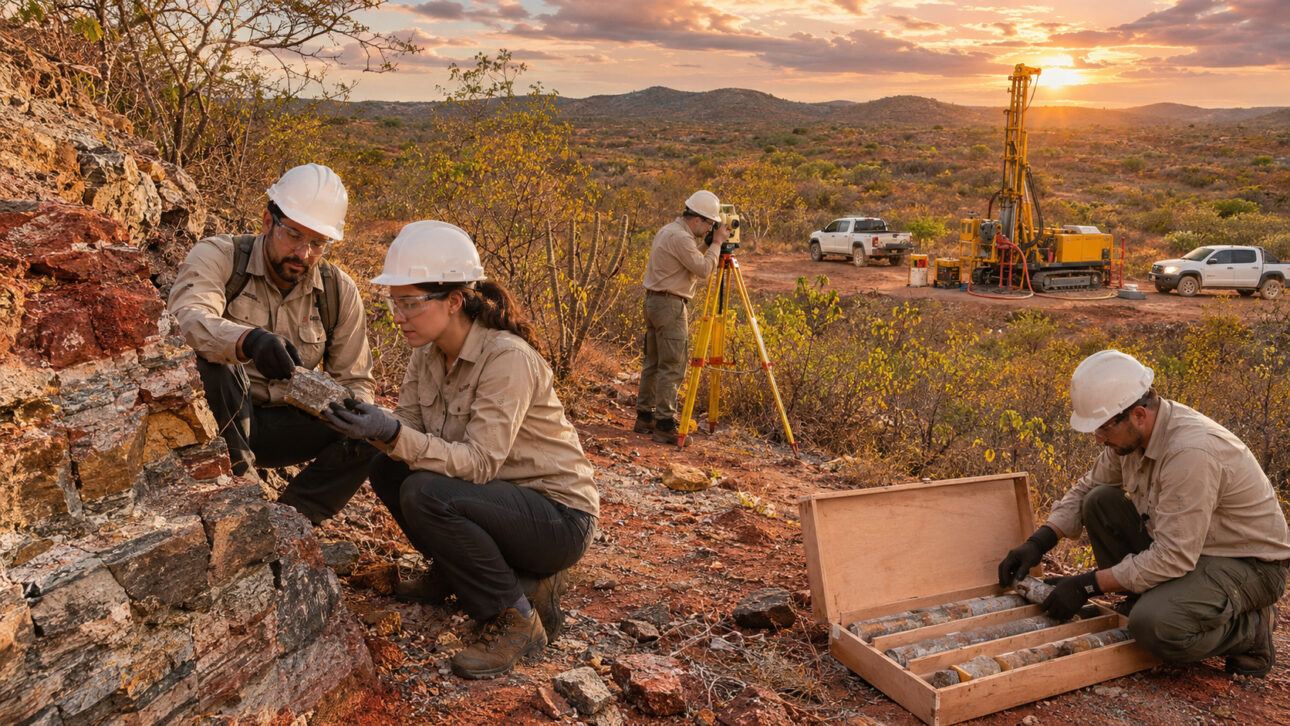

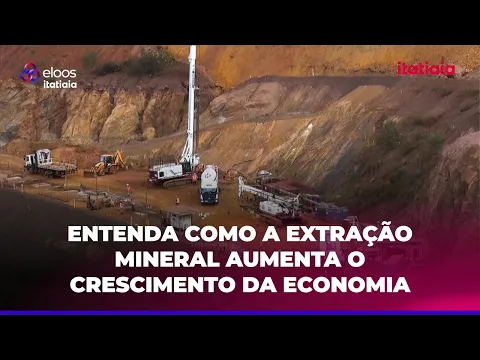

Moving from planning to construction requires a series of steps. Companies need to hire civil works contractors, purchase machinery and prepare facilities to receive and process material extracted from the mines.
The schedule also depends on environmental permits and the availability of financing. As a result, construction on each project could begin at a different time.
Estimated US$5.9 billion investment depends on project progress
The announced figure is the combined value of the investments planned for the selected project pipeline. It covers the resources needed to build and prepare the mining projects.
Some of the investment could go toward opening mines. Other funds could support processing plants, industrial equipment, energy systems and transportation infrastructure.
The full investment does not have to be made in 2027. In mining projects, payments are usually spread over several years as construction progresses.
The forecast could also change if companies revise their schedules, costs or production plans.
Iron ore remains part of the new mining project pipeline
Iron ore is among the minerals covered by the survey. Brazil already has an established industry in the sector, with large-scale operations supplying steelmakers.
After extraction, the ore goes through separation and preparation stages. It can then be transported by rail and through ports to domestic and international buyers.
New projects could involve expanding mines, installing processing equipment or preparing areas that have not yet been explored.
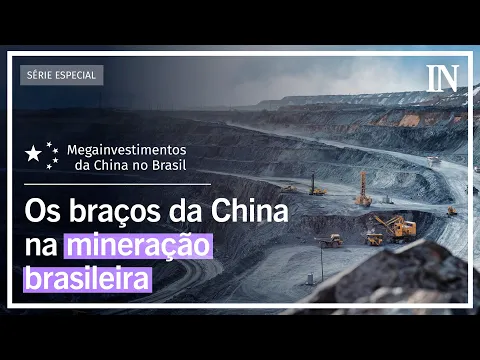
The Brazilian Mining Institute said iron ore accounted for 52.6% of Brazil’s mineral industry’s revenue in 2025. The commodity remains one of the sector’s main sources of revenue.
Rare earths enter the race for raw materials used by the technology industry
Rare earths are also among the minerals included in the project pipeline for 2027. Despite their name, these elements are found in various parts of the world, but their extraction and industrial separation can be complex.
Some are used to make high-powered magnets. These components are found in electric motors, wind turbines and a wide range of industrial equipment.
Interest in new sources of supply has grown because the production and, especially, processing of rare earths are concentrated in a handful of countries.
Brazil has known deposits and projects at various stages of development. However, finding these minerals in the ground does not mean a company is ready to begin commercial production.
Critical minerals investment could reach US$21.3 billion by 2030
The project pipeline planned for 2027 is part of a broader investment trend in Brazil’s mining industry.
The Brazilian Mining Institute (Ibram) estimates US$76.9 billion in investment from 2026 to 2030.
Of that total, approximately US$21.3 billion is tied to minerals considered critical, including copper, nickel, lithium, graphite and rare earths.
These materials are used to make batteries, electrical equipment, industrial components and technologies deployed across various sectors.
The US$21.3 billion figure is part of a five-year national forecast. It is therefore not additional funding that can be added directly to the US$5.9 billion for the 12 projects in 2027.
Copper and nickel draw interest from equipment and battery manufacturers
Copper is used in wires, motors, transformers and electrical systems. Its ability to conduct electricity makes it an important raw material for a range of industrial activities.
Nickel also has important applications. In addition to being used to produce stainless steel, it can be used in certain types of batteries.
Ibram projects approximately US$8.6 billion in copper investment and US$4.7 billion in nickel investment from 2026 to 2030.
These figures reflect the national investment pipeline for the two segments, not necessarily the makeup of the 12 projects identified by BNamericas.
To turn these resources into production, mining companies will need to develop mines, processing facilities and systems to transport the material to buyers.
New mines require roads and industrial facilities
A mining operation begins long before the first commercial shipment is extracted. Companies need to prepare the site, build access roads and install large-scale equipment.
Depending on the project, construction may include crushers, conveyor belts, water reservoirs, electrical substations and facilities for separating minerals.

Roads and rail infrastructure may also need to be built. This equipment makes it possible to move large volumes of material between the mine and processing centers.
The amount of construction required depends on the size, location and characteristics of each mineral deposit.
In some cases, existing infrastructure can be used. In others, the company must build nearly the entire industrial facility.
Equipment manufacturers and engineering firms could compete for contracts
Preparing the projects involves a range of suppliers across the mining sector. They include manufacturers of excavators, haul trucks and equipment used to process ore.
Engineering firms may also take part in planning, civil construction and the assembly of industrial facilities.
There is also demand for maintenance services, electrical systems, automation and materials transportation. Contracts with these suppliers typically track each project’s physical progress.
However, the US$5.9 billion project pipeline is not enough to estimate how many jobs will be created. The publicly available survey also does not list any contracts that have already been awarded.
Environmental permits could determine the pace of construction
Before opening a mine, a company must meet the environmental requirements that apply to the project. The process includes studies of the activity’s impacts and measures to control risks.
Depending on the project’s characteristics, permits may be required to clear vegetation, use water and build tailings facilities.
The permitting process also considers effects on communities and economic activities near the facilities.
These steps can change mining companies’ projected timelines. A project announced as set to begin construction in 2027 may take longer if any permits are still pending.
An estimated investment does not replace the need to meet the legal requirements for construction and operation.
Brazil seeks to expand mineral processing within its borders
Alongside raw material extraction, several Brazilian projects aim to develop facilities capable of carrying out mineral processing in the country.
For rare earths, for example, separating the elements may require specialized industrial plants. The extracted material must undergo treatment before manufacturers can use it.
These facilities require specialized equipment, skilled workers, and a continuous supply of energy and inputs.
Ibram, the Brazilian Mining Institute, links rising investment in critical minerals to the expansion of industrial supply chains and international demand for new sources of supply.
Processing capacity affects the type of product that can be sold. A mine can sell raw ore or supply materials that have already undergone additional processing.
2027 could mark a new phase of construction in Brazil’s mining sector
The survey released on November 25 puts 12 projects with an estimated US$5.9 billion in investment on the construction schedule for 2027.
The portfolio covers six types of minerals, including iron ore and rare earths. Its detailed composition will depend on additional information about the projects tracked by BNamericas.
At the same time, Brazil’s mining sector is forecasting US$76.9 billion in investment through 2030, including US$21.3 billion in critical minerals.
The next step is to track which companies secure permits, obtain financing, and contract the planned construction work. Only after those steps will it be possible to determine how many of the 12 projects actually begin construction.