





 Portuguese
 Spanish


A survey released in November by Sebrae, Brazil’s small-business support agency, counted 10.3 million women running businesses at the end of 2025, up 27% in a decade. Only 37% have a business tax ID, despite gains in education and business formation.
Brazil had 10.3 million women running businesses, after female entrepreneurship grew 27% in a decade. The figure comes from a survey released by Sebrae, Brazil’s small-business support agency, on November 19, 2026, World Women’s Entrepreneurship Day. It is based on December 2025 data from the Continuous National Household Sample Survey (PNAD Contínua), conducted by IBGE, Brazil’s statistics agency.
The growth rate was more than twice the 11% increase recorded among men over the same period. Women also led the opening of more than two million small businesses in 2025. But the scale of the trend contrasts with the fact that only 37% of women entrepreneurs have a CNPJ, Brazil’s business tax identification number, despite progress in formalization.
Women expanded their businesses by 27%, more than twice the growth among men
The survey released by Sebrae points to a growing share of women in the economy. An earlier survey by the agency estimated that 8.2 million women owned businesses in 2015. The new figure, for the end of 2025, includes everyone from self-employed workers to women running established companies.
-
Brazilians are earning more, but debt is rising too: for every R$100 increase in real income, debt payments climb R$58.40, FGV study finds

-
Marcopolo workers in Caxias do Sul may face contract suspensions of up to 5 months as busmaker agrees to buyouts and furloughs after demand falls 25% and profits drop 43.4%

-
Over 276,000 Workers Have R$304.8 Million in Unclaimed 2026 Salary Bonuses: Check PIS/Pasep Status Before Dec. 28 Deadline
-
Black and Mixed-Race Brazilians Represent 55.1% of Workforce, Hold 30.7% of Management Jobs, Earning R$16.60/hour, IBGE Reports


Recent releases have differed: Sebrae reported 10.3 million on November 19, while an April statement from the same agency and a post by the Ministry of Entrepreneurship in November cited 10.4 million for December 2025. The materials reviewed do not explain the discrepancy. The 10.3 million figure is the one used in Sebrae’s latest report.
The number of women business owners is calculated from a survey of people and does not equal the total number of CNPJs in Brazil. Some business activities may take place without formal registration, a distinction that helps explain why entrepreneurship encompasses more than the count of registered businesses.
Women led more than two million businesses launched in 2025
Federal Revenue Service data analyzed by Sebrae show that women opened more than two million of the 4.96 million new registrations in 2025 for individual microentrepreneurs (MEIs), microbusinesses and small businesses. Women accounted for about 42% of registrations, with 320,000 more openings than in 2024.
MEIs drove the trend: about 1.6 million new CNPJs in the category were registered under women’s leadership, also representing 42% of registrations in that group. For small businesses, formalization can make it possible to issue invoices, obtain financial services and reach new customers.
The number of business openings does not represent the number of women entrepreneurs currently operating. A CNPJ may formalize an existing activity and, by itself, does not show that a business remained open or became profitable. The two figures released by Sebrae therefore should not be added together.
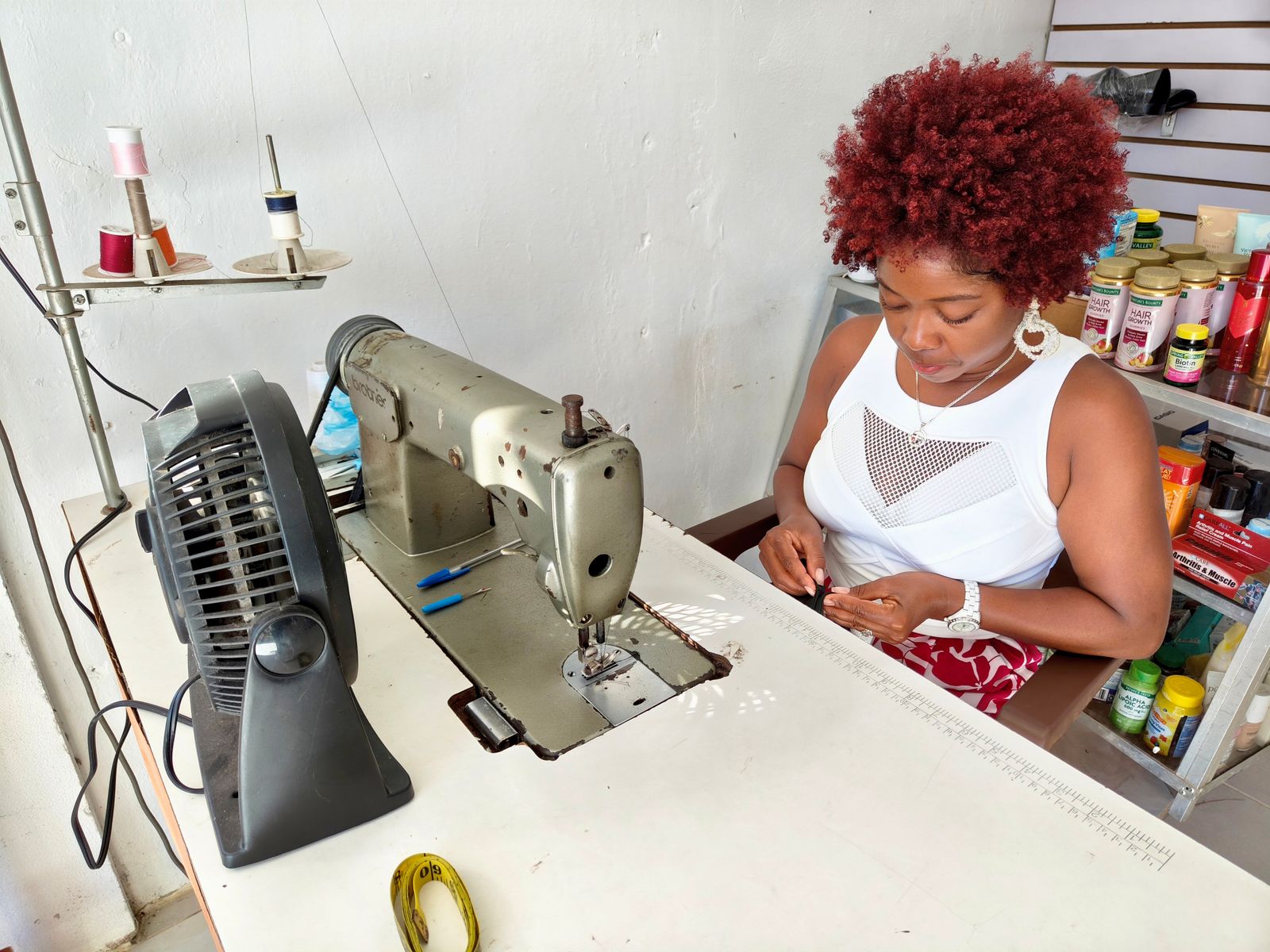
Only 37% have a Brazilian business tax identification number, but women’s formalization rate exceeds men’s
Despite the record number of new businesses, only 37% of women business owners are registered with a Brazilian business tax identification number. That is nearly four percentage points higher than the rate among men, according to the Sebrae survey. Most women entrepreneurs, therefore, still do not have formal business registration.
Another indicator concerns social protection. Among women business owners, 43% contribute to Brazil’s social security system, compared with 39% of men who run businesses. The gap points to greater participation by women, but it does not mean that all women entrepreneurs have access to protection or enough income to keep up their contributions.
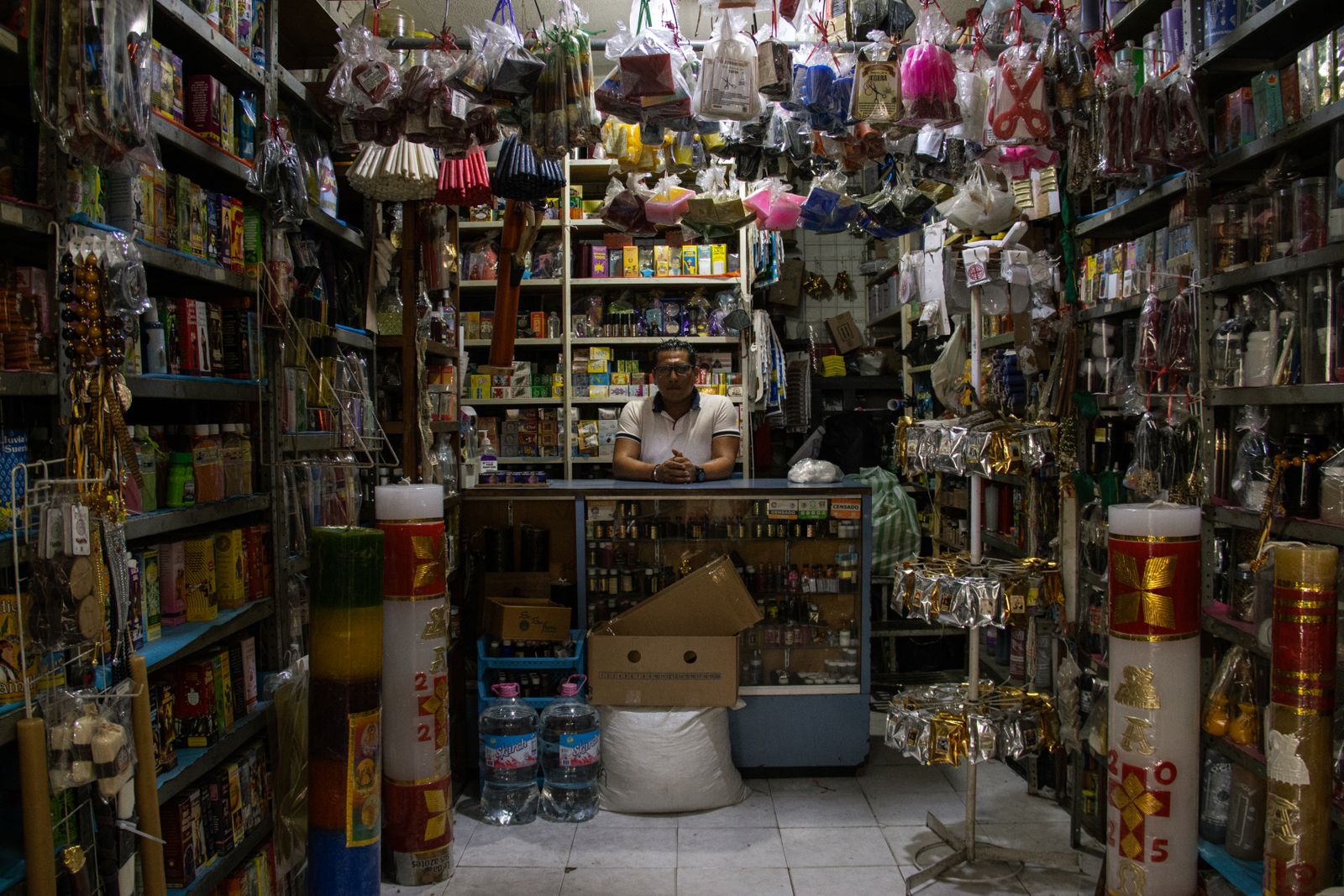
For a shop, repair business or small clothing workshop, the ability to sell to larger companies, issue tax documents and obtain credit may depend on registration and financial organization. Requirements vary according to the size of the business, its activity and its tax classification.
Higher education does not prevent women from earning 24% less than men
The November report shows that the share of women entrepreneurs with some college education or higher rose 20.7 percentage points between 2012 and 2025. In this education group, women’s share was 15 percentage points higher than men’s.
An earlier Sebrae survey, released in April 2026 using data from December of the previous year, found that women business owners’ average monthly income reached R$ 2,929.94. The average for men was R$ 3,864.12, a difference of about R$ 934, or 24% less for women.
Although the income gap has narrowed since 2012, the disparity remains significant. The figures refer to the earnings of people who run businesses, not wages paid to employees at companies led by women.
Small businesses employ 8.5 million women in formal jobs
Women’s importance to the economy is also evident in the labor market. The 2026 Employment Outlook, compiled by Sebrae using data from Brazil’s Annual Social Information Report (RAIS), shows that women hold 43% of jobs at micro and small businesses, or about 8.5 million workers.
Women account for 38% of jobs at medium-sized and large companies, while their share of the Brazilian labor market overall is 41%. The study also found that men at small businesses earn 15% more than women, compared with a 23% gap at larger companies.
These statistics cover all jobs at micro and small businesses, regardless of the owners’ gender. They do not mean that the 8.5 million women are employed exclusively by women-led businesses.
Fampe Mulher surpasses R$ 1.15 billion in guaranteed credit
Access to financing remains a challenge for women entrepreneurs. To support lending, Sebrae created Fampe Mulher, which guarantees loans to women-led businesses. The program’s portfolio has surpassed 17,200 transactions and generated R$ 1.15 billion in guaranteed credit.
Sebrae reports that the program’s loan default loss rate was 0.06%, with nine guarantees honored for a combined R$ 705,700. That is below the 3.5% to 4.5% loss range typically used as a benchmark for the overall Fampe portfolio.
The figure applies to a specific portfolio, not to all women entrepreneurs. The guarantee also does not waive the bank’s review or ensure automatic approval, since each loan is subject to credit criteria and the terms offered.
Federal loan programs can finance up to 50% of women entrepreneurs’ revenue
In guidance issued Nov. 17, the Ministry of Entrepreneurship outlined preferential terms for two loan programs. Under ProCred 360, individual microentrepreneurs (MEIs) and microbusinesses with annual revenue of up to R$ 360,000 can apply for loans of up to 50% of the prior year’s gross revenue if they are led by women. The general limit for other businesses is 30%.
ProCred 360’s maximum interest rate is the Selic rate plus five percentage points per year. Pronampe, for micro and small businesses with revenue of up to R$ 4.8 million, also allows loans of up to 50% for businesses that meet the criteria for women’s leadership or hold the designated seal. Its maximum rate is the Selic rate plus six percentage points per year.
By August 2026, ProCred 360 had served 96,694 women. Pronampe recorded 84,626 transactions involving women between December 2025 and August 2026. These are maximum possible loan amounts, subject to program rules and lenders’ reviews, not a promise of approval.
Record participation boosts women’s economic presence, but income and formalization remain challenges
The picture released by Sebrae combines a growing share of women, higher qualifications and more businesses launched with persistent gaps in income and access to resources. For many women entrepreneurs, the next challenge will be keeping their businesses operating, attracting customers and turning increased activity into stable income.
The trend in the issuance of Brazilian business tax identification numbers will be only one part of that assessment. Indicators of business survival, profitability, job quality and effective access to financing will show whether the record also translates into greater capacity for expansion among women-led businesses.


