Portuguese
 Spanish


Mozambique’s Council of Ministers approved ExxonMobil-led Rovuma LNG project’s revised plan on Tuesday, November 17, 2026, including electric modules and capacity to produce 18.6 million metric tons of LNG a year; final investment decision expected by the end of 2026
ExxonMobil has received approval from the Mozambican government for the revised plan for the Rovuma LNG project, a liquefied natural gas (LNG) development in the country’s north.
Mozambique’s Council of Ministers approved the document on Tuesday, November 17, 2026. The decision also clears the way for the project’s final stage.
The approval was reported on Wednesday, November 18, by Oilprice and by Bloomberg, in an article republished by Energy Connects. Bloomberg cited a statement from the Mozambican government.
-
Shell Launches Permanently Uncrewed, Solar-Powered Gas Platform 220 km off Malaysia, Capable of Producing 800 Million Cubic Feet Daily with a 207-km Pipeline

-
Oil and gas discovery at 2,289 meters deep surprises explorers in Ghana, reveals a reservoir type never before confirmed in the country and opens a new exploration frontier off Africa’s coast
-
Discovered in 1974, North Sea oil field has gone more than 50 years without producing a single barrel despite holding about 1 billion barrels underground; new technology could finally make development viable
-
ANP proposes new rules for natural gas auctions under pressure from Petrobras, paving the way for Braskem to join Gas Release program



What Mozambique’s government approved
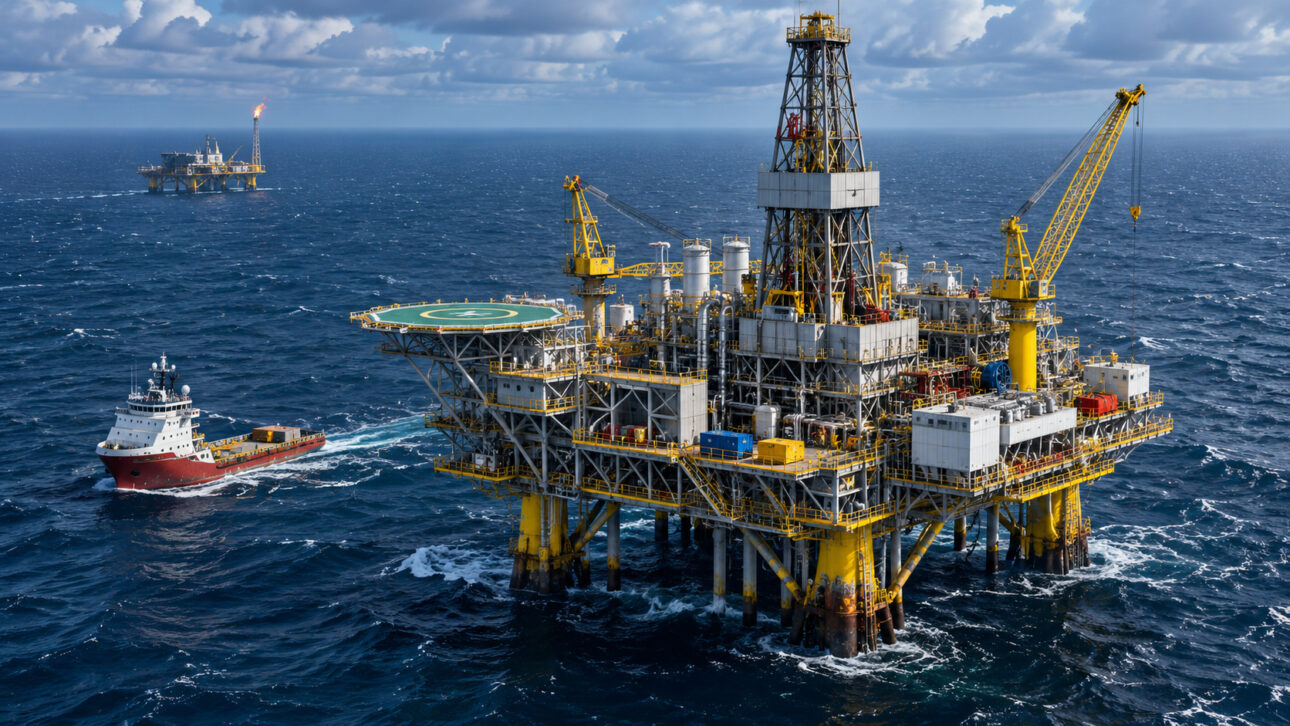
The government approved an amendment to the Rovuma LNG project’s development plan. The original plan, approved in 2019, called for capacity of 15.2 million metric tons of LNG a year.
The new plan raises that figure to 18.6 million metric tons of LNG a year at the same onshore facility.
The main change is the facility’s design. ExxonMobil replaced the previous configuration with modular production units powered by electricity.
Mozambique’s government says the new design lowers costs through the use of these electric natural gas processing modules.
The approval clears a regulatory hurdle ahead of the final investment decision. That decision is the next step, and has not yet been made.
How much the Rovuma LNG project will cost
Standard Bank estimates that the Rovuma LNG project could cost nearly US$30 billion. Bloomberg and Oilprice describe it as Mozambique’s largest onshore project.
The cost estimate comes from the bank, not ExxonMobil. The company has not yet announced the total investment, which depends on the final investment decision.
How the new electric-module design works
The project’s official page, maintained by ExxonMobil, describes the facility as an electric LNG concept.
The facility will have 12 electricity-powered liquefaction modules, each with capacity of 1.55 million metric tons a year.
Together, the 12 modules add up to the 18.6 million metric tons a year approved by the government. The modules will be preassembled off-site and then installed at the facility.
The modules will get their electricity from a high-efficiency combined-cycle power plant.
What changes in emissions
Mozambique’s National Petroleum Institute (INP), the country’s oil and gas regulator, expects emissions to fall by about 40% under the new design.
The comparison is with the plan approved in 2019, according to Oilprice and OilMonster, which also cite the INP.
ExxonMobil gives a similar figure on the project’s website. The company says the electric concept cuts greenhouse gas emissions by up to 40% compared with conventional mega-trains for LNG production.
Where the project is located and where its gas comes from
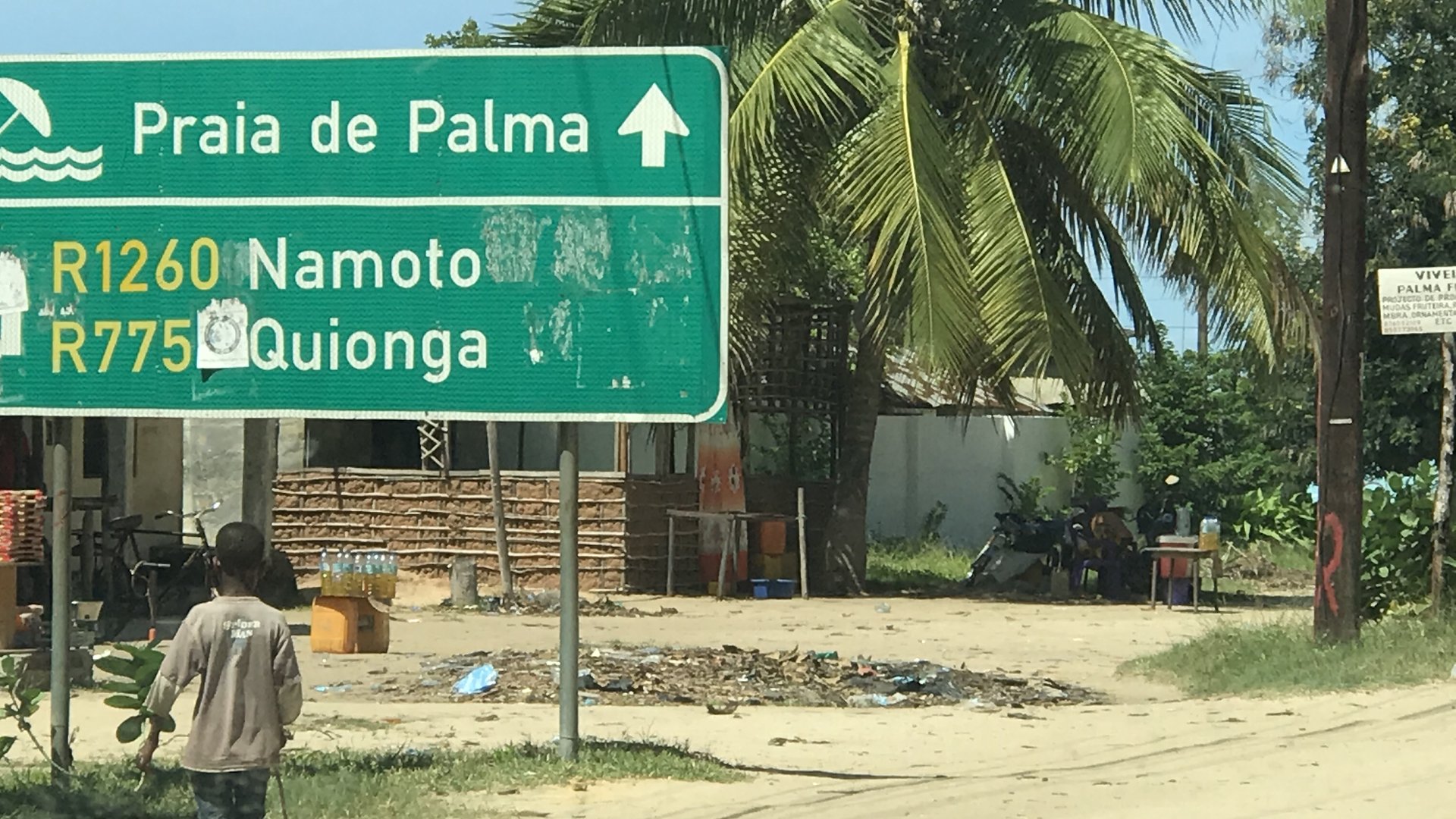
The Rovuma LNG plant is located in Afungi, in Cabo Delgado province in northern Mozambique. The gas comes from Area 4 of the Rovuma Basin, a deepwater block in the Indian Ocean.
The first phase calls for 18 initial subsea wells in water depths of up to 1,700 meters. The gas will travel through subsea pipelines to the onshore plant, where it will be liquefied for export.
ExxonMobil Moçambique, Limitada, operates the project on behalf of the Area 4 partners. In addition to ExxonMobil, the partners are Mozambique’s state-owned ENH, China’s CNPC, Italy’s Eni, South Korea’s KOGAS and XRG.
ExxonMobil’s stake in Rovuma LNG
In October 2026, ExxonMobil reached an agreement with Eni to increase its stake in Rovuma LNG to 50%. The deal was made through an asset swap between the two oil companies.
Under the swap, Eni will focus on Area 4’s floating LNG projects. Oilprice cites the Coral Sul and Coral Norte units.
Bloomberg reports that Eni is planning a third floating LNG project off Mozambique’s northeastern coast.
The LNG Prime website reported ExxonMobil’s increased stake on November 2.
In the same report, the company’s CEO, Darren Woods, maintained the target of reaching a final investment decision by the end of 2026.
When the project could begin production
Production could begin in the early 2030s, according to Bloomberg and Oilprice. ExxonMobil’s project page lists 2030 as the target startup date.
Bloomberg describes the approval as a step toward the final investment decision planned for this year. As of November 20, that decision had not been announced.
Contracts signed before the final investment decision
The partners have already begun contracting for equipment. On August 17, 2026, ExxonMobil announced about US$1.1 billion in pre-investment contracts for long-lead equipment.
The largest contract went to OneSubsea for subsea production systems, controls and umbilicals. Other contracts cover large-diameter valves and pipes for offshore pipelines.
On September 10, 2026, the partners selected the consortium formed by Saipem and Jan de Nul for Rovuma LNG’s subsea work.
The letter of intent covers engineering, procurement and technical services for the 18 wells and the subsea pipeline and manifold network.
In the same announcement, the partners hired two Mozambican companies, CFML Logistic and Alistair Group, to operate the support base in Pemba. They will support the drilling campaign in Area 4.
What the project promises Mozambique
Mozambique’s National Petroleum Institute (INP) estimates that the country could receive about US$121 billion over the plant’s 25-year production life. The figure was published by Oilprice and OilMonster.
ExxonMobil gives a different estimate on the project website: more than US$140 billion in government revenues over the life of the first phase.
The two estimates were produced by different institutions and use different reference periods.
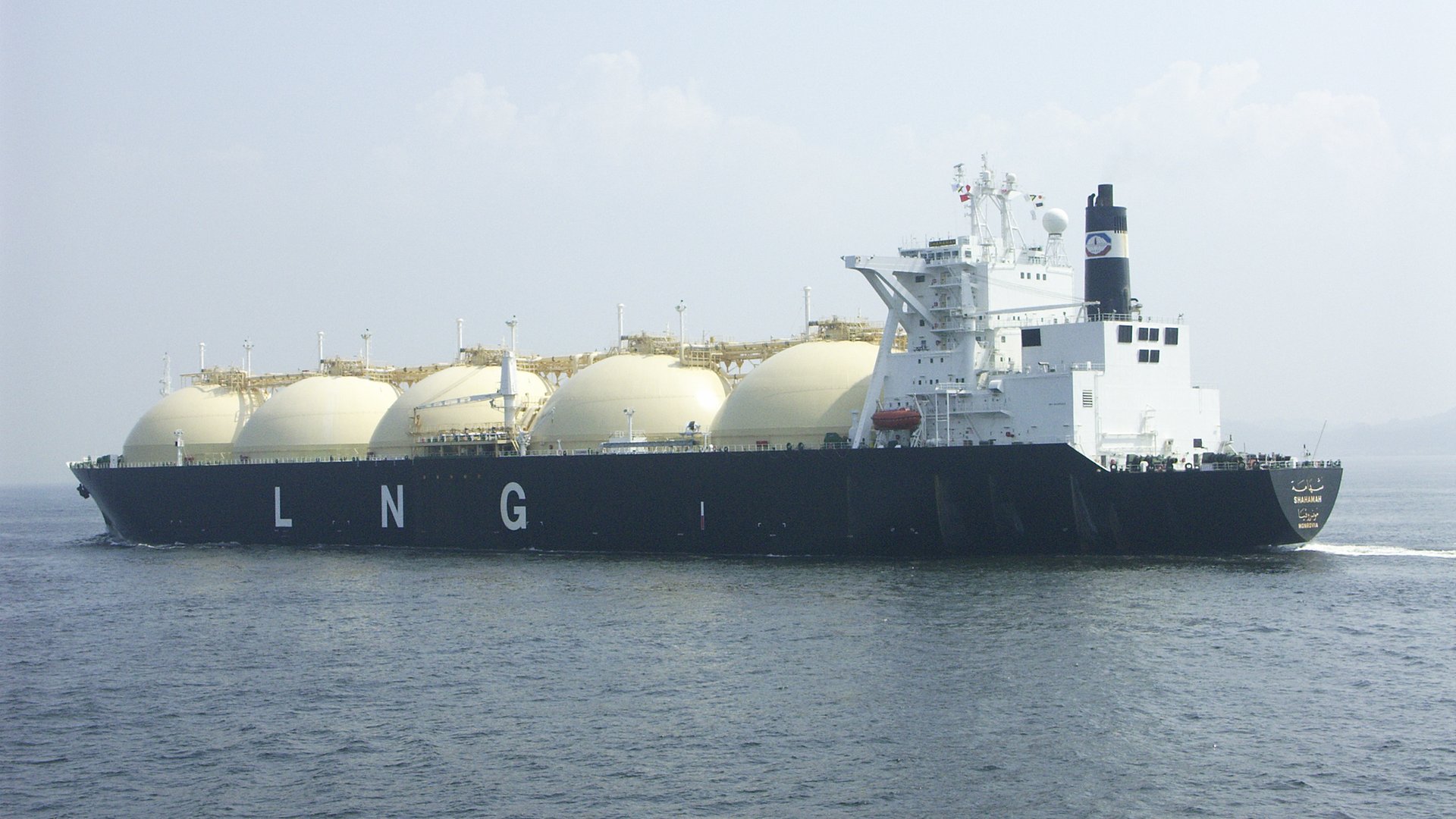
The approved plan reserves 25% of the gas produced for Mozambique’s domestic market. ExxonMobil says up to 500 million cubic feet of gas per day will be available for domestic use.
During construction, the company expects to create opportunities for about 7,500 Mozambicans. The project website says operations will employ about 700 people.
To train this workforce, the Rovuma LNG partners are investing US$40 million in the Mozambique Technology Center in Zimpeto, Maputo.
The foundation stone was laid in May 2026 by Estevão Pale, the minister of mineral resources and energy.
The center will accommodate up to 250 students per day and will be dedicated to Rovuma LNG. ExxonMobil says the facility will later open to the public.
The insurgency in Cabo Delgado and TotalEnergies’ neighboring project
Mozambique’s onshore LNG projects were delayed for years. Insurgent attacks in Cabo Delgado forced companies to withdraw workers from the region.
Next to Rovuma LNG is Mozambique LNG, led by TotalEnergies. The project costs about US$20 billion.
Mozambique LNG will have capacity to produce 13.1 million tonnes of LNG a year and formally resumed construction in 2026.
In 2019, when the government approved Rovuma LNG’s initial development plan, the project called for two trains with capacity to produce more than 15 million tonnes a year.
Production was scheduled to begin in 2024, as reported at the time by the SPE’s JPT magazine. A final investment decision was expected later in 2019.
Mozambique’s role in the global LNG market
BloombergNEF estimates that planned projects in Mozambique could bring the country’s capacity to nearly 45 million tonnes of LNG per year.
That volume is equivalent to about 10% of last year’s global LNG supply, according to the consultancy.
The consultancy also forecasts global LNG demand will rise about 40% in the decade through 2035.
What still needs to happen before construction can begin
With the plan approved, the remaining step for Rovuma LNG, with its plant at Afungi, is a final investment decision by the Area 4 partners.
ExxonMobil is sticking to its target of making the decision by the end of 2026. The project’s final cost and the date of its first LNG cargo still depend on that step.