Portuguese
 Spanish



Washington opened a consultation on tariffs against industrial products as Beijing disputes the investigation and calls for negotiations based on reciprocity.
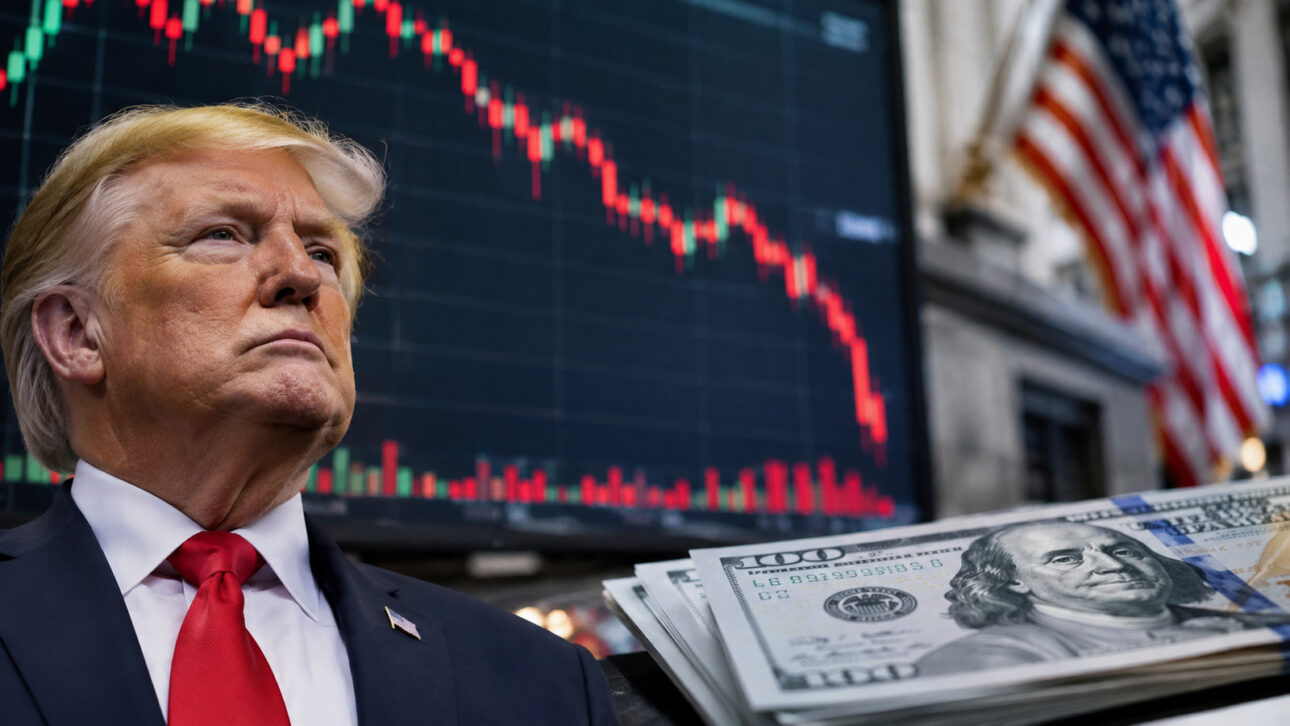
China threatened to take trade defense measures after the United States proposed new tariffs of up to 20% on certain Chinese products. The response was announced Thursday, November 26, 2026, a day after Washington presented the findings of an investigation into industrial overcapacity. Beijing rejected the allegations and called for negotiations to resume, amid concerns about whether the trade truce between the world’s two largest economies will hold.
According to a report by CNN Brasil, citing Reuters, Chinese Commerce Ministry spokesperson He Yadong said the country reserves the right to protect its interests. The statement came after the Office of the United States Trade Representative (USTR) proposed additional tariffs on China and 13 other economies, citing industrial practices that it said harmed US companies.
US proposes tariffs of up to 20% on Chinese products
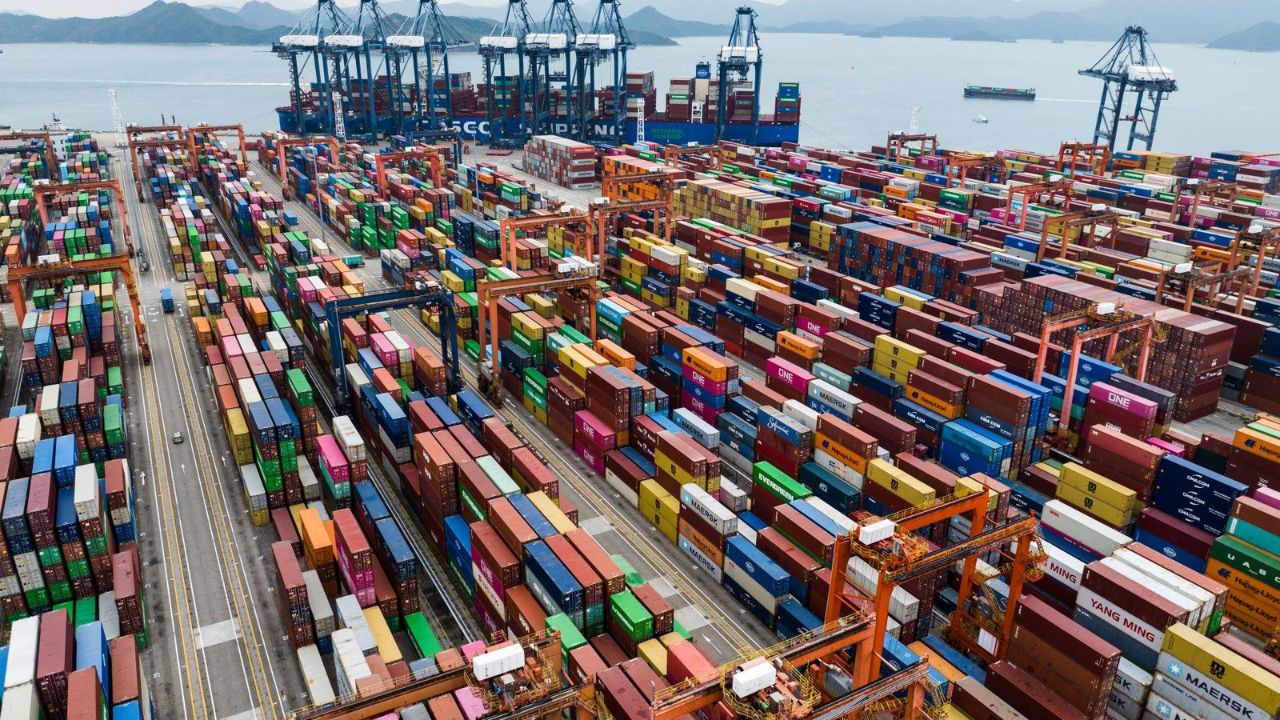
The US government announced on November 25 that it had completed a phase of the trade investigation launched in March 2026. The proceeding was conducted under Section 301 of the Trade Act of 1974, which allows the United States to investigate foreign practices deemed harmful to US trade.
-
U.S. threatens tariffs on Brazilian aircraft and sugar, but companies see a path to roll them back

-
Brazil posts $4 billion external accounts deficit despite 19.7% export growth
-
Anyone who pays only part of their credit card bill three times in six months will see the bank gradually cut their limit under a Central Bank rule taking effect in July 2027
-
Dollar falls 1.53% to R$5.81 after hitting R$5.95, while Brazil’s stock market gains 1.58% and oil surges more than 3% globally

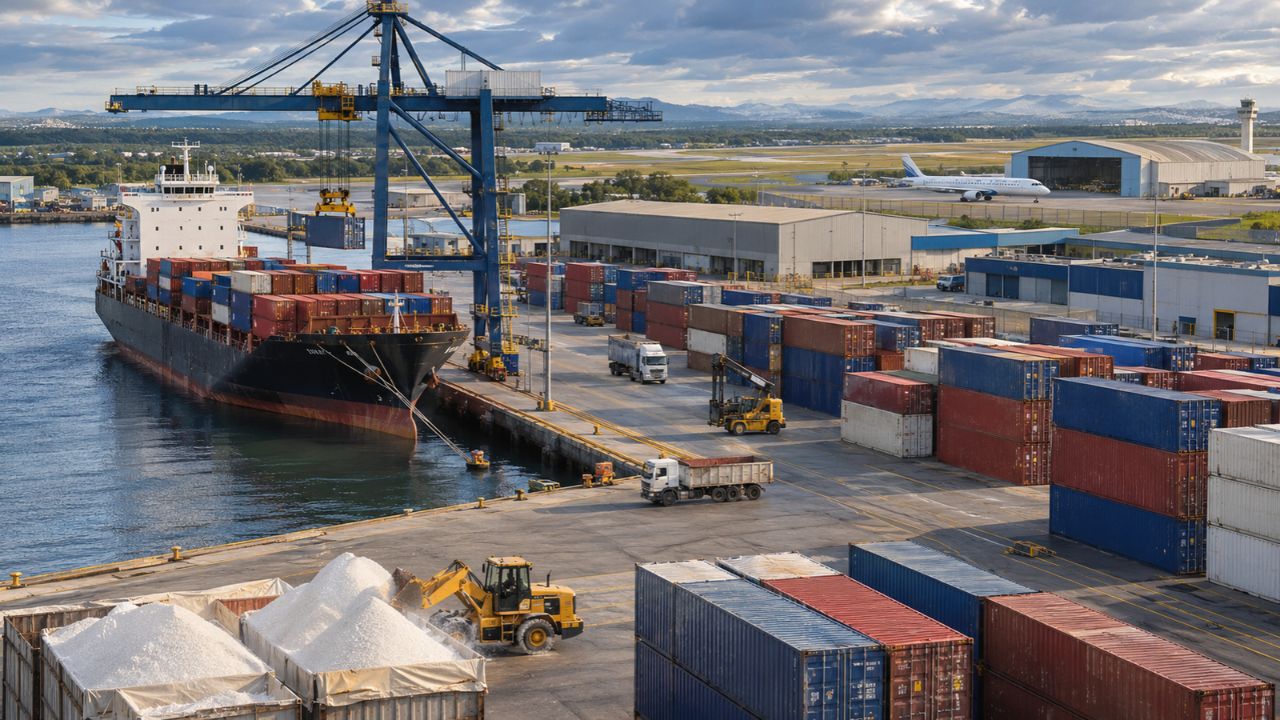
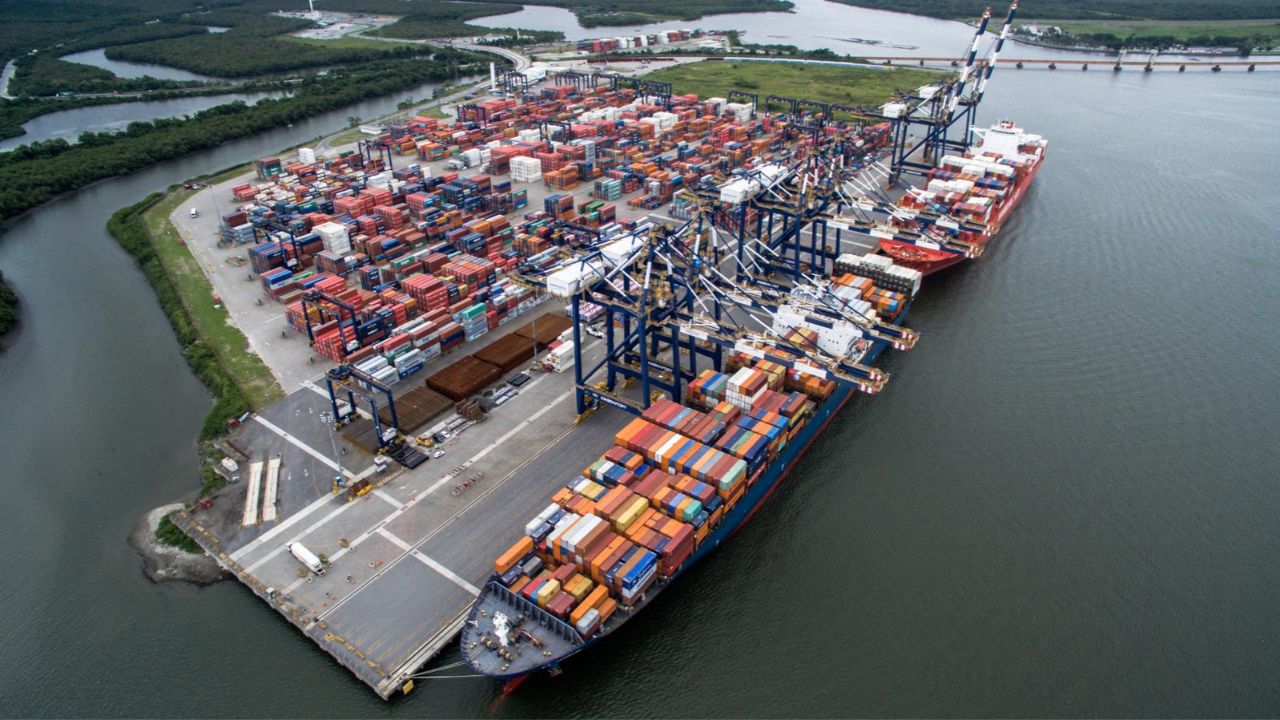


According to the USTR’s official statement, the proposal for China includes tariffs of up to 20% on certain products and up to 10% on goods included on a specific list. The proposal’s annexes also establish exceptions.
The rates should be understood in light of the rules for each product group and how they interact with previous charges. They do not necessarily represent a full surcharge that will be added indiscriminately to all existing duties.
The US government argues that Chinese industrial policies give companies competitive advantages that are incompatible with normal market conditions. The issues under scrutiny include subsidies, state financing and production expansion programs.
The proposal will still undergo a public comment period. The new tariffs should not be treated as definitively approved or already applied to imports.
Beijing rejects industrial overcapacity allegation and signals possible response
Chinese Commerce Ministry spokesman He Yadong called the U.S. investigation a unilateral action. He said China could take the necessary steps to protect its commercial rights and interests.
In a statement reported by Reuters, the official urged Washington to abandon the practices Beijing objects to and resume resolving disagreements through consultations.
China’s Foreign Ministry also responded. Its spokesman, Guo Jiakun, called for negotiations based on equality, mutual respect and reciprocity, according to Agência Brasil.
Beijing particularly rejects the argument that its industry produces excessive volumes because of state intervention. The Chinese government says Washington uses that rationale to impose trade restrictions.
As of the Nov. 26 statement, China had not detailed new retaliatory tariffs or released a definitive list of U.S. goods that could be targeted. The announced response therefore amounts to a diplomatic and commercial warning.
U.S. investigation covers batteries, vehicles, steel and solar energy
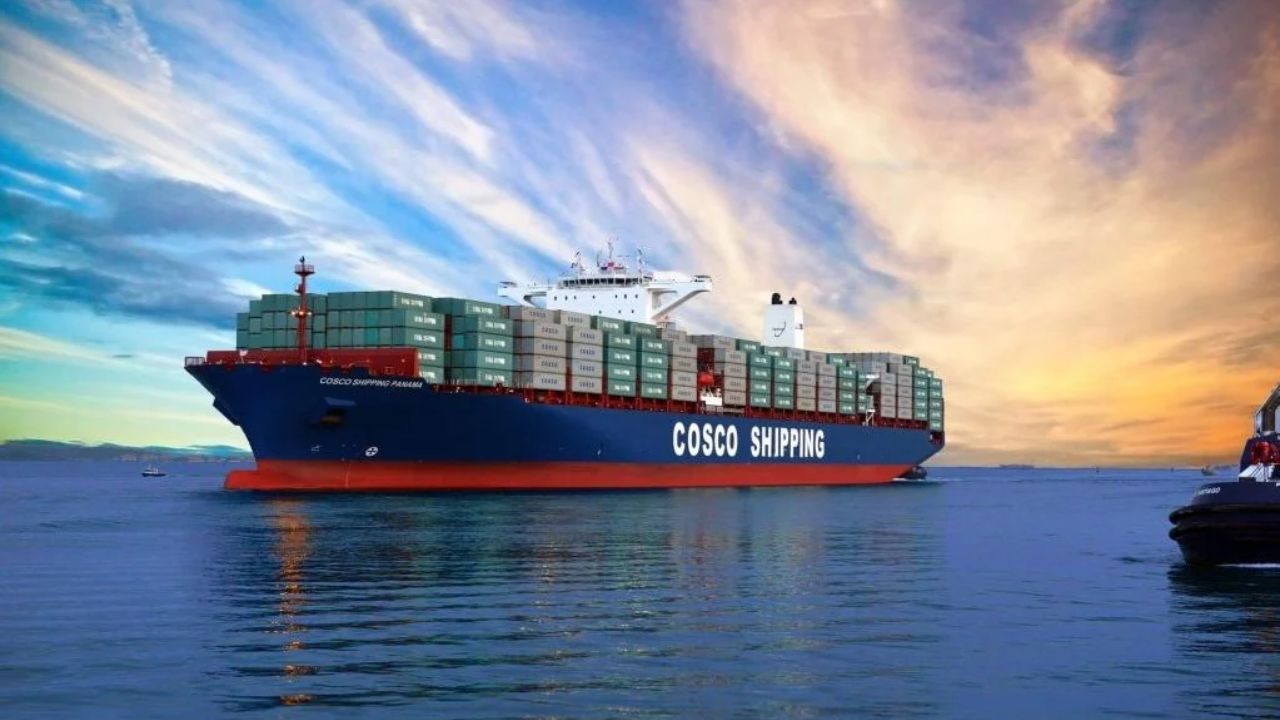
The USTR’s review is not limited to a single industrial sector. The U.S. government examined policies that, in its view, encourage China’s production growth and its presence in international markets.
Sectors cited in the report include automobiles, batteries, steel, aluminum, semiconductors, solar panels, and power generation and transmission equipment. Chemicals, electronic components and industrial equipment are also included.
Washington argues that incentives and financing provided by the Chinese state can expand production capacity beyond demand considered sustainable under market conditions. The U.S. administration says this structure harms domestic manufacturers and competitors in other countries.
China disputes that interpretation and defends its industrial development policies. The two positions are part of the regulatory and trade dispute and do not, by themselves, constitute an independent measurement of the actual excess capacity in each sector.
The debate also extends to the renewable energy industry, where Chinese manufacturers have an international presence. Any tariffs could affect costs and sourcing decisions for U.S. companies, depending on which products are ultimately included in the final decision.
The investigation does not automatically impose restrictions on Brazilian imports from China. Its direct effects depend on U.S. rules and the products destined for the U.S. market.
New dispute follows negotiations between Trump and Xi Jinping
The threats come amid efforts to preserve trade agreements negotiated by the governments of Donald Trump and Xi Jinping. The two administrations are discussing tariffs, market access and the supply of industrial inputs.
CNN Brasil reported that Beijing also called for progress on the procedures needed to bring into force a tariff-reduction agreement involving US$60 billion. Chinese officials cited the figure in statements on November 26.
Another issue in the bilateral relationship involves Chinese restrictions on exports of certain critical materials. The report said China extended until January 27, 2027, the suspension of some restrictions, following recent understandings between the governments.
These materials are used in industrial supply chains that include electronic equipment and advanced technologies. As a result, trade negotiations also cover access to inputs needed to manufacture products.
Any new tariffs could add another point of contention to bilateral talks. However, there is no confirmation that the trade truce has ended as a result of the proposal announced in November.
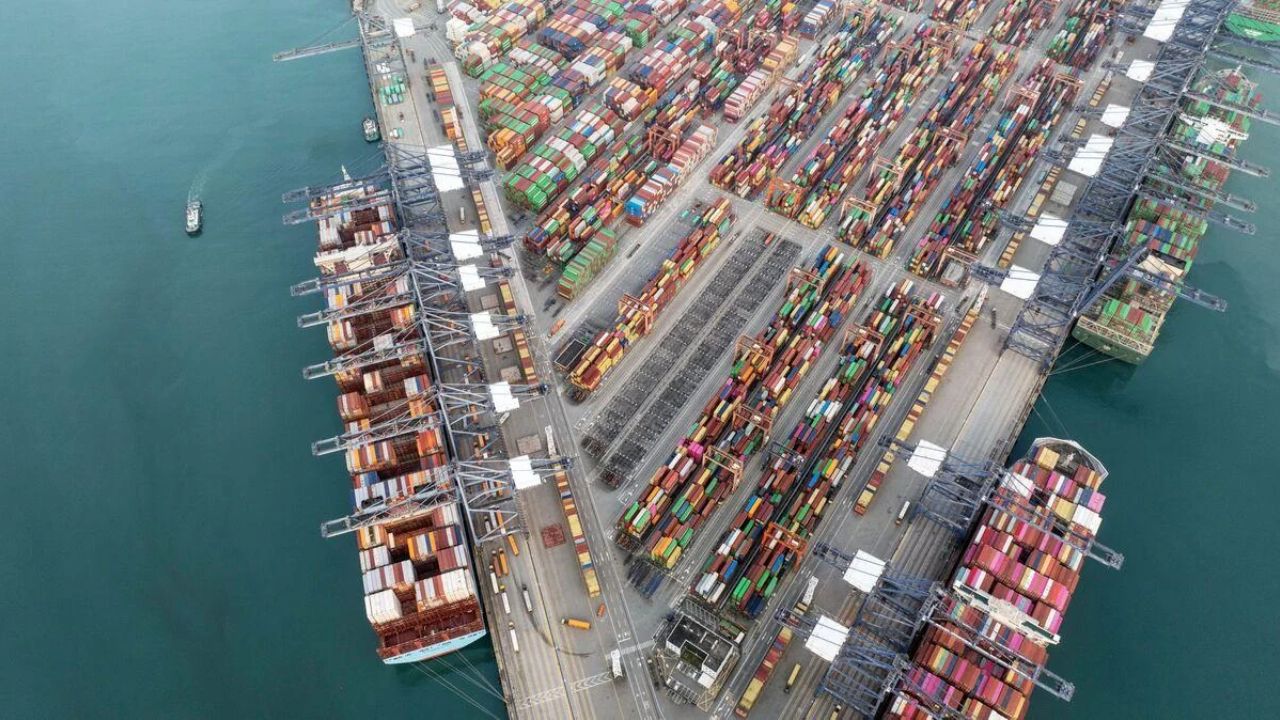
Developments in relations between the countries also affect international logistics. CPG has reported how empty containers from China can create operational challenges at U.S. terminals amid imbalances in cargo flows.
European Union and Japan also challenge Washington proposals
The new U.S. investigation covers 14 economies, including China, the European Union, Japan, India, South Korea and countries in Southeast Asia.
U.S. officials said the industrial policies under review harm the competitiveness of U.S. manufacturers. Proposed rates vary by economy under investigation and according to the conditions set for certain products.
European Union Trade Commissioner Maroš Šefčovič rejected the initiative and called on Washington to honor trade commitments previously negotiated with the bloc.
Agência Brasil reported the European response. Japan also expressed concern about the proposal, according to international coverage published on November 26.
The dispute could lead to further discussions on trade and investment among countries with interconnected industrial ties. There are not yet any definitive results, however, that would make it possible to calculate export losses, price changes or employment impacts stemming from the new proposals.
Brazil maintains trade ties with both countries and monitors tariff dispute
Brazil is not among the 14 economies covered by this specific investigation into industrial overcapacity. It is, however, facing a separate U.S. trade investigation related to Brazilian policies and certain export sectors.
On November 25, Washington also opened a consultation on changes to tariffs applied to Brazilian aircraft and sugar. Those measures are separate from the proposals targeting China and follow their own procedures.
At the same time, China remains an important market for Brazilian companies. CPG has already covered China’s opening to Brazilian products, including approvals for coffee exporters and other agribusiness businesses.
These trade ties help explain why U.S. decisions targeting Chinese products may matter to Brazilian companies. Tariff changes can alter competition in certain markets, but the impact depends on the goods involved and the terms of each contract.
In China’s case, the next step is already on a set schedule. Interested parties may submit comments to the Office of the United States Trade Representative (USTR) through January 5, 2027, the same deadline set for requests to participate in the hearings.
The sessions are scheduled to begin on January 25, 2027. After reviewing the submissions, the U.S. government may decide whether to impose the proposed tariffs.
Until then, Beijing continues to signal a willingness to negotiate without ruling out trade defense measures. Follow Click Petróleo e Gás for the latest developments on international tariffs and their potential effects on industry and foreign trade.