Portuguese
 Spanish




Former Petrobras president warns that generation cuts and battery storage costs threaten the future of wind power in Rio Grande do Norte.
Financial losses caused by interruptions in electricity generation, along with battery storage costs being charged exclusively to generators, threaten the future of wind power in Rio Grande do Norte. Former Petrobras president Jean Paul Prates issued the warning Wednesday the 25th during an interview with Jornal da Manhã on Jovem Pan News Natal.
As head of the Rio Grande do Norte Energy Companies Association (Sindienergia-RN), Prates says that without changes to the power sector’s rules, the industry could become economically unviable in the state within five to 10 years.
Wind farms face generation losses of up to 40%
Companies that invested in wind farms in Rio Grande do Norte are struggling to achieve the revenues they projected when they took part in power auctions. Prates says part of the problem stems from a mismatch between daytime growth in electricity supply and the planning of the power system.
-
807.5-MW Três Irmãos hydropower plant, with room for three more generating units and a billion-real dispute in its history, has concession transferred to Axia Energia

-
Gás Verde receives ANP approval to certify 160,000 cubic meters per day of biomethane production
-
Moura Wins BNDES Approval for Battery Systems; Plans R$200 Million Investment in Pernambuco Plant
-
Brazil’s ANEEL approves rule that could reduce solar power discounts starting in 2027
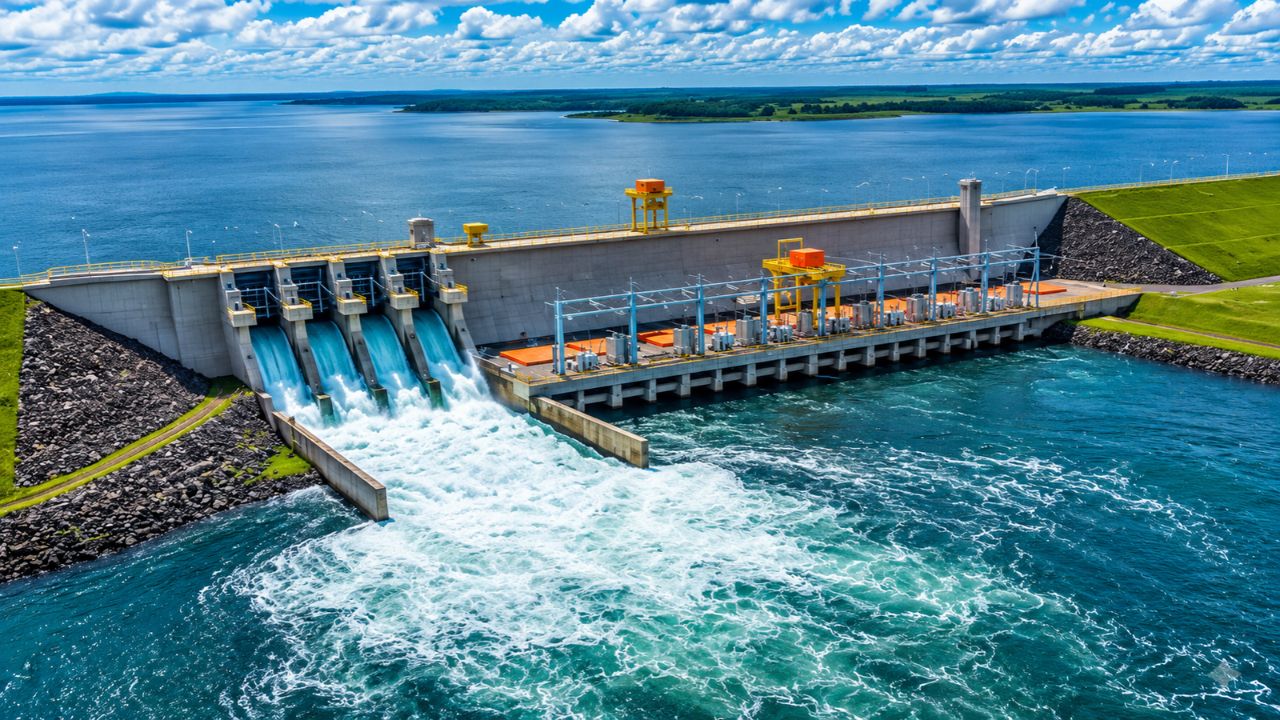
To meet the grid’s operational needs, Brazil’s National Electric System Operator (ONS) orders power plants to suspend production, a practice known in the industry as curtailment.
During the interview, the head of Sindienergia-RN presented figures showing the impact of these restrictions on companies:
- Generation losses of up to 40% at some projects;
- Daily interruptions reported between 10 a.m. and 4 p.m.;
- An average 20% reduction in output.
Prates explained that investors set their rates based on certain revenue expectations. But when they receive orders to stop generating, they lose the corresponding revenue for electricity they could have produced, he said.
The issue is particularly significant in Rio Grande do Norte, which had 319 operating wind farms as of September, according to the Federation of Industries of Rio Grande do Norte (Fiern).
Against this backdrop, the former senator is calling for state governments to join forces to push for changes to federal rules. In addition to Rio Grande do Norte, he considers Piauí and Ceará among the states most affected by measures targeting renewable power generation.


New battery rules add to concerns in the renewable energy sector
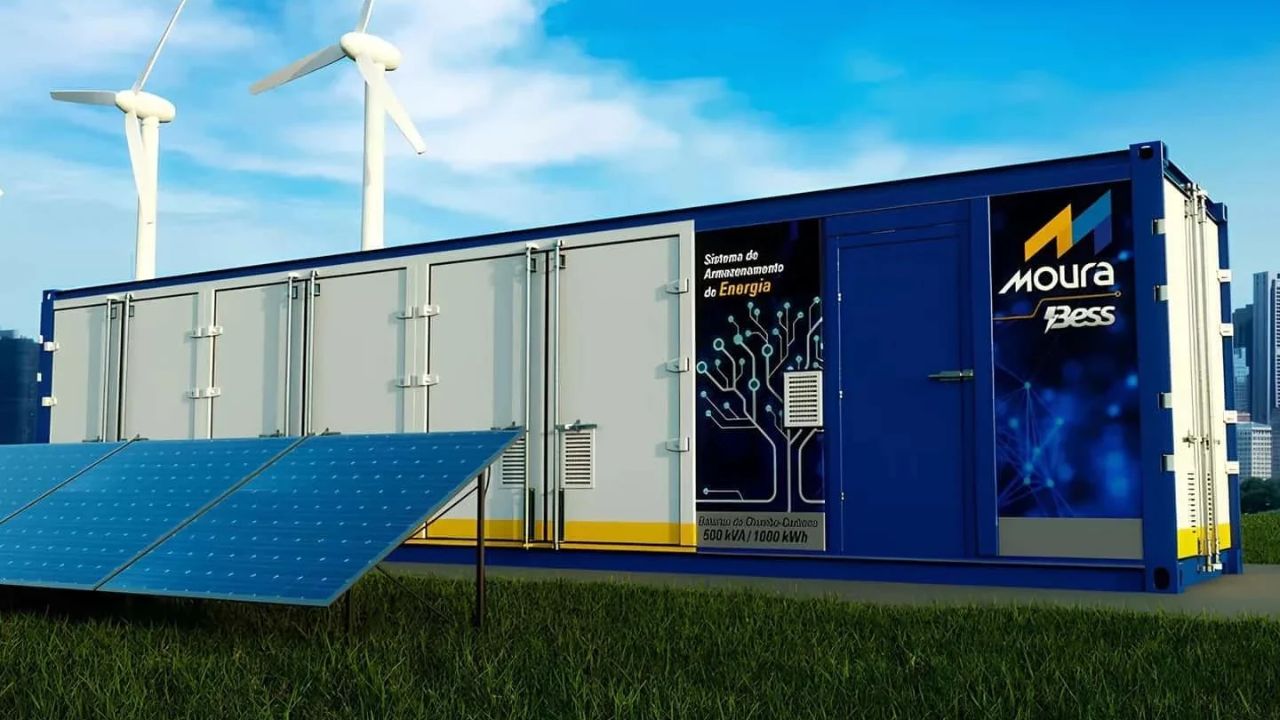
As companies grapple with declining revenues, another debate centers on how electricity storage systems will be funded. Brazil’s first battery auctions are scheduled for December 2 and 4, but the law governing who pays for these systems has drawn criticism.
Under Law No. 15,269/2025, only power generators must cover the costs of contracting storage systems intended to provide capacity reserves.
The treatment differs from that for thermoelectric power plants, whose contracts under this model are funded jointly by users of the electricity system.
In Prates’s view, this distinction puts solar and wind projects in the Northeast at a particular disadvantage, as they could face additional challenges financing their operations amid rising operating expenses.
The industry leader also criticized what he sees as preferential treatment for power sources that use coal, biofuels and natural gas. Despite raising these concerns, he did not call for the December auctions to be suspended, focusing his demands instead on changes to the cost-allocation rules.
An alternative to the current model is under discussion in the Chamber of Deputies, Brazil’s lower house of Congress. Sponsored by Rep. Arnaldo Jardim of the Cidadania party, which represents São Paulo, Bill No. 3,716/2026 would extend the general cost-sharing mechanism for capacity reserves to energy storage systems.
For Rio Grande do Norte’s wind power industry, a review of this model is an economic concern at a time when generation restrictions are already reducing project revenues.