Portuguese
 Spanish


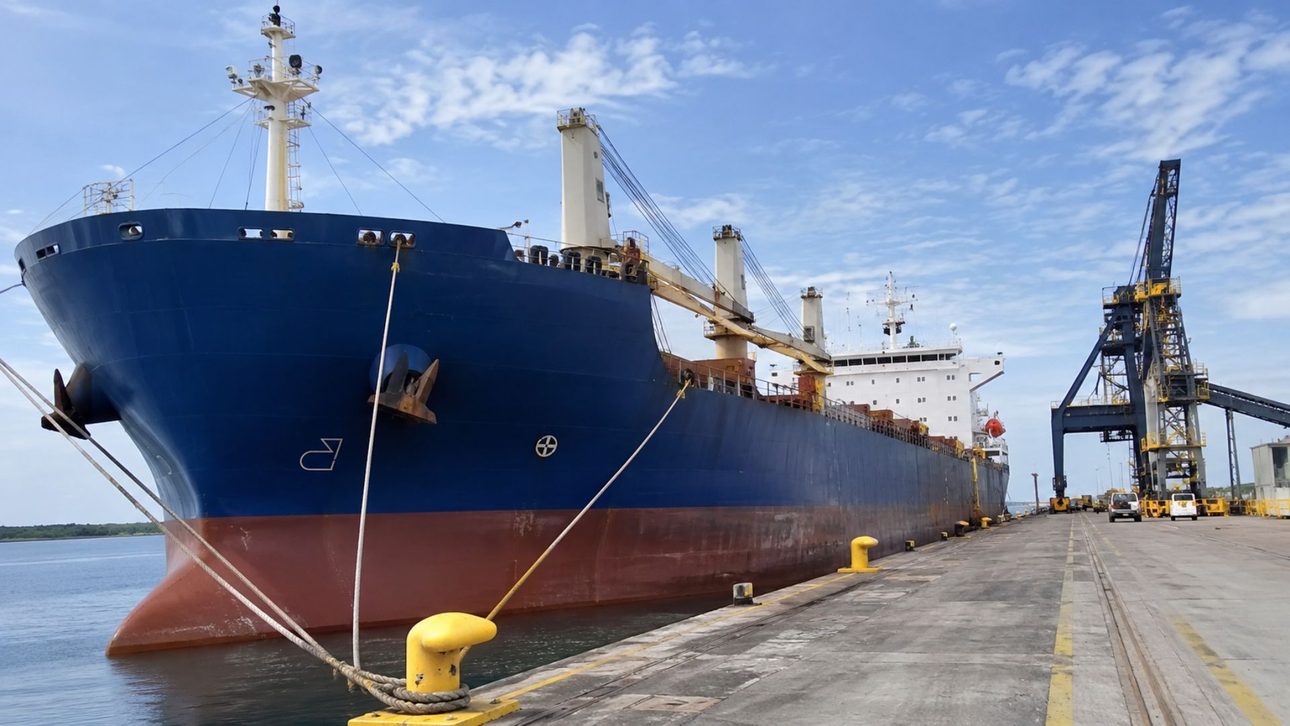

Fully deployed in 2023, the technology combines data on depth, tides, winds, waves and vessel characteristics to identify suitable windows for berthing and unberthing, increasing use of existing port infrastructure without relaxing safety criteria.
The Portocel terminal in Aracruz, on the northern coast of Espírito Santo state, has accumulated the equivalent of approximately 83 additional days of berth availability by adopting a system that evaluates vessels’ navigation conditions.
Called ReDRAFT, the tool uses the concept of dynamic draft to identify opportunities for ships to enter and leave the port that might otherwise be restricted by conventional navigation parameters.
-
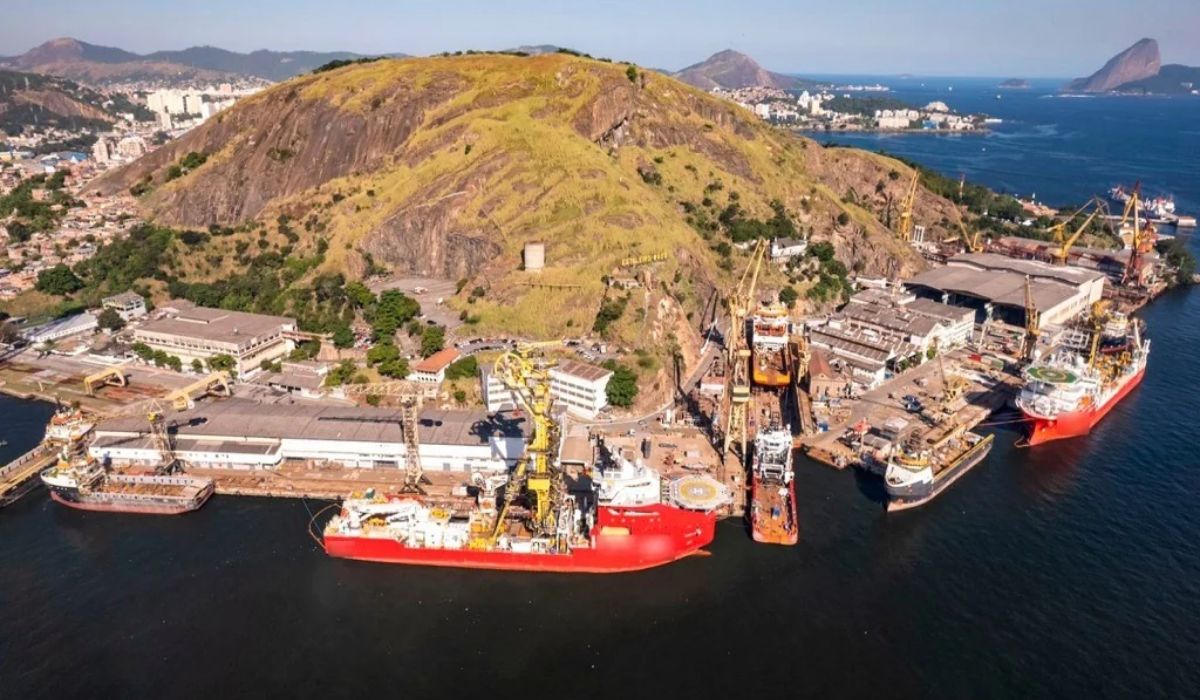
Brazilian shipyard develops floating home starting at R$659,000, with 41 sq. m., solar power, a bedroom suite, kitchen and room for eight passengers

-
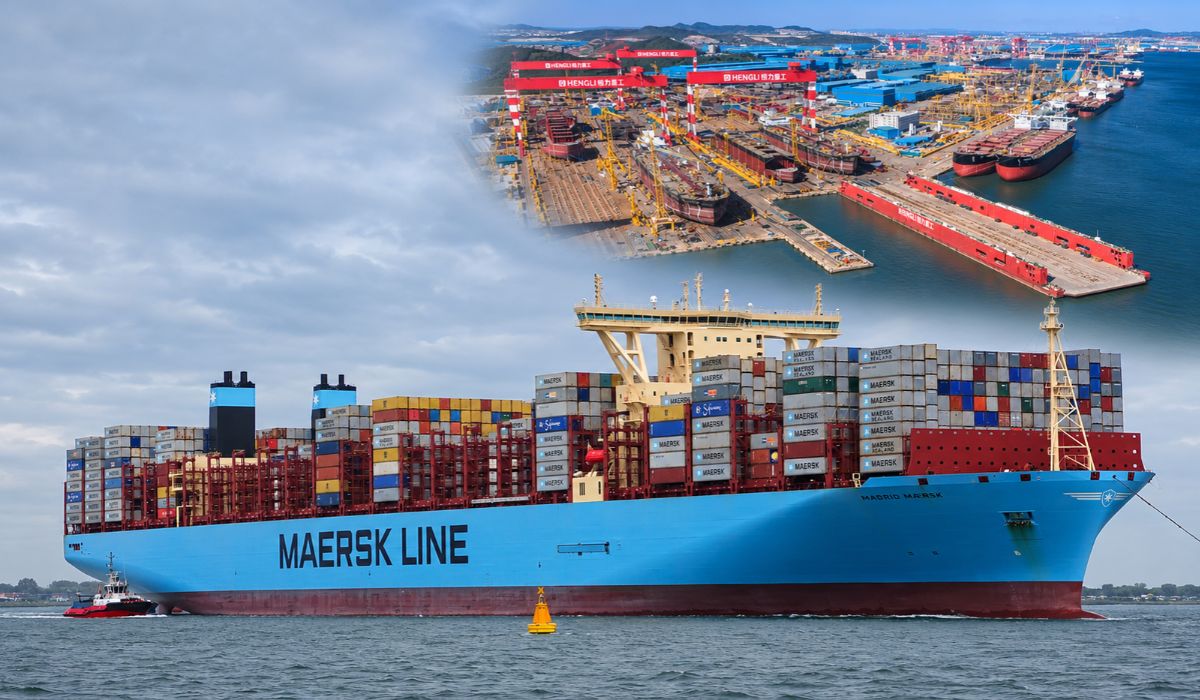
Maersk orders 12 24,000-TEU mega-ships in a deal valued at $2.76 billion, securing the largest vessels in its history
-
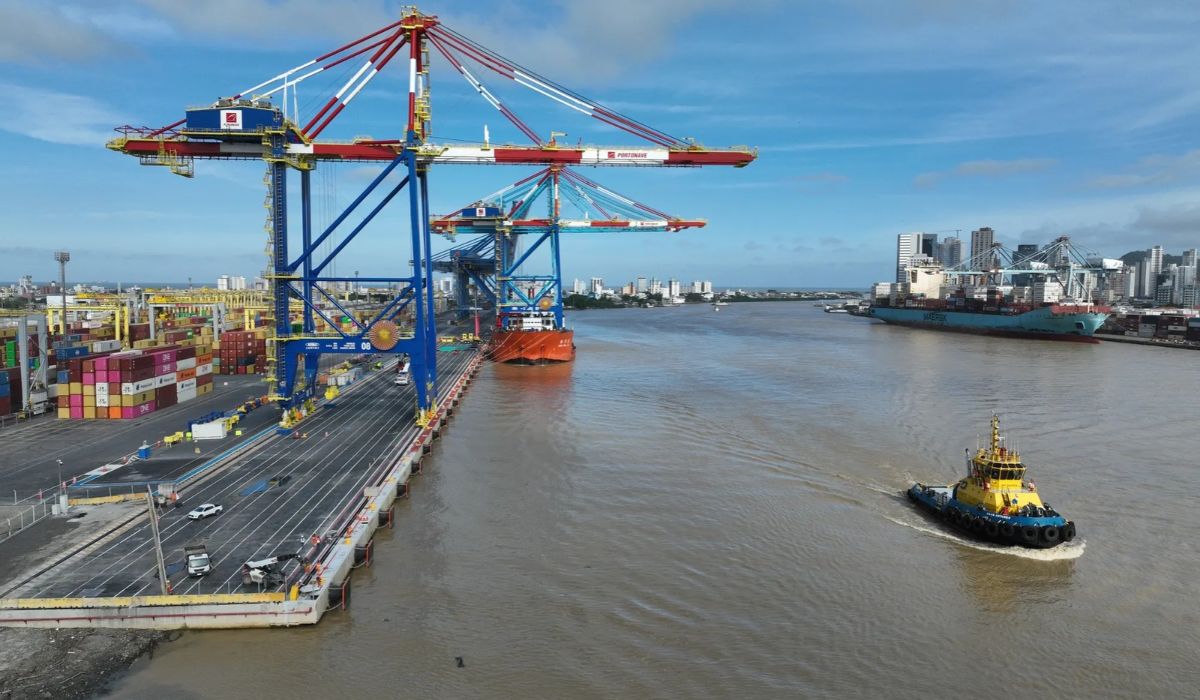
Brazilian port completes R$1.5 billion project, rebuilds 900 meters of quay without halting operations, and prepares to receive ships up to 400 meters long
-
OceanPact secures up to R$198 million in BNDES financing for ship repair yard expansion at Port of Açu

Of the approximately 2,000 additional hours accumulated by the terminal, 550 were recorded in 2025 alone, equivalent to nearly 23 days, according to a report published by Site Aracruz on Wednesday (25).
The figures represent the total of additional windows available for berthing and unberthing maneuvers, not necessarily consecutive periods of cargo handling.
How Portocel’s dynamic draft system works
A vessel’s draft is the vertical distance between the waterline and the bottom of the hull. It varies according to the ship’s characteristics and the weight it carries, including cargo, fuel and ballast water.
The greater the draft, the greater the depth required for a vessel to navigate without touching the bottom.
At port entrances, factors such as tidal fluctuations, wave height and hull movements during navigation also affect the actual distance between a ship and the bottom of the channel.
Another phenomenon considered in this type of assessment is the so-called squat effect, in which a vessel sinks lower in the water as it moves, especially in shallow water or restricted channels.
ReDRAFT incorporates environmental variables and vessel characteristics into its calculation of Dynamic Under-Keel Clearance (DUKC), which is used to assess safety conditions during maneuvers.
While a static rule sets limits based on predetermined conditions, a dynamic assessment considers the specific circumstances at the time a ship is due to enter or leave the terminal.
Sensors monitor navigation conditions
The vessel traffic and stay regulations for the Port of Barra do Riacho, published in September 2025, include the operating procedure Portocel uses to run the system.
Environmental monitoring uses an oceanographic buoy to measure currents and waves, a weather station to track winds, and another station to record tidal variations.
This information is combined with bathymetric surveys, which map the depths of navigable areas, and mathematical models used to assess navigation conditions.
The software has two main modules: one forecasts safe draft limits to help plan operations, while the other confirms safety conditions in real time.
The technical criteria set out in the procedure include a maneuvering margin of at least one meter and a probabilistic assessment of the risk of the vessel contacting the seabed.
Additional availability in vessel scheduling
At a marine terminal, vessel arrival schedules must account for both the physical availability of berths and navigation conditions in the areas providing access to the dock.
Even when a berth is available, a vessel may have to wait until the available depth and other environmental conditions allow it to enter.
Identifying new operational windows provides alternatives for scheduling arrivals and coordinating vessels’ departures after cargo has been loaded or unloaded.
The indicator released by Portocel measures additional operational availability. On its own, it does not establish how many extra tons of cargo were handled or how many additional vessels were received as a result of the technology.
“We are talking about greater productivity, predictability and competitiveness, without relaxing safety criteria,” said Gabriel Baião Tavares, Portocel’s port operations manager, in a statement published by Site Aracruz.
Dynamic draft implementation began in 2022
Portocel began experimental maneuvers with the system in 2022 and gradually expanded its use, culminating in the full release of the draft gain in 2023.
Located in Barra do Riacho, about 70 kilometers north of the Port of Vitória, the facility operates as a private-use terminal and has berths with varying lengths and depths.
The operating procedure sets specific conditions for using ReDRAFT with bulk carriers and general cargo vessels, taking into account hull dimensions and the safety limits applicable to maneuvers.
Regulations published in September 2025 set limits of 13 meters of draft on entry and 13.20 meters on departure for reference vessels, subject to the results of calculations performed by the system.
If ReDRAFT or the stations responsible for collecting environmental data fail, the procedure requires maritime agents to be notified and a mandatory return to the static draft rules set out in port regulations.