Portuguese
 Spanish



European Union discusses support for Colossus project in Minas Gerais, which calls for $449 million in investment and rare earths supplies to France.
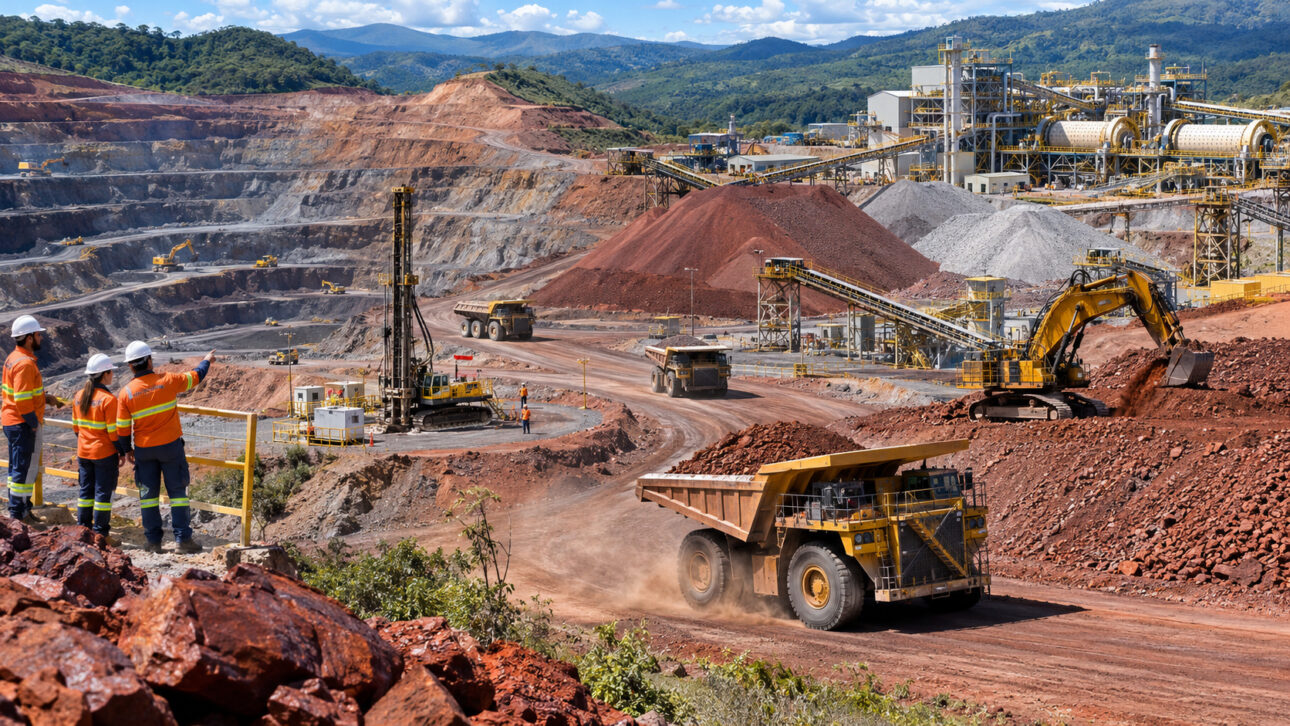
Australian miner Viridis Mining and Minerals is preparing a $449 million project in Minas Gerais while negotiating financial support from the European Union to bring the operation online. The Colossus project, located in the Poços de Caldas region, plans to begin producing rare earths in 2028 and already has a long-term contract with Belgian chemical company Solvay. The agreement could direct approximately 70% of planned output of certain strategic minerals to an industrial facility in France.
CNN Brasil reported on November 24, 2026, that negotiations advanced after a meeting in Brussels on November 20 between Viridis CEO Rafael Moreno and European Commission representatives. The bloc is discussing possible financing mechanisms and support for the Brazilian project.
European Union advances talks to finance mining in Brazil
Viridis presented the Colossus project to the European Commission at a meeting in Brussels on November 20, 2026. The company outlined the financing needed to develop the mine and prepare for production.
-
Brazil identifies 238 artisanal mining tailings sites and plans project to recover discarded gold and reduce mercury contamination

-
Australian miner negotiates R$3.5 billion project in Minas Gerais, evaluates rare-earth refinery for electric-motor industry
-
Lithium miner increases recovery by 23% with unchanged ore volume in Minas Gerais, recovers tailings and prepares 2027 industrial expansion

-
India boosts copper purchases from Pará by 850%, driving US$1.037 billion in sales in 10 months and overtaking traditional markets as the state’s second-largest buyer

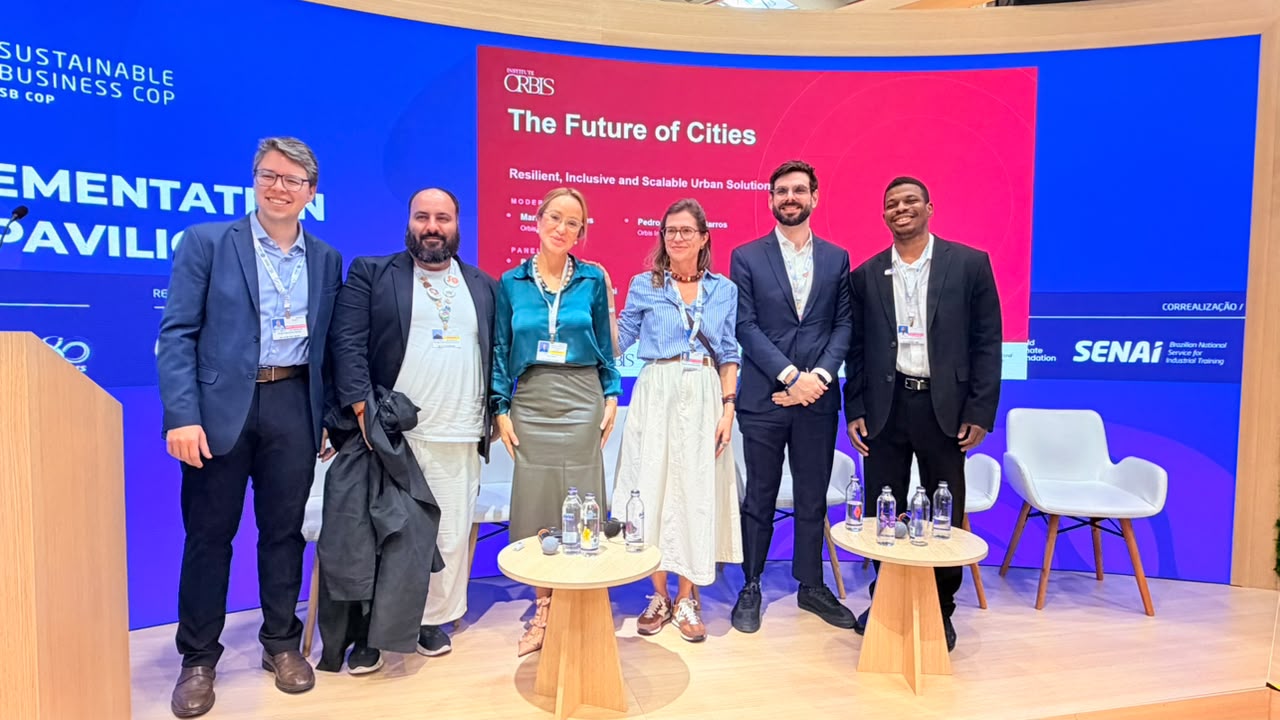
The meeting included representatives from the European Commission’s international partnerships department, including Koen Doens, Lucie Sestakova and Taneli Lahti.

The discussions covered potential investment instruments and mechanisms that could ease access to financing.
European Commissioner Jozef Síkela publicly reaffirmed institutional interest in the project. The statement followed his visit to the project in Minas Gerais in June.
$449 million project to be developed in Poços de Caldas
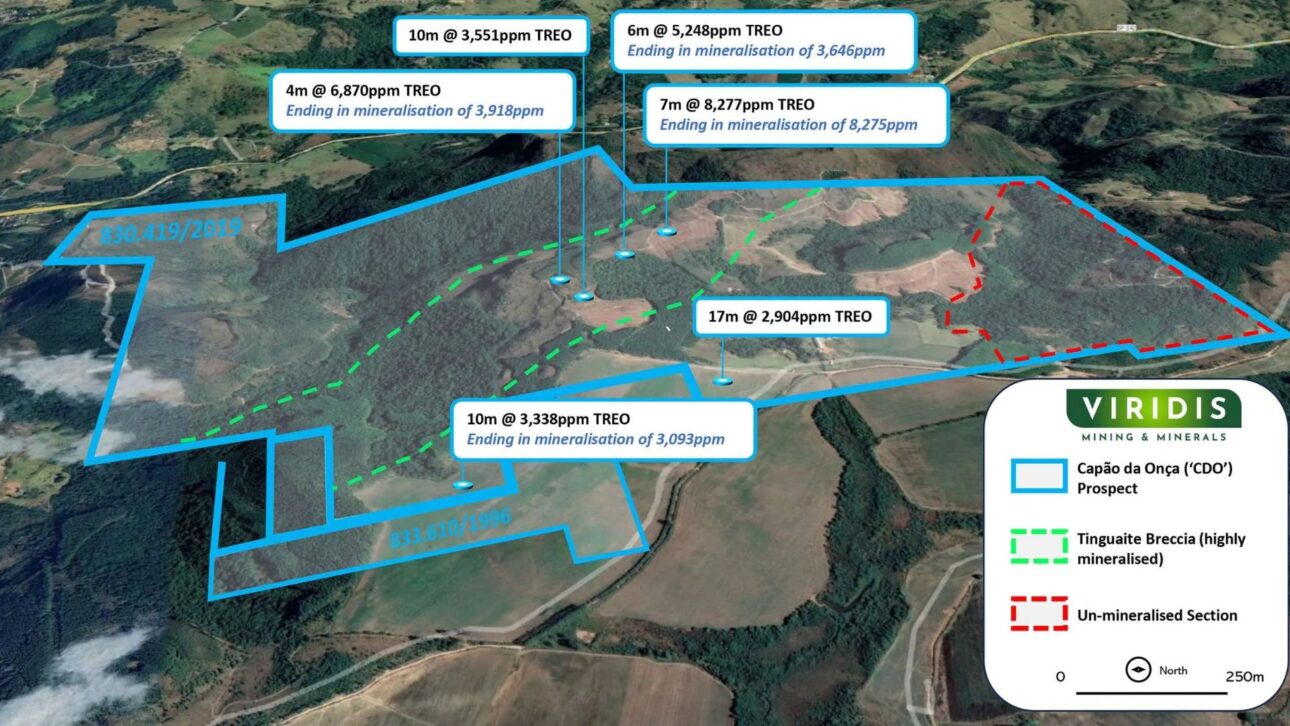
Colossus is located in southern Minas Gerais, in the Poços de Caldas region. The project is owned by Australian miner Viridis Mining and Minerals.
The planned initial investment is approximately $449 million, according to the definitive feasibility study the company presented in August 2026. The amount covers the resources needed to develop the mine, install equipment and prepare industrial operations.

The company plans to produce a material called mixed rare earth carbonate, which combines different chemical elements initially extracted and processed in Brazil. Commercial-scale development still depends on permits and a final investment decision.
Mine could operate for 25 years with reserves of 200 million metric tons
The project has an estimated mineral reserve of 200.1 million metric tons of ore, containing approximately 579,000 metric tons of total rare earth oxides.
Viridis estimates that the reserve could support operations for about 25 years, based on the production plan presented in the study. The project is designed to process approximately 5 million metric tons of ore per year.
The material will be mined from clay deposits containing elements of industrial interest. After extraction, it will undergo a process designed to recover the rare earths.
Deal with Belgian company could send 70% of production to Europe
In November, Viridis signed a binding contract with Solvay, a Belgian chemical company with rare earth separation facilities in France. The agreement sets minimum purchase volumes for the mixed carbonate to be produced at Colossus. Deliveries are scheduled to begin in 2028 and continue through December 2034.
The commitments represent approximately 70% of projected production during the initial contract period, based on criteria disclosed by the companies.
Four elements receive special attention: neodymium, praseodymium, dysprosium and terbium. All are important in the manufacture of industrial magnets. The contract also covers other elements present in the material, including samarium, yttrium and gadolinium.
Brazilian material will be sent to refinery in France
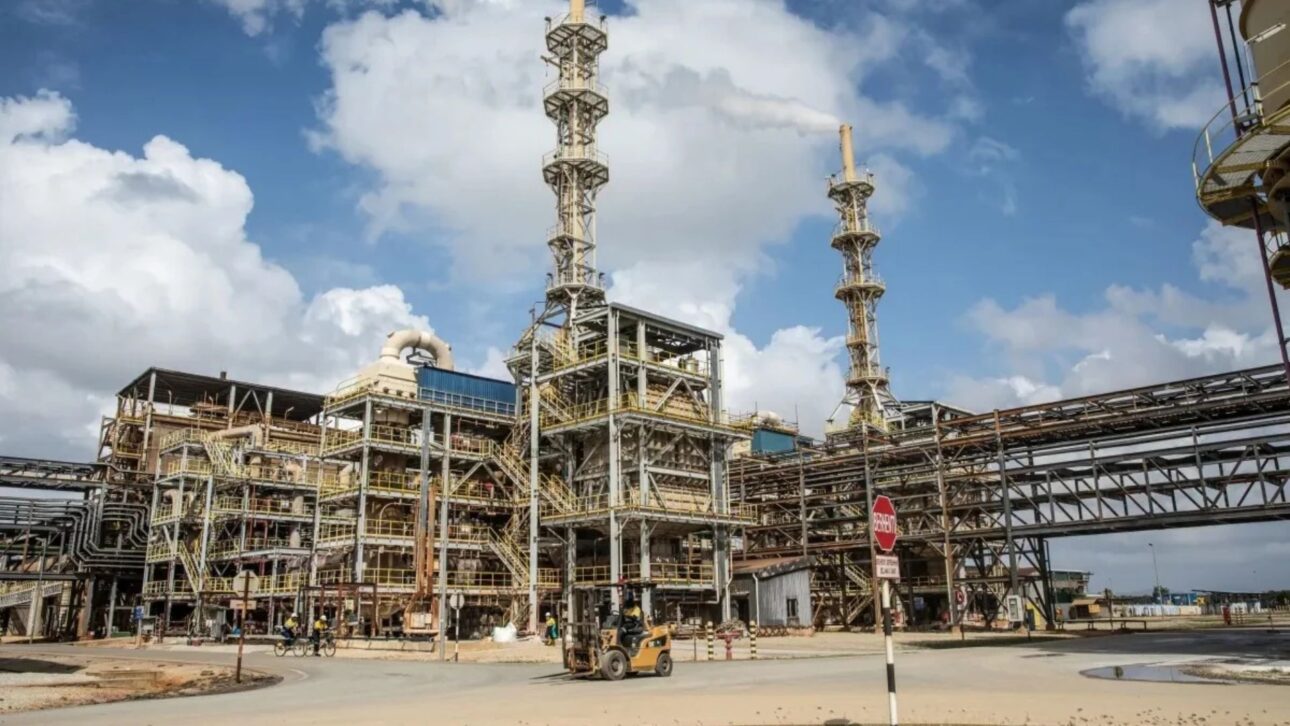
Part of the production is expected to go to Solvay’s plant in La Rochelle, France. The facility carries out rare earth separation and purification. These steps can turn the mixed carbonate into products with properties suited to industrial needs.
Material produced in Brazil will not necessarily be used directly to manufacture motors or turbines. It will first need additional processing. Solvay already has industrial facilities capable of carrying out these operations. The contract therefore allows Viridis to use existing facilities while it prepares to begin production in Brazil.
The companies are also discussing a possible technology transfer to expand processing in Brazil, but that separate arrangement has not yet been finalized.
Contract could generate an estimated US$915 million in revenue
Viridis estimates that the minimum supply commitments could support approximately US$915 million in revenue between 2029 and 2034. The estimate is based on the contracted volumes and price-protection mechanisms set out in the agreement.
The contract uses a take-or-pay arrangement, under which the buyer assumes certain payment obligations tied to the minimum quantities specified.
This mechanism helps make future revenue more predictable and could make it easier for banks to assess the project.
Neodymium and praseodymium are used in electric motors
European interest is driven mainly by the elements used to make high-performance permanent magnets. Neodymium and praseodymium make it possible to produce magnets that retain strong magnetic force even in relatively small components.
These components are used in some electric vehicle motors, industrial equipment and wind turbines.
Dysprosium and terbium can improve the performance of some of these magnets at high temperatures. Demand for these materials is linked to the production of electrical systems, power-generation equipment and other industrial technologies.
Europe is seeking to broaden its sources of supply because much of the world’s rare earth processing is concentrated in China.
Viridis has secured some of the funding needed for construction
The mining company said it had secured investment commitments sufficient to meet its indicative equity requirement. However, it still needs to complete debt financing, which will cover another portion of development costs.
The company is in talks with international banks, export credit agencies and development finance institutions.
In this context, European support could complement financing mechanisms that are already under negotiation.
The November 23 announcement does not disclose the value of any potential European Union contribution or identify a European loan that has already been secured.
Research center is already testing rare earth processing in Minas Gerais
Viridis operates a research and processing center in the Poços de Caldas region, where it is testing ore from the Colossus project. The facility has a demonstration plant used to assess how the material behaves during the treatment stages.
The tests help assess mineral recovery and identify adjustments needed before a larger commercial facility is built.
During his visit to Brazil in June 2026, European Commissioner Jozef Síkela toured the facility. The company also uses the results to guide equipment selection and prepare the industrial processes outlined in the feasibility study.
Installation license still requires environmental approval
Colossus has already obtained a preliminary environmental license, a stage that recognizes the project’s environmental feasibility subject to conditions set by the responsible agency.
The company is still awaiting review of its application for an installation license. This authorization is required before it can proceed with the project’s main industrial construction work.
While the process continues, Viridis is carrying out engineering work, contracting services and purchasing equipment with longer manufacturing lead times.
The mining company also needs to finalize financing and approve the final investment decision before fully executing its commercial plan.
Production targeted for 2028 will depend on meeting the schedule
Viridis has announced a target of starting commercial rare earth production in 2028. To meet that timeline, the company will need to obtain the remaining permits, finalize financing agreements and make progress on equipment installation.
The contract with Solvay already identifies a potential destination for a significant share of future production. In France, the chemical company plans to use the Brazilian material in its separation and purification operations.
Negotiations with the European Union could still add a source of financial support for the project, but there is no confirmation of how much funding will be made available.
With an initial investment of US$449 million planned, Colossus would connect a mining operation in Minas Gerais with a European industrial supply chain that uses rare earths in electric motors and equipment.