Portuguese
 Spanish


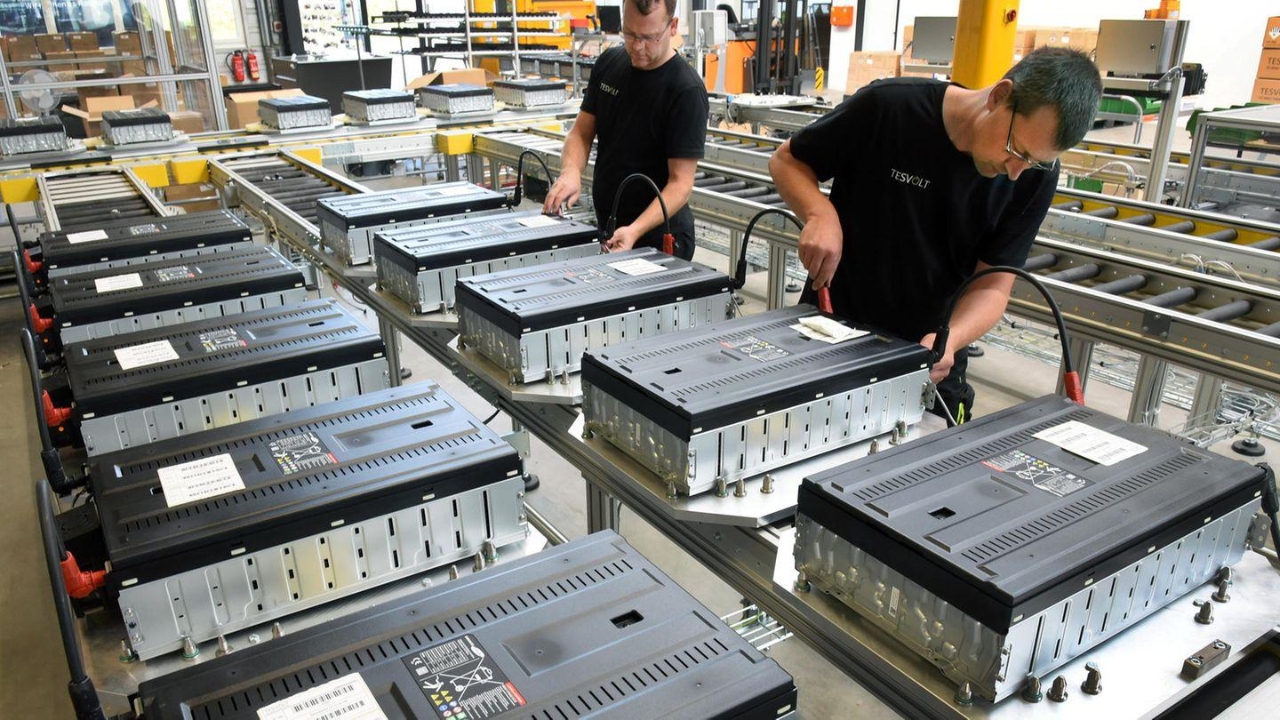

China’s Windey has been registered as a BNDES supplier and is preparing a R$100 million battery factory in Camaçari, Bahia. The facility is expected to produce 2 GWh a year starting in 2027; the VOLTPACK model is still under review.
China’s Windey has advanced in the BNDES supplier registration process as it prepares a R$100 million energy storage systems factory at the Camaçari Industrial Complex in Bahia. The facility will cover approximately 25,000 square meters, with planned capacity of 2 gigawatt-hours (GWh) per year and production scheduled to begin in 2027.
The development, announced by the Bahia state government on November 19, 2026, brings the manufacturer closer to a key step for Brazil’s market: approval of equipment that could serve battery projects financed by BNDES. Documentation for the VOLTPACK L5015 model has been submitted to the bank and is under review.
Windey joins BNDES supplier registry, but equipment is still under review
A statement from Bahia’s Department of Economic Development says Windey Brasil has been registered in the National Bank for Economic and Social Development’s (BNDES) Computerized Supplier Accreditation system (CFI). Registration is one step for companies seeking to have their machinery and systems recognized for the bank’s financing programs.
-
Compagas invests R$20 million, installs 12 km of gas pipelines in Maringá, and prepares renewable natural gas from sugarcane waste for Coca-Cola plant and future truck fueling station

-
Brazil Opens Call for Pumped-Storage Hydropower Projects as Federal Plan Targets 2 GW by 2036
-
Inside a Welsh mountain: Dinorwig, Britain’s largest energy-storage facility, is a 1,728-MW plant carved into an old slate quarry that delivers 1,320 MW in 12 seconds and stores 9.1 GWh

-
China activates 100-MW, 1-GWh CO2 battery in Xinjiang desert, surpassing Italy’s pioneering plant


The manufacturer is now seeking accreditation for its VOLTPACK L5015 system. Review of the product is separate from the company’s registration. Equipment approval follows its own criteria, including information about the manufacturing process and domestic-content requirements that apply to certain transactions.
BNDES explains on its website that supplier and product accreditation is handled through the CFI system. Product reviews consider the manufacturing process, while each financing transaction depends on the terms of the credit line and the agents involved.
The news comes as manufacturers prepare for electricity storage contracts, a segment that has gained ground with the expansion of solar and wind generation in the country. For Windey, the next significant development will be a decision on accreditation of its specific equipment.
R$100 million Camaçari factory will cover 25,000 square meters, with production planned for 2027
The facility will be Windey’s first manufacturing base for storage systems outside China, serving Brazil and other Latin American markets. The project is being developed at the Camaçari Industrial Complex in the Salvador metropolitan area, where the company plans to consolidate equipment integration, assembly, testing and preparation for delivery.
The announced investment is R$100 million. When the project was presented in June, the company said the funds would be deployed over the coming years for machinery, imports and hiring. At that stage, it had also announced plans to invest about R$30 million in the first year.
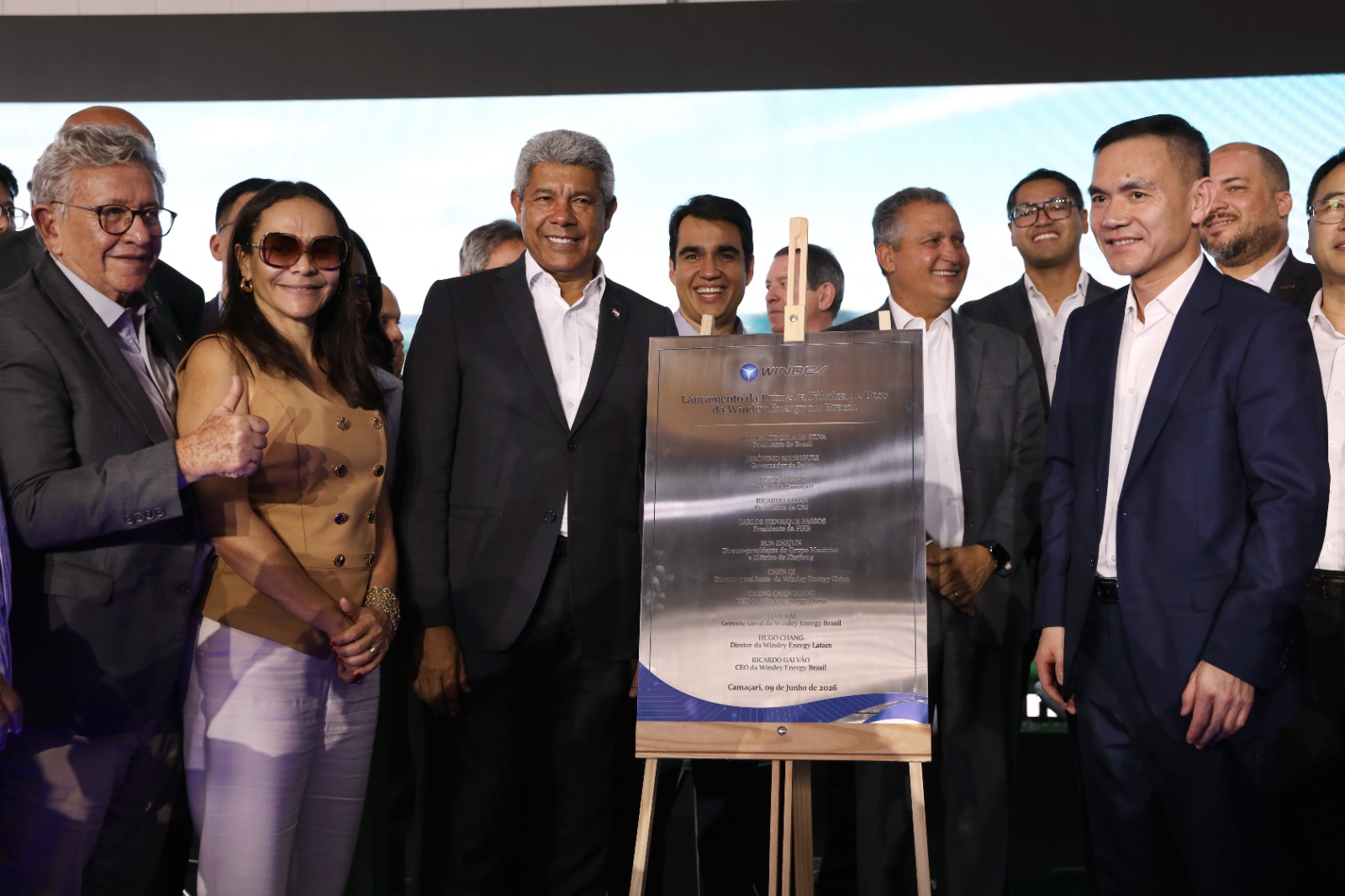
The current schedule calls for industrial operations to begin in 2027. The factory was unveiled publicly in June 2026, when Bahia Gov. Jerônimo Rodrigues attended the groundbreaking ceremony. The event marked the start of the project, while commercial production remains scheduled for next year.
Projections released over the course of the year have changed: June announcements put initial capacity at 1.5 GWh per year; the Bahia state government’s latest announcement cites 2 GWh annually. The latest projection is 0.5 GWh higher than the figure given when the factory was unveiled.
The figure represents planned annual capacity for energy storage systems, not a power plant’s generating capacity. The equipment will be able to store electricity from other sources and make it available when needed, depending on each installation’s capacity and operating conditions.
December 2 and 4 auctions could spur battery orders in Brazil
Windey’s factory was announced just months before Brazil’s first auctions dedicated to procuring capacity from battery-based energy storage systems. Brazil’s National Electric Energy Agency (ANEEL) has scheduled the auctions under notices 05/2026 and 06/2026 for December 2 and 4, 2026, to be held virtually.
The auction notices provide for contracts to make capacity available, with supply beginning August 1, 2028, over a 15-year term. One category requires equipment to meet domestic-content requirements, while the other does not have the same requirement. Supplier and product approval will be important for projects seeking to meet local requirements.
For the contracted systems, ANEEL calls for maximum power availability for four hours per cycle, along with charging and performance conditions. Payments will be made through fixed annual revenue, subject to adjustments based on actual performance of the agreed obligations.
Windey has already registered its company with the CFI and is awaiting evaluation of its energy storage system. The factory’s timeline, technical review of its products and compliance with auction requirements will be important steps in expanding the company’s presence in this market.
Project calls for 70 to 120 workers and partnerships to train industrial staff
At the factory’s launch, Windey Brasil CEO Ricardo Galvão said the facility would feature a high degree of automation. At the time, the Bahia State Communications Department published an estimate of 70 to 120 workers once the plant is fully operational.
The projection covers a range of industrial roles, including assembly, machine operation, component integration and technical work. The company also plans to develop training initiatives with local institutions to prepare workers for the energy storage sector and other energy technologies.
In 2025, Windey opened its Brazilian office and a Research and Development Center in Salvador in partnership with SENAI CIMATEC. Its ties with educational and research institutions preceded the decision to establish its industrial base in Camaçari, bringing technical expertise and local production together.
The company’s investment adds to industrial projects already operating in the Camaçari Industrial Complex. The region has a network of suppliers, logistics infrastructure and specialized workers, factors Windey cited in explaining its choice of Bahia for the new factory.
Batteries could store wind and solar power for use at other times
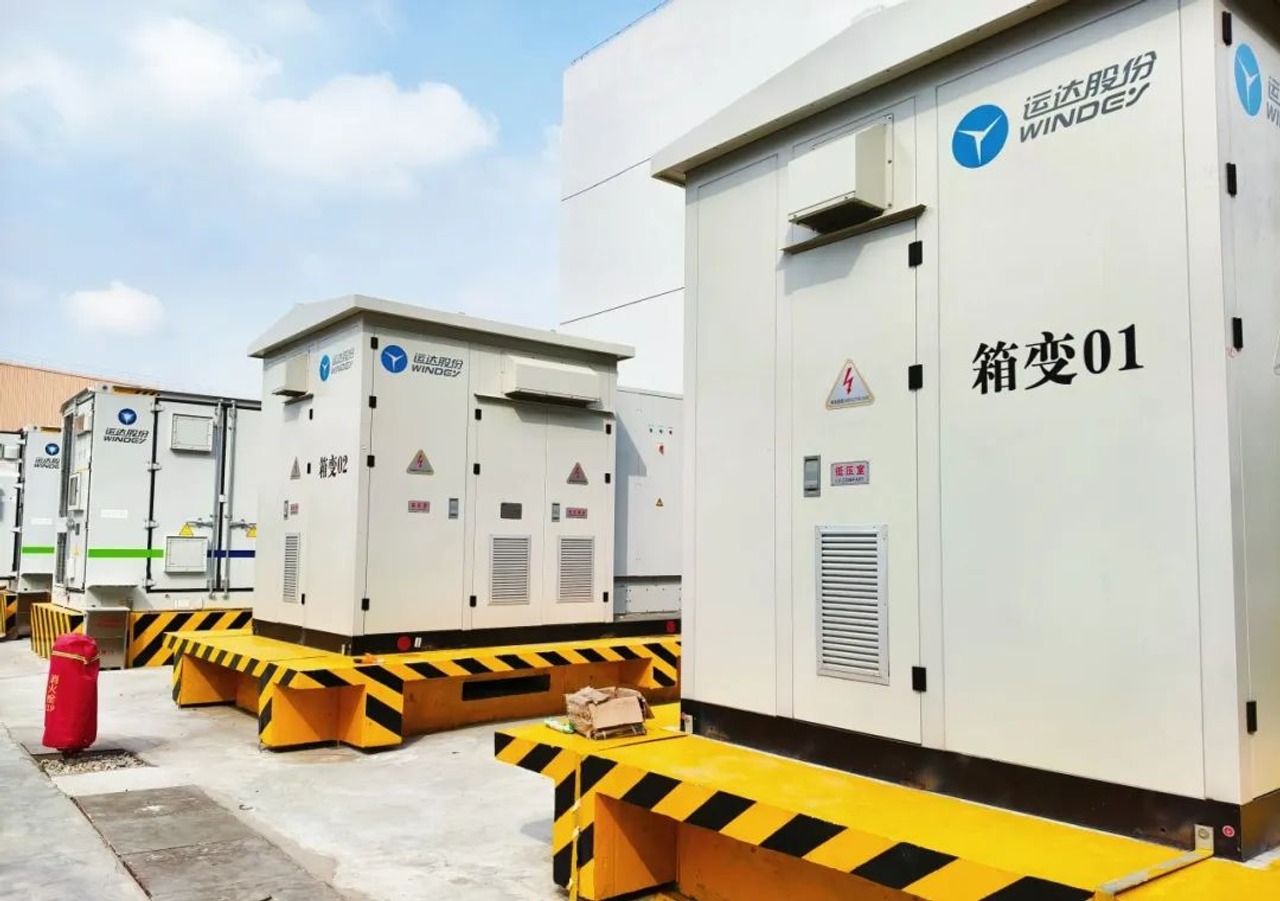
Systems known as BESS consist of battery modules, power conversion equipment, cooling, control and safety systems. They take in electricity from the grid or generating sources, store it and release it when demand arises or supply needs to be stabilized.
In regions with a large concentration of solar and wind farms, this technology can help shift energy from periods of production to periods of consumption. Electronic controls also allow rapid responses to certain grid needs.
Windey’s Camaçari facility is planned to integrate and test systems of this kind. In corporate material published in June, Windey described the facility as its first international manufacturing and integration base for energy storage, established to serve Brazil and Latin America.
Next steps include a BNDES assessment, auctions and the start of production
With its corporate registration complete, the manufacturer is awaiting the BNDES (Brazilian Development Bank)’s evaluation of the VOLTPACK L5015 and is working on the industrial facility, which is scheduled to begin operating in 2027. Before then, the December auctions are expected to indicate contracted demand for new projects and the requirements for equipment supply.
The updated announcement from the Government of Bahia brings together R$100 million in investment, a 25,000-square-meter facility and projected annual capacity of 2 GWh. Those figures will depend on the factory’s construction, the industrial schedule and market demand.