Portuguese
 Spanish


The buyer queue for the Volkswagen ID. Polo has already topped 30,000 orders, creating a challenge for the automaker as it tries to meet delivery deadlines for the electric compact unveiled in Europe in April. European media report that all planned 2027 production has sold out, and waits for some versions could reach two years. Volkswagen expects to fulfill reservations already placed by the end of 2027, while new orders are expected to be delivered only in 2028. The information was reported by Autoesporte on November 19.
ID. Polo changes hatchback proportions and pairs a retro interior with digital displays
The ID. Polo revives the name of a familiar hatchback but has its own dimensions and an interior concept that blends vintage influences with digital equipment. It is 4.05 meters long, slightly shorter than the gasoline-powered Polo at 4.07 meters. Its other dimensions go the opposite way: the electric model is wider and taller, and has a longer wheelbase.
The difference is clear in the numbers. The ID. Polo is 1.81 meters wide and 1.53 meters tall, with a 2.60-meter wheelbase, while the conventional Polo measures 1.75 meters, 1.47 meters and 2.56 meters, respectively. For luggage, the electric model offers 440 liters of cargo space in the trunk and another 50-liter compartment beneath the rear seat.
-
Owners of 2026 and 2027 Ford Ranger Black, XL, XLS and XLT models face dealership return due to 10.1-inch screen defect affecting backup camera and air conditioning, repairs start in 2027

-
Mitsubishi’s Triton Estradeiro Pickup Offers Satellite Internet for Drivers on Remote Routes: Priced at R$282,990, with Starlink Mini Roof Mount
-
Toyota prepares 2027 Brazil launch of new Hilux with completely redesigned styling, Land Cruiser Prado-inspired interior, diesel, hybrid, and electric versions offering up to 380 km of range

-
Jetour commits R$400 million for Brazil-built SUVs in 2027: Targets 20,000 cars annually, considers Land Rover’s Itatiaia plant


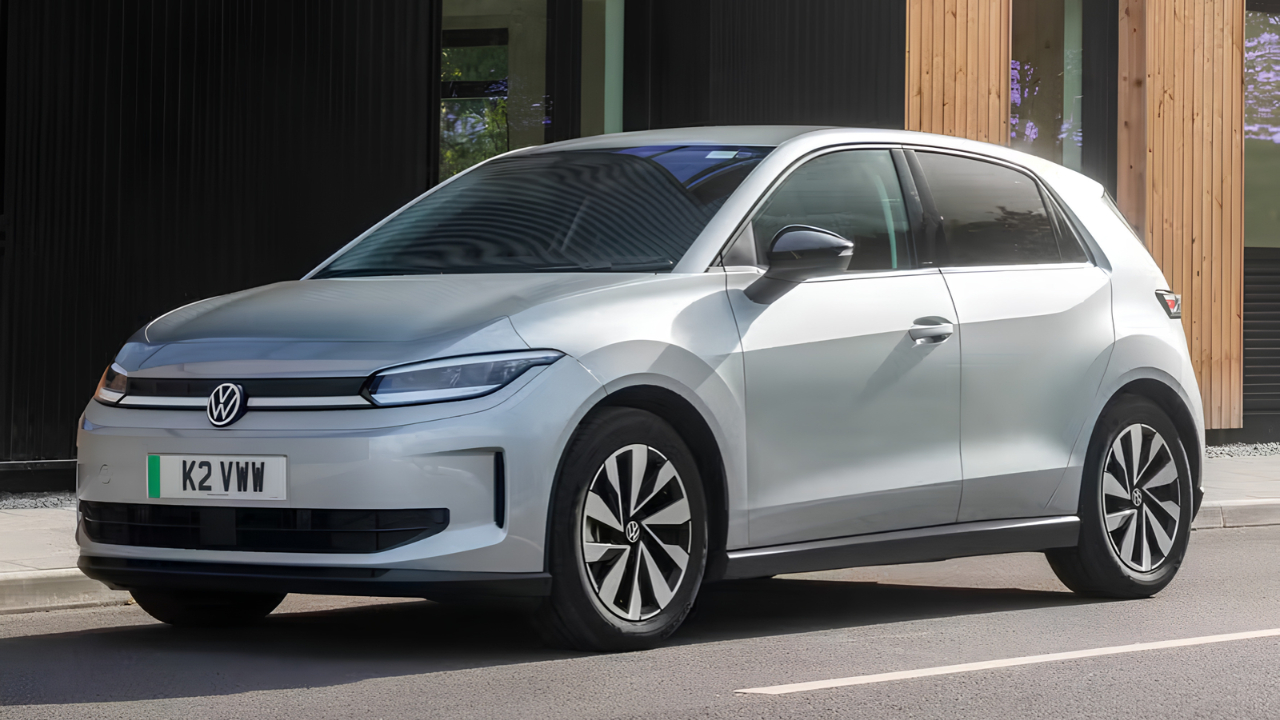
Inside, Volkswagen uses its Pure Positive design philosophy. The cabin features clean lines and elements inspired by cars of the past, alongside a 13-inch infotainment screen and a 10-inch digital instrument cluster. Ambient lighting with a choice of colors complements the blend of retro touches and modern features.
The model enters a segment that already includes the Renault 5 E-Tech, Peugeot e-208, BYD Dolphin and MG4. The electric Ford Fiesta is also among the future competitors cited for the ID. Polo, adding to the list of models the Volkswagen is expected to compete against.
Range of up to 455 km depends on battery and power output
Volkswagen chose the MEB+ platform, developed for lower-cost compact electric vehicles, as the basis for the project. The ID. Polo will be available with outputs of 116 hp, 135 hp and 211 hp. The differences go beyond power: battery chemistry, range and charging capacity also vary by version.
The announced specifications make it possible to compare the options directly:
- 116 cv and 135 cv: 37-kWh lithium iron phosphate battery, range of up to 329 km and DC fast charging at up to 90 kW. The battery level rises from 10% to 80% in 27 minutes.
- 211 cv: 52-kWh nickel manganese cobalt battery, estimated range of about 455 km and DC charging at up to 105 kW. The stated time to charge from 10% to 80% is 24 minutes.
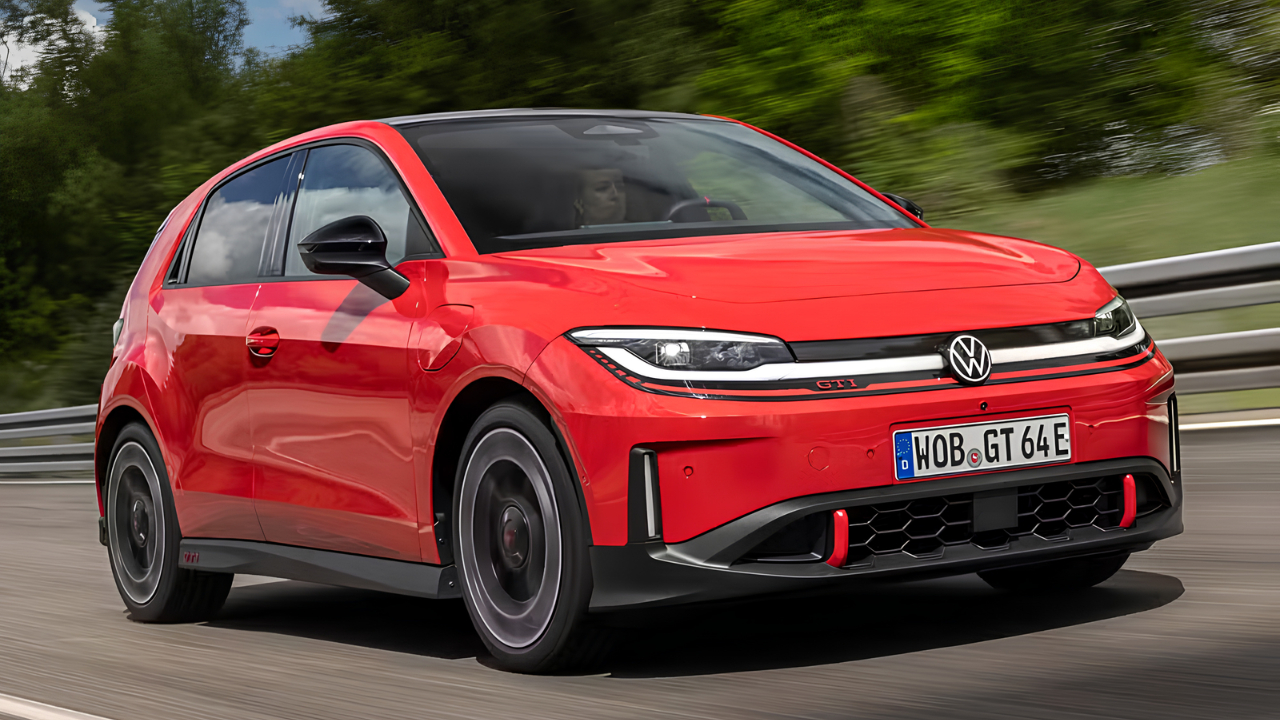
- 226-cv GTI: This version is expected to arrive in 2027, with the highest power output announced for the lineup.
The 211-cv version is therefore estimated to have a longer range than the 116-cv and 135-cv configurations, and it also supports a higher fast-charging rate. The lower-powered options share the same battery type and the same stated charging window.
The 24- and 27-minute times apply only to the 10% to 80% range, not to a full charge. That distinction is important when interpreting the figures, so battery capacity is not confused with the charging speed listed for each configuration.
Shared factory in Spain is handling orders for four electric models
Demand for the ID. Polo adds to interest in other Volkswagen Group electric compacts. Together, the Cupra Raval, ID. Cross, Skoda Epiq and ID. Polo have accumulated more than 150,000 orders, according to figures presented by the automaker.
Production of all four models is centered at Seat’s Martorell plant in Spain, which has an annual capacity of 600,000 vehicles. Half of that capacity is allocated to electric vehicles. The plant must therefore fit production of the ID. Polo and the other three cars into the same industrial facility, rather than dedicate its entire capacity to Volkswagen’s hatchback.
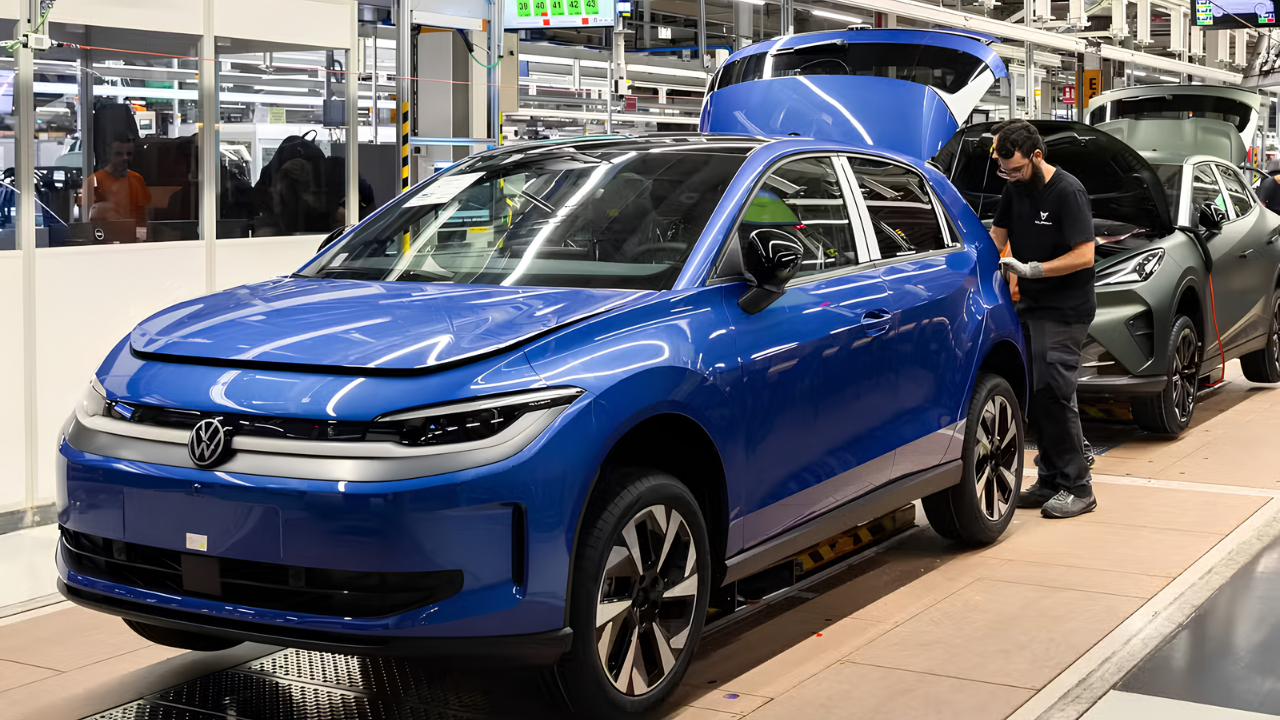
The scale of demand is also reflected in delivery forecasts released by the automaker and information published by European media. According to those reports, the production schedule for 2027 has already sold out, although wait times may vary depending on the version selected.
Volkswagen itself says that, at the current pace of reservations, it will not fulfill existing orders until late 2027. For customers placing new orders, the stated wait extends into 2028, leaving some future buyers facing a lengthy delay.