Portuguese
  Spanish



- economy,
- durability,
- ease of use.
This behavior helps explain why more modern motorcycles still cannot compete in volume with the CG.
Honda maintains leadership with an extensive network and strong national presence
Honda’s strength is also a determining factor. The brand has one of the largest networks of dealerships and technical assistance in the country, which guarantees support in practically all regions.
This presence facilitates maintenance, parts replacement, and brand trust. This combination creates a competitive advantage difficult for competitors to replicate.
-
Rolls-Royce Turns Heads with 30-Inch Floating Wheels, 6.6-Liter V12 Engine, and 563 Horsepower

-
2019 Kia Sportage EX: A Spacious and Cost-Effective SUV with 2.0 Flex Engine and Panoramic Roof
-
Fiat Strada Becomes Top Seller in June, Surpassing Onix, Polo, Hilux, and T-Cross with 107 HP Engine and 732 km Range.

-
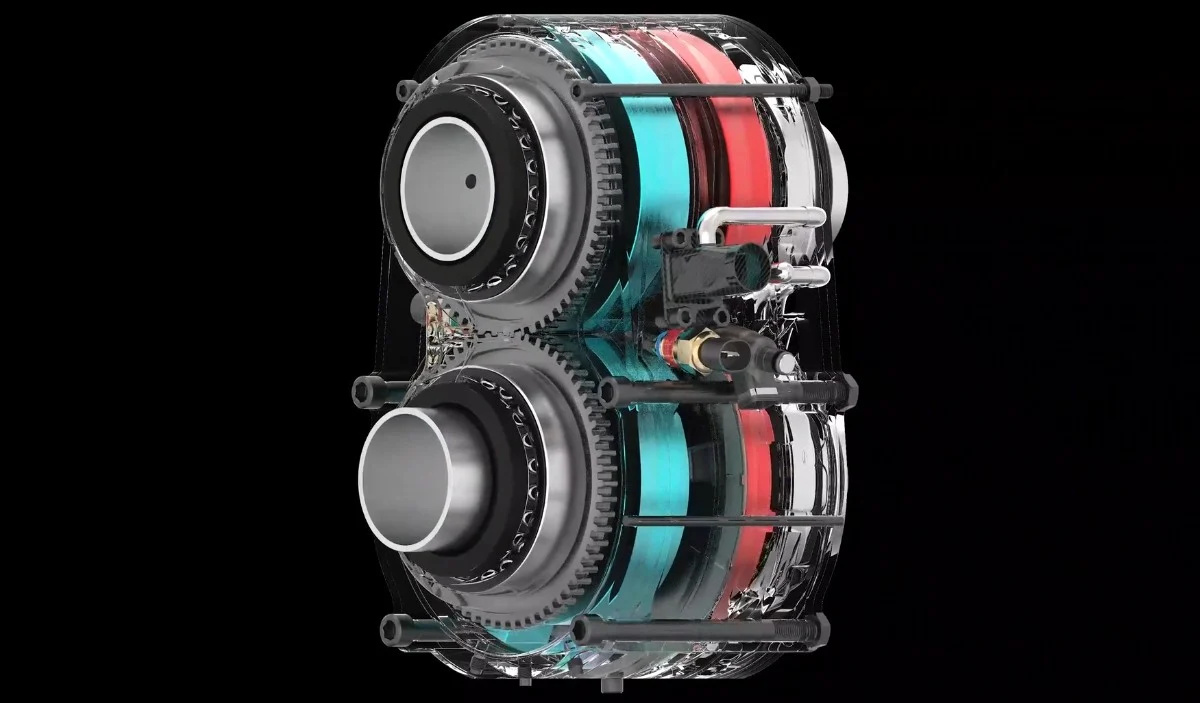
Suitcase-sized hydrogen engine spins at 25,000 rpm, nearly doubling the efficiency of conventional cars and replacing exhaust smoke with water vapor



When analyzing the cost per kilometer traveled, the CG 160 presents one of the best ratios in the market.
With high fuel efficiency and cheap maintenance, the operational cost per kilometer is significantly lower compared to cars and even higher displacement motorcycles. This factor is decisive for those who use the vehicle daily and need to control expenses.
Growth of apps maintains structural demand for economical motorcycles
The advancement of delivery platforms and urban services has increased the need for cheap and efficient vehicles. The CG 160 fits directly into this profile, being widely adopted by workers in this sector.
This phenomenon has created a structural demand base that sustains sales volume over time.
Despite the growth of electric motorcycles, Brazil still faces limitations in this segment. Among the main factors are:
- higher price,
- limited infrastructure,
- uncertainties about maintenance.
This keeps combustion motorcycles, like the CG, in absolute leadership.
CG’s dominance reveals the real pattern of Brazilian consumption
The success of the CG 160 is not just an automotive phenomenon, but a reflection of the country’s economic behavior.
It shows that the Brazilian consumer values practical, accessible, and efficient solutions above technological trends.
Given this scenario, the question that remains is direct: with electrification advancing worldwide, how long will a simple, economical, and highly functional motorcycle continue to dominate the Brazilian market so comfortably?
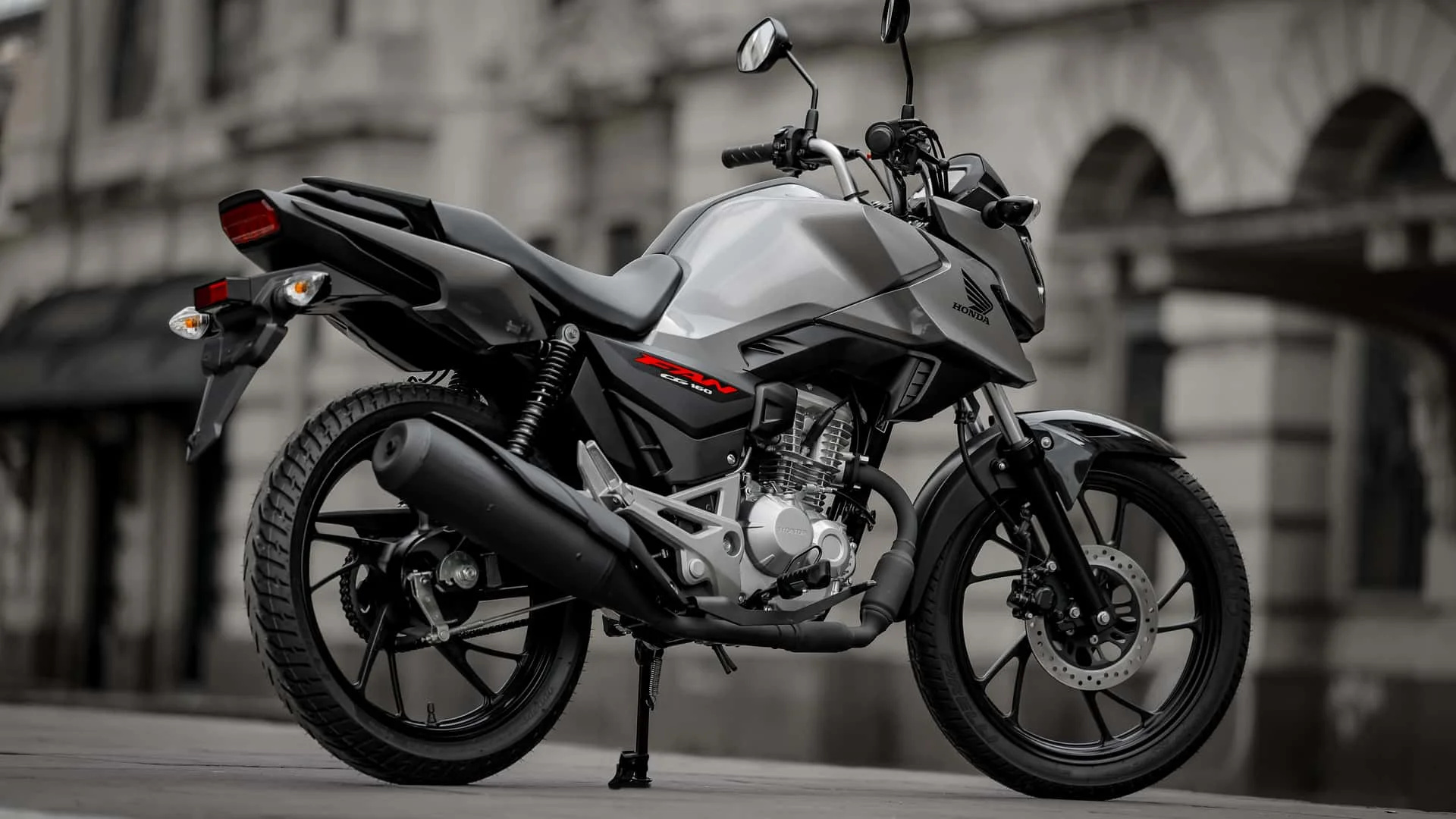
Honda CG 160 leads April with 41 thousand units, consumption of up to 40 km/l and price starting from R$ 14 thousand reinforce dominance in Brazil.
In April 2026, Fenabrave indicated, in preliminary data up to the 28th, that the Honda CG 160 returned to dominate the Brazilian market with 41,858 units registered, maintaining an isolated leadership among all motorcycles sold in the country. The volume reinforces a consolidated pattern: the massive preference for simple, economical, and highly functional models. The dominance of the CG 160 is not explained only by the name or tradition. It is directly linked to a set of technical and economic factors that make the motorcycle fit perfectly into the Brazilian reality, especially when analyzing consumption, autonomy, and total cost of use.
Continue reading below to understand why the CG 160 continues to lead by such a margin, what its most relevant numbers are, and how it surpasses scooters, electric, and more modern motorcycles.
Consumption of up to 40 km per liter and autonomy above 500 km explain direct appeal in daily use of the Honda CG 160
One of the main factors behind the leadership of the CG 160 is fuel consumption. In real use, the model can achieve averages close to 35 km/l to 40 km/l, depending on riding conditions and maintenance. With a tank of approximately 14.6 liters, this allows for an autonomy that can exceed 500 kilometers with a single refuel.
This number is crucial for those who use the motorcycle daily, especially in professional activities such as deliveries, urban commuting, and goods transportation.
In practice, the greater the autonomy, the less frequent the refueling and the lower the operational cost, which directly impacts the user’s net income.
Price starting from around R$ 14 thousand keeps the Honda CG 160 among the most accessible in the market
Another critical point to understand the success of the CG 160 is the price. The model starts from a range close to R$ 14 thousand to R$ 16 thousand, depending on the version and region, placing it among the most accessible motorcycles in the Brazilian market within the street category.


This positioning allows the CG to be acquired by both individual consumers and workers who see the vehicle as an investment. Moreover, the relatively low entry cost facilitates financing and broadens access to the model.
Low maintenance cost and cheap parts reduce long-term impact
The total cost of ownership goes beyond the purchase price. The CG 160 is known for having:
- simple maintenance,
- widely available parts,
- low revision cost,
- robust and well-known mechanics.
These factors make the cost over time predictable, which is essential for those who depend on the motorcycle for work.
This aspect reinforces the model as one of the most financially secure options within the two-wheel market.
Professional use transforms the CG into an income tool and sustains high sales
A large part of the units sold is not linked only to traditional consumption. The CG 160 is widely used as a work tool by delivery drivers, motorcycle taxi drivers, and small entrepreneurs.

In this context, the motorcycle ceases to be just a means of transportation and becomes a productive asset.
This creates a constant demand, which does not depend exclusively on consumer trends or economic cycles.
Mechanical simplicity still surpasses technology in total sales volume
While the global market advances in connectivity, electrification, and sophisticated design, the CG 160 maintains a direct and functional proposition.
The model doesn’t compete with more technological motorcycles in terms of innovation, but it wins in practical aspects. This difference shows that the Brazilian consumer, for the most part, prioritizes:
- economy,
- durability,
- ease of use.
This behavior helps explain why more modern motorcycles still cannot compete in volume with the CG.
Honda maintains leadership with an extensive network and strong national presence
Honda’s strength is also a determining factor. The brand has one of the largest networks of dealerships and technical assistance in the country, which guarantees support in practically all regions.
This presence facilitates maintenance, parts replacement, and brand trust. This combination creates a competitive advantage difficult for competitors to replicate.
When analyzing the cost per kilometer traveled, the CG 160 presents one of the best ratios in the market.
With high fuel efficiency and cheap maintenance, the operational cost per kilometer is significantly lower compared to cars and even higher displacement motorcycles. This factor is decisive for those who use the vehicle daily and need to control expenses.
Growth of apps maintains structural demand for economical motorcycles
The advancement of delivery platforms and urban services has increased the need for cheap and efficient vehicles. The CG 160 fits directly into this profile, being widely adopted by workers in this sector.
This phenomenon has created a structural demand base that sustains sales volume over time.
Despite the growth of electric motorcycles, Brazil still faces limitations in this segment. Among the main factors are:
- higher price,
- limited infrastructure,
- uncertainties about maintenance.
This keeps combustion motorcycles, like the CG, in absolute leadership.
CG’s dominance reveals the real pattern of Brazilian consumption
The success of the CG 160 is not just an automotive phenomenon, but a reflection of the country’s economic behavior.
It shows that the Brazilian consumer values practical, accessible, and efficient solutions above technological trends.
Given this scenario, the question that remains is direct: with electrification advancing worldwide, how long will a simple, economical, and highly functional motorcycle continue to dominate the Brazilian market so comfortably?