






 Portuguese
  Spanish
  4 min of reading
  0 comments


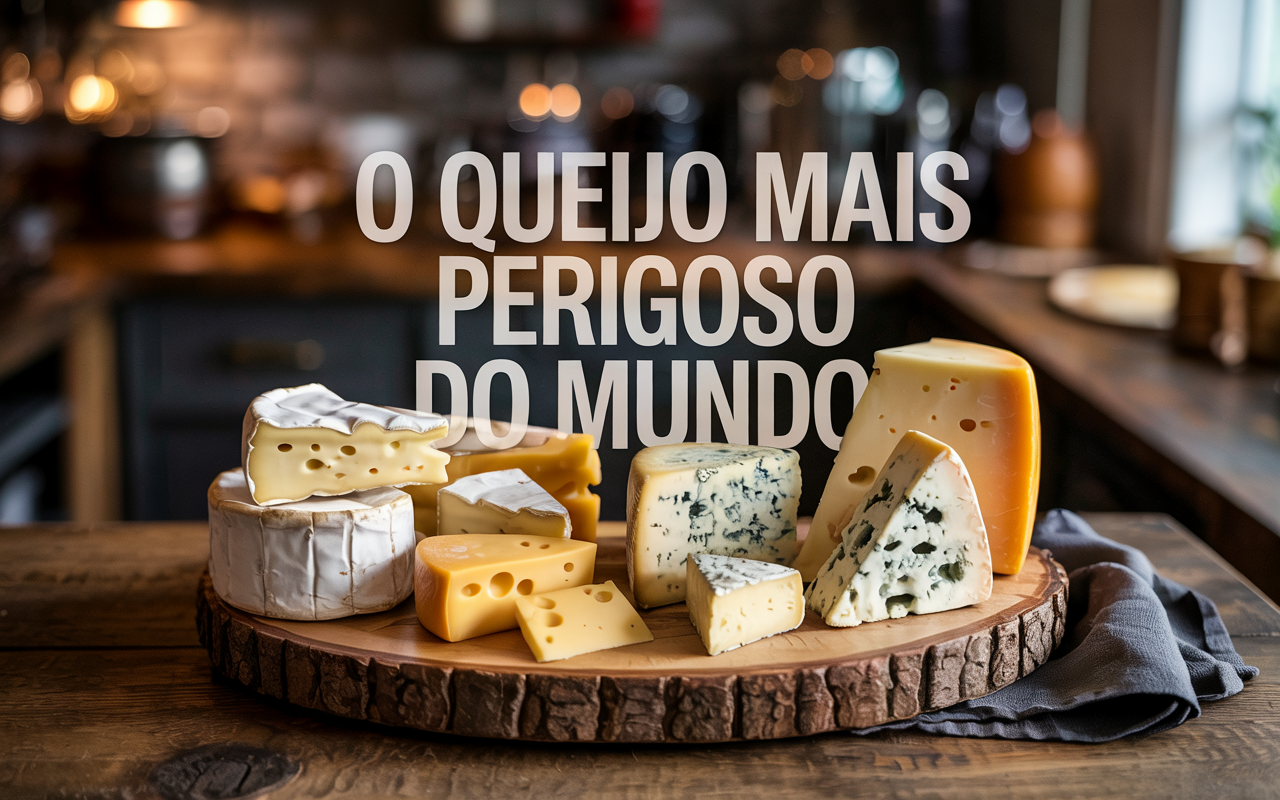
Declared The Most Dangerous Cheese In The World, Casu Marzu Is Illegal But Continues To Be Consumed With Live Larvae As Part Of The Food Tradition Of Sardinia.
On the island of Sardinia, an autonomous region of Italy located in the Tyrrhenian Sea, a traditional food continues to awaken curiosity and controversy. Produced artisanally by local shepherds, casu marzu — which in Sardinian dialect means “rotten cheese” — is internationally known as the most dangerous cheese in the world, according to a classification by the Guinness World Records published in 2009.
Despite its controversial reputation, casu marzu has been consumed for centuries by locals on the island. Its preparation occurs from the traditional pecorino cheese, made from sheep’s milk, which undergoes a peculiar fermentation process mediated by the live larvae of the cheese fly (Piophila casei).
Production Of The Most Dangerous Cheese In The World Involves A Decomposition Process With Live Larvae
Casu marzu is produced when flies deposit eggs in naturally occurring crevices in the pecorino. Upon hatching, the larvae feed on the cheese’s proteins, transforming it into a soft-textured paste. The product is traditionally consumed still with live larvae inside, which is part of the cultural practice.
-
Federal Police involved in the case to identify the person responsible for hacking the Civil Defense system, which sent ten false alerts, frightened residents of different capitals, and turned messages about real risks into notifications with “misanthropy” and even alien attacks.

-
Extreme drought causes ghost village to reappear at the bottom of the reservoir that supplies Athens, revealing houses, a school, and ruins swallowed since the 1980s as the lake shrinks and exposes the water crisis threatening the capital of Greece.

-
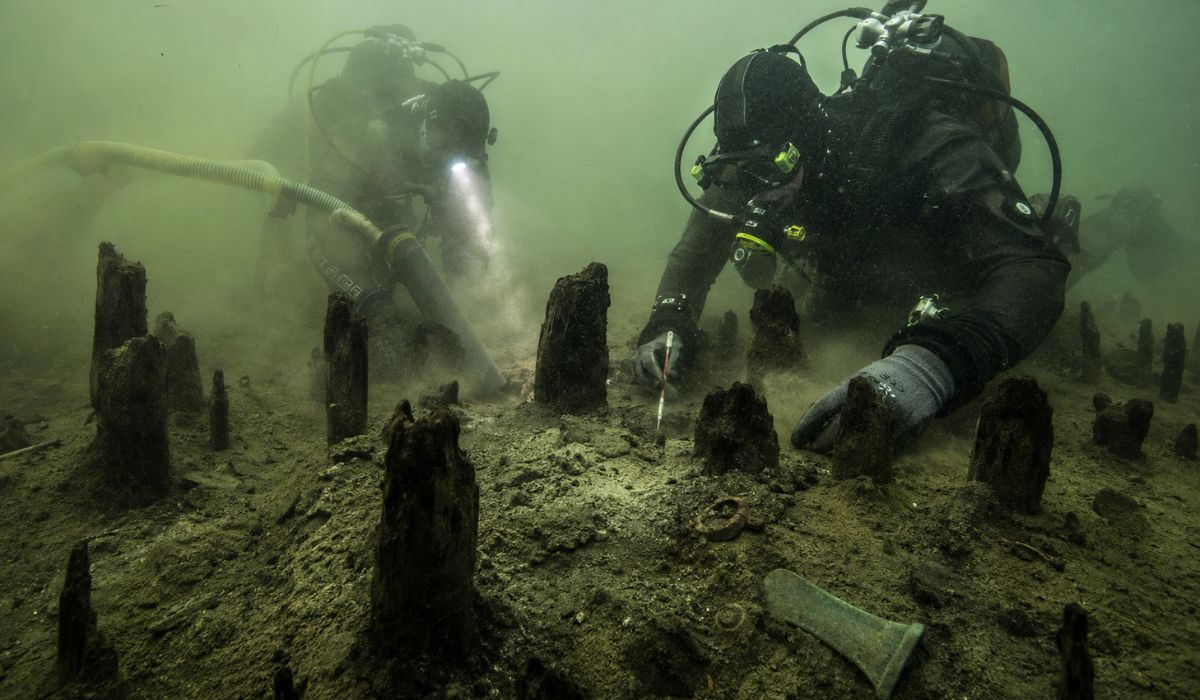
An entire village lay asleep at the bottom of a lake for 3,000 years: divers suction sediments in Italy and reveal more than 600 wooden stakes, bronze tools, and traces of a Bronze Age settlement hidden underwater.
-
They call it the “Shopee house” and even cardboard, but the R$ 20,000 house is a certified Wood Frame from Alea, financed by Minha Casa Minha Vida: understand if it’s worth more than masonry.




The larvae move vigorously when the cheese is served. Some locals prefer to place it in a centrifuge to mix the contents. Others consume it directly, including the larvae. The flavor of the most dangerous cheese in the world is described as strong and persistent, potentially lingering in the mouth for hours.
Commercial Sale Of The Cheese Is Prohibited In Italy
Despite its long tradition, casu marzu is considered a cheese prohibited by Italian health authorities. Since 1962, the government has banned the commercialization of foods that contain live parasites. Anyone caught selling the product can be fined up to € 50,000, equivalent to approximately R$ 330,000.
Still, the most dangerous cheese in the world continues to be produced and consumed locally. Residents argue that the product is part of the island’s food heritage. Casu marzu is recorded as a traditional product of Sardinia, ensuring some cultural protection within the territory.
Tradition Is Linked To The Natural Cycle Of Sardinian Summer
The production of casu marzu usually occurs between late June and early September. During this period, the sheep enter a reproductive phase, and the change in milk composition, combined with the hot, dry climate, promotes the development of the cheese.
The presence of the hot wind known as sirocco also influences the process. When this phenomenon occurs during production, it helps weaken the structure of the pecorino and facilitates the action of the larvae. After about three months, the cheese is ready for consumption.
Presence Of The Most Dangerous Cheese In The World Is Limited, But With Local Variations
Although it is traditional to Sardinia, other regions of Italy produce cheeses with similar characteristics. At least ten areas of the country have their own versions of cheeses with larvae, but only in Sardinia does casu marzu form part of the food identity of the population.
Depending on the sub-region, the cheese may have different names: casu becciu, casu fattittu, hasu muhidu, formaggio marcio, among others. In each locality, the recipe may vary according to the type of milk used and the environmental conditions.
Food Safety Continues To Be A Topic Of Debate
The consumption of the most dangerous cheese in the world is still a subject of study among health and gastronomy professionals. The main concern is that some larvae may survive the human stomach environment, which would raise risks for the digestive system.
So far, however, there have been no reported clinical cases related to the consumption of casu marzu. The ingestion is made by personal choice, and the product is usually consumed in family contexts or by visitors willing to try local food practices.
Cheese Is A Symbol Of An Ancestral Food Culture
The presence of casu marzu in the everyday life of Sardinia is linked to traditional values of food repurposing. It harkens back to a time when nothing was discarded and when the line between what was considered appropriate or not for consumption was more flexible.
Paolo Solinas, a gastronomist from the island, states that for many local shepherds, the cheese is seen as a unique experience. “Some consider it a personal pleasure, something that few can experience,” he says. According to him, while part of the local population avoids the product, others appreciate its strong flavor and consider the cheese an important part of Sardinian cultural heritage.




Be the first to react!