





 Portuguese
  English
  Spanish
  2 min of reading



Thinking About Generating An Ever-Lesser Impact On The Environment, BNDES Will Stop Financing Coal Plants
Energy sources that depend on coal will no longer have an important partner for project development in the country. The National Bank for Economic and Social Development, BNDES, stated that it will stop financing energy sources that have a significant negative impact on the environment.
The announcement from BNDES comes amid the worst drought in 90 years. While hydropower plants are operating at reduced energy production capacity, coal thermal plants are being used to meet energy needs and prevent blackouts.
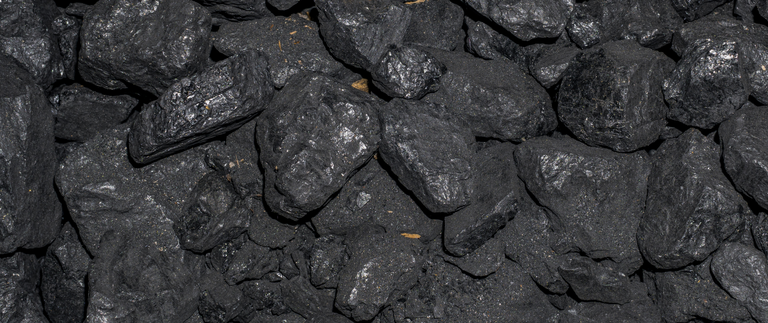
Currently, Brazil has a total of 22 thermal plants, but they represent only 2% of all energy generated in Brazil.
-
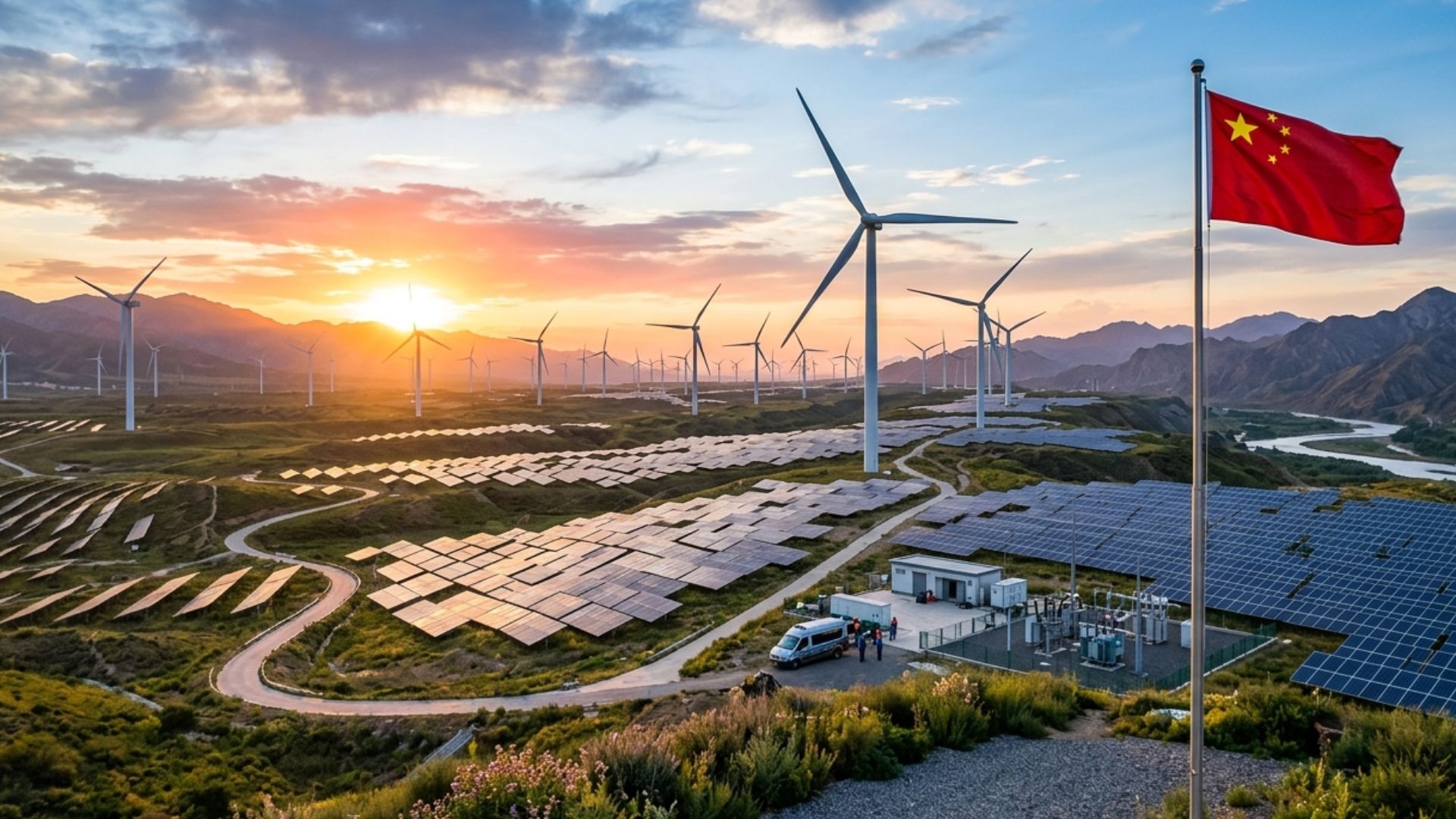
Renewable energy advances globally with Asia taking the lead; Irena’s analysis indicates a strategic progress that drives the energy transition and reduces generation costs.
-
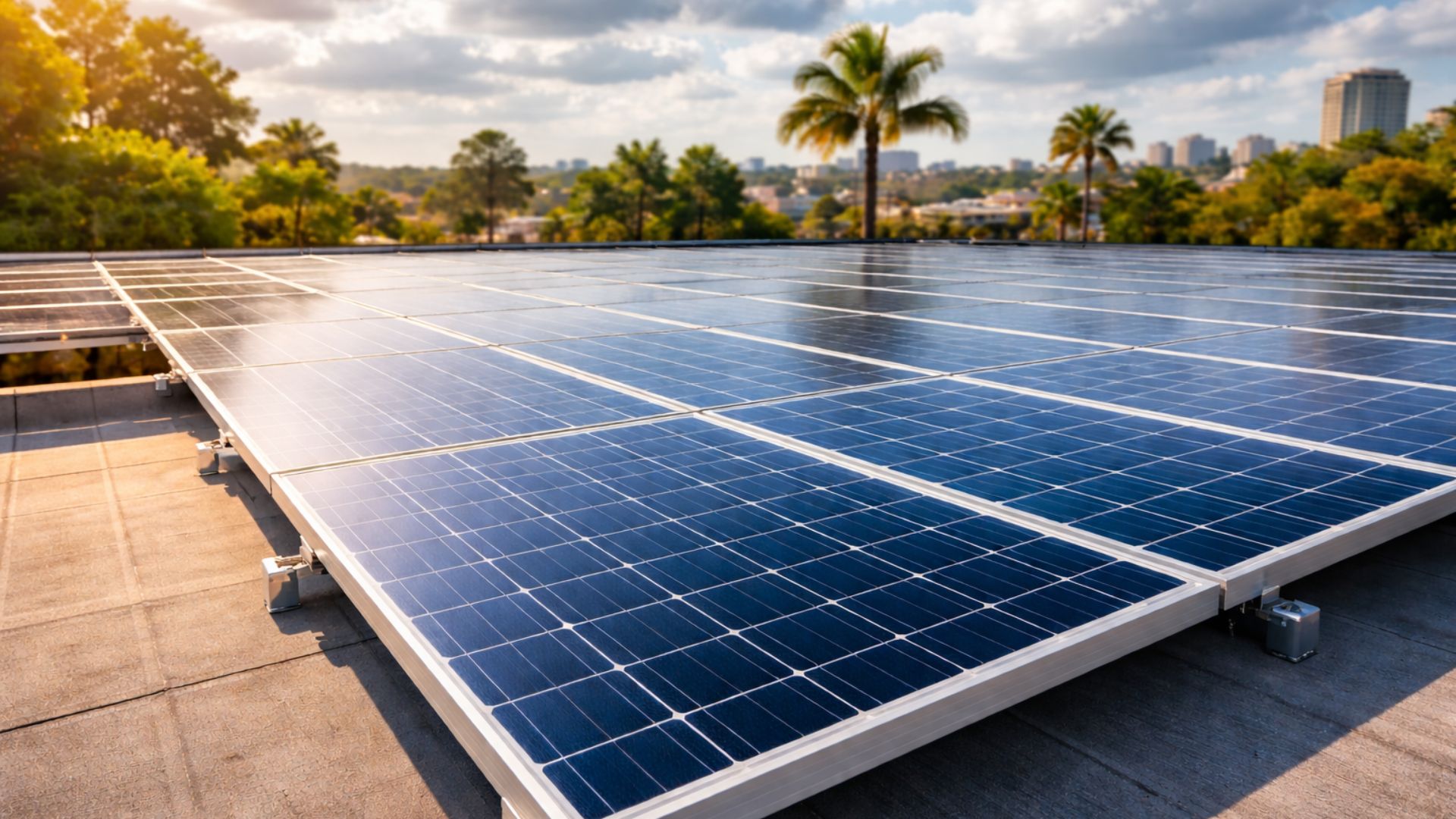
Globo broadcaster achieves 100% renewable energy and advances climate goal, strengthening environmental commitment, reducing emissions, and influencing large companies to adopt more sustainable and competitive strategies.
-
New mapping reveals the Brazilian states with the greatest potential for the production and use of green hydrogen in Brazil to lead the global market.

-
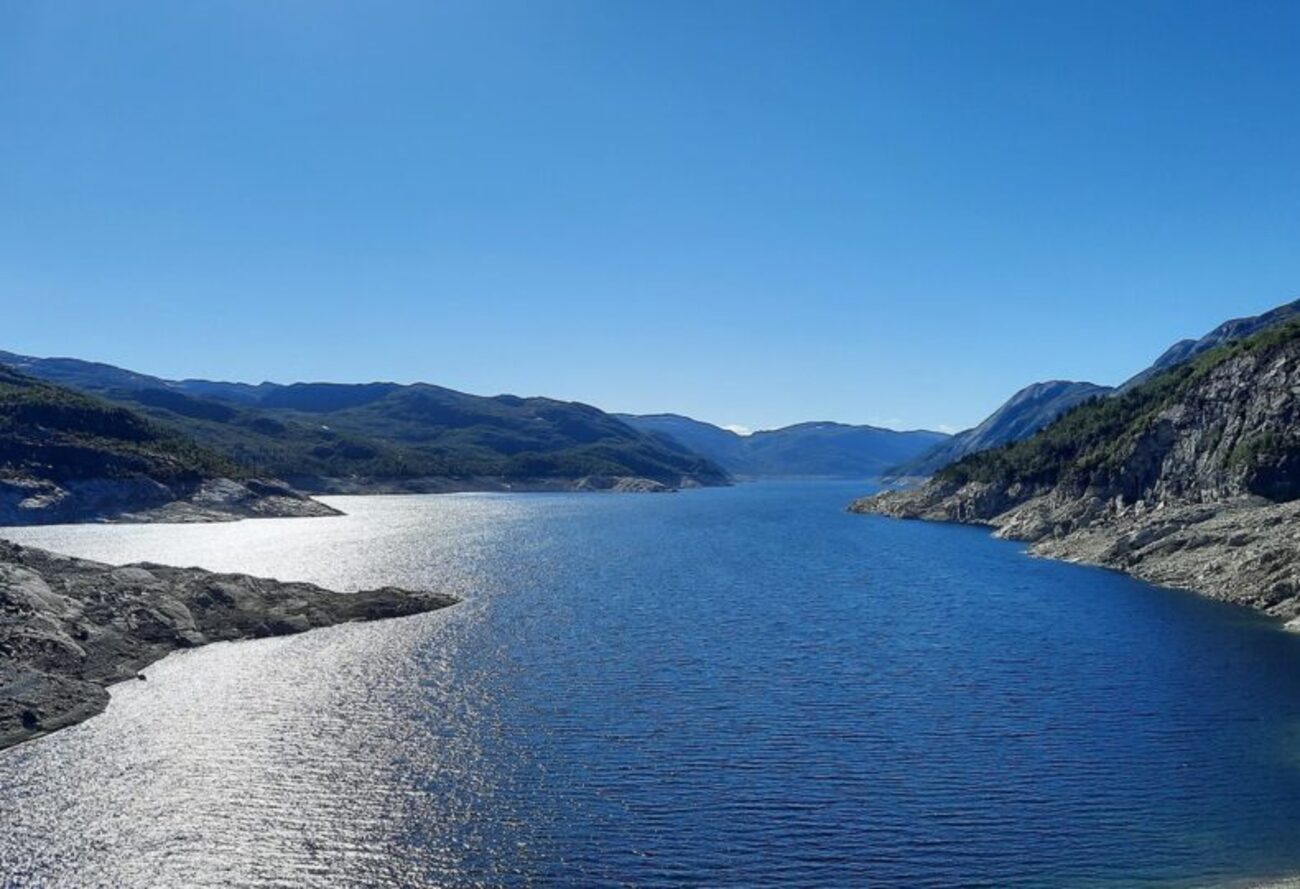
Historical drought and lack of snow in the Norwegian Alps threaten the largest clean energy reserve in Europe and could drive up electricity prices.
In contact with CNN, sector experts highlight that BNDES’s new policy is only for future plants. Given that they take between 4 and 6 years to be completed, the effects of the new policy will only be seen in the long term.
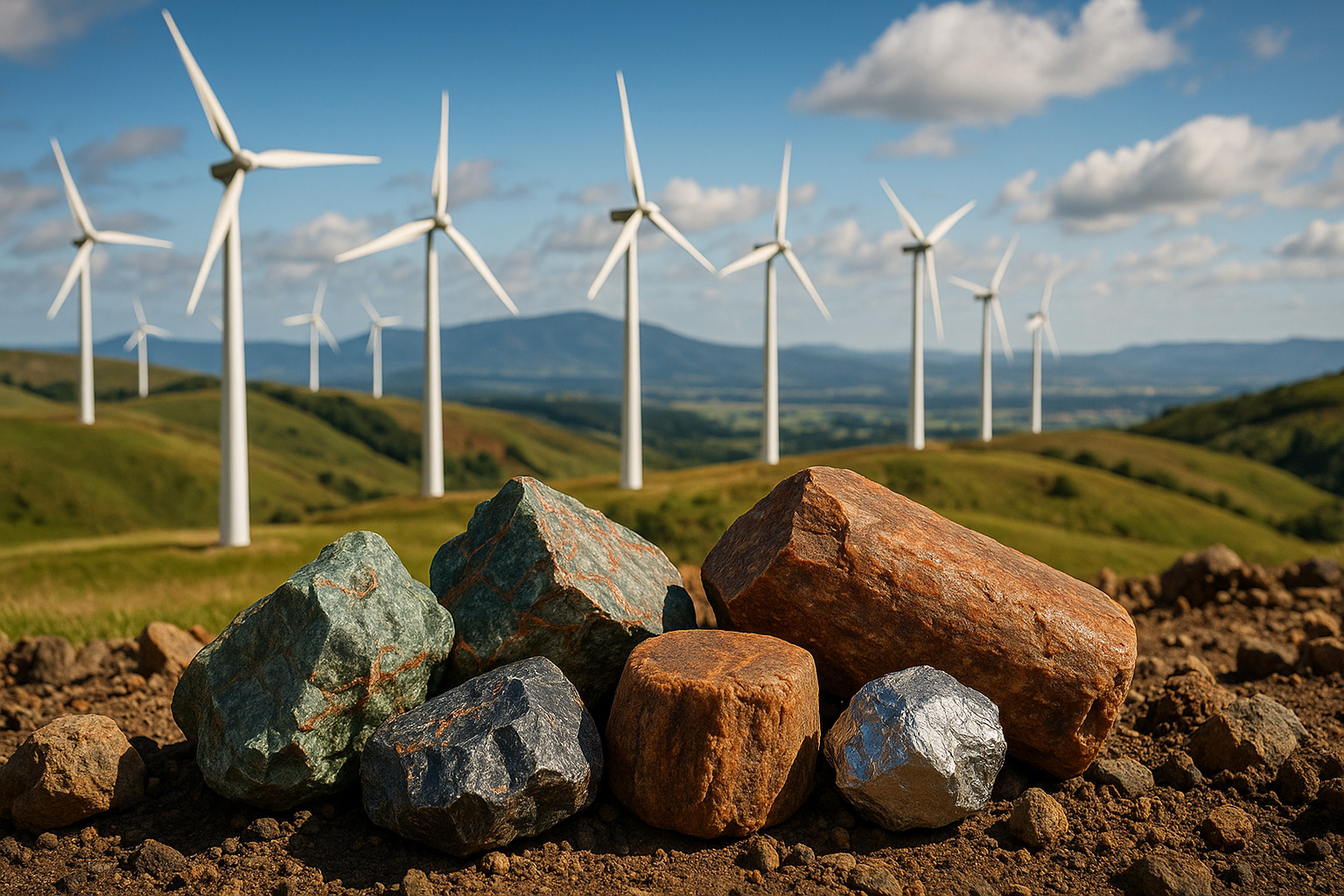
The BNDES has prioritized other energy sources that have much less impact on the environment. Wind energy, solar energy, and biomass are just a few examples of technologies that are friendlier to the nature.
Brazil is experiencing a severe energy crisis due to the drought. With little rain and reservoirs at low water levels, less energy is generated, forcing the government to use coal plants to meet the demand. However, in addition to being more polluting, this alternative is much more expensive.









Seja o primeiro a reagir!