






 Portuguese
  Spanish


Actions of the Trump Administration, Such as Tariff Increases, Drive Decline in American Popularity While China’s Image Significantly Improves in the Country.
A new survey reveals a turnaround in Brazilian opinions: the view of the U.S. has become predominantly negative for the first time in two years. The Quaest study indicates that 48% of respondents now have an unfavorable view of the country, double the rate recorded at the beginning of 2024. In contrast, positive perception of China has grown.
Sharp Decline in Image of the U.S. and Rise of China
The shift in perception about the U.S. comes after President Donald Trump increased tariffs on Brazilian exports and tightened visa regulations. These measures have impacted a country accustomed to close economic ties with Washington.
According to the Quaest survey, unfavorable views of the U.S. jumped from 24% to 48%. Meanwhile, positive opinions fell to 44%. China took the opposite path. The positive assessment of the Asian country rose from 38% to 49%, while negative views remained at 37%.
-
Major Appliance Manufacturer Closes Factory in Argentina, Shifts Production to Brazil, and Restructures in Latin America with Mexico Closure, Investing Up to $165 Million

-
China to Revive $3.6 Billion Mega-Dam Project in Myanmar, Stalled Since 2011, Promising 6 GW Capacity and Completion in Eight Years

-
Foreign Company Wins Auction for Brazil’s First Immersed Tunnel, a $1.3 Billion Project with $14 Million Contract Under Federal Investigation

-
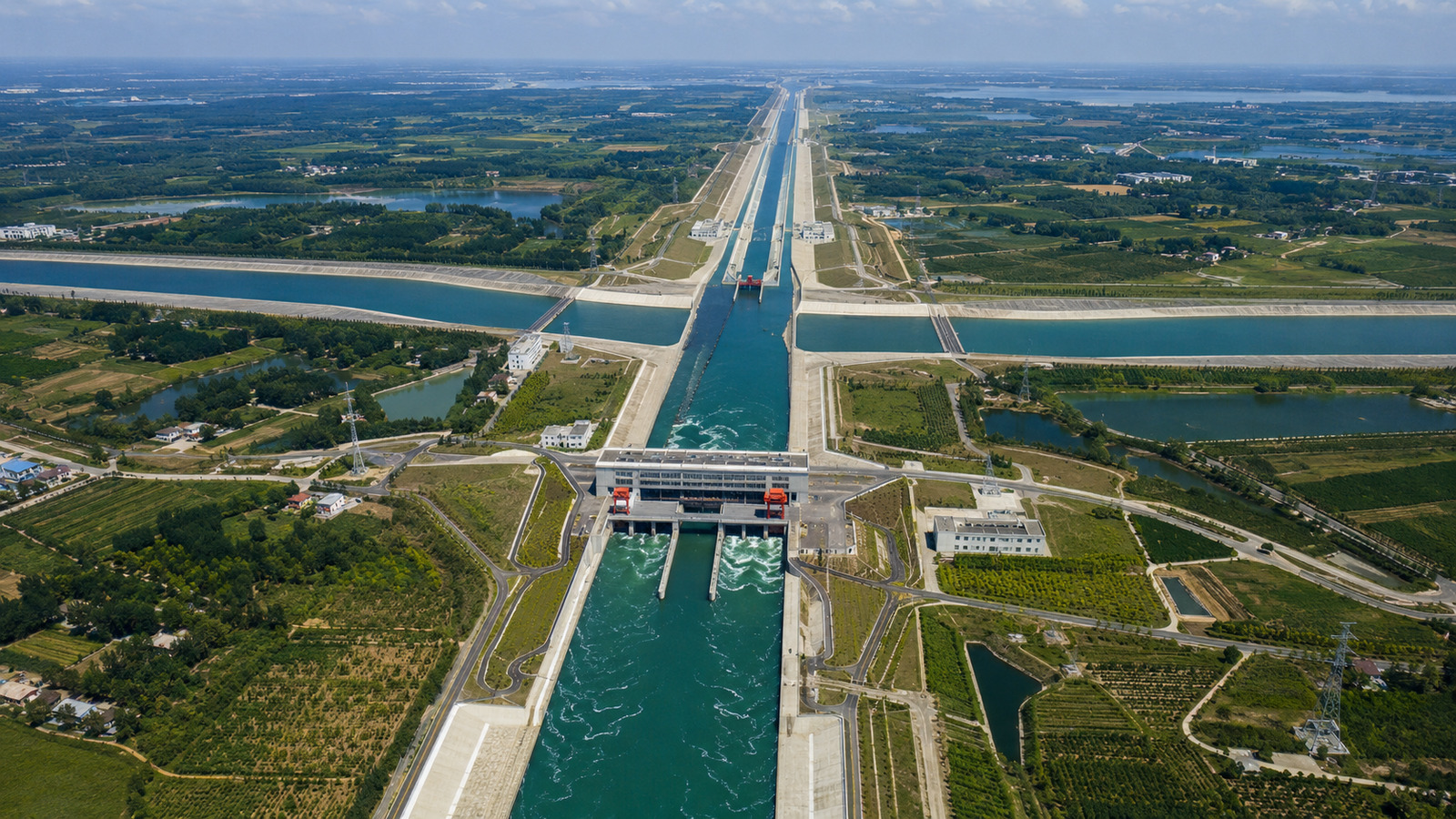
China’s Century Megaproject Wows the World: Massive Water Transfer Network Moves Water from Wet South to Arid North, with Ambitious Plans in the Tibetan Plateau Involving Giant Tunnels at Altitudes up to 4,000 Meters



Clear Ideological Divide in Opinion on the U.S. and China
The findings highlight a deep polarization in Brazilian politics. “It is interesting to note that there is a clear division of opinion about the countries based on the ideological divide among Brazilians,” said Felipe Nunes, director of Quaest.
Voters further to the left maintain a positive image of China. Meanwhile, right-wing voters are the biggest supporters of the U.S. Among supporters of President Luiz Inácio Lula da Silva, nearly 7 out of 10 expressed negative opinions about the U.S. On the other hand, 60% of them view China positively.
Supporters of former President Jair Bolsonaro, who aligned with Trump, continue to support Washington. In this group, 72% have a favorable view of the U.S., while 58% expressed an unfavorable opinion of China.
Brazil Reaffirms Sovereignty in Response to the U.S.
President Lula echoed the frustrations captured in the survey. During a cabinet meeting, he warned that Brazil “will not accept being treated as subordinate”. The president emphasized that the country is sovereign.
Local media interpreted the meeting as a preparation for Lula’s speech at the UN General Assembly. He is expected to critique the trade war of the U.S. The president also linked his comments to Trump’s decision to impose heavy tariffs on Brazilian exports.
Latin America Reassesses Relations
The reversal of sentiment is not exclusive to Brazil. A survey by the Pew Research Center showed that favorable views of China are growing in Mexico, Brazil, and Argentina. Nevertheless, the U.S. remains the most important economic ally.
In the study, 56% of Mexicans and 51% of Brazilians expressed a positive view of China. The study also found that more people in Brazil and Argentina identify China as the leading economic power in the world.







Vão mentir assim lá na China que os pariu.