





 Portuguese
  English
  Spanish
  4 min of reading
  0 comments


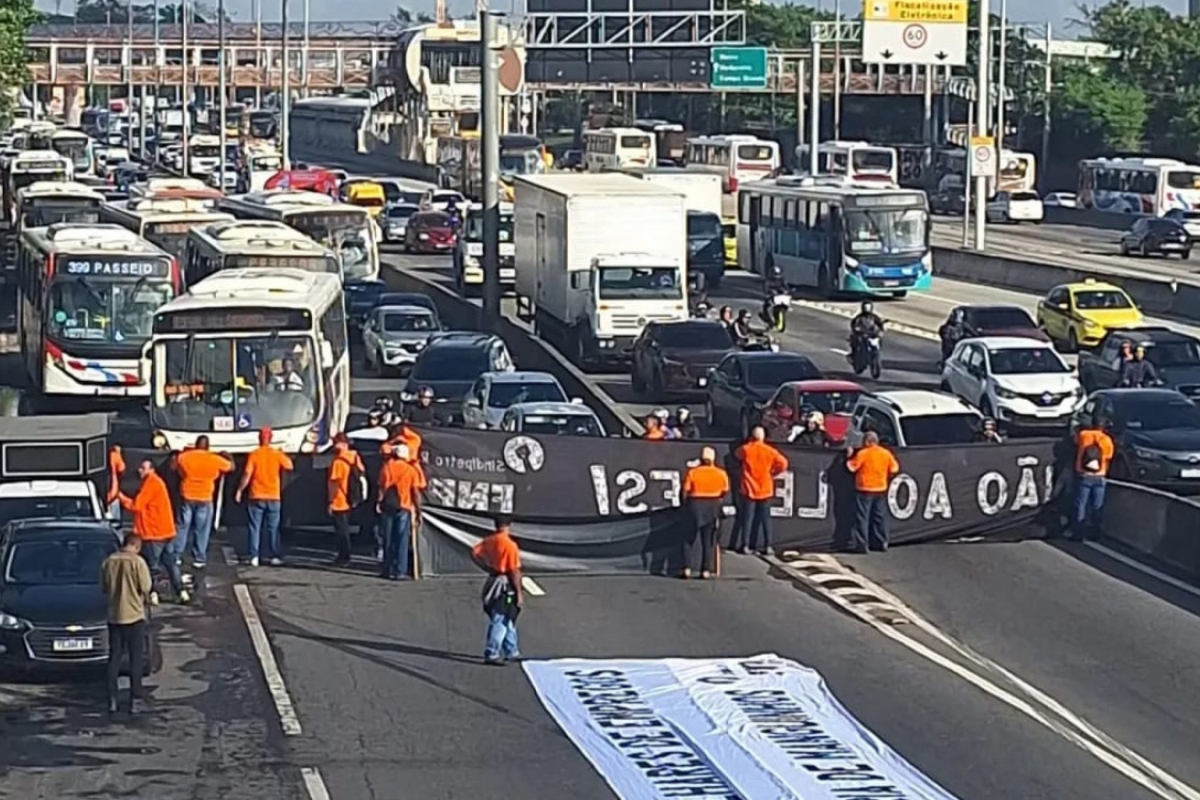
The Dismissal of One Hundred Fuel Workers Sparked Protests on Avenida Brasil and Exposed a Growing Crisis in Rio. The Case Pressures Authorities for Responses and Increases Fear Among Affected Families
The dismissal of around one hundred workers from Refit, formerly the Manguinhos Refinery, transformed an internal crisis into a problem that spilled onto the streets of Rio de Janeiro. Earlier this week, former employees blocked the side lane of Avenida Brasil in protest, disrupting traffic on one of the city’s main thoroughfares.
The episode gained traction on social media and reignited the debate about the operational conditions of the fuel industry in the state.
The Beginning of the Crisis and the Irregularities Found
The case began when the National Agency of Petroleum, Natural Gas and Biofuels and the Federal Revenue Service conducted a joint operation at the company’s facility. The operation uncovered irregularities that led to the closure of entire sections of the refinery.
-
A bill could eliminate councilors in small towns in Brazil and replace fixed salaries with session allowances in municipalities with up to 30,000 inhabitants.

-
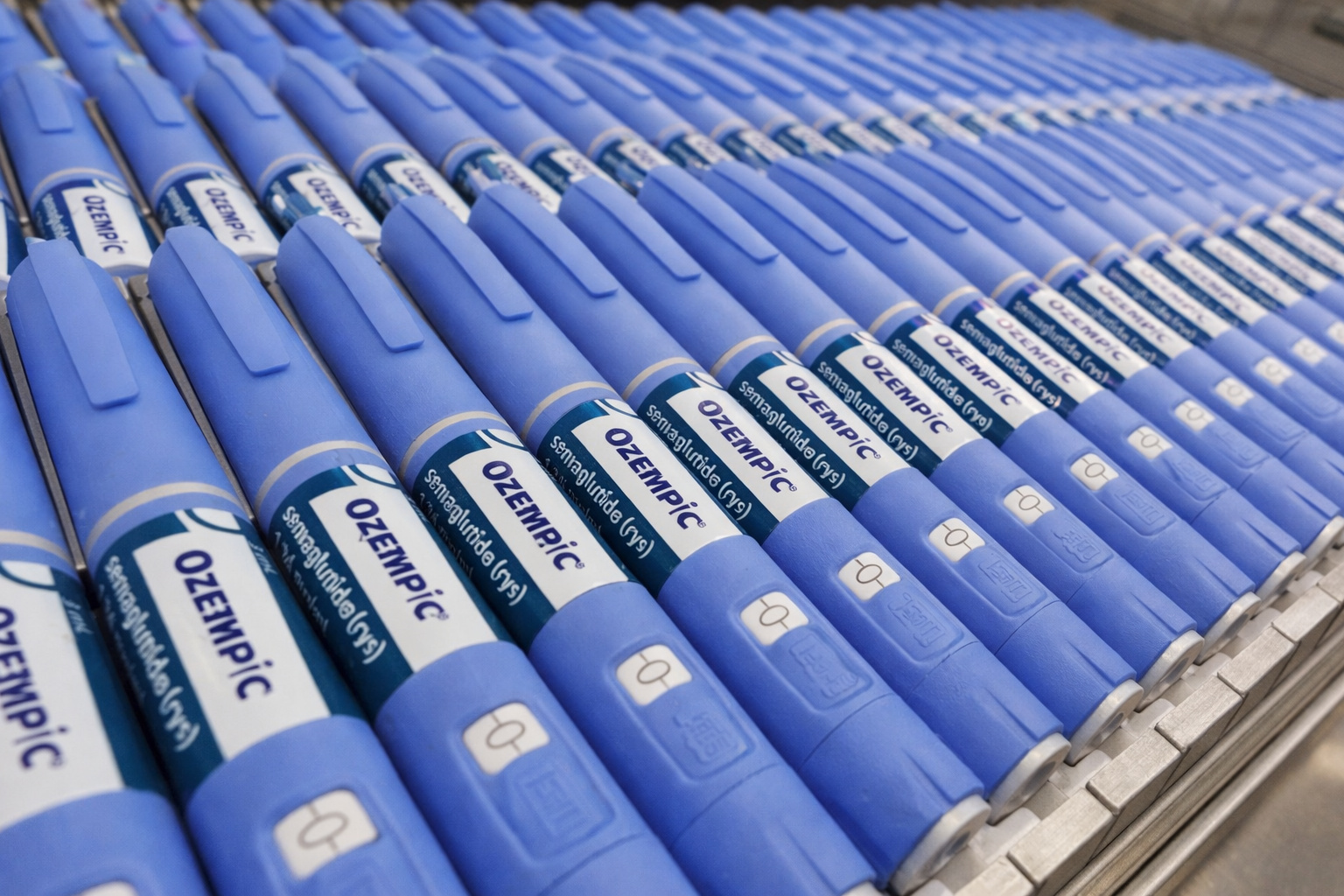
As the use of slimming pens grows in Brazil, a silent question arises among taxpayers in the 2026 income tax: why can’t these expenses be deducted and what specific detail could completely transform this rule into an isolated case?
-
He missed work to take care of his sick child, was fired for just cause, and ended up turning the tables in court with a decision that surprises companies.

-
STJ confirms that child support must be proportional to the father’s actual income and not to the mother’s standard of living — the decision reinforces balance in family obligations and prevents abuses in requests for increases.

Days later, the mass dismissal was announced. Refit confirmed the layoff of approximately one hundred employees, justifying operational cuts due to the restrictions imposed by regulatory agencies.
However, for the Petroleum Workers Union of Rio de Janeiro, the impact goes beyond the recorded layoffs. According to the union, the sudden loss of these jobs affects thousands of people when considering the entire family chain involved, from breadwinners to outsourced workers who depend on the dynamics generated by the refinery.
The union also reported that it informed the Public Labor Ministry about the dismissal process and requested a detailed investigation into the conditions that led to the layoffs.

The Halt on Avenida Brasil and the Pressure for Answers
The protest that halted Avenida Brasil symbolized the workers’ dissatisfaction with the lack of dialogue and the speed of the dismissal process. The road, which sees about 250,000 vehicles per day, experienced delays for hours and became a stage for banners, posters, and criticisms from former employees demanding transparency, negotiation, and intervention from authorities.
The situation reignited an old debate. The former Manguinhos Refinery has always occupied a sensitive position in Rio’s fuel sector. Although it is not a large facility compared to Petrobras refineries, its regional impact is significant in the production, distribution, and supply of fuel in the metropolitan area.
When operations are interrupted, industry professionals claim that there are direct repercussions on prices charged by smaller distributors and the logistical pace of cargo transport.
For the dismissed workers, the immediate problem is the lack of prospects. Many reported that there was no preparation for the mass dismissal nor any alternative presented for relocation to other units in the sector. The lack of predictability during a still unstable economic moment amplifies the feeling of insecurity among the affected families.
A Strategic Sector Under Pressure and the Next Steps in the Case
The refinery has been undergoing frequent inspections for years and faces questions about safety standards, environmental controls, and tax compliance. The joint operation of the ANP and the Federal Revenue Service reinforced this history and triggered new debates about how companies in the chemical and petrochemical sector are handling regulatory demands in Brazil.
For specialists, facilities operating with tight margins and outdated structures tend to suffer more from shutdowns, as each adjustment requires significant investments.
The Public Labor Ministry is expected to evaluate the documentation sent by the union in the coming weeks. Depending on the conclusions drawn, the company may be called to conciliation hearings, revisions of the dismissal process, or even inquiries regarding the extent of the irregularities that prompted the initial action.
On the political front, the case may generate additional pressure on state and municipal governments, as Refit is located in a densely populated area historically marked by debates over employment, development, and environmental impact.
The mobilization of workers points to a greater concern: the combination of regulatory instability, sudden cuts, and lack of communication can lead to deep ruptures in strategic sectors.
For those who earn their living working at the refinery, the fear now is that the protest on Avenida Brasil is just the first chapter of a longer crisis, involving operational security, social commitment, and decisions that could alter the future of the facility and the surrounding community.
In the end, the episode reveals an uncomfortable truth. When industrial structures of this size experience administrative collapse, the impact is not limited to the factory floor. It spreads throughout the city, across the roadways, into families, and instills the sense that, in the face of so many uncertainties, the worker is always the first to feel the effects of a crisis that did not start with them.










-

Uma pessoa reagiu a isso.