Portuguese
  Spanish


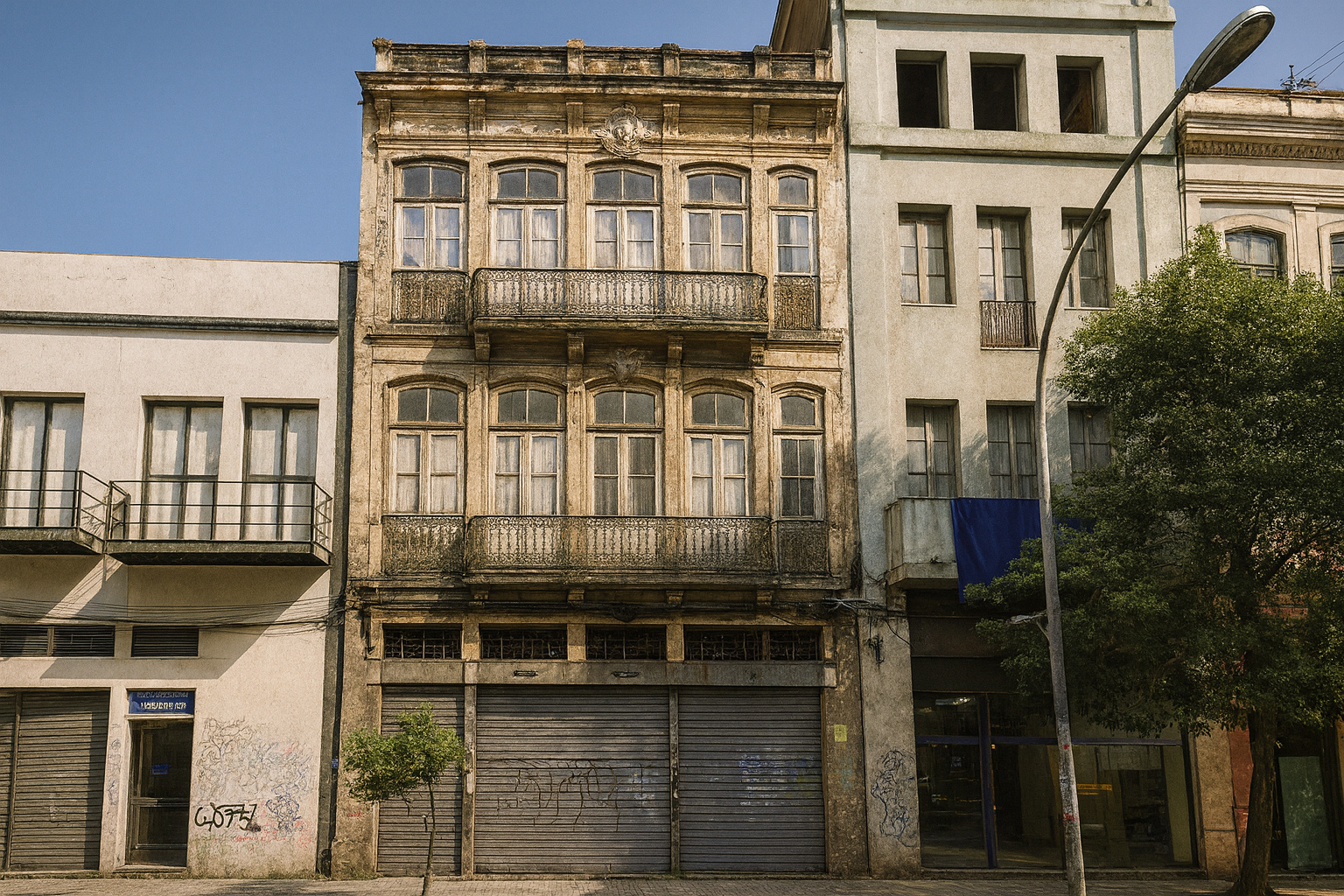


Public Call Published on September 12, 2025, in the Official Gazette Opens Space for Entities to Act in Culture, Equity, and Inclusion in Diverse Regions of the State.
The Government of the State of Rio de Janeiro confirmed, on September 12, 2025, the opening of the first public call for the free transfer of historical properties. Six strategic addresses will be used by entities from the third sector, in projects related to culture, equity, and social inclusion. The transfer will last for up to ten years. Organizations will be able to renovate and adapt the spaces according to their activities.
The measure aims to prevent the abandonment of symbolic addresses. At the same time, it intends to expand opportunities for communities in vulnerable situations. Properties that were previously closed or without a defined purpose will gain a new destination. The impact will be direct on the daily lives of different neighborhoods in the capital and also in Niterói.
Historical Properties Destined for Community Use
Among the addresses, the highlight is the house number 43 on Rua da Carioca, protected by the State Institute of Cultural Heritage (Inepac). The list also includes properties on Rua 24 de Maio, 983, in Sampaio, on Rua Gregório Neves, in Engenho Novo, on Rua São Luiz Gonzaga, 107, in São Cristóvão, on Avenida Dom Hélder Câmara, 6,860, in Pilares, and on Avenida Meriti, 486, in Vila da Penha. Outside the capital, the program includes a building on Rua Visconde de Moraes, 249, in Ingá, Niterói.
-
Orphaned Youth Turns Dismissed Idea into Global Prestige with Innovative Wristwatch

-
English Skills Boost Career Opportunities in the Oil and Gas Industry

-
Brazil Secures Second Place at WorldSkills 2024 in Lyon, with 64 Young Professionals and 8 Medals, Including Gold from a Rio de Janeiro Hairdresser

-
3,000 Military Personnel from 10 Countries, Including US and Chinese Marines, Train Together in Brazil’s Savanna: Operation Formosa Becomes Largest Naval Ground Exercise Before First Cancellation Since 1988



According to the Government of the State and the Official Press of the State of Rio de Janeiro (IOERJ), the free transfer represents a cultural gain. At the same time, it ensures that protected heritage and idle properties have a social function, preservation, and community use.
Criteria and Priorities Defined by the Notice
The public call, officially published in the Official Gazette on September 12, 2025, establishes criteria for participation. Entities must primarily operate in areas related to culture, equity, and promotion of opportunities. The aim is to transform the spaces into centers for social, educational, and cultural activities.
In addition, the transfer will last for up to ten years. Organizations will be able to make structural renovations and adaptations according to their project needs. For the government, the measure reinforces the importance of continuous and responsible occupancy of the properties. The expected impact is a direct benefit to the surrounding communities.
Expected Impacts on Fluminense Communities
The public policy promises to transform unused addresses into hubs of coexistence and citizenship. With the new contracts, the expectation is that cultural, social, and educational projects will occupy the spaces. This will ensure greater circulation of people and revitalization of urban areas.
Public administration and heritage management experts state that the initiative may represent a step forward in the model of integration between the State and the third sector. The program expands the network of cultural and social services without direct costs to the state administration. Furthermore, by allowing entities to make adaptations, the government encourages sustainability and reduces the risks of abandonment.
Timeline of the Program
The transfer process follows official steps and already has a defined timeline:
- 09/12/2025: publication of the public call in the Official Gazette.
- September to December 2025: analysis of the proposals submitted by the entities.
- First Half of 2026: signing of the transfer agreements and beginning of renovations.
- Until 2035: maximum duration of the free use period.
This timeline ensures predictability for interested organizations. At the same time, it reinforces the transparency of the process in compliance with public heritage usage regulations.
Governance, Preservation, and Future Impact
Although the transfer of properties represents a step forward, the government emphasizes the need for continuous oversight. Strict compliance with contracts will be essential to ensure results. Thus, in addition to preserving protected assets, the measure guarantees that social projects have a real impact on communities.
According to the State Institute of Cultural Heritage (Inepac), the use of the house on Rua da Carioca symbolizes the union between historical preservation and social function. The space can become a cultural landmark in the heart of downtown Rio.
What to Expect from This Initiative in the Future?
The transfer of public properties to the third sector reflects a trend of greater proximity between the State and civil society. However, effectiveness will depend on the entities’ capacity to present solid and sustainable projects.
If successful, the measure could serve as a model for other regions of the country. Furthermore, it enhances the preservation of heritage and strengthens public policies aimed at culture and social inclusion.