





 Portuguese
  English
  Spanish
  5 min of reading
  0 comments


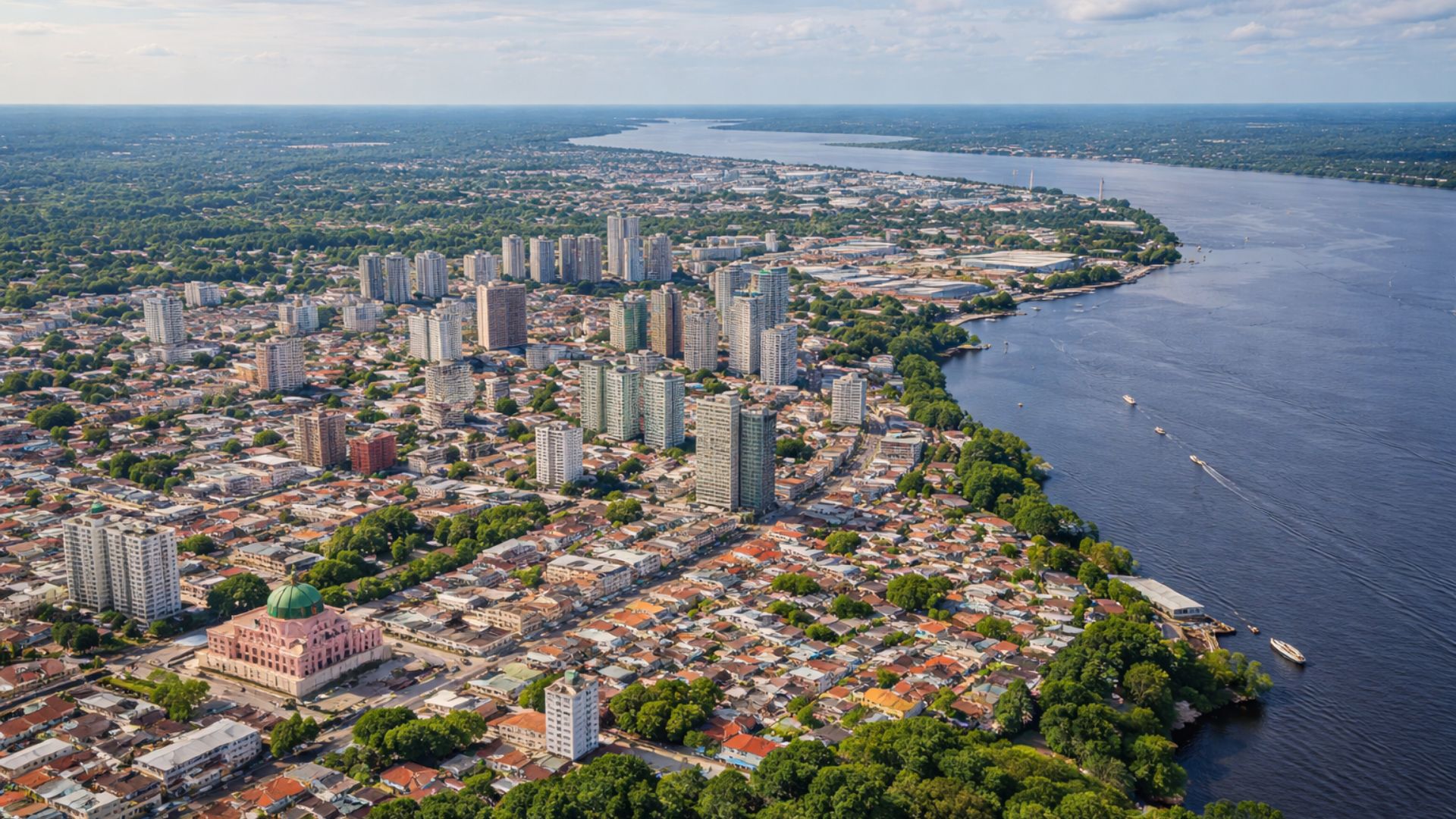
Amazon metropolis brings geographical isolation, billion-dollar industrial strength, and strategic role in the North region, with sustained growth from rivers, industry, and air connections, while maintaining strong cultural identity and integration between intense urbanization and preserved biodiversity.
Located in the heart of the Amazon, Manaus combines rare characteristics in Brazilian territory, merging 2,063,689 inhabitants and 7th place among the most populous cities in the country with a marked dependence on air and water transportation.
At the same time, even without a paved and continuous road connection to the central-south, the Amazonian capital has consolidated one of Brazil’s largest industrial hubs and preserves historical marks from the rubber boom.
Geographical isolation and economic growth of Manaus
Situated in a region surrounded by dense forest, the city developed along the banks of the Rio Negro, where rivers have always served as the main circulation routes, while land connections have remained limited by historical logistical and environmental challenges.
-
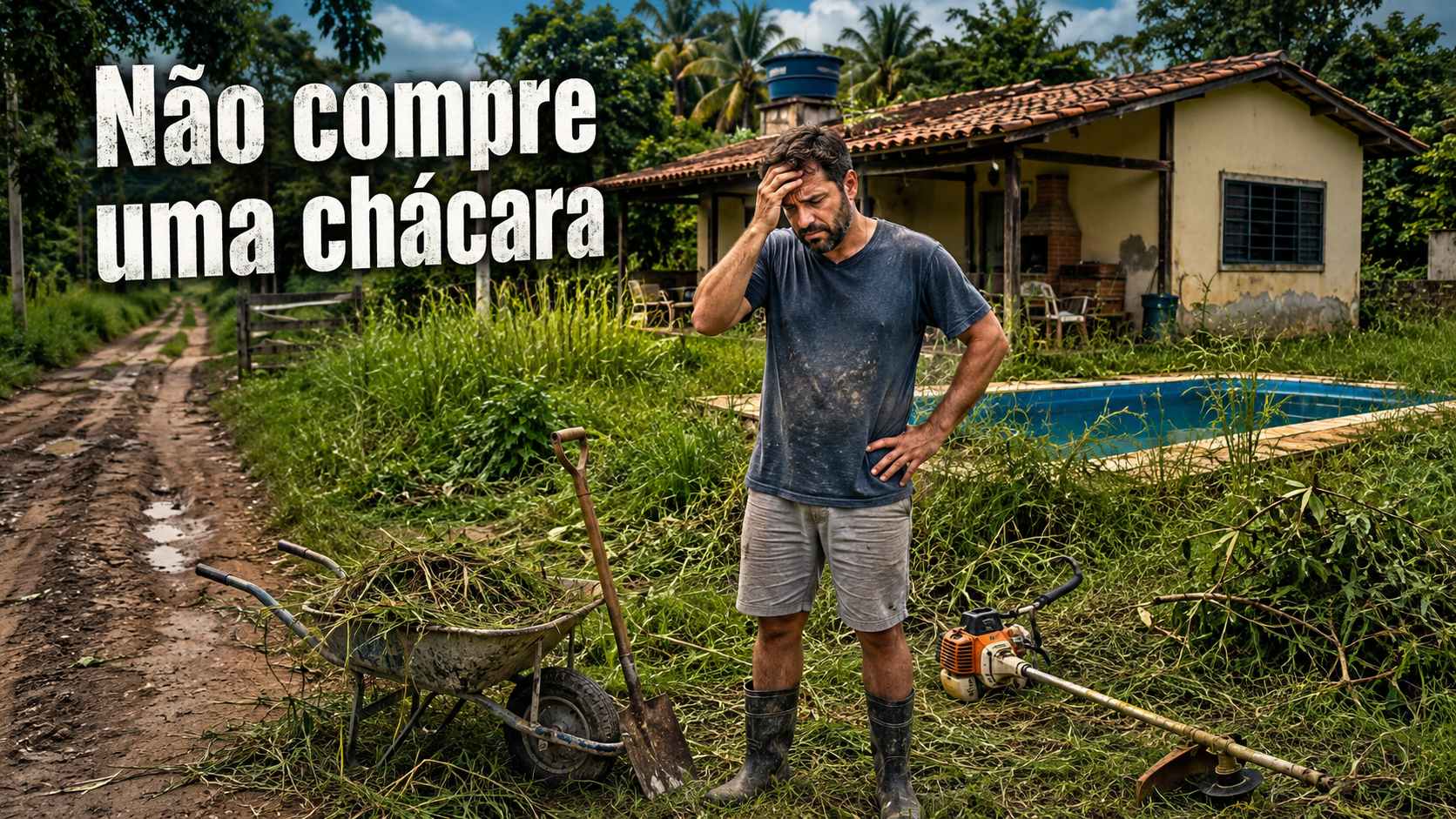
Can buying a small farm become a trap? When the dream of weekend relaxation turns into weeds, maintenance, bad roads, and endless expenses.

-
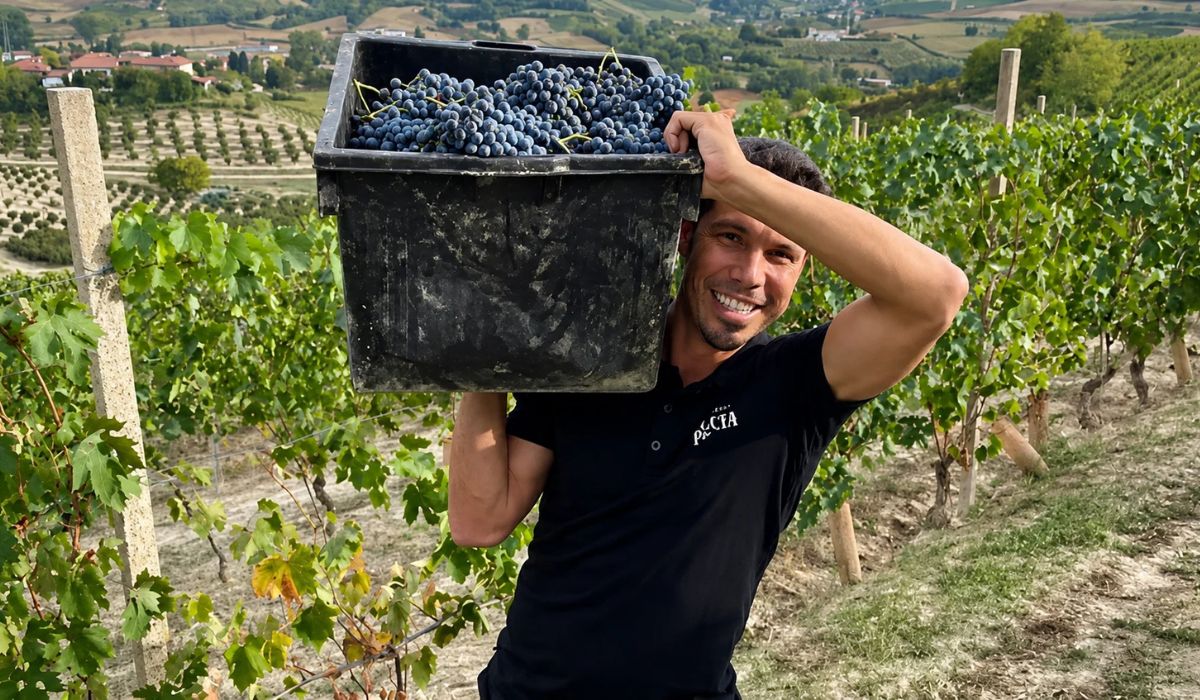
Far from football, São Paulo idol and former national team player becomes a wine producer in Italy, transforms the nickname “Prophet” into his own brand, and now runs a winery, restaurant, and hotel in Piedmont.

-
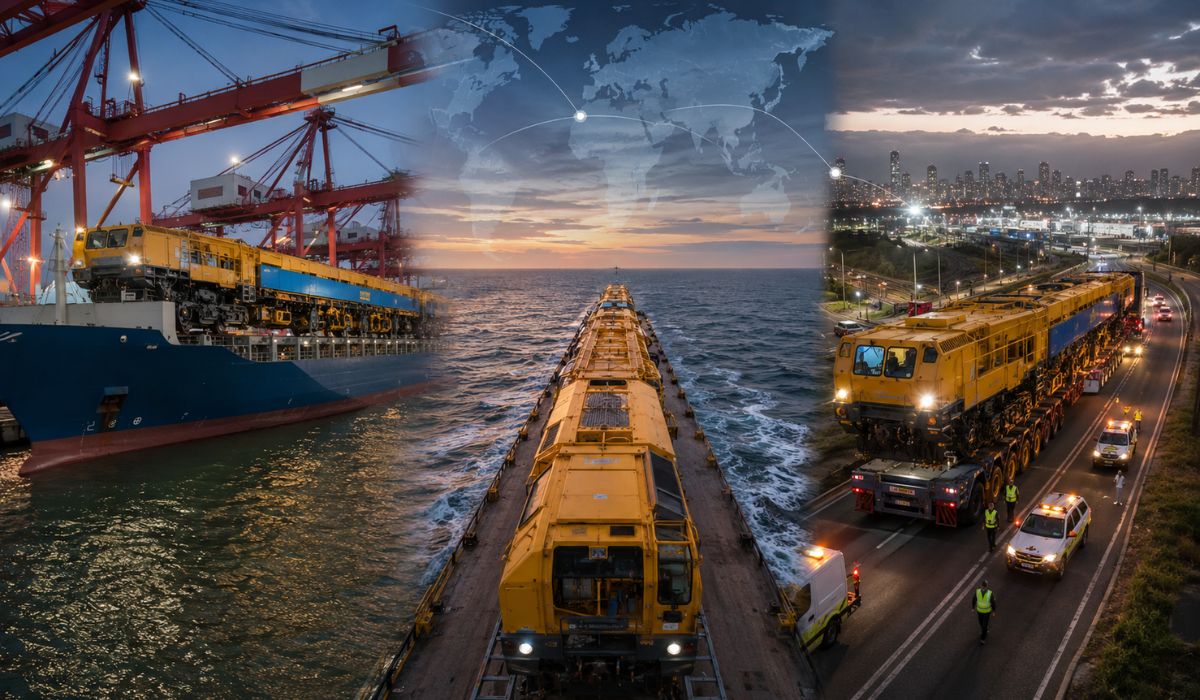
Train of up to 111 tons leaves China for Brazil, crosses almost 20,000 km in up to 70 days by ship, and arrives in São Paulo in such a tight operation that a truck even had to deflate its tires to pass under a viaduct.
-
A small town with 800 inhabitants in the interior of the United States is giving away free land, with water, electricity, and paved streets, and even offers a cash allowance for families with children, all to attract residents and escape the depopulation threatening rural villages.

Still, this relative isolation did not prevent urban expansion or economic consolidation, as different productive cycles have been responsible for driving growth and shaping the current structure of the Amazonian capital.
During the late 19th century, rubber exploration financed iconic constructions and consolidated the city’s sophisticated image, which became known as the “Paris of the Tropics” due to European influence in architecture and customs.
Decades later, the creation of the Manaus Free Trade Zone repositioned the local economy, transforming the municipality into a strategic industrial hub for the country, with a strong presence in the electronics and two-wheeler sectors.
Recent data highlights the scale of this economic activity, as the Manaus Industrial Hub generated R$ 227.67 billion in 2025, achieving one of the highest results in the historical series recorded by the Superintendency of the Free Trade Zone.
This performance reinforces the city’s role as a relevant production axis, maintaining its competitiveness even in the face of geographical limitations and the logistical costs associated with its location in the Amazon.
Relationship between city, rivers, and forest
In addition to economic growth, the urban dynamics of Manaus remain deeply connected to the natural environment that surrounds it, especially through the constant presence of rivers in the daily lives of the population.
Thus, waterways function not only as scenery but also as transport routes, leisure spaces, and structural elements of the city’s territorial organization.
In different neighborhoods and peripheral areas, this relationship manifests directly, whether in river mobility or in access to riverside communities and freshwater beaches that become meeting points on weekends.
At the same time, the local cultural identity maintains strong ties to indigenous and caboclo traditions, reflected in regional cuisine and the use of typical ingredients from the Amazonian biodiversity.
While preserving these characteristics, Manaus concentrates services, commerce, universities, and infrastructure compatible with a metropolis that leads the urban network of the Northern Region.
In recent years, this prominence has also been reflected in international agendas, as the city hosted official G20 meetings in 2024, focused on themes such as innovation, tourism, and sustainable development.
Population, universities, and scientific production
Based on the data from the 2022 Census, Manaus consolidates itself as the most populous city in the Northern Region, registering a population density of 181.01 inhabitants per square kilometer and concentrating a large part of the state’s population.
This scenario reinforces the role of the capital as an administrative, economic, and educational center, directly influencing regional development and the distribution of public and private services.
In the field of higher education, the city hosts prominent institutions that contribute to professional training and the production of knowledge aimed at the Amazonian reality.
Among them, the Federal University of Amazonas and the State University of Amazonas maintain courses and research directed towards biodiversity, biotechnology, and sustainable development.
As a result, the local academic environment strengthens the generation of scientific and technological knowledge, expanding the region’s capacity to deal with complex environmental and social challenges.
This set of factors demonstrates that Manaus is not limited to industrial activity, also acting as a hub of innovation and technical training in strategic areas for the future of the Amazon.
Tourist attractions and historical heritage of Manaus
In the field of tourism, the city presents a combination of historical heritage and nature-related experiences, offering visitors different ways to connect with its cultural and environmental identity.
Among the main symbols, the Teatro Amazonas, inaugurated on December 31, 1896, remains a reference of the golden age of rubber and European influence on local architecture.
Additionally, spaces like the Adolpho Lisboa Municipal Market, the Provincial Palace, and the Amazon Arena make up an urban circuit that dialogues with the history and modernization of the city.
Initiatives like the Museum of the Amazon allow for a direct approach to the forest, with the 42-meter tower being one of the most sought-after points for observing the tree canopy.
Another recurring highlight is the Meeting of the Waters, a natural phenomenon where the Negro and Solimões rivers run side by side without immediately mixing, forming one of the most well-known scenes in the region.
This diversity of attractions reinforces the tourist potential of Manaus, combining historical, cultural, and environmental elements into a unique experience in the Brazilian context.
How to get to Manaus and logistical challenges
Regarding access, Manaus International Airport remains the main gateway for passengers and cargo, playing a strategic role in integrating the city with the rest of the country and with international destinations.
Managed by the private sector since 2022, the terminal concentrates a large part of the logistical movement necessary to sustain the industrial activity and tourist flow of the capital.
On the other hand, the land connection still faces significant limitations, as BR-319, responsible for linking Manaus to Porto Velho, continues to be the subject of works, debates, and environmental restrictions.
In light of this scenario, full road integration with other Brazilian regions remains unstable, reinforcing the city’s historical dependence on air and river transport modes.
This set of factors supports the perception of Manaus as one of the most isolated major metropolises in the country, even though it is economically integrated and strategically relevant in the national context.



Be the first to react!