Portuguese
  Spanish


Brazil May Be On The Brink Of A Labor Crisis! With Accelerated Economic Growth, Experts Warn Of An Imminent Worker Shortage.
In recent years, Brazil has experienced remarkable economic growth, exceeding expectations and surprising analysts.
However, behind these promising numbers, experts warn of a challenge that could compromise the country’s future.
A crucial issue is emerging on the Brazilian economic horizon, demanding attention and effective strategies.
-
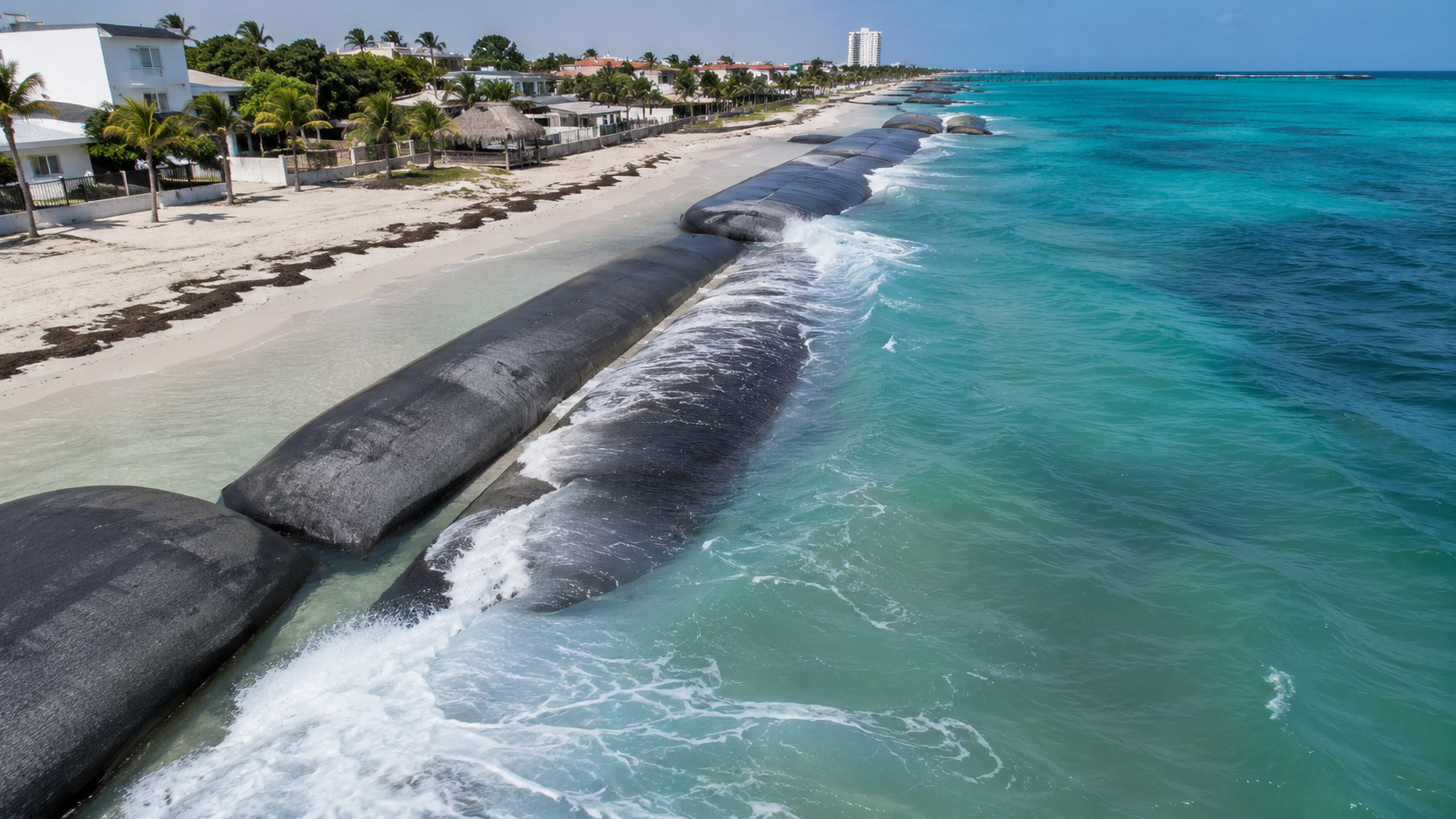
Mexico Sinks Giant Fabric Tubes Filled with Sand off Yucatán Coast to Create Invisible Barrier and Restore Hurricane-Damaged Beaches

-
Modern Liquid Porcelain Flooring Offers Seamless, High-Gloss Finish for Home Renovations Without Demolition
-
Brazilian Couple Builds Entire Cabin from Cement and Shade Cloth in Just 7 Days to Escape Renting, Using Affordable Farm Supplies Instead of Steel Mesh

-
Epoxy Paint Revolutionizes Bathroom Makeovers in a Weekend at a Fraction of Renovation Costs



Accelerated Economy May Face Labor Shortage
Economist Margarida Gutierrez, a professor at the Federal University of Rio de Janeiro (UFRJ), recently highlighted a significant concern:
“If the economy does not slow down, there will be a shortage of labor”. This statement was made during her participation in the Smart Summit 2025, an event organized by InvestSmart XP and AZ Quest in Rio de Janeiro, as reported by Investing.
Mismatch Between Labor Supply and Demand
According to Gutierrez, data from the latest Demographic Census and the National Household Sample Survey (Pnad), both from IBGE, indicate that the potential growth of labor supply is approximately 0.3% per year, which represents about 450,000 people entering the labor market annually.
In contrast, only in 2024, 2.8 million jobs were created, corresponding to a 2.8% increase in labor demand.
This discrepancy highlights a concerning mismatch between labor supply and demand in the country.
Employment Income Elasticity and Productivity
The economist explained the concept of employment income elasticity, which measures how employment levels respond to changes in income and economic growth.
In Brazil, this elasticity is high, reflecting the low productivity of the economy. Gutierrez emphasized that “increasing productivity takes time”, suggesting that solutions to this challenge cannot be achieved through short-term economic policies.
Projections for 2025 and Internal Factors for Slowdown
For 2025, Gutierrez projects a slowdown of the Brazilian economy, with growth estimated between 1.5% and 2%. She attributes this forecast to three internal factors:
- High Selic Rate
The expectation is that the Selic rate will reach 15% per year in 2025, with a real rate of approximately 10%. This would make credit more expensive, discouraging household spending and business investments.
- Increase in Inflation
Projections indicate that the IPCA will exceed the upper limit of the inflation target in 2025. While the center of the target is 3% and the limit is 4.5%, economists consulted by the Focus Bulletin predict that the IPCA will end 2025 at 5.58%, reducing the purchasing power of wage earners.
- Deteriorating Macroeconomic Conditions
This includes asset devaluation, a higher dollar, elevated future interest rates, and a decline in the Ibovespa.
Gutierrez points to the “fiscal risk” and classifies the mix of economic policy as “harmful”, due to the simultaneous increase in public spending and tax revenue, deteriorating market expectations about Brazilian assets.
External Impact: U.S. Trade Policy
In addition to internal factors, Gutierrez highlights that the return of Donald Trump to the presidency of the U.S. adds a deceleration factor for the Brazilian economy in 2025.
Trump’s trade policy created adverse conditions for the global economy, especially for emerging countries, raising uncertainties.
“A trade war is likely underway”, the economist stated, referring to the tariffs imposed by the U.S. government on imported goods.
Consequences for Emerging Countries
The “liquidity financing conditions for emerging countries have deteriorated”, Gutierrez assessed, pointing to a trend of lower inflow of external capital, both in capital markets and productive investments.
Additionally, there is an expectation of reduced international trade flow, with the risk of a global economic slowdown as a result of American tariffs.
Challenges and the Need for Long-Term Policies
In light of this scenario, Brazil faces the challenge of balancing economic growth with the availability of labor.
The solution involves investments in productivity and education, as well as economic policies that consider the long term.
Economist Margarida Gutierrez emphasizes that “increasing productivity takes time”, suggesting that immediate measures may not be effective in solving the problem.
Prospects for Brazil’s Economic Future
The projections for 2025 indicate an economic slowdown, influenced by internal and external factors.
The rise in the Selic rate, the increase in inflation, and the deteriorating macroeconomic conditions are challenges the country will need to face.
Furthermore, U.S. trade policy adds a layer of complexity to the Brazilian economic scenario.
For specialists, today, Brazil is at an economic crossroads, where accelerated growth could lead to a labor shortage, jeopardizing sustainable development.
In this sense, knowledgeable individuals assert it is imperative for the country to adopt long-term strategies focused on increasing productivity and balancing economic growth with the availability of human resources.