






 Portuguese
  Spanish


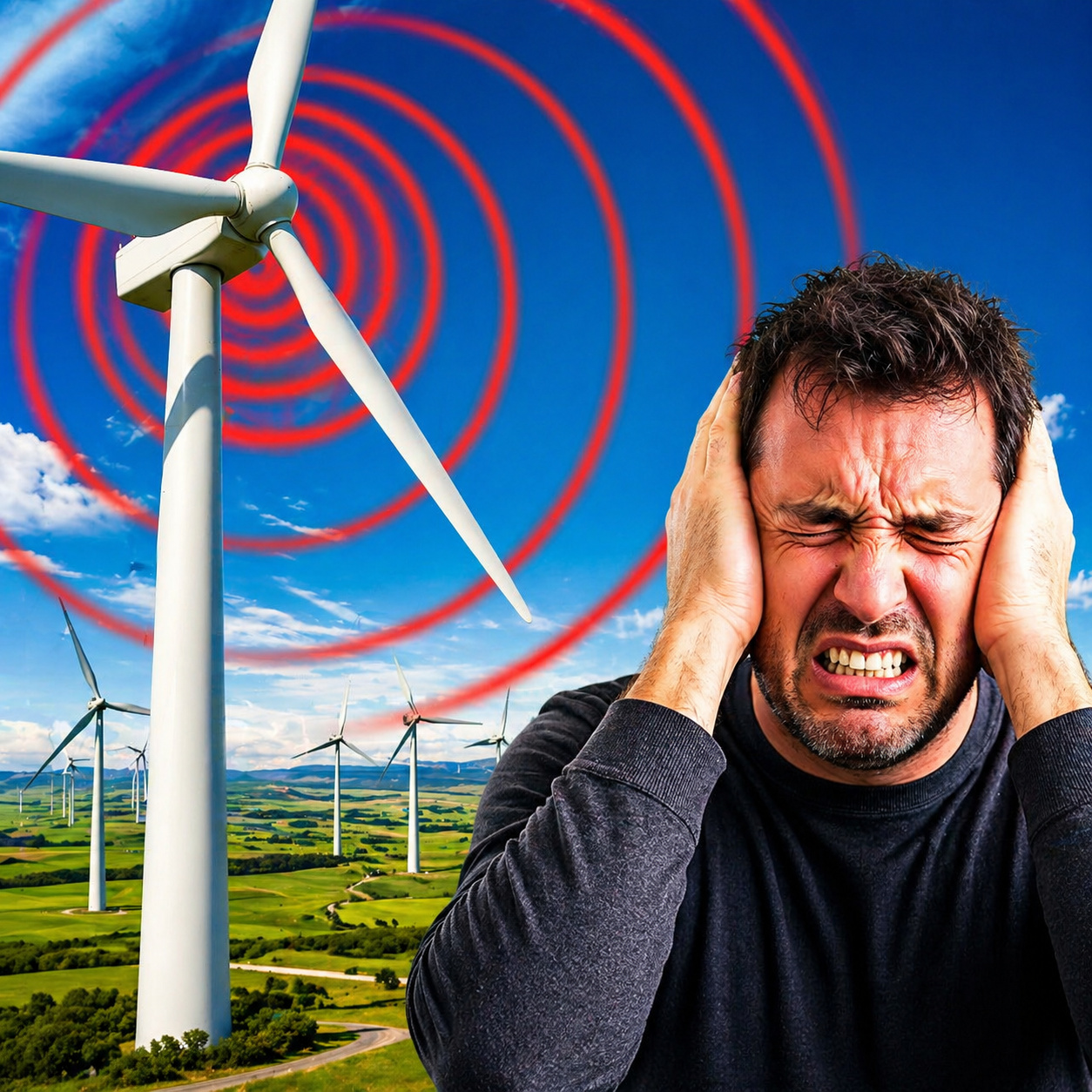

Studies show that wind turbines do not cause diseases, but the nocebo effect generates real symptoms and is already impacting billion-dollar projects.
According to Science Feedback, there is no scientific evidence that the infrasound emitted by wind turbines causes any harm to human health. Controlled studies have not identified a link between low-frequency sound waves and symptoms such as sleep disturbances, headaches, nausea, or any other effect frequently reported by residents of regions near wind farms.
What the scientific literature has found, in several double-blind studies conducted in different countries, is a distinct phenomenon: consistent evidence that the fear of getting sick, amplified by misinformation, can generate real physical symptoms in healthy individuals.
The so-called “wind turbine syndrome” is not recognized by any international medical organization. However, its social and economic effects are concrete: canceled projects, interrupted investments, and communities affected by expectation-induced symptoms.
-
Billion-Dollar Winds Propel Wind Energy Growth in Brazil, Boosting Unprecedented Technical Workforce Development

-
Brazil filled the Northeast with wind turbines but now faces the side effect of 705 giant blades reaching the end of their lifespan by 2032 just in Rio Grande do Norte, while the world projects 43 million tons of waste by 2050.
-
Brazil has filled the Northeast with wind turbines, but now it faces the side effect of 705 giant blades reaching the end of their useful life by 2032 just in Rio Grande do Norte, while the world projects 43 million tons of waste by 2050.
-
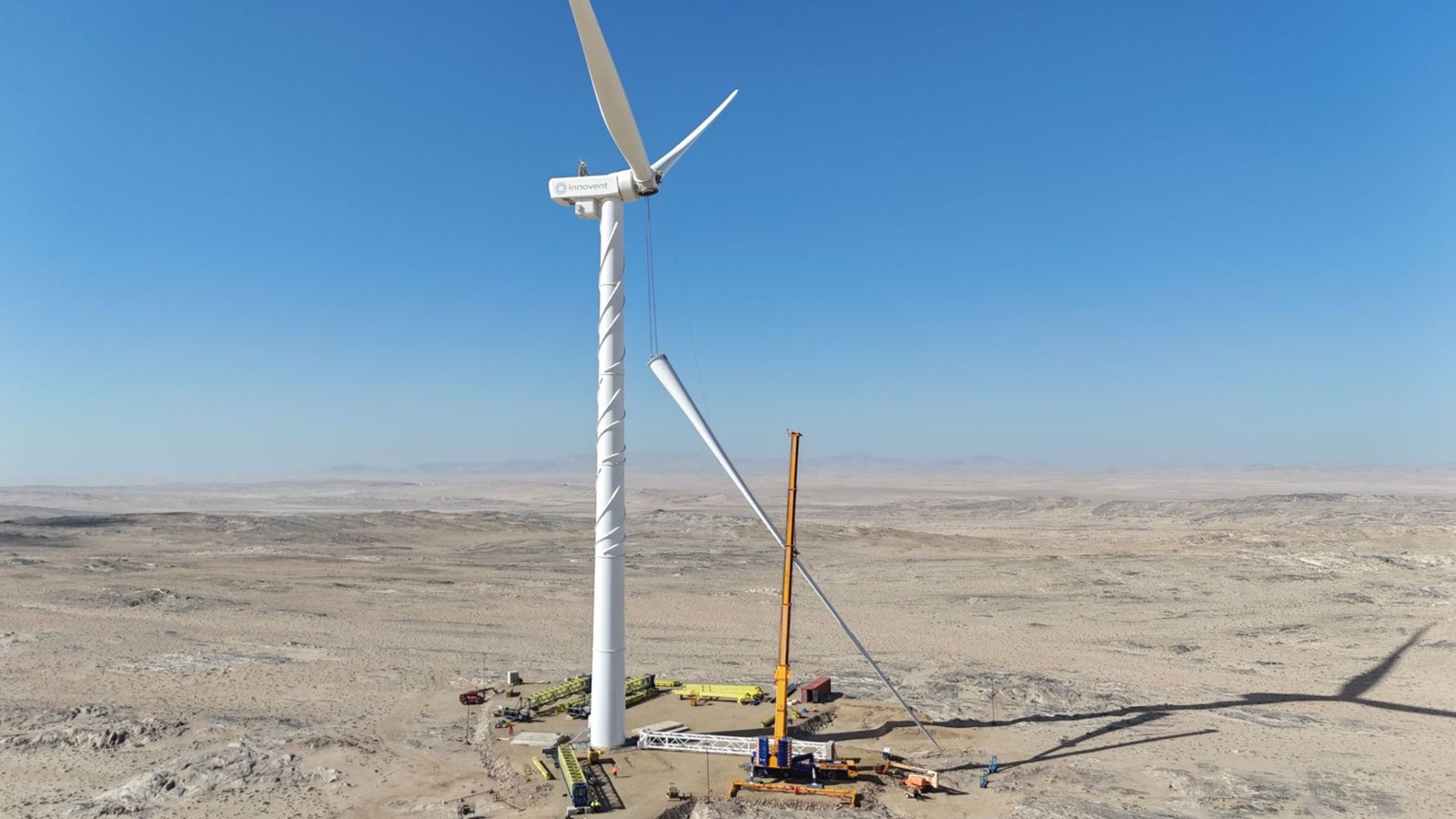
Wind farm in Namibia will have wind turbines assembled without giant cranes and is expected to avoid 200,000 tons of carbon dioxide per year when it becomes operational.


The difference between audible sound and infrasound explains why turbines produce noise without causing physiological impact
Wind turbines produce two distinct types of sound. The first is audible sound, generated by the movement of the blades. At typical installation distances, between 300 and 500 meters, this noise ranges from 35 to 45 decibels, equivalent to a low-volume conversation or the environment of a library. This sound level is regulated by international standards and is considered safe.


The second type is infrasound, composed of waves with a frequency below 20 Hz, which are not perceived by the human ear.
This type of sound is present in various everyday situations, such as wind, traffic, ventilation systems, and even physiological processes of the human body.
The central question investigated by science is whether this infrasound, at the intensities produced by turbines, causes measurable effects on the body. The answer found in multiple studies is consistent: it does not.
Double-blind experiment with prolonged exposure to infrasound identified no relevant physiological effects
In 2023, researchers from Australia’s National Acoustic Research Institute published one of the most rigorous studies ever conducted on the topic.
The experiment used a randomized double-blind design, considered the gold standard in scientific research.
Thirty-seven participants were exposed for 72-hour periods to three different conditions: real infrasound from turbines, sham infrasound, and traffic noise.
During the experiment, parameters such as sleep quality, heart rate, blood pressure, cortisol levels, cognitive performance, and symptom perception were monitored.
The result was unequivocal: infrasound did not cause any significant changes in any of the indicators evaluated. The only factor that impacted sleep was the audible traffic noise, not the infrasound.
Independent studies confirm lack of impact from infrasound on cognition, stress, and mental performance
In 2025, a study conducted in Poland with 45 volunteers reinforced the previous results. Using electroencephalography and cognitive tests, the researchers found no differences between individuals exposed to infrasound, urban noise, or silence.
The results indicate that there is no measurable impact on stress, attention, or reasoning ability. Science identifies the nocebo effect as the main mechanism behind the reported symptoms.
The nocebo is the opposite of the placebo: while the placebo generates improvement from positive expectations, the nocebo generates symptoms from the expectation of harm.

When a person believes they are exposed to something harmful, the body can respond with real physiological changes.
These responses include increased cortisol, cardiac changes, sleep disturbances, and greater sensitivity to pain. The symptoms are real, but their origin is not in the physical agent, but in expectation.
Experiments show that prior information about risks determines the appearance or absence of symptoms
Research conducted by the University of Auckland demonstrated the effect of expectation in a controlled manner.
Participants exposed to the same sound showed completely different responses depending on the information received beforehand.
Individuals informed about possible risks reported symptoms, while those who received neutral information or scientific explanations showed no changes.
When the nocebo mechanism was explained to the participants, the symptoms decreased significantly.
Origin of “wind turbine syndrome” lies in a publication without scientific review and without recognized methodology
The concept of “wind turbine syndrome” was introduced in 2009 by a doctor in a book based on interviews with 38 people. The material did not undergo peer review and did not follow standardized scientific protocols.
Even so, the term spread in communities and public debates, being used as an argument in lawsuits and opposition campaigns.

Journalistic investigations have identified the actions of organized groups in disseminating distorted information about wind energy.
These groups use materials that appear to have a scientific basis but present data out of context or incorrect interpretations. The repetition of these narratives creates the perception of consensus, even without scientific support.
Cancellation of projects and economic losses show the real impact of a phenomenon based on perception
The impact of misinformation and the nocebo effect is measurable. Hundreds of municipalities have adopted restrictions on renewable energy projects, often based on health claims without scientific support.
Projects are delayed or canceled, resulting in loss of investments, increased energy costs, and the maintenance of more polluting energy sources.
Research shows a drop in support for wind projects in regions where opposition campaigns have intensified. This movement occurs even in contexts where there is no evidence of negative health impact.
Explaining the nocebo effect can reduce symptoms and improve the relationship between communities and energy projects
Studies indicate that correctly informing the population about the nocebo effect can reduce perceived symptoms.
Transparent communication, based on scientific evidence, is pointed out as an effective strategy to mitigate conflicts. Scientific evidence indicates that the physical impact of turbines is limited, while the psychological impact can be significant.
In your view, is the challenge in the technology or in the way it is perceived by society?










Very biased and unscientific trash called an article. The author has no idea what he’s talking about here.