






 Portuguese
  Spanish
 3 min of reading


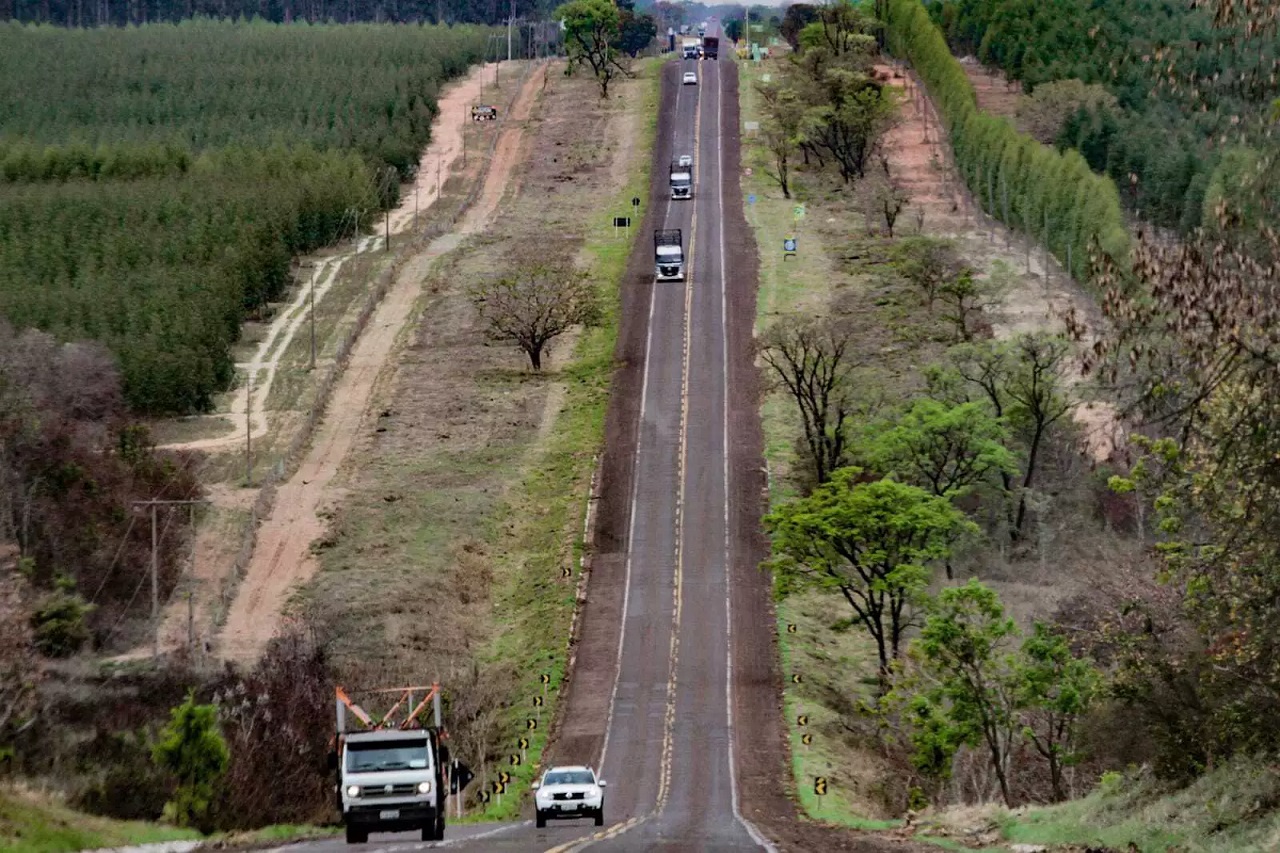
About 1.3 Thousand Kilometers Connecting SP and MS Will Benefit from Charging Points for Electric Cars
18 new charging points for electric cars have arrived in Brazil through one of the largest private energy generators in the country. China Three Gorges (CTG) announced through its official channels that it plans to install the new electric vehicle charging points on the section of BR-262 that connects Três Lagoas to São Paulo. The company emphasizes that in addition to working with charging stations, it is interested in operating in the Brazilian renewable energy market.
See Also
- Shell and Cosan Make Million-Dollar Investment in Electric Vehicle Charging Technology Aiming to Accelerate the Development of the Charging Station Network in Brazil through Raízen
- Goiás Is the Brazilian State with the Most Charging Points for Electric Cars
- Volvo Will Install 13 Fast Charging Points for Electric Cars on Brazilian Streets
- Stellantis Group Announces the Creation of 200 Charging Points for Electric Cars in Brazil
- Federal Government Begins to Require That New Buildings Have Charging Points for Electric Cars in SP
CTG’s Installation of Charging Stations Promises to Cover 1,3 Thousand KM
The Chinese company informs that over 1,200 kilometers of roads will benefit from its charging points. The electric car charging points will be operational by 2023. About 10 plants from the Chinese CTG and two small hydropower plants will be responsible for providing energy to the charging points.
According to ABVE (Brazilian Electric Vehicle Association), Brazil has 79,800 electric, plug-in hybrid, and hybrid light vehicles. So far, the country has 1,250 charging stations on highways and commercial areas of large cities.
-
Keeping your foot lightly on the brake pedal while driving may seem harmless, but mechanics warn: this habit generates constant heat, wears out the pads too quickly, and can warp the discs, making braking expensive and dangerous.

-
The YouTuber Mark McCann bought a Bugatti Veyron for almost $1.2 million, but discovered that the supercar’s gearbox is so damaged that even Bugatti itself won’t accept to repair it, and the repair could cost a fortune.

-
Thinking about buying a used HB20? See why the 2015 model is still a crowd favorite, with cheap parts, easy-to-fix mechanics, a strong engine, and quick sales.
-
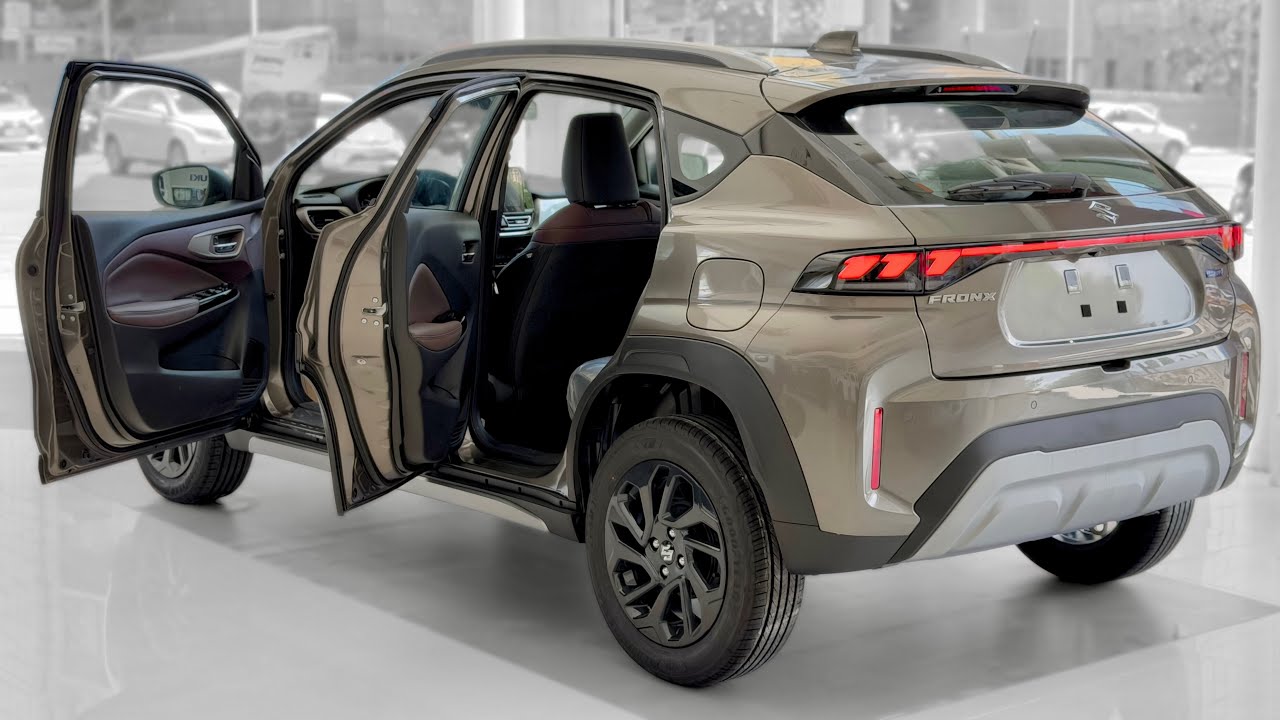
Suzuki Fronx emerges as the “compact coupe SUV” that Brazil doesn’t have: priced around R$ 37,000 in a tax-free conversion, the model has a hybrid version, 1.0 turbo engine, bold design, and the price of a popular car in India.

CTG has been operating in Brazil since 2013. The company has investments in 17 hydropower plants, as well as equity participation in 11 wind farms.
CTG Charging Points Will Be Powered Solely by Renewable Energy
“Contracts will only be with suppliers of energy from renewable sources, and the process will be validated by unprecedented traceability technology,” stated CTG Brazil’s corporate vice president, José Renato Domingues, in an interview with Estadão.
Initially, the CTG charging points for electric cars may be used free of charge; however, the corporate vice president of the company, José Renato Domingues, highlights that as more people use the stations, this will change. Charging payment systems will be implemented after regulation by Aneel (National Electric Energy Agency).
CTG’s Participation in the Brazilian Market
Brazil is a “priority country” in the international growth strategy of China Three Gorges, according to the company’s website. Since 2013, the state-owned enterprise has been investing in clean energy assets in Brazil, including wind and solar energy, and has become the second-largest private energy generator in the country. In 2016, it acquired the Brazilian assets of Duke Energy Corp., which included about 10 hydropower plants, for US$ 1.2 billion. The IPO proceeds may help Three Gorges raise money for further investments and acquisitions in Latin America.
In June, the company completed the issuance of R$ 845 million (US$ 167 million) in local bonds, of which R$ 650 million will be allocated to the second phase of the project, with a total budget of R$ 3 billion. During an interview with Bloomberg, CTG Brazil’s vice president of finance and investor relations, Carlos Carvalho, discusses growth plans, the potential of solar photovoltaic energy generation, and the start of certification operations with I-Recs.
“First, it is important to explain our structure. Rio Paraná Energia is one of the companies that make up our operations in Brazil. It was created when CTG Brazil won the auction for the concessions of the Ilha Solteira and Jupiá hydropower plants in 2015. Located on the Paraná River, between the states of São Paulo and Mato Grosso do Sul, they have a total installed capacity of 4,995 MW. Being old assets, with over 40 years of operation, when we secured the concessions, we already knew the need to invest in modernizing the plants. We are investing about R$ 3 billion in this process, focusing on increasing the availability and reliability of operations, a significant contribution to the Brazilian electric sector,” highlights Carlos.






Be the first to react!