






 Portuguese
  Spanish
  2 min of reading


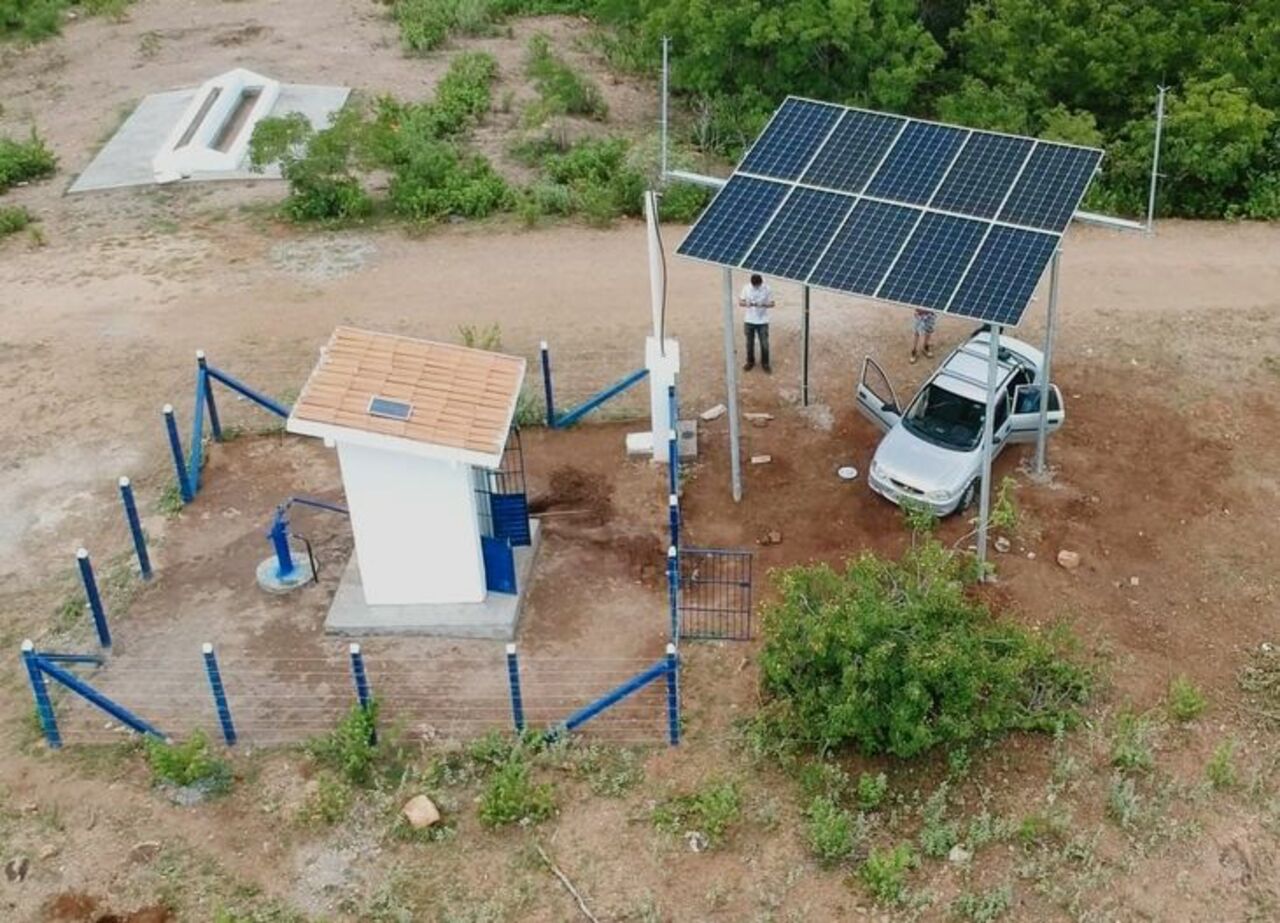
New Hybrid System Using Solar Energy and Diesel May Be the Salvation for Brazilian Agribusiness
Aiming to increase productivity in Brazilian agribusiness, partners of Entec Solar decide to innovate with a hybrid system that uses solar energy and diesel capable of generating electricity for an entire farm.
Read Also
Use of Solar Energy in Brazilian Agribusiness Increases Since 2019
Photovoltaic solar energy is increasingly present in rural properties and agribusiness. In just the first half of 2019, 32,963 kWp were produced, representing about 86% of the total generated throughout the entire year in 2018. The data is from the National Electric Energy Agency (Aneel).
According to ABSOLAR, this segment is responsible for 8.7% of investments in the sector. And this percentage tends to grow.
-
Brazil has 8.4 million illiterates and more than half live in the Northeast, where 10.6% of people cannot read or write a simple note, compared to 2.3% in the Southeast, according to the Pnad Contínua Educação 2025 from IBGE.

-
A great economist predicted that by 2030 we would work only 15 hours a week, and John Maynard Keynes’s forecast is about to fail miserably almost 100 years later.
-
Brazilian fintech unexpectedly closes office, lays off dozens via video call, and leaves employees insecure while the company denies mass layoffs.
-
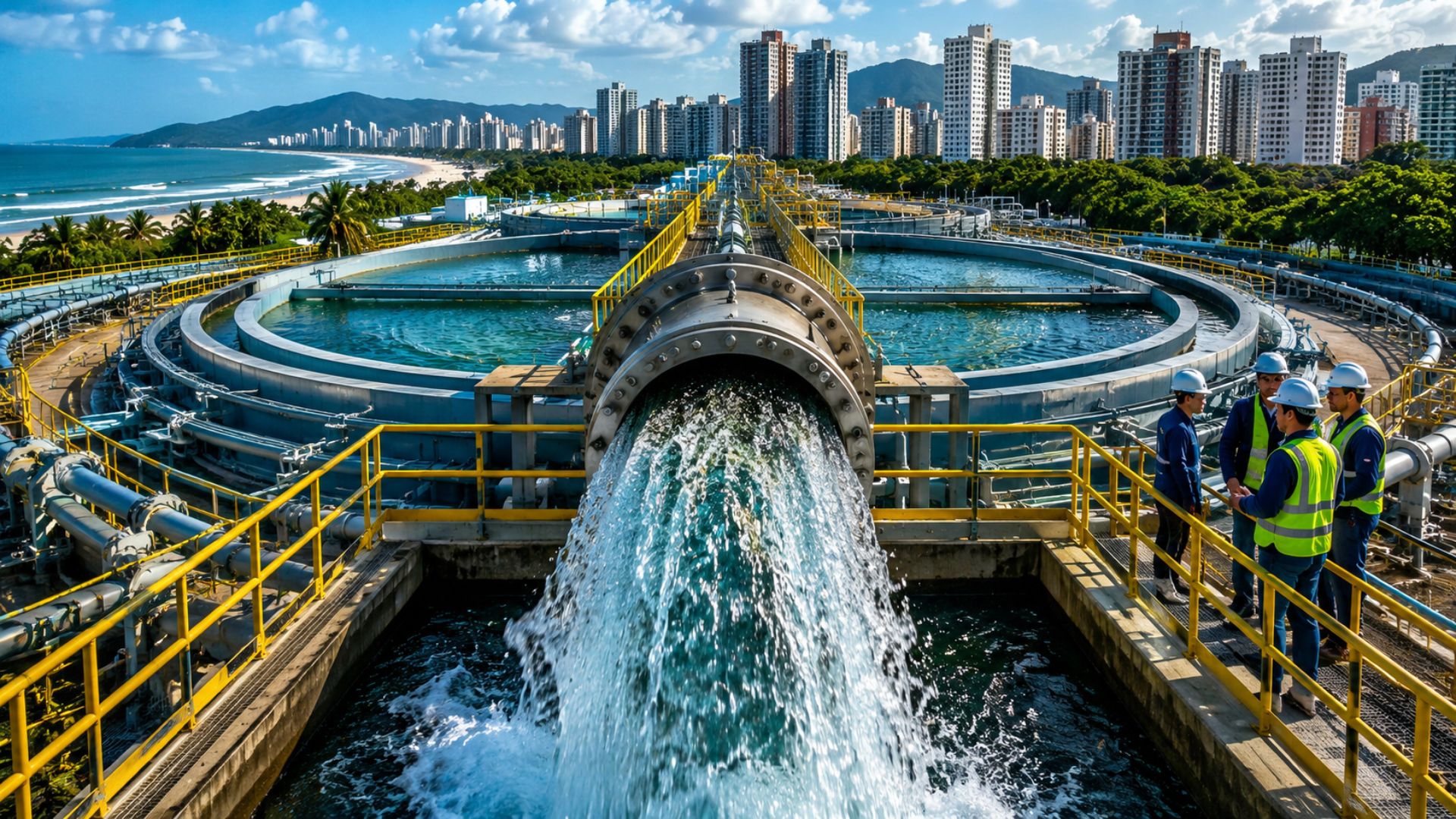
Largest investment per capita in Brazil: city receives R$ 1 billion in sanitation, invests 322% above the national average, and gains a new ETA capable of supplying an additional 1,270 liters of water per second.


Hybrid System Boosts Investments in Agribusiness
The project of a system that uses solar energy and diesel in Brazilian agribusiness is still pioneering in the country and the world, operating through an autonomous and stable microgrid, without the need for supplementation from the power grid.
The structure has been integrated with the existing irrigation system installations. The supply is made by a photovoltaic system of 773 kWp, with 700 kVA inverters, a 750 kVA diesel generator, and a battery bank with 300 kWh of autonomy.
By using solar energy panels connected to a diesel generator, this combination can ensure energy supply in main isolated areas that sometimes lack electricity or are even victims of constant power surges.
“Using a diesel generator and solar energy panels makes it possible to reduce fuel costs, as the user of the system becomes dependent on a renewable source (sun), thus you end up having two diesel generators,” describes Jessé Jaelson da Silva, partner and director of Entec Solar, an expert in the supply, installation, and maintenance of photovoltaic energy systems.
The expectation is that the customer will have a return on investment in 6 years. There is also a forecast of increased productivity, doubling the number of harvests per year, bags per hectare, and reducing production costs per harvest.




Be the first to react!