






 Portuguese
  Spanish


Avoid Losses Of Up To R$ 15 Thousand On Your Car: Find Out Why Filling The Tank To The Brim Or Fueling The Wrong Car Can Cause Damage To The Engine That Is Hard To Repair
A common habit among Brazilian drivers can be very costly: filling the tank beyond the first click of the nozzle. Although it may seem like a way to “make better use of the space” or round up the fuel price, this practice can damage the vehicle’s vapor filtration system and, in more serious cases, compromise the engine. The loss can exceed R$ 15 thousand in repairs, according to experts and workshops.
When filling beyond the safety point indicated by the nozzle, the liquid fuel can invade the canister, a crucial component for emissions control.
A part designed to handle only vapors ends up soaked with gasoline or ethanol, which compromises its functioning and, in turn, affects other systems of the car.
-
2027 Toyota Corolla Cross Unveiled: New Design, Enhanced Fuel Efficiency, Reduced Maintenance Costs, Advanced Technology, Connected Services, and Up to 10-Year Warranty

-
Fiat Cronos Precision 2018: Affordable Sedan with Spacious Trunk and Reliable Maintenance
-
Volkswagen to Cut Production by 1 Million Cars by 2030, Reducing Jobs and Platforms, Focusing on More Profitable Models

-
Toyota Launches First 100% Electric Car in Brazil: bZ4X with 343 HP, All-Wheel Drive, 361 km Range, Priced at $419,990 BRL, Limited to 99 Units




Filling The Tank To The Brim: What Really Happens Beyond The Click
The “click” of the nozzle is not an unimportant detail: it indicates that the tank has reached the safe level of fuel, respecting the expansion space and the evaporation system.
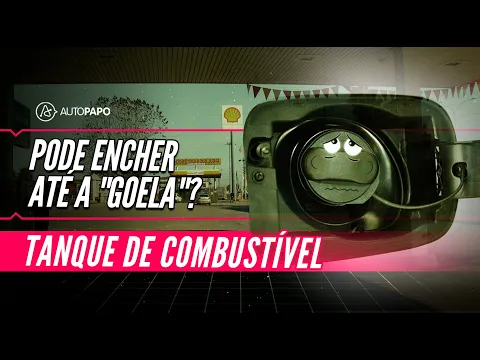

This system is made up of the activated carbon canister, which functions to retain fuel vapors and channel them back for combustion in the engine, avoiding harmful emissions. When the tank is overfilled, the liquid fuel invades the canister, damaging the activated carbon and preventing the filtration process.
According to automotive engineers interviewed by Quatro Rodas, this excess can compromise valves, hoses, and even the fuel pump. The result is not only increased pollution but also direct risks of mechanical failures.
Engine Damage And Losses Exceeding R$ 15 Thousand
The first impact of filling the tank to the brim is the need to replace the canister, which can cost from R$ 800 to R$ 2,500, depending on the car model. However, the problem rarely stops there.
If the fuel reaches the intake line or contaminates the injection system sensors, it can cause operation failures, fuel odor, and damage to the catalytic converter due to a rich mixture, and the repair can become significantly more expensive. Specialized workshops report cases where clients incurred losses of more than R$ 15 thousand, especially in imported and luxury vehicles.
Legislation And Regulations Against Fueling The Wrong Car
The problem is not just technical: in São Paulo, state law no. 16.656/2018 prohibits attendants from continuing to fuel after the automatic cutoff of the nozzle. The so-called “rounding practice” — when one asks to fill to an exact amount or leave the tank at the limit — is considered an infraction and can result in penalties for the gas station.
The legislation follows recommendations from engineers at SAE Brasil (Society of Automotive Engineers), who have long warned about the risks of exceeding the tank’s limit. The guidance is clear: the driver should accept the first click and avoid any attempt to manually top off.
This care also applies to another common mistake: the act of fueling the wrong car, putting inappropriate fuel for the engine. This error can lead to severe failures in high-pressure pumps and injectors, as well as compromising the durability of the combustion system.
Engine Damage From Fueling: Why Does The Habit Persist?
Many drivers believe that filling the tank to the top is financially rewarding, as it secures a few extra milliliters of fuel. Others simply do not want to deal with odd payment amounts.
However, this illusory “savings” can turn into a massive bill if an engine is damaged due to incorrect fueling. It’s like trading a few cents now for thousands of reais later.
This habit persists mainly due to a lack of information. Many drivers don’t know what the canister is, nor do they understand that the vehicle’s engineering anticipates an expansion space in the tank to prevent liquid fuel from compromising the evaporation system.
How To Avoid Engine Damage When Fueling
Taking simple measures at the time of fueling helps to protect the vehicle and avoid losses:
- Respect The First Click: never ask to “fill to the brim” or round up the amount.
- Be Wary Of Large Differences: if the nozzle indicates a volume far above the tank’s capacity, request verification.
- Prefer Reliable Stations: adulterated fuel can exacerbate damage to the evaporation system.
- Schedule Periodic Inspections: in case of a strong fuel odor or starting issues, request an evaluation of the canister.
Destroying The Engine: Myths And Truths About Fueling
Some drivers still believe that it’s normal to force a little beyond the click or that there’s no issue in constantly running with the tank on empty. But these habits can accelerate the wear of sensitive components and, in extreme cases, practically destroy the engine.
Another myth is that modern cars have protection systems against excess fuel. While true in part, these mechanisms are not foolproof and do not replace the need for care during fueling.
Avoiding these myths is crucial to reducing maintenance costs and increasing the vehicle’s lifespan.
The Click Of The Nozzle As Your Pocket’s Ally
The simple act of respecting the first click of the nozzle can prevent headaches, costly repairs, and even environmental problems.
By insisting on filling the tank to the brim, the driver exposes the vehicle to risks that go far beyond the canister, potentially affecting sensors, valves, injection systems, and even causing irreversible engine damage.
The bill can easily reach R$ 15 thousand or more, especially in imported models. Therefore, the recommendation is clear: avoid topping off the tank, refuel in trustworthy locations, and follow the guidelines of manufacturers and technical entities.
In summary, this seemingly harmless habit can compromise the car’s durability and the driver’s wallet. Prevention is within everyone’s reach: just respect the click of the nozzle.









Tudo enrolação. Desde meu primeiro carro em 1975 sempre mando encher até o gargalo e nunca tive essas situações sendo que a maioria deles passou de 250.000 km.
O Argo Drive 1.0 2023 meu carro eu so mando completar tanque, porem qdo cai 2 ou 3 barrinhas ,porem qdo a bomba da o primeiro clik eu tinha o costume de pedir pra ir abastecendo bem devagar pq enche e desce enche e desce, ainda pegava uns 4litros até a boca. Mas agora depois dessa matéria vou deixar no primeiro clic mesmo.