Portuguese
 Spanish


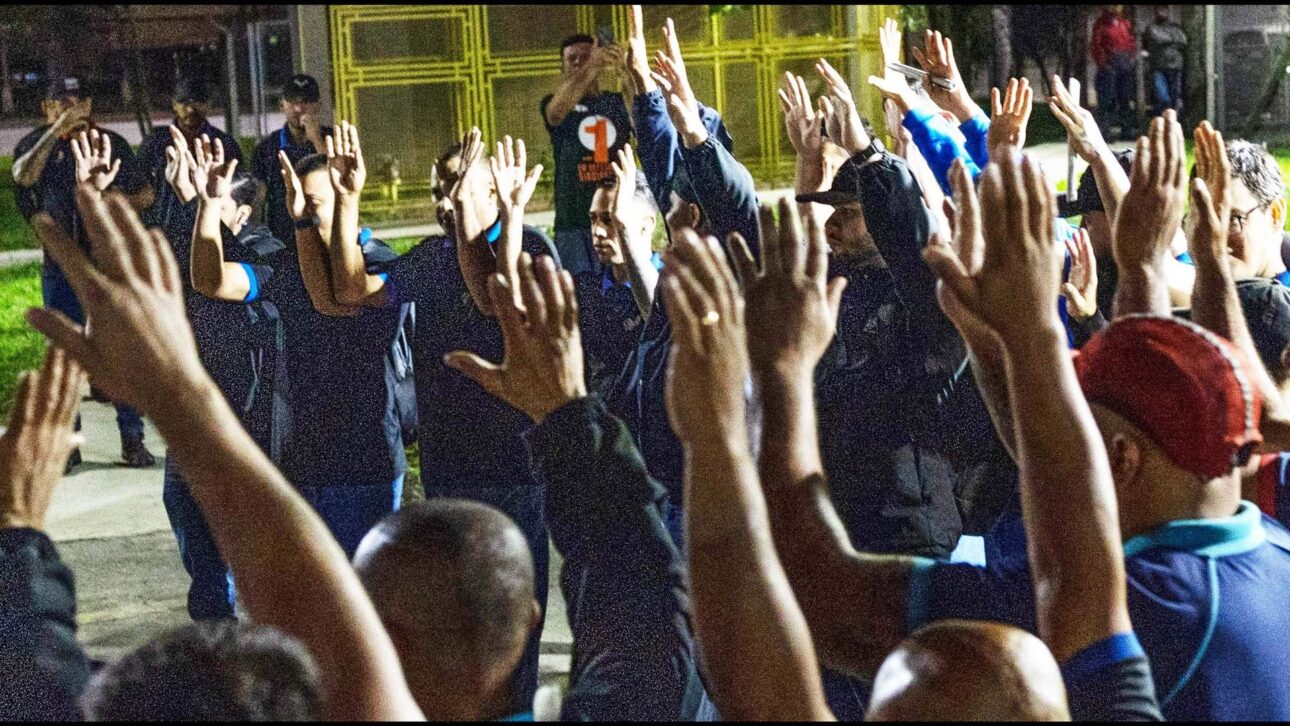

Ball metalworkers in Jacareí, São Paulo state, went on a 24-hour strike and won a 45% increase in their food allowance, which will rise from R$400 to R$580 in January 2027. The agreement also guarantees job security through February 28, 2027
Workers at Ball, an aluminum can plant in Jacareí, in the interior of São Paulo state, rejected a R$40 increase in their food allowance, walked off the job for 24 hours and came away with R$180. The monthly allowance will rise from R$400 to R$580 starting in January 2027, a 45% increase, the Metalworkers Union of São José dos Campos and Region said.
The agreement was approved at five assemblies. The last was held Friday, November 27, 2026.
In addition to the higher food allowance, Ball workers secured job protection through February 28, 2027. The company also agreed not to deduct pay for the day they were on strike, the union said.
-

-
-
-
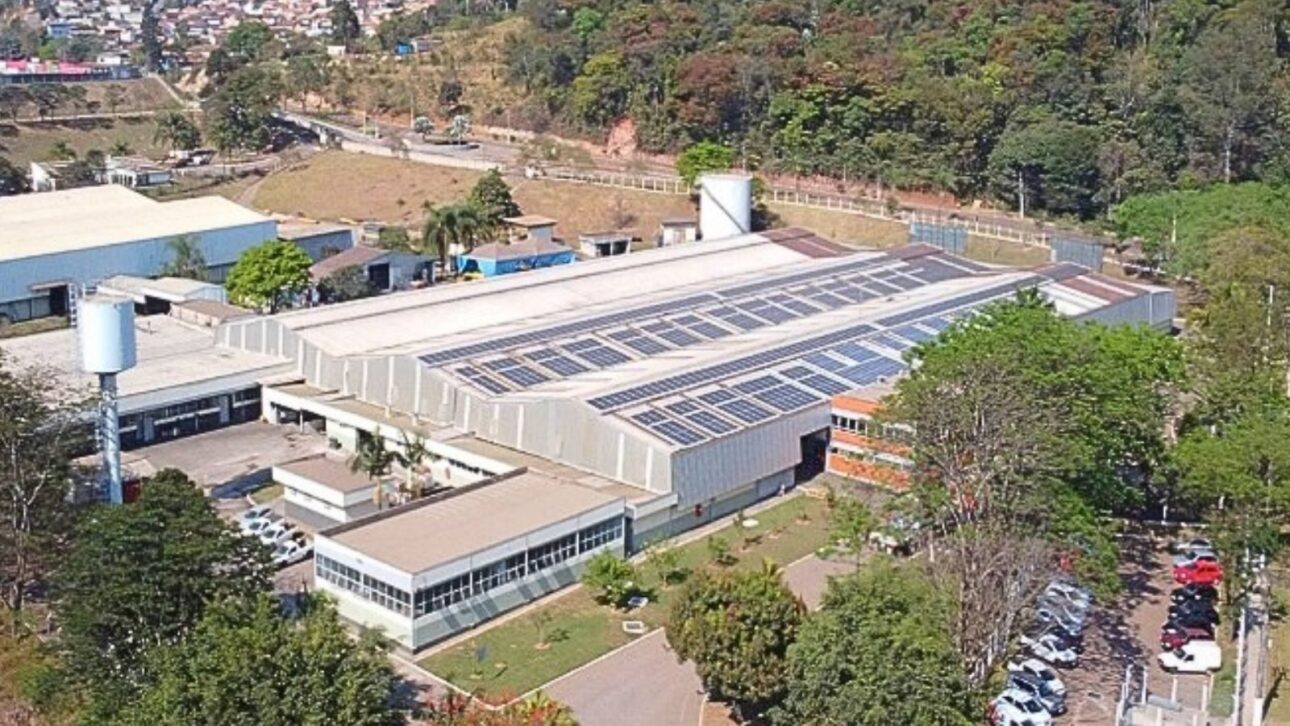

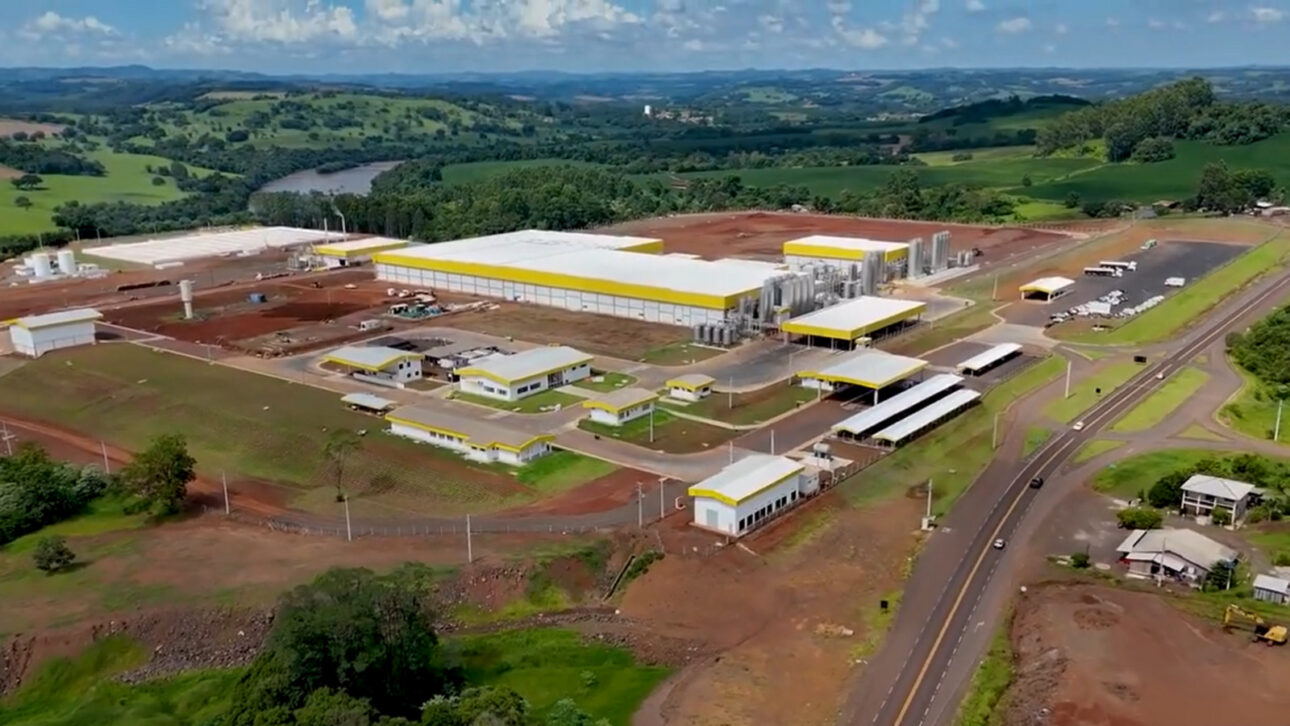
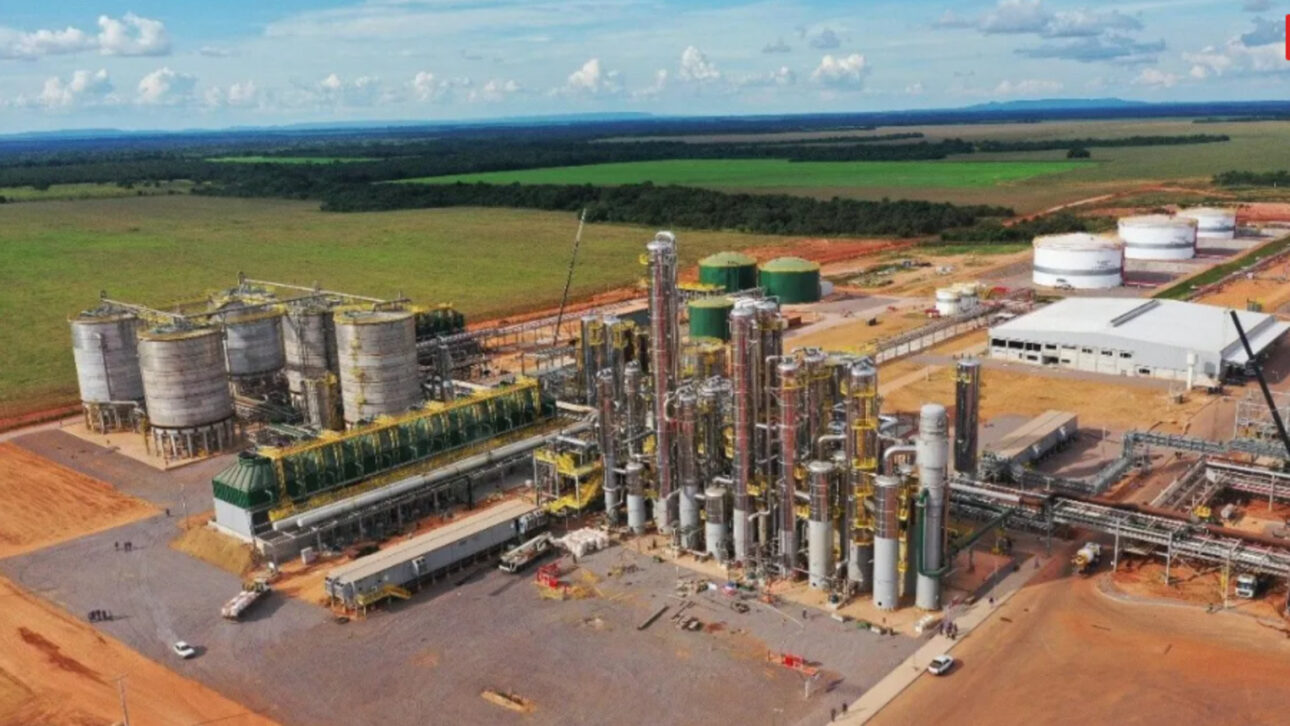
Ball’s can plant in Jacareí
Ball’s Jacareí plant has about 200 workers. They produce 7 million cans a day, and the plant is the largest can factory in Latin America, the union said.
Ball belongs to a group that, according to the union, is a world leader among can manufacturers.
The union said production was running at a fast pace and workers were overloaded because staffing levels were lean.
R$40 versus R$650
Negotiations over the food allowance were part of the 2026 wage campaign for metalworkers in the region. The allowance was R$400 a month.
Ball offered a R$40 increase, which would have brought the benefit to R$440. Workers were seeking R$650, the union said.
To support its demand, the union pointed to rising food prices. In the previous 12 months, the average price of onions rose 108.21% and tomatoes 65.65%, according to the union.
How the Ball strike unfolded
Workers began a 24-hour strike on Monday, November 16. The union gave the company until 6 p.m. on November 17 to improve its offer, warning that the strike could become indefinite.
Under pressure, Ball agreed to present a counteroffer, and the strike was suspended on November 17. The new food allowance offer, negotiated with the union, was put to a vote at the assemblies.
On the day of the first assembly, first-shift employees who started work at 6 a.m. and were scheduled to leave at 6 p.m. were kept at the plant for overtime until 8 p.m., the union said. The union said it would take appropriate action.
What the agreement includes
The new food allowance will reach R$580 in January 2027. That is R$180 more per month than the previous R$400, or R$2,160 over a year.
Ball will not deduct pay for the strike day, and workers have job protection through February 28, 2027.
“Ball workers came out victorious in this fight, and that was only possible because of the pressure on the plant through the strike,” union director Lucas Francelino said.
Ball made no public statement about the strike or its offer while the walkout was underway.