Portuguese
 Spanish


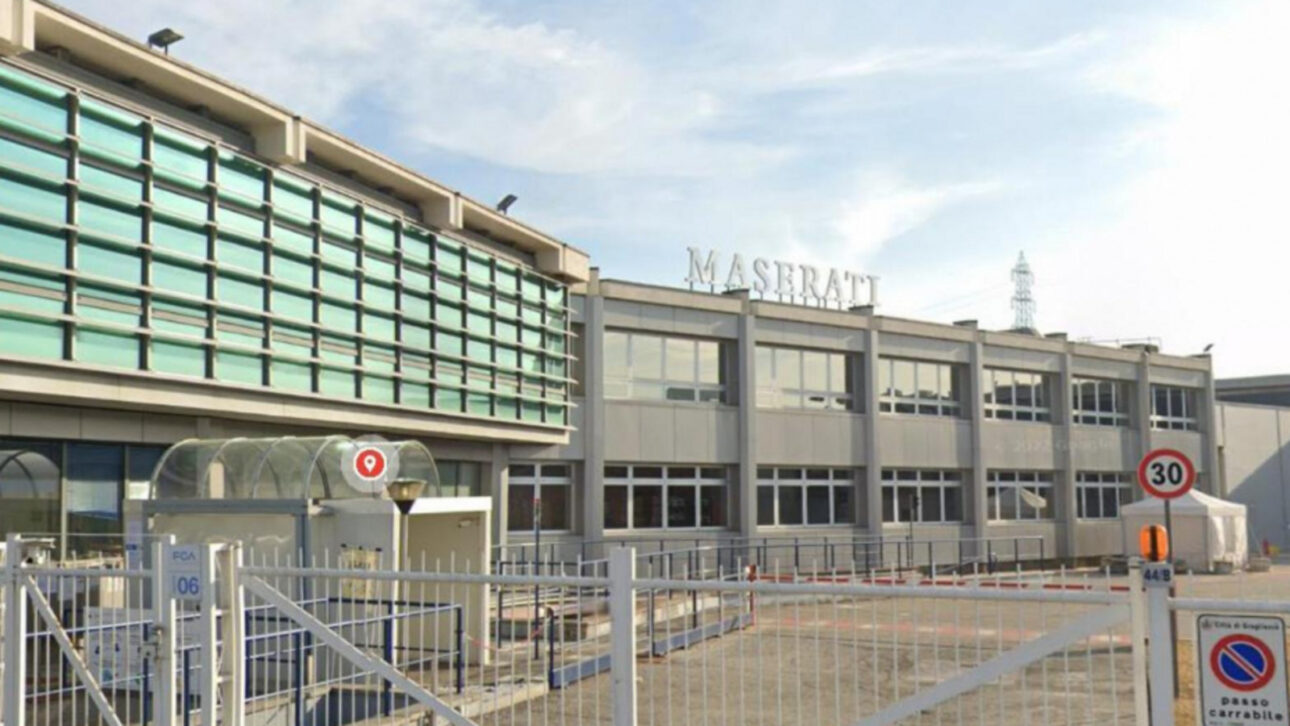

The 230,000-square-meter plant, which produced the Ghibli and Quattroporte models, could host electric bus production lines, battery assembly and energy storage systems starting in 2028
Maserati’s former factory in Italy could take on a new industrial role with the arrival of a Swiss company that sells Chinese electric buses. YES-EU has signed a preliminary agreement to acquire the 230,000-square-meter facility and plans to begin producing electric vehicles in 2028.
Former Maserati factory set to produce electric buses
On November 12, 2026, YES-EU signed a preliminary agreement to buy the former Maserati factory in Grugliasco, near Turin. The seller is Stellantis, the group that owns the industrial facility.
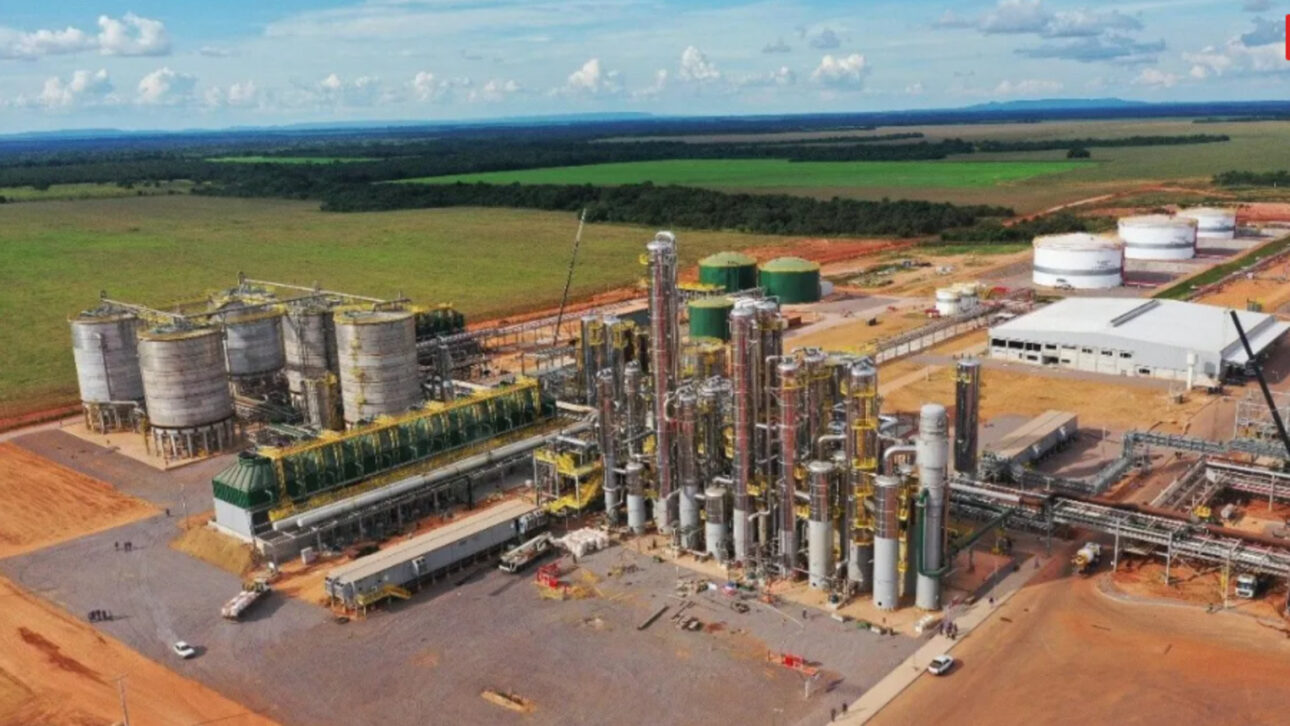
The complex is located at 46 Corso Allamano and covers approximately 230,000 square meters. Despite the initial agreement, the purchase still depends on the signing of a definitive contract.
-

-
-
-
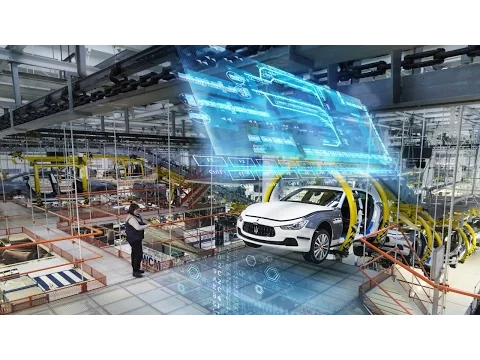
The site has a history tied to Italy’s automotive industry. It originally belonged to coachbuilder Bertone and produced the luxury Maserati Ghibli and Quattroporte models before operations ended.
The proposal is now to use the existing infrastructure to develop an electric mobility operation, manufacturing buses and minibuses for Italy and other European markets.

Production expected to start in 2028 and include batteries
The industrial plan calls for converting the factory over the coming year, with the first production lines expected to start operating in 2028. At full capacity, the facility is expected to employ about 150 people.
In addition to electric buses, the project includes battery pack assembly, stationary energy storage systems, technical support and recycling operations.
The models to be produced at the facility have not yet been decided. It also remains unclear whether the operation will manufacture complete vehicles or focus mainly on assembling components imported from China.
The project presented so far focuses on assembling battery packs and other activities related to energy storage.
Swiss company works with Chinese electric buses
YES-EU is not a vehicle manufacturer. The company acts as the European importer and distributor of buses made by China’s CRRC Electric Vehicle, whose models are sold under the YES-EU brand.
The company is already active in approximately 15 European markets, with a particularly strong presence in Scandinavia.
In October 2026, the company also entered into a partnership with NING Service, the service brand of Chinese battery maker CATL. The initiative included opening a battery center spanning more than 10,000 square meters near Oslo, Norway.
YES-EU is already competing for bus contracts in Italy
The acquisition of the former factory comes as the company seeks to expand its share of Italy’s public transit market. In September 2026, YES-EU was among the suppliers selected for a framework agreement covering 600 electric buses by Consip, Italy’s national purchasing agency.
The company also took part in other tenders. In a competition held by Milan transit operator ATM for 110 electric buses, it finished third, behind bids from KMobility/Karsan and BYD Europe.
In Bari, the company was one of five bidders to supply 42 articulated buses. KMobility won the contract with vehicles made by Karsan.
Fabrizio Simoni, formerly in charge of Quantron’s operations in Italy, will lead the Italian industrial operation. Consulting firm Italiano & Partners is also involved, assisting with the acquisition, industrial planning, and negotiations with banks and public authorities.
Talks with workers’ representatives and authorities have not yet begun. The final purchase of the factory and details of future production remain pending.