Portuguese
  Spanish


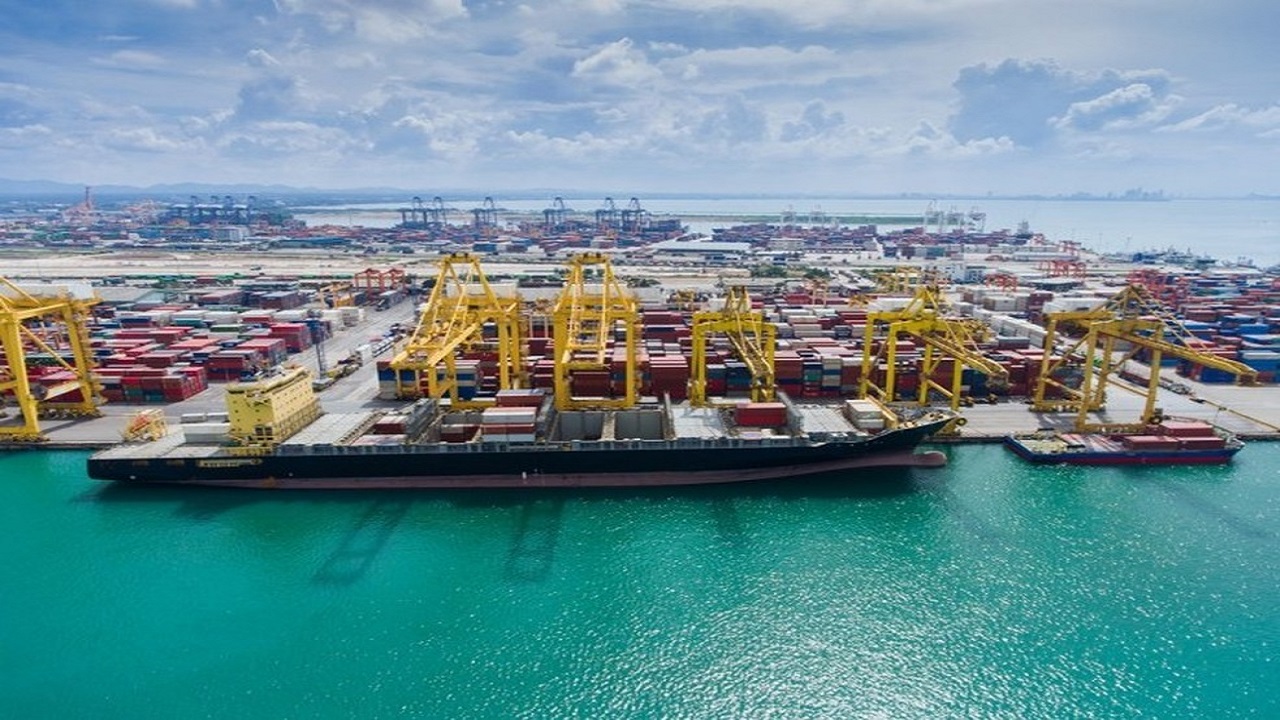

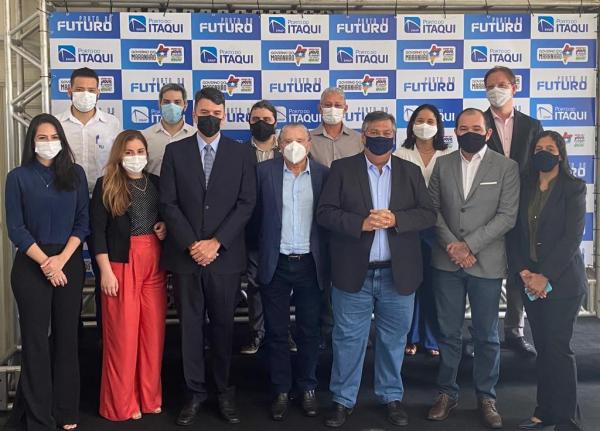
Governor of Maranhão, Alongside Other Entities, Inaugurates the Porto do Futuro Program, Aiming to Develop Research and Train New Professionals to Work at the Itaqui Port in São Luís
The Governor of Maranhão, Flávio Dino, announced this Friday (18) the Porto do Futuro, a Research, Development, and Innovation (R&D&I) Incentive Program. One of the program’s goals is to train professionals for the job market as well as to work at the Itaqui Port in São Luís. The opportunities will be offered through a partnership between the Maranhão Foundation for Research and Scientific and Technological Development (Fapema) and the Maranhão Port Administration Company (Emap).
Read Other Related News
Learn More About the Program Developed by the Governor of Maranhão
The Porto do Futuro is a research program focused on projects that are part of the port sector based on the axes of operations, port-city relations, environment, sustainable socioeconomic development, public management, and technological development. Research scholarships will be offered to graduate programs for students from Maranhão, funding for research projects, recognition of articles, exchanges, and scientific journalism work.
-
They exchanged the idea of a large house for a 35 m² warehouse, spent US$ 12,000 on the structure, and created a tiny house in Colorado with space to live and work.

-
While modern cities rely on pumps and electricity, in Iran, ancient tunnels carried water through the desert using only slope and gravity.
-
Instead of sending families far from the city, a project in Chile intentionally created incomplete houses on expensive urban land and left technical space for each to grow.
-
General Motors Replaces Over a Thousand Workers with 50 Cobots at Electric Vehicle Plant, UAW Union Criticizes Move Amid Industry’s Automation Push

The research must focus on one of the program’s target axes in Maranhão, all aimed at the port sector, such as operations, port-city relations, environment, among others. According to Governor Flávio Dino, launching a research program is the result of the partnership between the Itaqui Port in São Luís and Fapema.
The process is being led by Emap, managed by Ted, representing about R$ 40 million in investments in research projects, scholarships, and researchers who will work on topics of interest to the Itaqui Port in São Luís. The program will develop knowledge, fund research and innovation, and also projects that can improve the port.
Maranhão Could Become a Hub of Knowledge in Port Technology
According to Governor Flávio Dino, Fapema will be responsible for announcing the calls for proposals in the future. The projects will be developed by institutions in Maranhão such as UFMA, UEMA, UemaSul, IEMA, and other private institutions.
All will be invited by the entity to participate. Thus, it is believed that the Itaqui Port will receive contributions from researchers to improve its activities and grow as an encourager of projects, generating jobs and income.
President of EMAP, Ted Lago, emphasized that through this investment, the Itaqui Port, which is considered a hub in logistics and economy, can also become a hub of knowledge in port technology. Ted states that the project is innovative not only for São Luís or Maranhão but for all of Brazil.
Fapema Speaks on the Program in Maranhão
In addition to the president of EMAP and the state governor, the president of Fapema, André Santos, states that the program for the Itaqui Port is a two-way street, generating benefits for the entire port system and the entire research society in the state.
The opportunity for researchers in the state to access essential resources makes this specialization possible, not only for professors but also for master’s and doctorate students and even high school students, such as IEMA and IFMA.