Portuguese
 Spanish



Expanding soybean and corn acreage is driving Brazil’s output, while climate and logistics challenges concern the agribusiness sector.
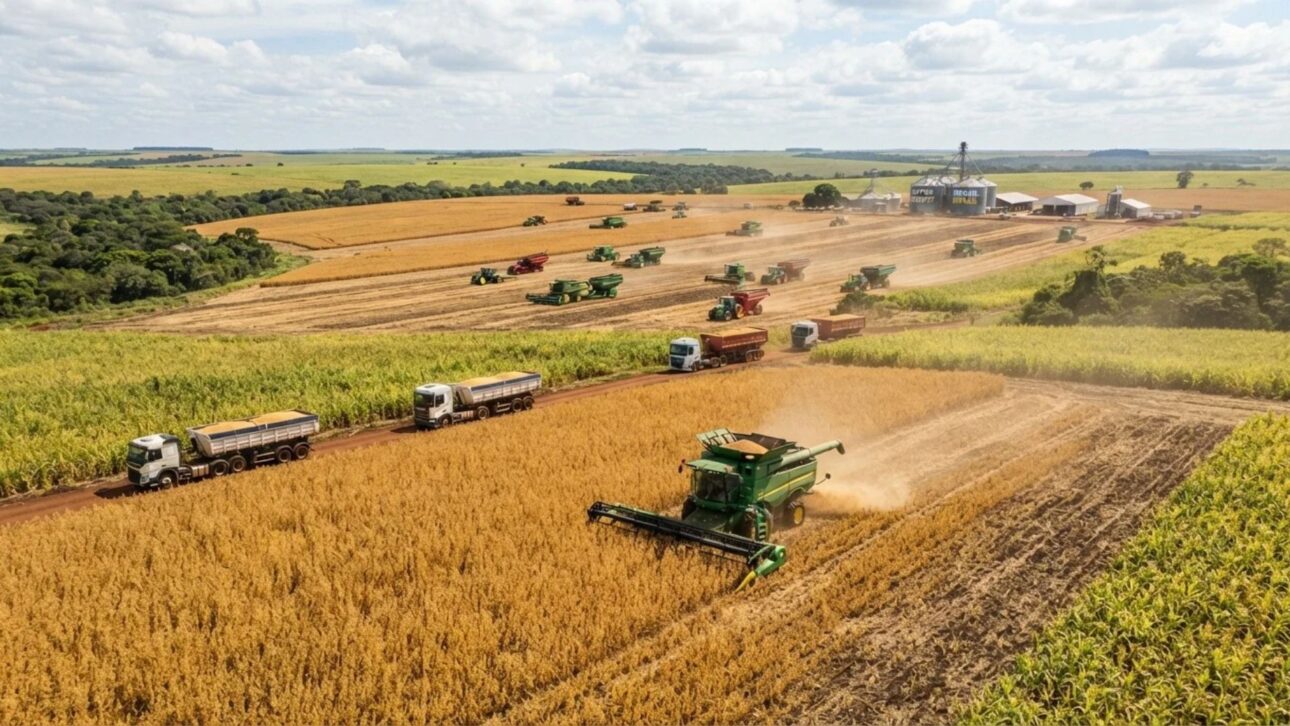
Farm machinery is moving across Brazil’s fields as growers prepare for one of the largest harvests in the country’s history. In a report released on November 13, 2026, Brazil’s National Supply Company (Conab) said the country could produce 366.1 million metric tons of grain in the 2026/27 season, with 85.3 million hectares under cultivation. The projection represents a 1.3% increase in national output, driven mainly by the expansion of soybean, corn, sorghum and cotton acreage.
Brazil adds 1.9 million hectares of cropland for the new season
The area devoted to grain production in Brazil is expected to grow 2.3% from the previous season. Conab estimates that cultivated land will reach 85.3 million hectares, about 1.9 million hectares more than in the 2025/26 season.
The increase is concentrated mainly in corn, soybean, cotton and sorghum fields. These crops supply food processors, animal-feed plants, biofuel refineries and companies that export agricultural products.
-
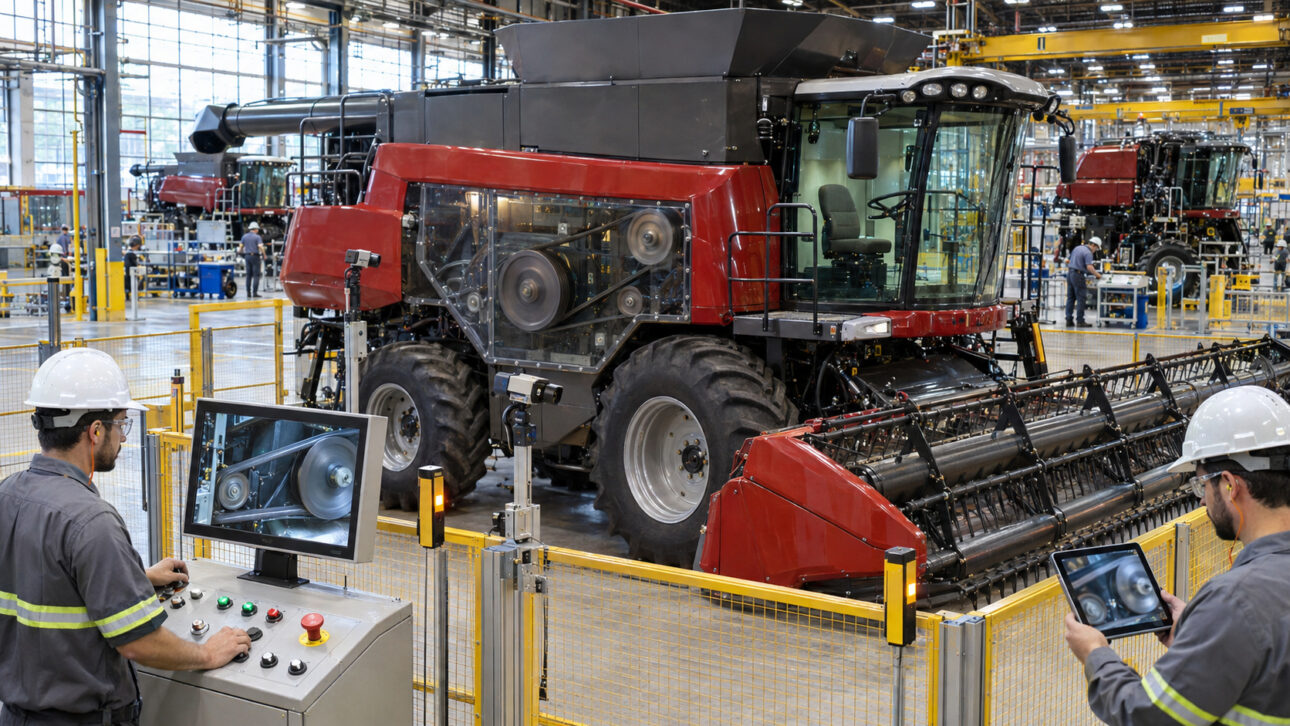
Brazilian technology allows testing of combine harvesters without operators in the cab and automatically shuts down machines when detecting people in hazardous areas

-
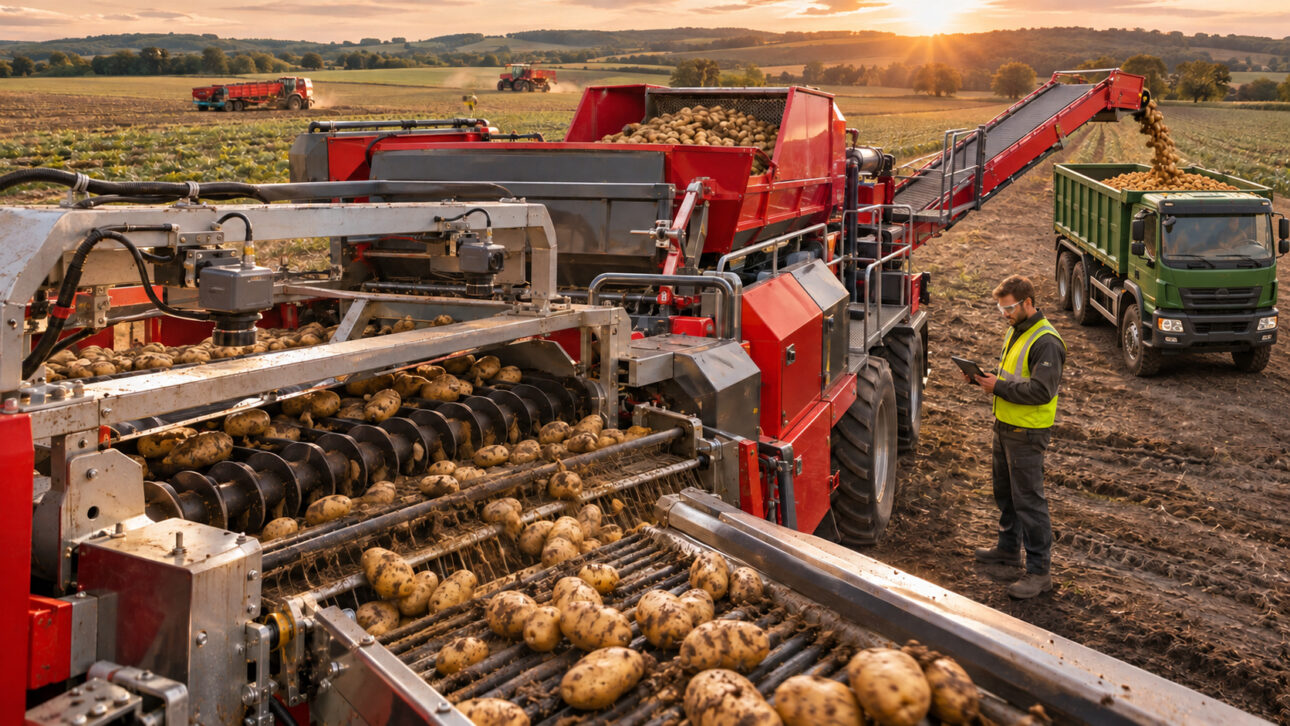
French AI-powered machine sorts up to 100 metric tons of potatoes an hour in the field, promising to cut costs
-
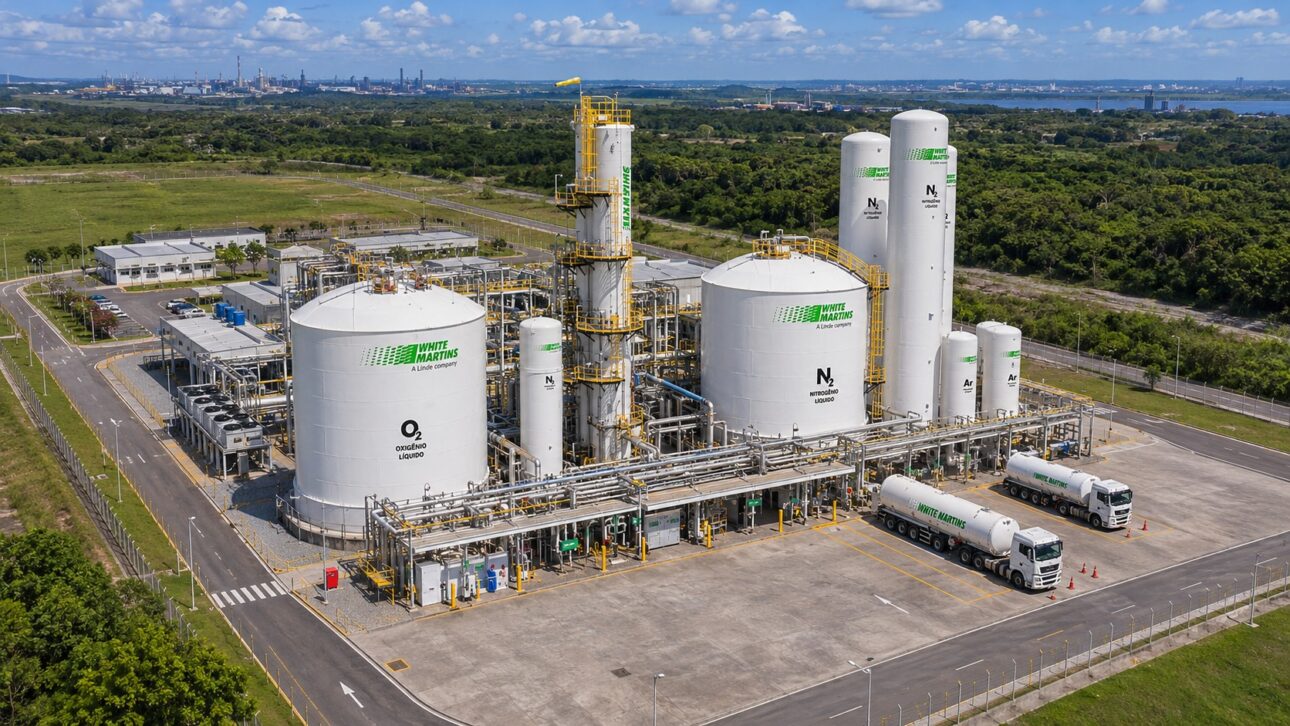
BNDES approves R$8.3 billion for fertilizer production in Brazil, setting a lending record to reduce reliance on imports
-
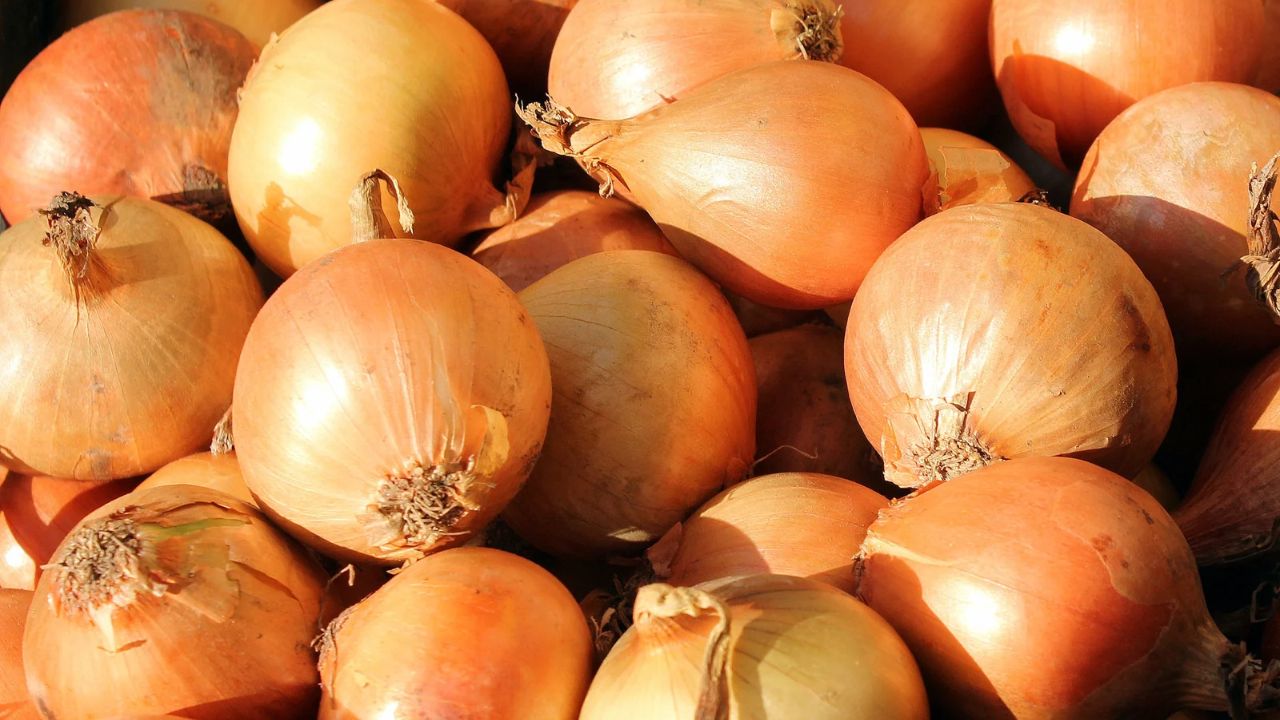
Onion prices surge to R$161.25 per sack and may stay high for months as yields fall and planting shrinks



Expansion does not necessarily mean clearing new land. Many farms grow different crops on the same land over the course of a year, increasing output through two or more harvests.
National output could rise by 4.6 million metric tons
Conab projects a harvest of 366.1 million metric tons, about 4.6 million metric tons above the result recorded in the previous season. The expected increase is mainly due to the expansion of planted area.
Despite the increase in total output, average national yields are expected to fall by about 1%. The estimate is 4,290 kilograms per hectare across the different crops covered by the report.
This means Brazil could produce more grain even with slightly lower yields per hectare. The projections draw on field data, satellite imagery, statistical models and weather forecasts.
Soybean production is expected to reach 181.6 million metric tons in 2026/27
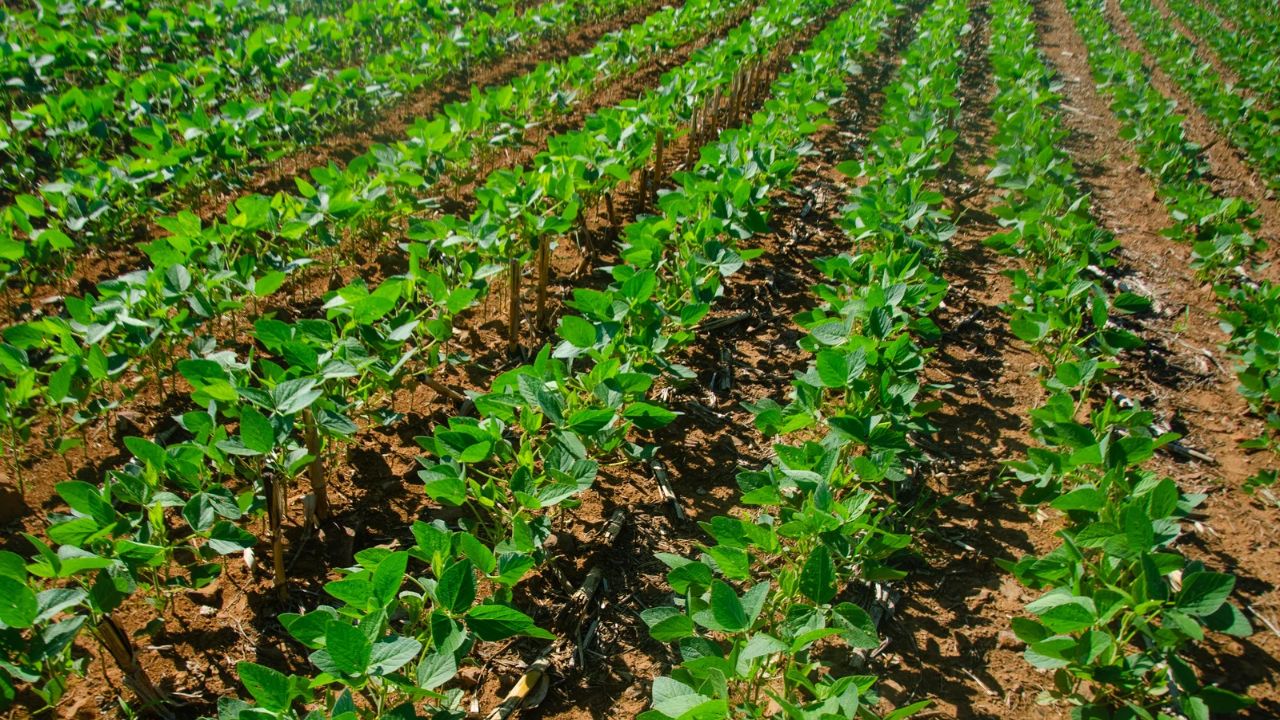
Soybeans will remain Brazil’s leading grain crop. For the 2026/27 season, Conab estimates that 49.3 million hectares will be planted, with a harvest of about 181.6 million metric tons.
Average yields are expected to reach 3,683 kilograms per hectare. Results will depend mainly on rainfall patterns and temperatures as the plants develop.
Mato Grosso remains the country’s leading producing state. In the first week of November, planting had reached 95.6% of the expected area in the state, while nationwide sowing stood at 66.8%.
Soybeans support an extensive industrial supply chain. In addition to exports of the beans, production supplies vegetable oil and animal-feed meal plants, as well as biodiesel production facilities.
Corn production could reach 148 million metric tons as acreage expands
Corn is also expected to account for a larger share of Brazil’s agricultural production. Conab projects 23.7 million hectares under cultivation, up 4.9% from the previous season.
Across all three seasons, production could reach approximately 148 million metric tons. The crop will supply poultry farms, meatpacking plants, feed mills, ethanol producers and exporters.

The first season is expected to see significant growth in the Center-West, with cultivated area projected to expand by 29.5%. Other regions of Brazil are also expected to increase planting.
Overall, the first season is expected to cover approximately 4.5 million hectares. Production is estimated at 32.1 million metric tons, according to the November report.
The second corn season will be decisive for Brazil’s harvest
The second season, known as the safrinha, accounts for a large share of Brazil’s corn production. It is typically planted after soybeans are harvested, using the same land for another crop.
Conab estimates approximately 113.3 million metric tons of corn in the second season, across about 18.5 million hectares. The crop will be important for domestic and international supply.
The agricultural calendar is one of the main challenges. When the soybean harvest is delayed, producers may lose part of the most favorable period for corn development.
Rainfall also directly affects results. Extended dry spells can hurt yields, while excessive precipitation can disrupt farm machinery operations.
El Niño keeps producers on alert for weather conditions
Weather remains one of the main uncertainties for the 2026/27 season. Conab notes that irregular rainfall and high temperatures could affect crop development.
The effects associated with El Niño vary across Brazil. Some areas may receive more rain, while others face periods of intense heat and reduced water availability.
In October, conditions in some regions favored the early development of soybeans. However, differences in rainfall distribution led to varying conditions across producing states.
Conab will continue to monitor weather developments. Changes in meteorological conditions could lead to revised estimates for yields and national production.
Rice and beans forecast to see lower production
While soybean and corn harvests are expected to increase, the outlook for rice and beans is different. Conab estimates Brazil’s rice production at 10.6 million metric tons in the 2026/27 season.
Cultivated area is expected to reach approximately 1.5 million hectares, down 0.8%. The decline is mainly linked to a reduction in irrigated growing areas.
For beans, the estimate is 2.9 million metric tons across all three seasons. That would be a decline of approximately 1.8% from the previous season.
Despite the declines, Conab considers the projected output sufficient to meet domestic demand. Prices will also depend on inventories and commercial conditions.
Wheat production could fall 33.2% after weather problems
Wheat faces a more difficult outlook. Conab estimates a national harvest of 5.3 million metric tons, down 33.2% from the previous season.
The decline is linked to a smaller planted area and unfavorable weather conditions, particularly in Paraná and Rio Grande do Sul, two major producing regions.
In addition to lower output, grain quality is also a concern for the industry. Some of the crop affected by weather conditions may be used for animal feed.
A smaller supply of wheat suitable for milling could increase the need for imports. Supply will depend on inventories, domestic demand and conditions in the international market.
Huge harvest puts more pressure on transportation and storage
An estimated 366.1 million metric tons of production requires extensive logistics infrastructure. Trucks, railways, warehouses and port terminals transport grain between farms, industries and buyers.
Demand for transportation typically rises during peak harvest periods. The availability of trucks and freight rates can affect the costs producers face.
Storage is also a challenge in some regions. Farmers without their own silos rely on third-party facilities to store grain before selling it.
Growing seasons could increase demand for farm equipment, logistics services and storage facilities, depending on actual production volumes.
Brazilian corn exports could reach 43 million metric tons
Conab also revised its projections for international corn trade. For the 2026/27 season, exports are estimated at about 43 million metric tons.
The forecast takes into account Brazilian production and competition from countries such as the United States and Argentina, major suppliers to the international market.
In the previous season, the arrival of the U.S. crop, increased competition from Argentina and lower Chinese demand influenced the pace of Brazilian exports.
In addition to international shipments, corn supplies domestic feed manufacturers, meatpacking plants and ethanol producers. This demand also affects the amount of grain available for export.
Upcoming reports will show whether Brazil meets its production forecast
Conab will continue updating its projections as planting and crop development progress. The figures released in November are still estimates for the 2026/27 season.
Weather conditions, production costs and farmers’ decisions could change the results. Second- and third-crop plantings still depend on key stages of the agricultural calendar.
For now, Brazil expects to plant 85.3 million hectares and harvest 366.1 million metric tons of grain, surpassing production recorded in the previous cycle.