Portuguese
 Spanish


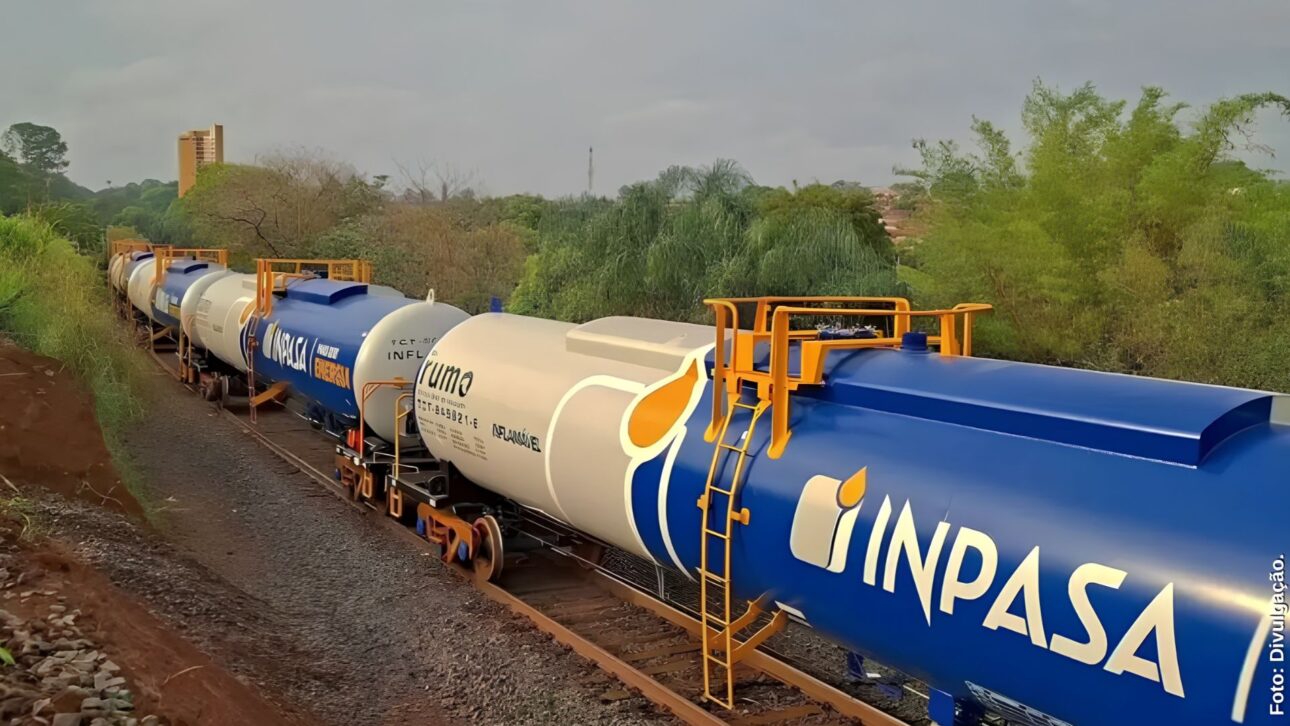

New operation connects Mato Grosso to Port of Santos and boosts exports of animal feed ingredients produced by corn ethanol plants.
A new shipment is beginning a journey of approximately 1,500 kilometers by rail from Mato Grosso to the coast of São Paulo state. According to CNN Brasil, in a report published on November 26, 2026, Rumo and Inpasa have launched a commercial operation to transport 30,000 metric tons of DDGS, a product made during corn ethanol production and used in animal feed. The cargo will be moved in seven rail trips involving approximately 380 railcars, connecting Itiquira, in Mato Grosso, to the Port of Santos, in São Paulo state. It will then be shipped to international buyers, expanding transportation options for Brazil’s biofuels industry.
Rumo and Inpasa begin rail transport of 30,000 metric tons of DDGS
The operation marks a new stage in the partnership between Rumo, a rail transportation company, and Inpasa, a grain-based ethanol producer. The companies are now using the railway to transport DDGS to the Port of Santos on a commercial scale.
The first shipment will total 30,000 metric tons across seven rail trips. Approximately 380 railcars will be deployed for the transportation planned by the companies.
-
Brazil prepares for a 366 million-ton grain harvest and expands cropland to 85 million hectares for the 2026/27 season

-
Brazilian technology allows testing of combine harvesters without operators in the cab and automatically shuts down machines when detecting people in hazardous areas
-
French AI-powered machine sorts up to 100 metric tons of potatoes an hour in the field, promising to cut costs
-
BNDES approves R$8.3 billion for fertilizer production in Brazil, setting a lending record to reduce reliance on imports




Each trip covers about 1,500 kilometers, starting in Itiquira, Mato Grosso. On arrival in Santos, the product will be loaded onto ships for export.
The new route addresses growing production of animal nutrition ingredients at Brazilian plants. Higher volumes require alternatives capable of moving large quantities of cargo to major ports.
Operation began with a 200-metric-ton test shipment in July
Before launching commercial operations, Rumo and Inpasa had to assess how the product would move across the rail network. Work on the solution began in July 2026 with a test shipment.
At the time, the companies transported approximately 200 metric tons of FortiPro DDGS from Itiquira, Mato Grosso, to Sumaré, in the interior of São Paulo state. The goal was to assess the conditions for rail transport.
The test paved the way for a larger-scale operation targeting the international market. The shipment announced in November significantly increases the planned volume compared with the initial trial.
The new phase will use the rail corridor connecting production in Brazil’s Center-West to the coast of São Paulo state. The connection also serves other agribusiness supply chains, including soybeans, corn, and sugar.
Corn-based product contains at least 32% protein
DDGS is the technical name for distillers dried grains with solubles. It is produced during corn ethanol manufacturing, after some of the grain’s components have been used to make fuel.
The remaining material undergoes industrial processing and can be used in animal feed formulations. This allows the plants to sell a product in addition to ethanol.
The DDGS FortiPro produced by Inpasa has a minimum crude protein content of 32%. The company says its characteristics make it suitable for feeding cattle, hogs, poultry and fish.
Its nutritional composition makes the product an alternative ingredient for animal feed manufacturers. Its use depends on the dietary needs of each species and the formulations adopted by producers.
Inpasa reaches production of 3.5 million metric tons in 2026
Inpasa’s industrial expansion helps explain the need to broaden transportation options. The company said its DDGS production reached 3.5 million metric tons in 2026.
The volume reflects the growth of the company’s grain ethanol business. Inpasa currently describes itself as Latin America’s largest producer of grain ethanol and DDGS.
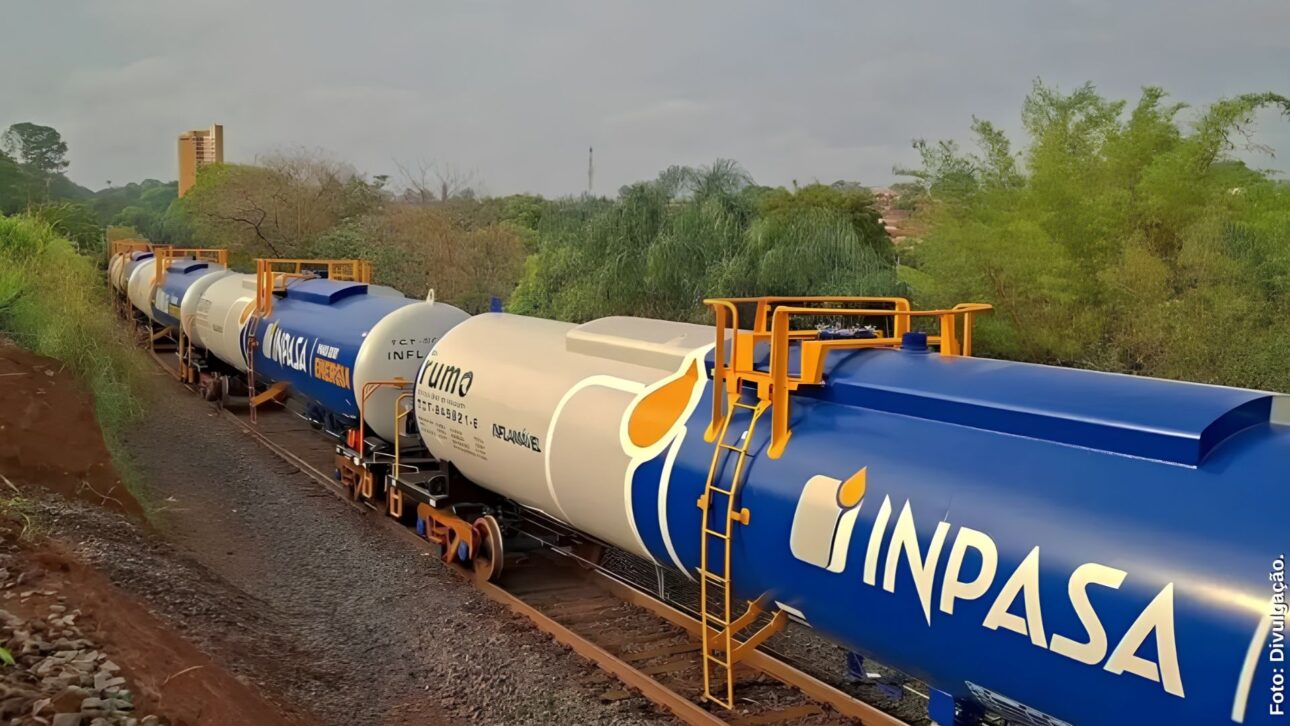
The company has also expanded exports of animal feed ingredients, including shipments to China and Turkey. These markets are among the international destinations served by the producer.
As production grows, transportation availability is becoming a factor in commercial planning. Companies must coordinate the movement of products between industrial facilities, logistics terminals and ports.
China and Turkey already buy DDGS produced by Brazil’s industry
The international market for animal feed ingredients is receiving growing volumes from Brazilian producers. DDGS is gaining ground in exports as new corn ethanol plants come online.
Brazil exported 825,000 metric tons of corn DDG in 2025, according to data from the Ministry of Agriculture and Livestock. The volume was up 4.3% from 2024.
DDG and DDGS are products related to corn processing, but they differ in composition. DDGS includes the so-called distillers solubles, while DDG does not contain this addition.
Inpasa said it has already shipped products to China and Turkey. However, the companies have not disclosed which countries will receive the 30,000 metric tons planned for the new rail operation.
Company has already invested in more than 500 railcars and 17 locomotives
The partnership between Rumo and Inpasa did not begin with DDGS transportation. The companies already have a commercial relationship involving the transportation of ethanol produced at industrial facilities.
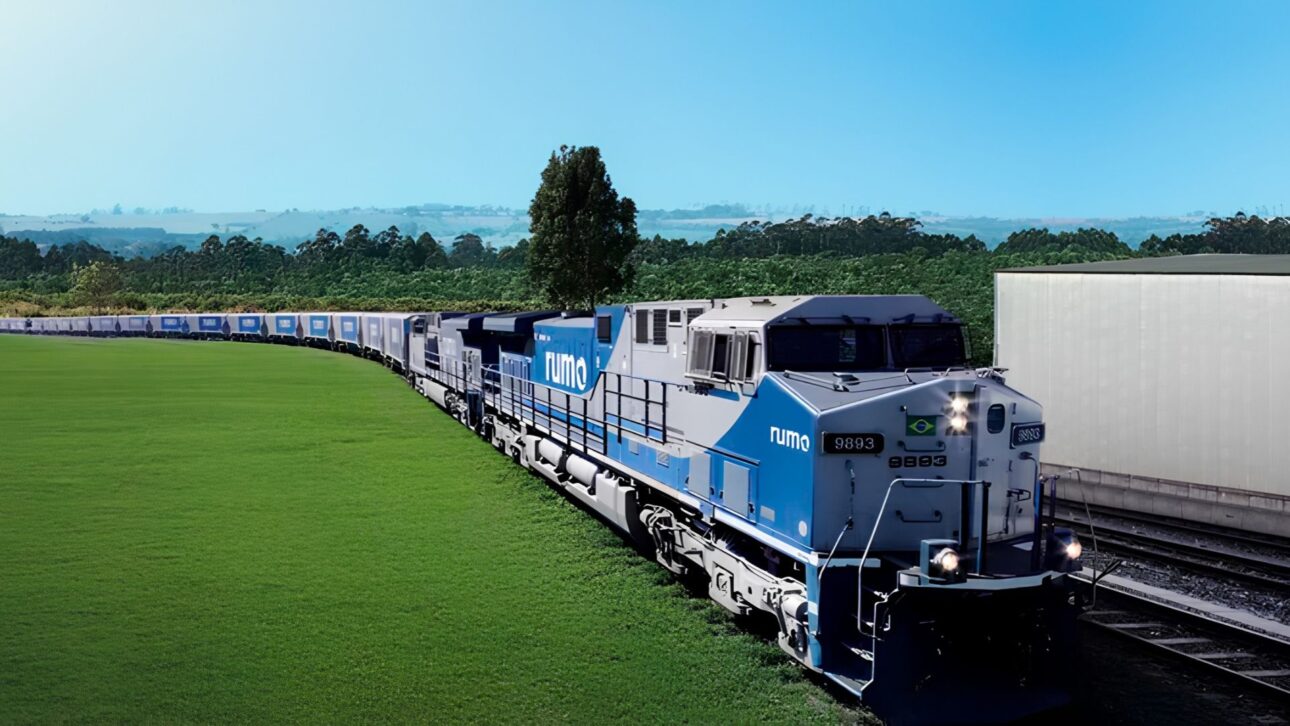
Inpasa has invested in more than 500 railcars and 17 locomotives, according to information released by the companies. The company is described as Brazil’s largest shipper of ethanol by rail.
This equipment is part of the transportation network used to handle biofuel production. The partnership now also covers an ingredient intended for the animal feed market.
Rumo operates an extensive rail network connecting major agricultural regions to Brazilian ports. The DDGS operation broadens the range of cargo carried by the company.
Port of Santos to receive new cargo from Brazil’s ethanol industry
The Port of Santos, in São Paulo state, will be the rail operation’s destination. The cargo will depart from Itiquira and travel to the port complex, where it will be prepared for maritime transport.
The connection will allow a product made from Brazilian corn to reach international buyers. The route integrates rail transport, port infrastructure and commercial shipping.
The shipment represents a new potential source of cargo for corridors used by agribusiness. These routes traditionally carry large volumes of grain, sugar and other agricultural products.
Growth in DDGS production could increase demand for handling and storage services. Future expansion will depend on commercial contracts, available volumes and logistics capacity.
Brazilian DDGS production could reach 8 million metric tons in 2035
The sector’s growth outlook appears in studies by the Energy Research Office (EPE), which is part of Brazil’s Ministry of Mines and Energy. The agency tracks the growth of the country’s biofuels industry.
Based on projections cited by the companies, national DDGS production could reach approximately 8 million metric tons in 2035, under a midrange scenario for growth in ethanol supply.
That figure represents a future possibility, not production that has already been contracted or guaranteed. Results will depend on the development of the plants, corn availability and market conditions.
With higher volumes, manufacturers may need more capacity to transport, store and export the product. Railways and port terminals are among the infrastructure that could support large-scale operations.
Corn ethanol expansion creates new demand for rail transport
The corn ethanol industry uses the grain to produce fuel and other marketable products. These include DDGS and corn oil, which serve different industrial applications.
This diversification allows plants to generate revenue from more than one product. However, each cargo has specific storage, handling and marketing requirements.
For Rumo, the growth of these activities creates opportunities to expand rail use. The company also transports agricultural products and inputs used in major producing regions.
DDGS shipments could help diversify the railroad’s freight mix. No growth targets or additional volumes under contract for coming years have been disclosed.
Executives underscore need to expand logistics options
Altamir Perottoni, Rumo’s commercial vice president, said the growth of the corn industry requires transportation solutions tailored to new products.
The executive said the operation was developed in partnership with Inpasa to accommodate changes in the agribusiness freight mix and provide capacity for future growth.
Gustavo Mariano, Inpasa’s vice president of trading, also highlighted the importance of diversifying logistics options. The company is seeking greater predictability in meeting its international commitments.
The statements came as commercial operations began, but the companies have not disclosed data on any cost reductions or financial gains resulting from the new route.
New trips could keep pace with growth in Brazilian exports
The operation announced in November 2026 calls for seven rail trips to complete the initial shipment of 30,000 metric tons. The cargo will be transported from Mato Grosso to the Port of Santos.
Continuation will depend on the evolution of international demand and contracts between the companies. No permanent annual volume has yet been announced for this new mode of DDGS transportation.
Inpasa already produces millions of tons of the ingredient, while Rumo has rail corridors connected to major agricultural regions. The partnership is now beginning to handle this new commercial freight flow.