





 Portuguese
  English
  Spanish
 4 min of reading


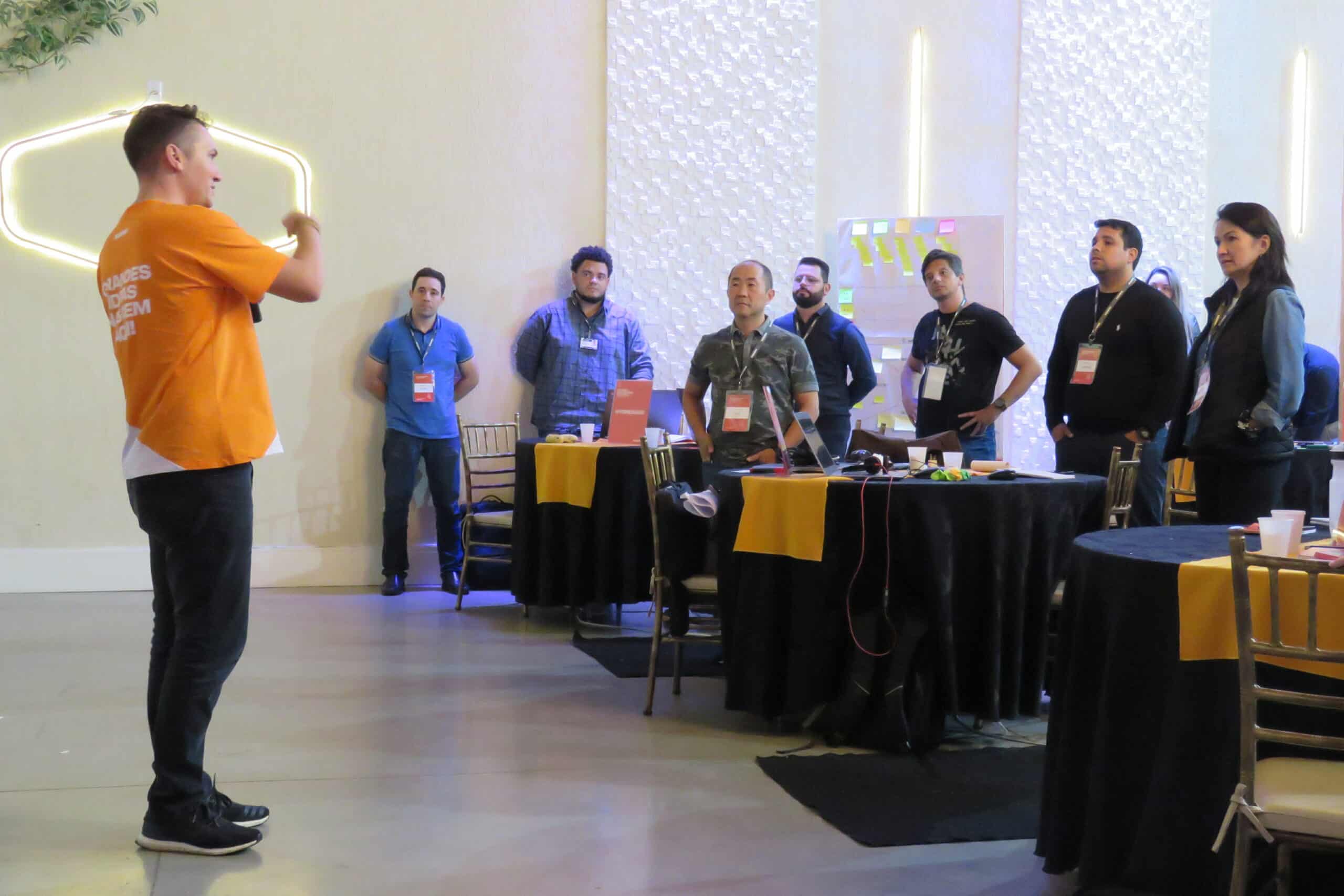
Program Created Three Years Ago by Scania in Sweden Reaches Brazil This Year to Develop a Culture of Innovation and Creativity in the Organization. Competition Received 120 Applications and 11 Selected Groups Count on Specialized Consulting to Enhance Their Business Visions. Projects with Potential May Receive Mentorship and Investment from the Swedish Manufacturer.
São Paulo, May 16, 2022 – Develop a culture of innovation and stimulate skills across all areas of the company. These are the main objectives of the Innovation Factory, Scania’s global intrapreneurship program aimed at challenging its employees to turn ideas into projects, perfecting them with innovative and creative practices, and transforming them into new business models. In its 3rd edition, the Innovation Factory was created by the manufacturer’s headquarters in Sweden, and for the first time reaches Brazil, with the participation of Scania Latin America.
Divided into five stages and lasting a total of six months, the Scania Innovation Factory 2022 is being held simultaneously in both countries. Among Brazilians, there were 120 applications. The finalists here will participate in the final stage in Sweden, scheduled for June.
“As they enrich their ideas and develop their projects, participants advance through the stages of the program. The best ideas with business potential will take part in the global stage,” says Douglas Neves from the innovation office and program coordinator. “Innovation is in Scania’s DNA, and for us to continue our purpose for more sustainable transport, it is important that the people who work at the company also have innovation as the foundation of their journeys,” he adds.
-
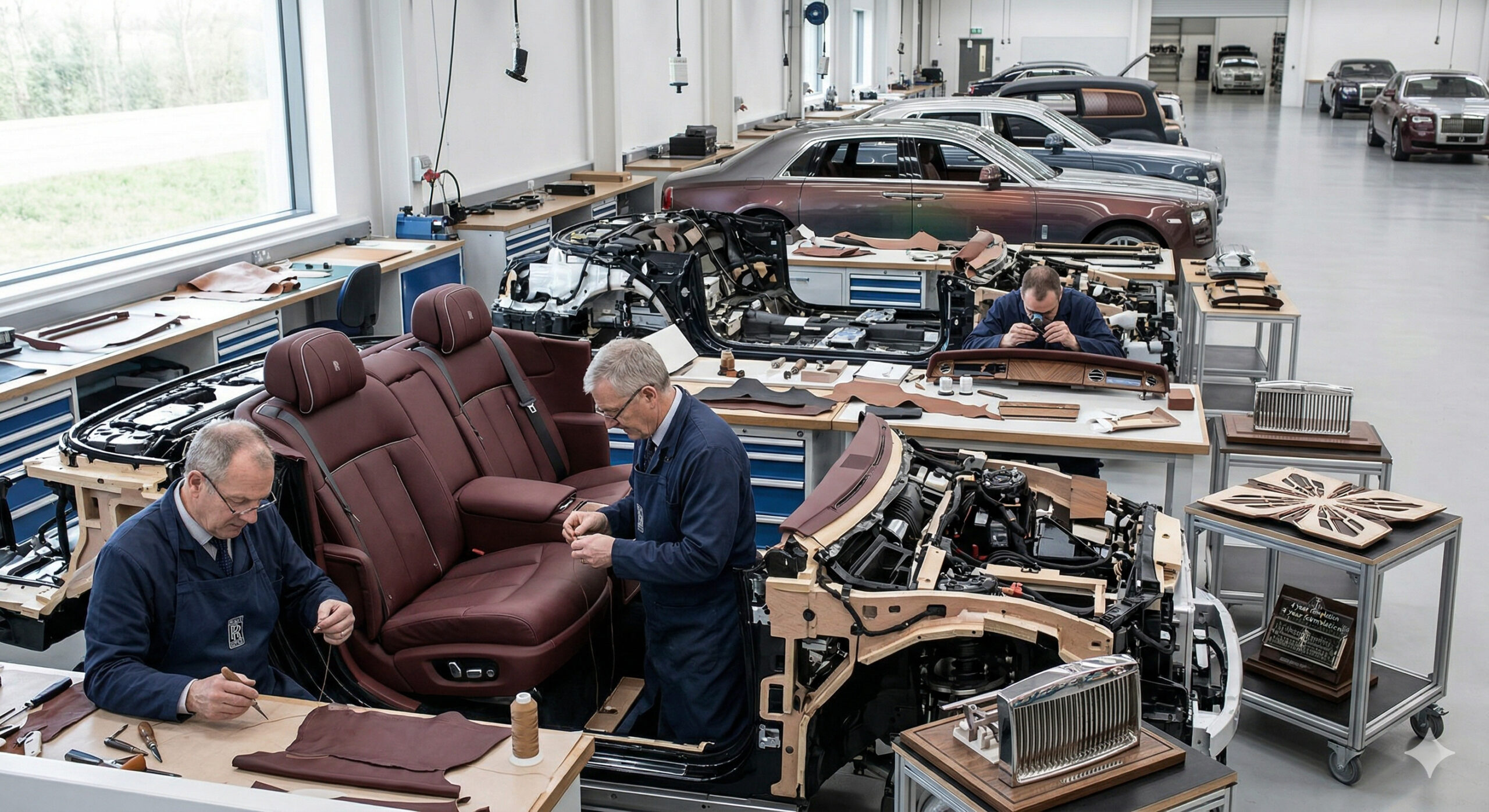
While much of the industry rushes to automate production, Rolls-Royce takes over 600 hours to hand-build each car in Goodwood and still accepts orders so complex that they can take up to four years to be completed.
-
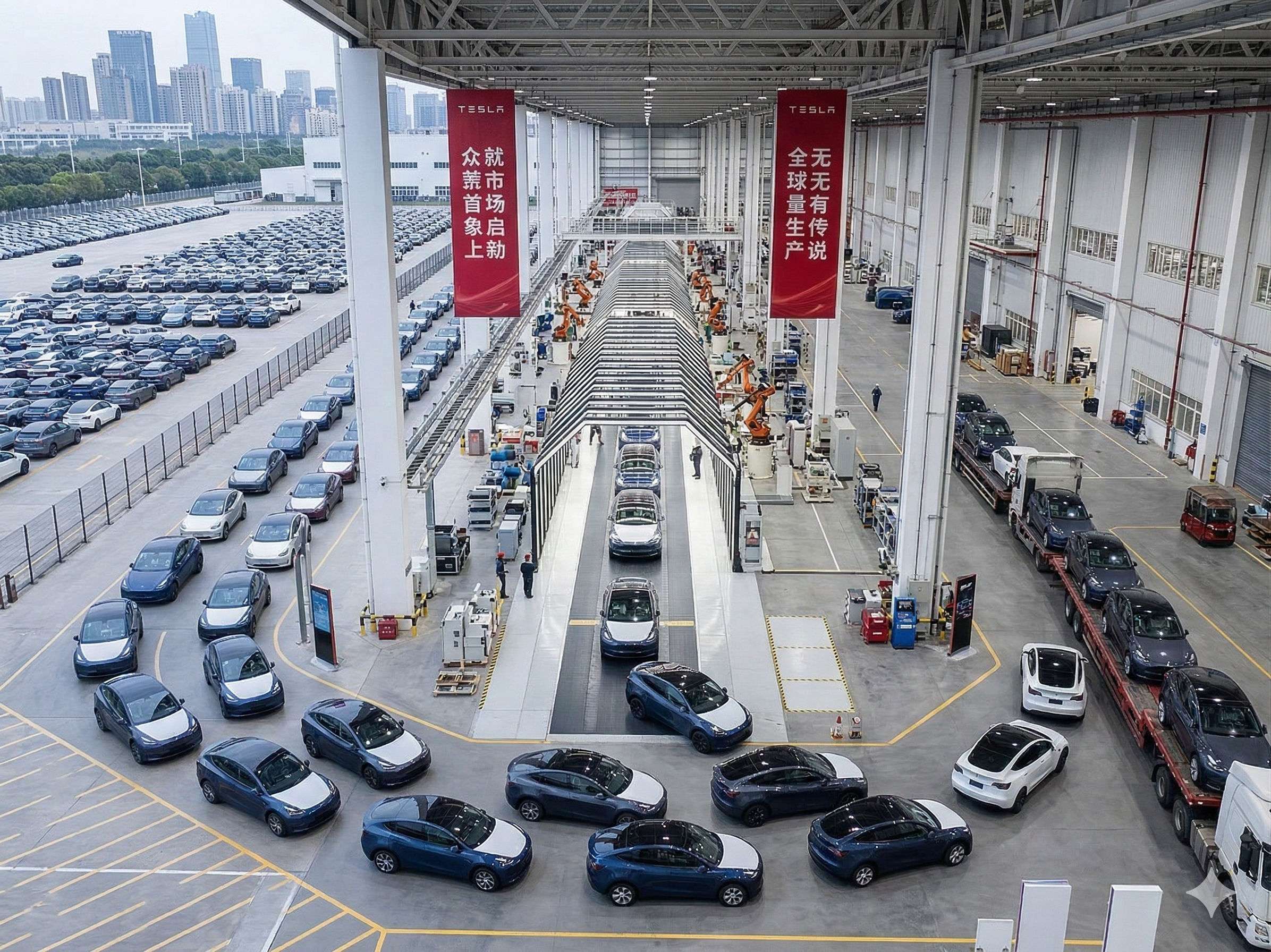
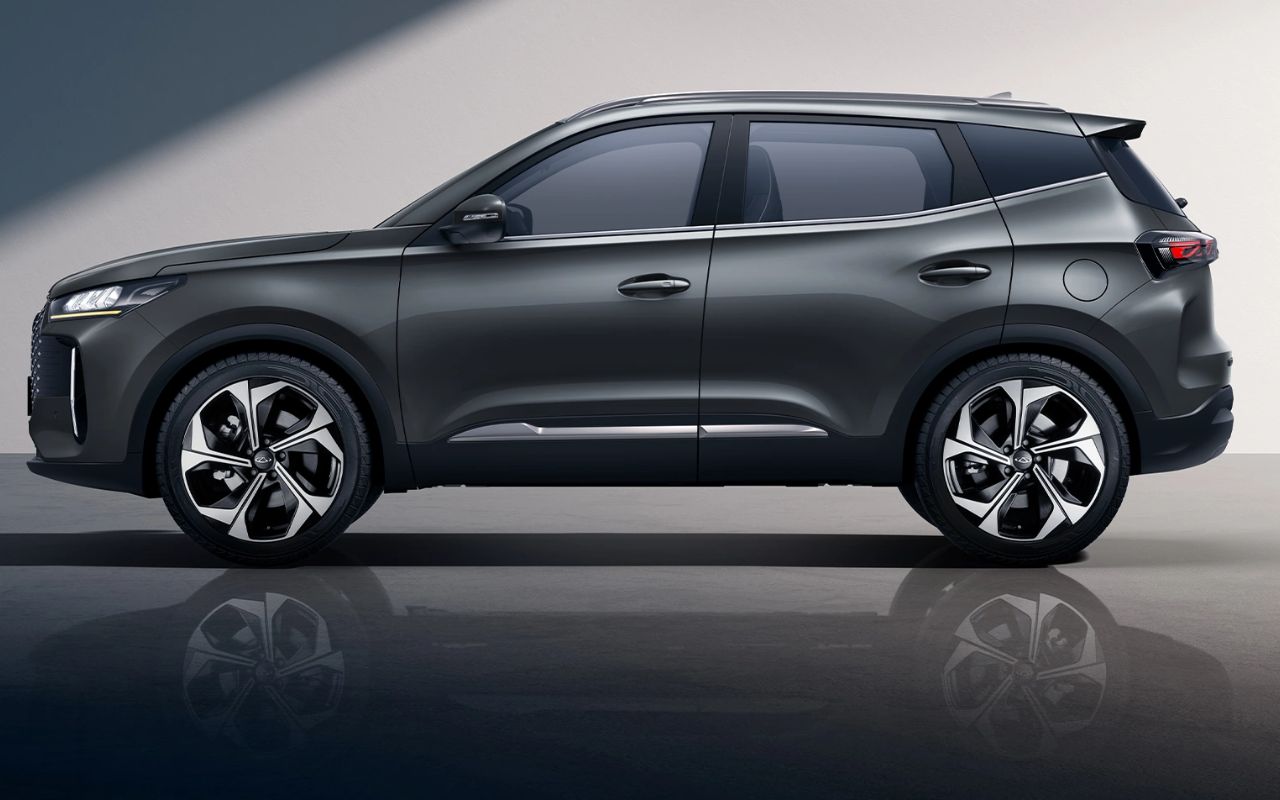
Smaller than the Model Y, lighter, with a single motor and designed to cost less than the current Model 3, Tesla’s new compact electric SUV is born in China and could seal the automaker’s return to the race for mass-market electric vehicles.
-
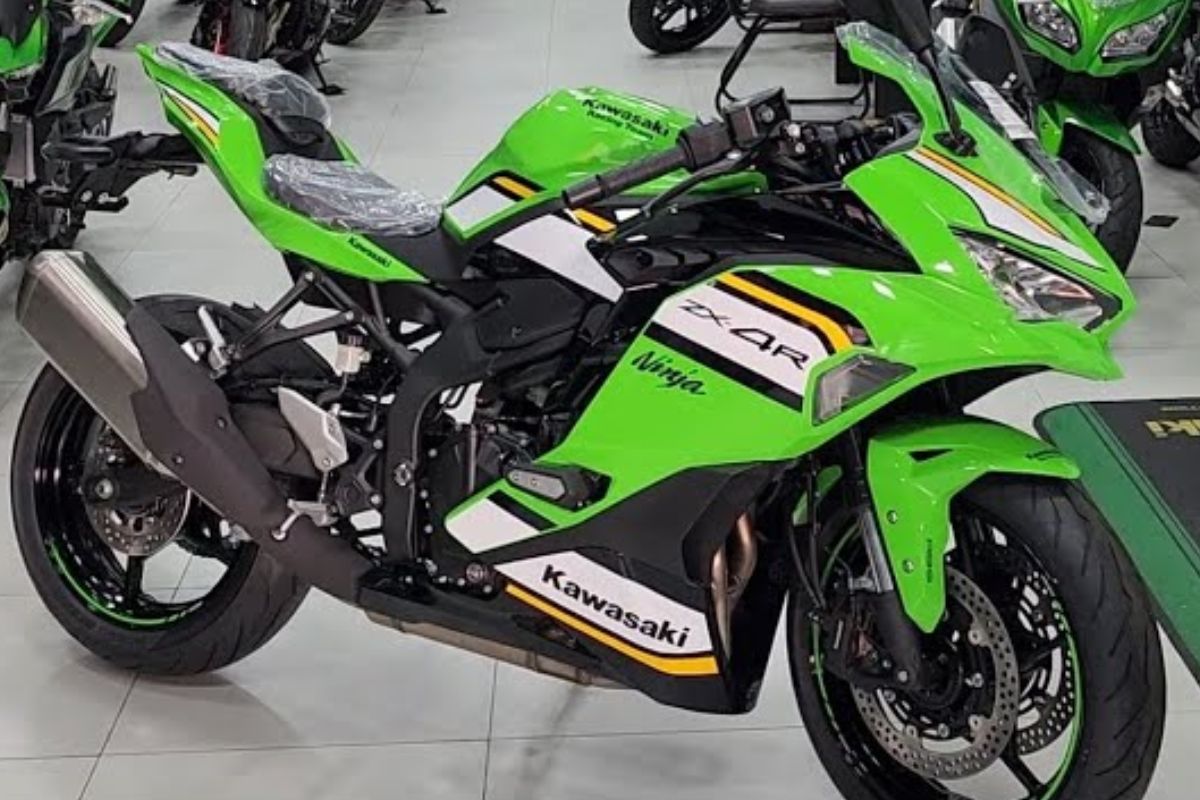
Kawasaki took the technology from its most brutal racing bikes, squeezed it into a 400cc 4-cylinder engine that revs to 15,000 RPM, and created the ZX-4R, a machine that shouldn’t exist in this displacement but is making experienced riders rethink everything they thought they knew about mid-range motorcycles.
-
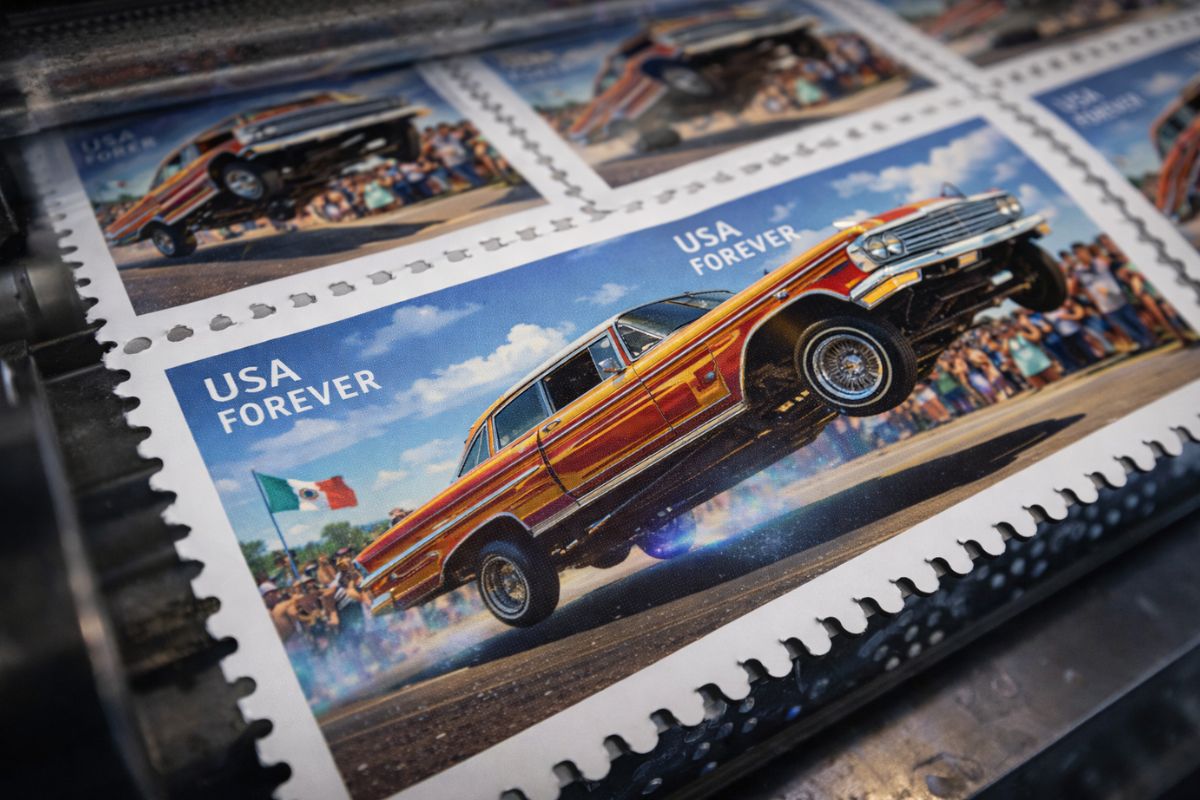
The culture of cars that jump on the asphalt was born in the garages of Mexicans in the 1940s, was treated as a crime in the United States for decades, and has now become an official postage stamp of the American Postal Service in a twist that no one expected.
In the first stage of the program, even before the applications closed, an event called Inspiration Days was held to inspire and motivate employees to participate. Over two days, interested parties debated the landscape and opportunities for startups with market guests from the areas of innovation, entrepreneurship, and startups.
Subsequently, they went through a matchmaking stage, where they received mentoring techniques and, divided into groups, participated in the first Pitch Day. These were intense days of auditions and business visions related to product technology, digitalization, circular economy, logistics, and even bolder ideas, where participants presented their concepts.
Projects in the Field
The projects were evaluated by Business Angels, who decided which of the 27 teams advanced to the next phase of the Innovation Factory. The 11 selected teams are currently participating in the Idea Development Boot Camp. “The high level of the ideas presented was surprising. Now is the time to put those ideas into practice.
As the program challenges us to think ‘outside the box,’ this is when innovators resort to creativity, consult the market, conduct research and studies, analyze scenarios, and adapt their ideas so they can evolve,” explains Douglas.
During seven weeks, the teams participate in workshops with a consulting firm focused on innovation that supports the Innovation Factory at Scania Latin America. There will be a total of seven meetings, during which participants fully dedicate themselves to the project. “The expectation is that the knowledge acquired during this experience in the program will be disseminated throughout the organization.
The most important aspect is the learning journey and development of employees who have become ambassadors of new work concepts using agile tools, design thinking methodologies, and other soft skills, for example,” says Veridiane Maman from the People and Culture area of Scania Latin America. “From the active, creative, and mutual learning dynamics proposed by the Innovation Factory, we want to stimulate our employees’ skills, as well as offer them the opportunity to apply innovation and transform their ideas and dreams into real business formats,” she adds.
On June 14, the Brazilian finalists will face a second Pitch Day, where they will present the projects developed in the Idea Development Boot Camp. The groups considered ready to take off, whose projects have business potential, will proceed to the last stage, the Global Business Angel Forum in Sweden. “The qualified groups here will present their projects alongside the teams from Sweden and may be incubated for six months,” points out Veridiane. The last edition of the Innovation Factory in Sweden resulted in four groups being incubated. “Who knows, the next one might be a Brazilian team?” she concludes.








Seja o primeiro a reagir!